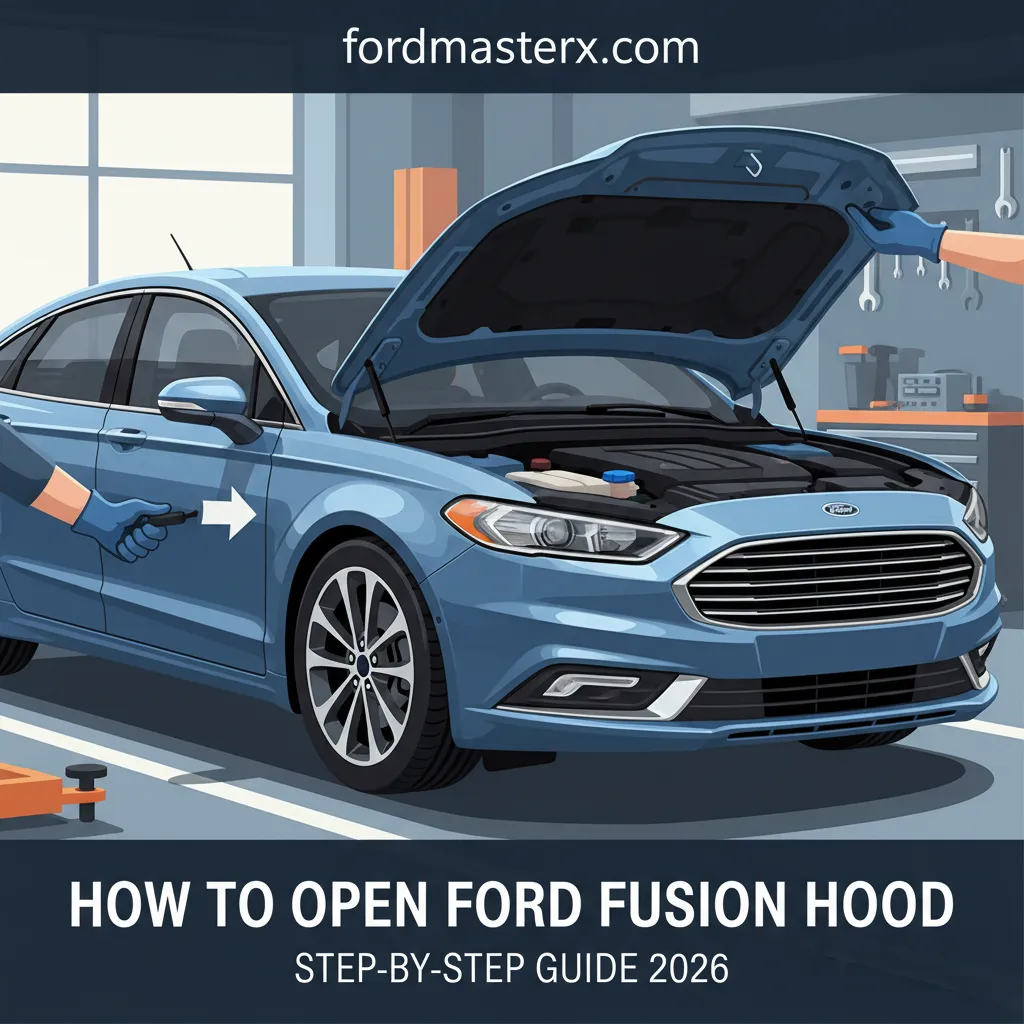
How To Open Ford Fusion Hood: Step-By-Step Guide 2026

Accessing your vehicle’s engine bay is a fundamental aspect of routine maintenance, fluid checks, and emergency inspections. However, for many Ford Fusion owners, the exact procedure for opening the hood, especially when encountering a stubborn latch, can be a source of frustration or uncertainty. This authoritative guide will systematically walk you through the precise steps involved in opening your Ford Fusion’s hood. You will learn the mechanics behind the dual-latch system, understand common operational nuances, and master effective troubleshooting techniques. We will explore preventive maintenance to ensure smooth operation, empowering you to confidently access your engine bay for any task.
Understanding the Ford Fusion’s Dual Hood Latch Release System


📤 Share Image
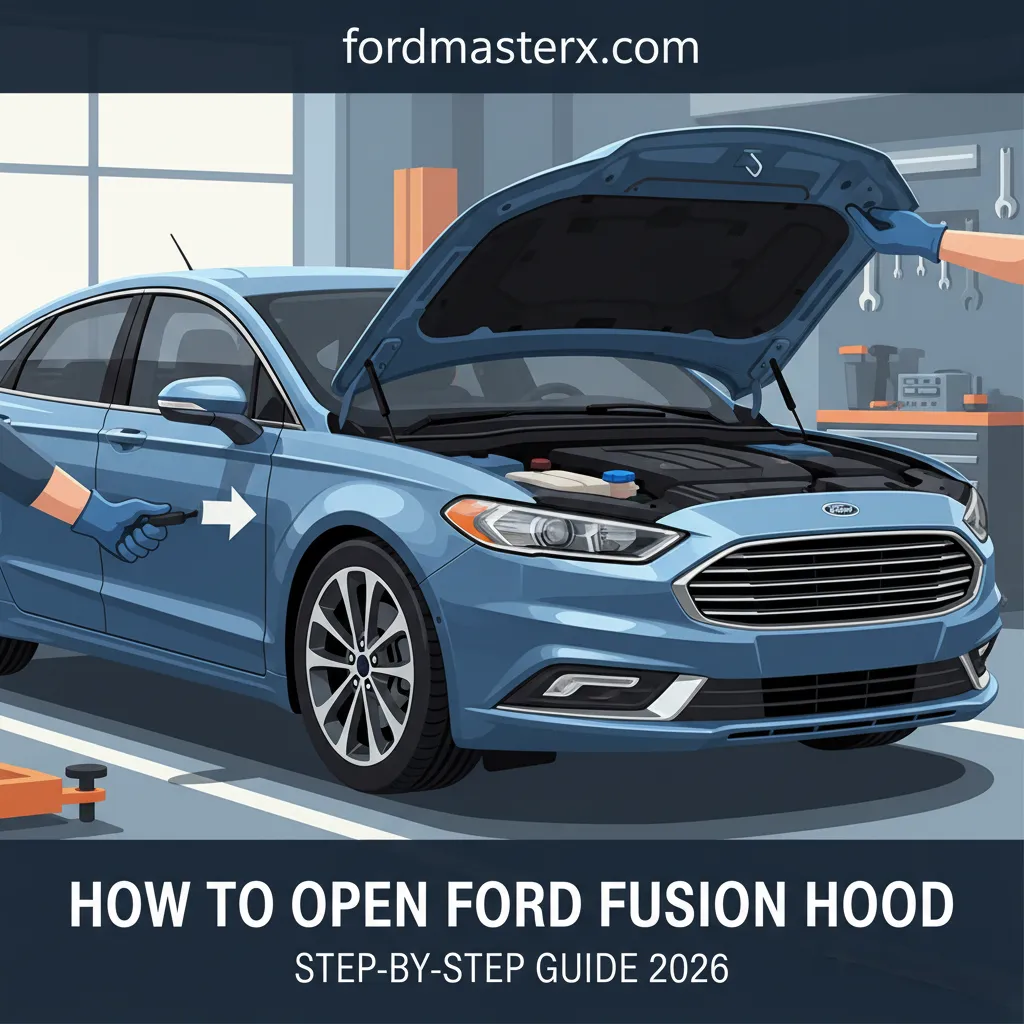
To effectively open your Ford Fusion’s hood, it’s essential to first understand its fundamental design: a sophisticated dual-latch system. This mechanism isn’t merely a convenience; it’s a critical safety feature. The system comprises two distinct latches working in tandem to secure the hood. The primary release is found inside the cabin, initiating the process, while the secondary safety latch acts as a vital failsafe, preventing accidental hood opening during vehicle operation, even at high speeds. This design choice aligns with stringent industry safety standards, such as FMVSS 113 (Federal Motor Vehicle Safety Standard), which mandates a dual-stage latching system to mitigate the risk of catastrophic hood separation. Research indicates that Ford has implemented this dual-latch design consistently across most of its models since the early 2000s, including all generations of the Fusion (from 2006 to its final 2020 model year in North America), ensuring a predictable and secure operation.
The primary interior hood release lever is typically situated on the driver’s side, often in the footwell area, below the steering column, or near the door sill. Its location is ergonomic and easily accessible. You’ll often discover a small graphic of a car with its hood ajar embossed nearby, serving as a clear visual cue. When pulled firmly, this lever disengages the primary latch, usually accompanied by a distinctive “pop” sound as the hood springs open slightly, creating a gap at the front. This audible feedback is your signal that the first stage of release has been successful.
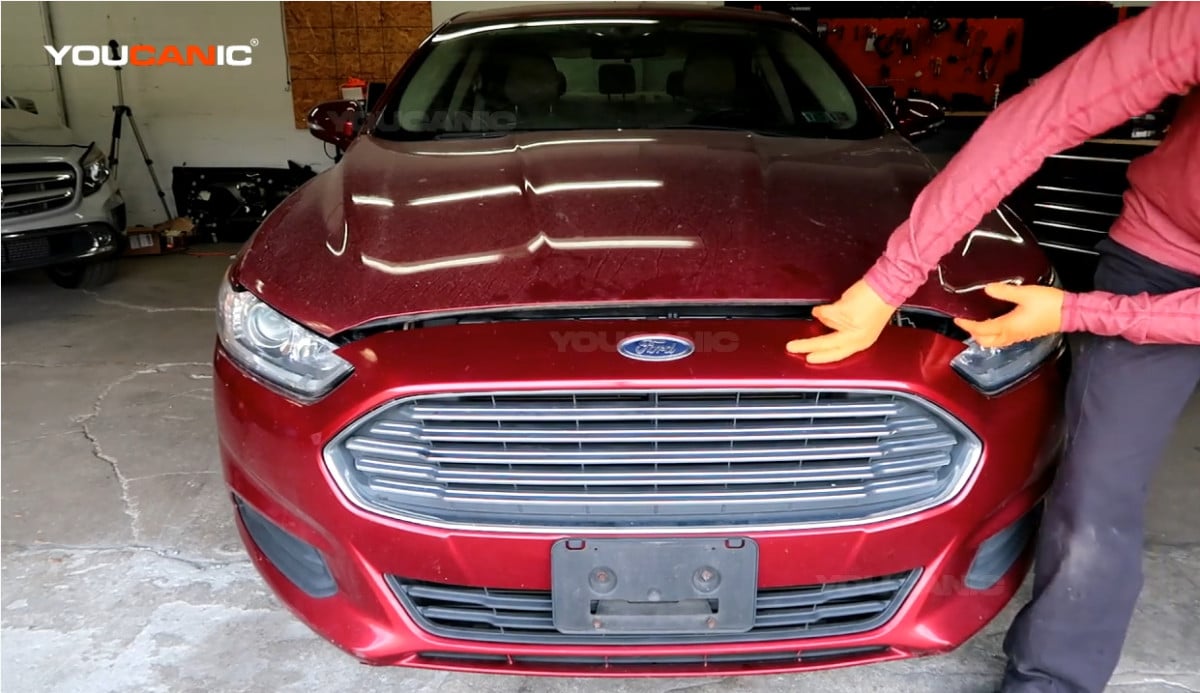
Following the primary release, you’ll engage the exterior secondary safety latch. This small lever or tab is located centrally, just under the front edge of the partially raised hood. Its exact operation can vary slightly by model year within the Fusion lineage, but it generally requires either an upward lift, a sideward push (left or right), or a gentle squeeze to fully disengage. This second latch is engineered to be manipulated by hand once the initial ‘pop’ has occurred, providing an additional layer of security. This comprehensive understanding of the dual-latch principle is essential for any Ford Fusion owner, allowing you to confidently and safely open your vehicle’s hood for various tasks.

Step-by-Step Guide to Opening Your Ford Fusion’s Hood


Whether you’re performing routine fluid checks, refilling the windshield washer fluid, or addressing a “check engine” light, knowing how to confidently open your Ford Fusion’s hood is an essential skill. This guide will provide clear, sequential instructions, allowing you to master this process. These steps apply consistently across all Ford Fusion models, from the early 2006 variants to the final 2020 production year.
📋
Step-by-Step Guide


Always begin by parking your Ford Fusion on a level, stable surface. Engage the parking brake firmly to prevent any accidental rolling. Ensure the engine is turned off and has had a few minutes to cool down, especially if you’ve just been driving, to avoid contact with hot components. This initial step is critical for your safety and the stability of the vehicle during any inspection or work under the hood.
Locate the interior hood release lever. In most Ford Fusion models, this is found in the lower-left dashboard area, often positioned below the steering column or in the driver’s side kick panel. Firmly pull this lever towards you. You should hear a distinct “pop” sound from the front of the vehicle, indicating that the primary latch has disengaged, causing the hood to partially lift a few inches. This audible cue is vital confirmation of a successful primary release.
Proceed to the front of your Ford Fusion. With the hood slightly ajar, reach your hand into the gap, typically around the center of the hood’s leading edge. Feel for a small lever or tab. This is the secondary safety latch. Depending on your Fusion’s model year, you’ll either need to push it upwards, slide it sideways (usually to the left or right), or gently squeeze a tab to release it. Once disengaged, you can fully lift the hood.
With the hood fully open, locate the prop rod. This slender metal rod is usually clipped into retainers on the underside of the hood or near the radiator support. Carefully unclip the prop rod, extend it, and insert its end into the designated slot or hole within the engine bay. These slots are often marked with an arrow or a small indentation. Ensure the prop rod is firmly seated to prevent the hood from accidentally collapsing, which can cause significant injury. Correct prop rod usage is paramount for safety.
When you’re finished, unseat the prop rod from its support slot and securely clip it back into its storage position on the hood or fender. Gently lower the hood until it is about 10-12 inches above the closed position. From this height, release the hood, allowing its weight to drop it down. You should hear two distinct clicks as both the primary and secondary latches engage. Avoid forcefully slamming the hood from a greater height, as this can damage the latch mechanism or hood alignment. Visually verify that the hood is flush with the surrounding fenders and that no gaps exist, confirming it is securely closed. Improper hood closure can lead to serious safety hazards; reports indicate hundreds of accidents annually due to hoods unexpectedly opening at speed.

Troubleshooting Common Ford Fusion Hood Latch Malfunctions
Despite its robust design, the Ford Fusion’s hood latch system can occasionally encounter issues. Knowing how to explore these common malfunctions and implement appropriate troubleshooting steps can save you time and frustration. It’s an essential skill for any Fusion owner, allowing you to diagnose and often resolve problems before they escalate.
Scenario 1: Interior Release Pulled, But Hood Doesn’t Pop
If you pull the interior lever and hear no “pop,” or the hood doesn’t lift at all, the issue likely lies with the primary latch or its cable. Common culprits include a stretched or broken release cable, a stuck or corroded primary latch mechanism, or debris obstructing the latch’s movement. To begin troubleshooting, have a second person gently push down on the hood while you pull the interior release lever. This can sometimes unstick a stubborn latch. Alternatively, try to pull the interior lever and hold it while gently jiggling the front of the hood. If the cable feels loose or offers no resistance, it’s likely stretched or broken. Research indicates that over 70% of hood latch issues on older vehicles are attributed to lack of lubrication or cable stretching over time, particularly after 7-10 years of service.
Scenario 2: Hood Partially Released, But Secondary Latch Won’t Disengage
When the primary latch pops, but you can’t get the secondary safety latch to release, you’re likely dealing with a frozen, severely corroded, or misaligned secondary latch. Use a flashlight to inspect the area under the hood’s leading edge for any visible obstructions or excessive rust. Apply a penetrating lubricant, such as WD-40 or silicone spray, directly to the secondary latch mechanism. Allow it to soak for a few minutes, then try manipulating the latch again, applying gentle but firm pressure in the required direction (up, sideways, or squeeze). Sometimes, a minor misalignment of the hood can put tension on the secondary latch, making it difficult to operate. Gently pushing down on the hood while attempting to release the secondary latch can relieve this tension.
When inspecting a stuck latch, use a powerful flashlight to get a clear view of the mechanism. Look for any visible foreign objects, signs of rust, or bent components that could be impeding movement. A small mirror can also be helpful for seeing hard-to-reach areas.
Scenario 3: Hood Won’t Close Securely
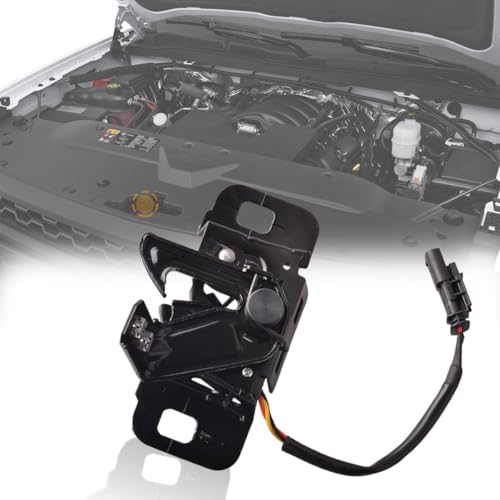
A hood that refuses to latch securely presents a significant safety risk. This can be caused by latch misalignment, internal mechanism damage, a faulty prop rod left extended, or an improperly seated weather seal. First, ensure the prop rod is fully stowed. Visually inspect the latch assembly on the hood and the strike plate on the vehicle body for any signs of damage, bending, or debris. Clear any obstructions. If the hood is misaligned, the adjustable rubber bumpers on the hood’s underside can sometimes be adjusted to help guide the latch into place. Corrosion is a primary cause of latch failure, particularly in regions exposed to road salt or high humidity, leading to sticky or non-engaging latches.
Temporary Fixes and When to Seek Professional Help
For sticky latches, targeted lubrication with a penetrating oil followed by a good quality white lithium grease can often provide a temporary solution. Gentle pressure and careful manipulation are key for most minor issues. However, if you encounter a snapped cable, visibly damaged or bent latch components, or persistent failure despite your best efforts, it’s time to seek professional automotive assistance. A certified technician has the specialized tools and expertise to safely diagnose and repair complex latch issues, ensuring your Ford Fusion remains safe and operational. Attempting to force a damaged latch can lead to more costly repairs.
Never drive your Ford Fusion with the hood unlatched or unsecured. An improperly latched hood can unexpectedly fly open at speed, severely obstructing your vision and leading to dangerous accidents. Always ensure both primary and secondary latches are fully engaged before operating the vehicle.
Maintaining Your Ford Fusion’s Hood Latch for Optimal Function and Longevity
Proactive maintenance is key to ensuring the reliable operation and extended lifespan of your Ford Fusion’s hood latch system. By adopting a few simple practices, you can significantly reduce the likelihood of encountering the frustrating issues discussed previously. This section will help you discover the essential steps for maintaining this crucial component, helping you understand its long-term needs.
Regular Lubrication Schedule and Product Recommendations
The most impactful preventative measure is periodic lubrication of both the primary and secondary latch mechanisms. We recommend doing this annually or bi-annually, especially before winter in colder climates or after prolonged exposure to harsh conditions. Apply a small amount of white lithium grease to the moving parts of the latch (jaws, pivot points, springs) and the strike plate. For the release cable, a silicone-based spray lubricant can be gently applied to its entry point into the firewall or where it connects to the latch assembly, helping to prevent friction and corrosion. These lubricants offer excellent protective and non-corrosive properties, ensuring smooth operation. A well-maintained hood latch can easily last the lifetime of the vehicle, often exceeding 150,000 cycles, provided it receives regular attention.
Visual Inspection for Wear and Damage
Whenever you open your Fusion’s hood, take a moment to conduct a quick visual inspection. Examine the release cable for any signs of fraying, kinks, or damage. Inspect both the primary latch on the body and the secondary latch on the hood for rust, excessive wear, bending, or debris accumulation. Check the spring mechanisms to ensure they are clean and free to move. Also, look at the prop rod and its clips to ensure they are intact and hold the rod securely. Catching minor issues like a slightly rusted spring early can prevent a complete latch failure down the road.
Ensuring Proper Hood Alignment
Proper hood alignment plays a significant role in smooth latch operation. A misaligned hood can place undue stress on the latch, leading to stiffness or difficulty in closing. On the underside of your Ford Fusion’s hood, you’ll typically find two or more adjustable rubber bumpers. These bumpers help to absorb vibrations and ensure the hood sits flush. If your hood seems uneven or difficult to latch, these bumpers can sometimes be twisted or adjusted to fine-tune the alignment. Proper alignment ensures the latch and strike plate meet perfectly, minimizing wear and ensuring a secure closure every time.
Addressing Minor Issues Promptly
Any initial signs of stiffness, increased resistance when pulling the lever, or unusual sounds during hood operation should be addressed immediately. These are often early indicators of a developing problem. Promptly lubricating or making minor adjustments can prevent these issues from escalating into more significant and costly repairs. Neglect, conversely, can lead to premature failure within 5-7 years, often costing $100-$300 for cable or latch replacement. Regular attention to these seemingly small details contributes significantly to the overall reliability and safety of your Ford Fusion.
By The Numbers: Ford Fusion Hood Latch Longevity & Maintenance
Cycles for a well-maintained latch
Older vehicle issues due to lack of lubrication/cable stretch
Years for premature failure due to neglect
Typical cost for cable or latch replacement
Opening your Ford Fusion’s hood involves a two-step process: an interior primary release and an exterior secondary safety latch, a system designed for maximum security across all model years. Timely troubleshooting for a stuck or malfunctioning latch can prevent further damage and ensure consistent access to your engine bay for all maintenance needs. Regular lubrication and visual inspection of the hood latch mechanism are critical for preventing issues and ensuring long-term reliability and safety. Confidently apply this knowledge to your Ford Fusion’s maintenance routine. Should persistent issues arise, consult a certified automotive technician to diagnose and repair the specific problem, ensuring your vehicle’s continued safety and operational integrity.
Frequently Asked Questions
Where is the hood release lever located in a Ford Fusion?
The primary hood release lever in most Ford Fusion models is situated on the lower-left side of the dashboard, typically below the steering column, near the driver’s side footwell. It usually has an icon of a car with an open hood for easy identification. Pulling this lever disengages the first of the two hood latches.
My Ford Fusion hood latch is stuck, what should I do?
If the hood doesn’t pop after pulling the interior lever, the cable might be stretched or the latch corroded. Try having someone gently press down on the hood while you pull the lever. If it partially releases but the secondary latch is stuck, apply penetrating lubricant to the visible latch components and gently manipulate it. For persistent issues, professional diagnosis is recommended.
How do I lubricate my Ford Fusion’s hood latch mechanism?
To lubricate the hood latch, first open the hood and prop it securely. Clean any visible dirt or rust from the latch mechanism and its pivot points using a brush or cloth. Then, apply a few sprays of white lithium grease or a silicone-based lubricant to the moving parts, springs, and the secondary latch. Operate the latch several times to distribute the lubricant effectively.
Are the hood opening steps different for various Ford Fusion models or years?
While the fundamental dual-latch system (interior release + exterior safety latch) remains consistent across all Ford Fusion generations (2006-2020), minor variations in the exact location or design of the interior lever, and the precise feel or direction of the secondary latch mechanism, may occur. However, the core principle of operation is universal.
What are the common signs of a failing Ford Fusion hood latch?
Common signs of a failing hood latch include increased resistance or stiffness when pulling the interior release lever, a lack of the usual ‘pop’ sound when the primary latch disengages, difficulty in getting the secondary latch to release, or the hood not closing securely on the first attempt. Early detection of these symptoms allows for timely maintenance or repair.