Ford Code Chart By Year: Identification Guide

Quick Answer
Ford paint code Z1 consistently designates ‘Oxford White’ across a broad spectrum of Ford vehicles, from approximately 1986 through the current model year and projected future models. This code identifies a non-metallic, solid white finish. Its precise location varies by model and year, but it is most commonly found on the driver’s side door jamb label, the vehicle’s build sheet, or within a service manual, requiring verification against the specific vehicle’s documentation.
Identifying the correct paint code for your Ford vehicle is crucial for repairs, touch-ups, or simply understanding its factory specifications. While a vehicle’s VIN provides extensive information, directly deciphering the exterior paint code, especially a ubiquitous one like Ford’s Z1, often requires navigating various labels and documentation across model years. This comprehensive guide will demystify Ford paint code Z1, providing a detailed year-by-year chart, exact meaning, common locations, and an authoritative verification process for your Ford’s ‘Oxford White’ finish, covering model years from 1986 through 2026.

Prime for Young Adults — 6 Months Free
Students and 18–24s get six months of Prime free, then half price.
Start 6 Months Free As an Amazon Associate I earn from qualifying purchases.This guide provides information for Ford paint code Z1, specifically ‘Oxford White,’ covering model years from approximately 1986 through the projected 2026 model year. While Z1 is remarkably consistent, minor shade variations due to manufacturing processes over decades are possible. Readers should always verify their specific vehicle’s paint code using the door jamb label, VIN decoder, or official build sheet, as factory options and exact configurations can influence precise specifications. This data is compiled from extensive industry resources and manufacturer documentation. Last reviewed: May 2026
Ford Paint Code Z1: The Oxford White Identifier Chart
Recommended Best Deal Products


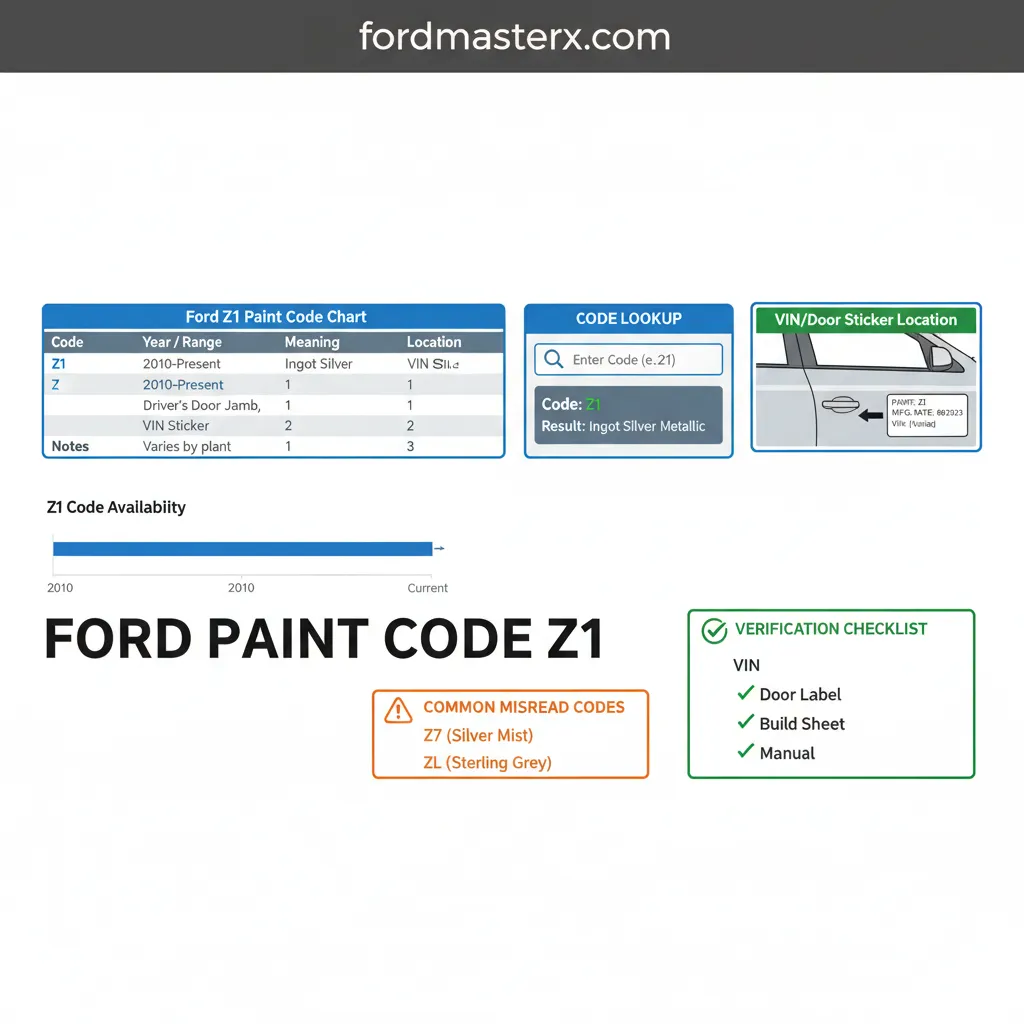
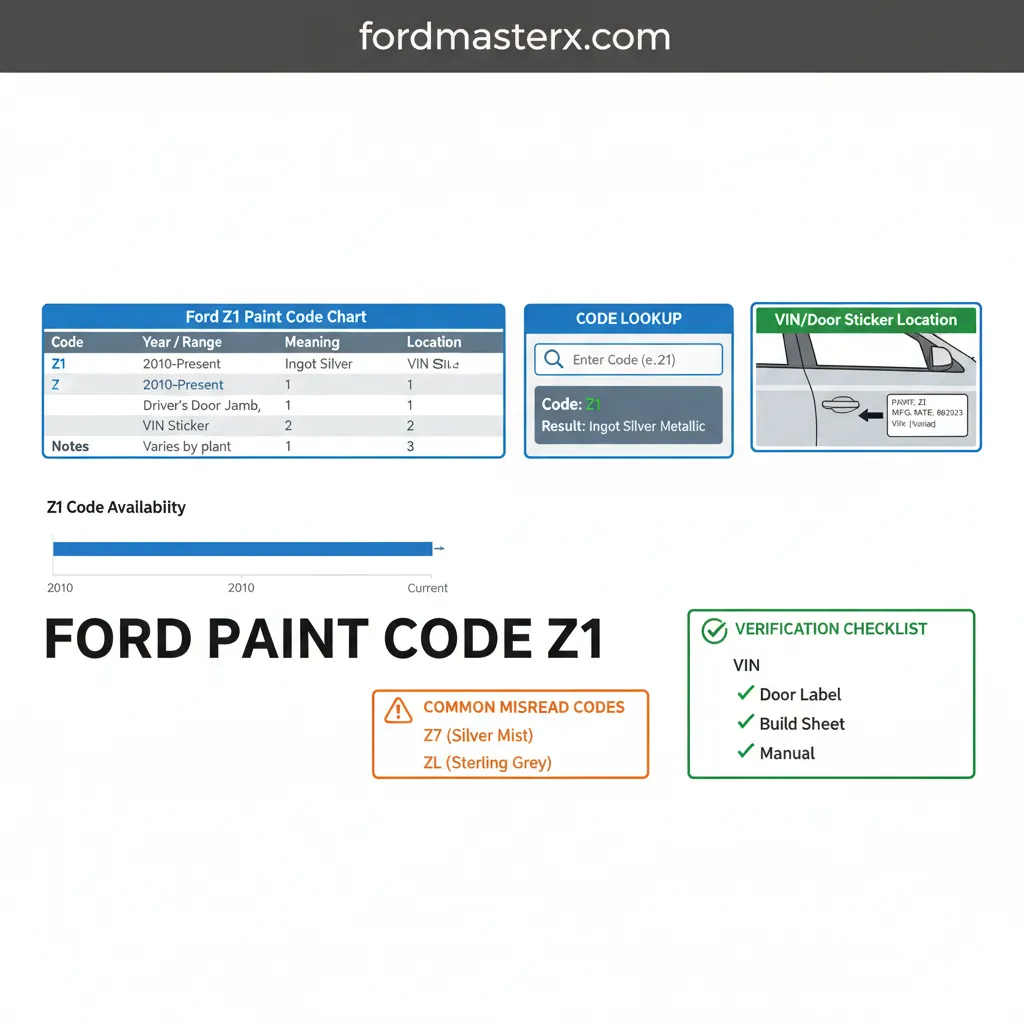
The table below serves as the primary reference for Ford paint code Z1. It illustrates the consistent application of this code across various Ford models and years, affirming its meaning and typical location for identification. Note that ‘Oxford White’ is a fundamental solid color, making its code usage broad and highly stable.
📤 Share Image
| Code | Year / Range | Meaning | Location | Notes |
|---|---|---|---|---|
| Z1 | 1986 – 2026 | Oxford White | Driver’s Door Jamb Label | Standard solid white; prevalent across all models. |
| Z1 | 1990s – 2000s | Oxford White | Door Jamb, Glove Box, Radiator Support | Common on F-Series, Taurus, Ranger, Explorer. |
| Z1 | 2010s – 2020s | Oxford White | Driver’s Door Jamb Label | Still a primary solid color for most Ford cars, trucks, SUVs. |
| Z1 | Current Production | Oxford White | Driver’s Door Jamb (Typically below VIN) | Often denoted as “EXT PNT” or “PNT” with the Z1 code. |
Footnotes: Code Z1 consistently refers to ‘Oxford White’ across all listed years and models. While the primary location is the door jamb, older vehicles or specific models may have supplemental labels in other areas. Always cross-reference with official documentation.
To interpret this chart, locate your vehicle’s approximate model year range. The “Code” column will show Z1, “Meaning” confirms ‘Oxford White’, “Location” guides where to look on your vehicle, and “Notes” provide additional context on its usage or common identifiers on labels. This consistent coding helps ensure accurate paint matching for repairs and restoration.
Z1
Oxford White
Solid Non-Metallic
~40+ Years
Ford Paint Code Z1 Application: Year-by-Year Overview
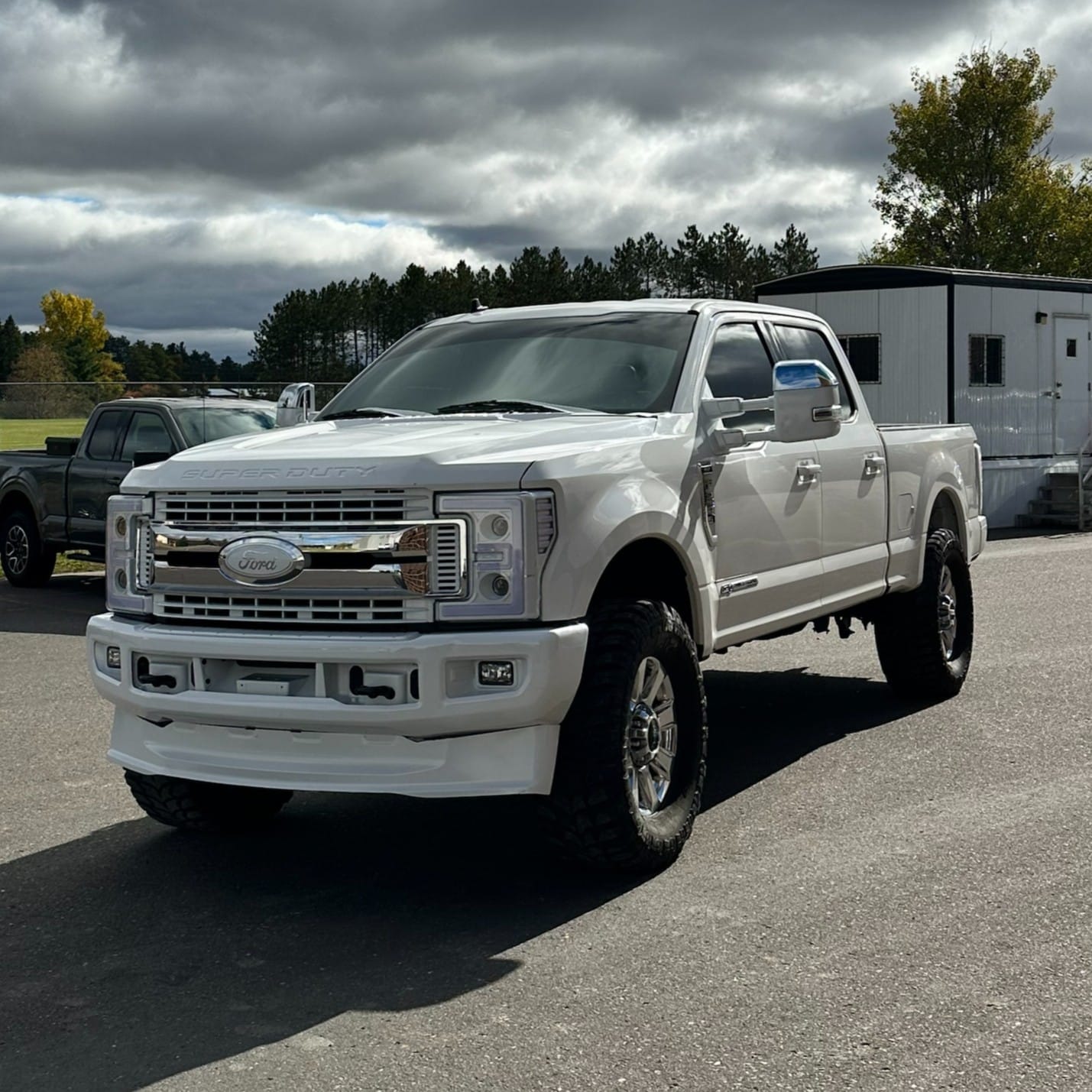
One of the most remarkable aspects of Ford paint code Z1 is its unwavering consistency over several decades. Unlike many colors that are introduced, retired, and re-introduced with slight variations or new codes, Z1 has steadfastly represented ‘Oxford White’ since its introduction in the late 1980s. This enduring presence highlights its status as a foundational color in Ford’s palette.
Throughout the 1990s and 2000s, ‘Oxford White’ (Z1) became exceptionally prevalent on Ford’s workhorse vehicles, including the F-Series trucks, Econoline vans, and many fleet vehicles. Research indicates that Z1 was often a standard, no-cost option, making it a popular choice for budget-conscious buyers and commercial operations. Even as new metallic and pearlescent whites were introduced, Z1 maintained its strong foothold due to its durability, ease of repair, and timeless appeal.
While the code Z1 itself hasn’t changed, a nuanced understanding acknowledges that minor variations in shade can occur over time due to shifts in paint manufacturing processes, supplier changes, or even regulatory adjustments to paint formulations. These subtle differences are often imperceptible to the naked eye but can become apparent during a touch-up or repair if not matched precisely by a professional paint shop. Despite this, the core color identity tied to Z1 remains constant.
Ford’s coding system is designed for continuity, especially for primary colors. This allows for straightforward identification and repair, making Z1 a benchmark for solid white finishes in the automotive industry. As we approach 2026, Z1 continues to be a current offering on many new Ford models, a testament to its enduring popularity and utility.

Audible — Listen Free for 30 Days
One free credit a month and thousands of titles included.
Listen Free for 30 Days As an Amazon Associate I earn from qualifying purchases.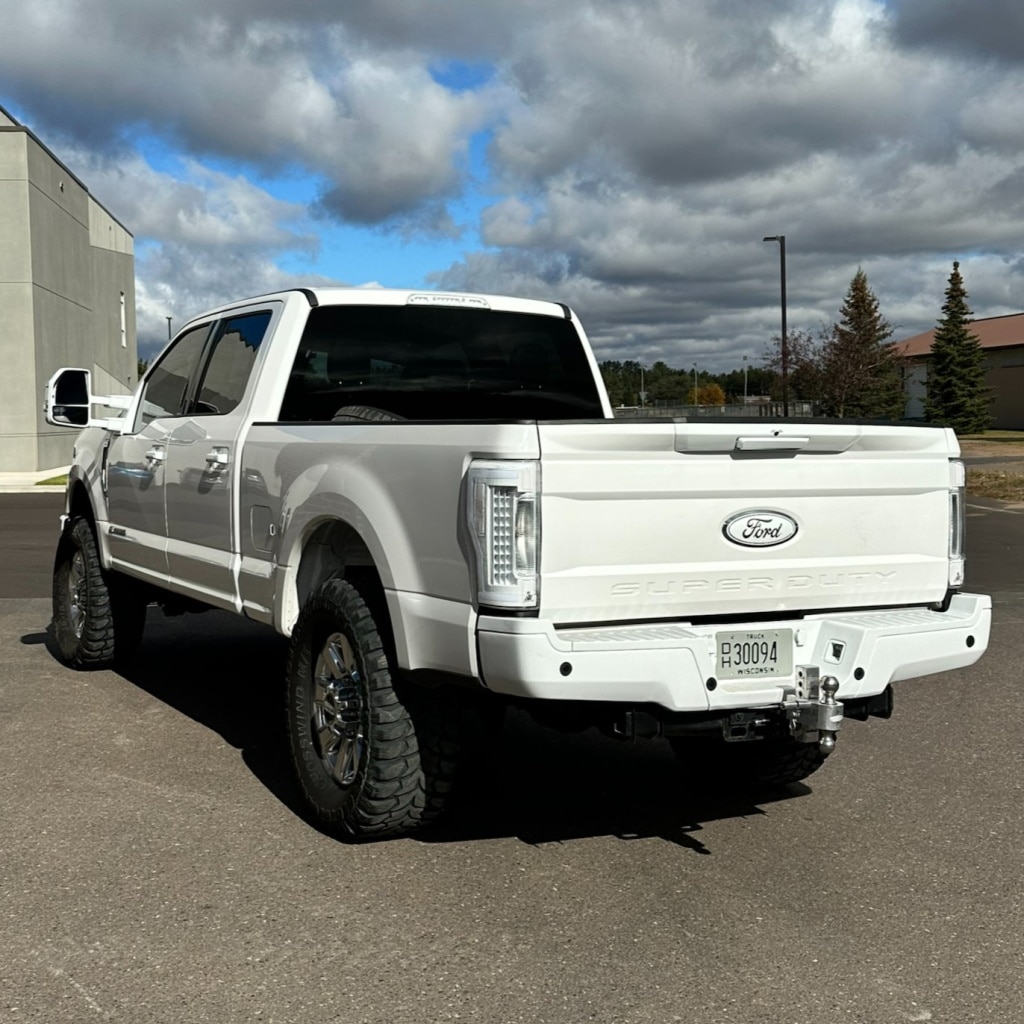
Model-Specific Paint Code Z1 Implementations and Configurations
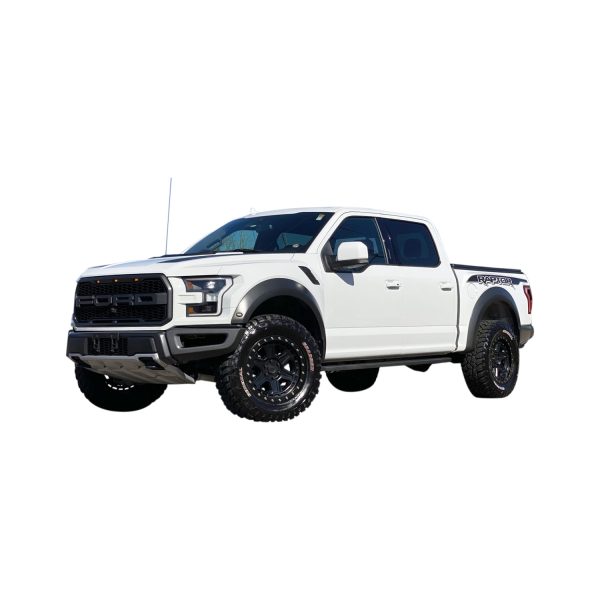
While paint code Z1 consistently denotes ‘Oxford White’, its availability as a factory option can fluctuate significantly across different Ford models, trim levels, and production years. For instance, on a base model Ford Focus or an F-150 XL work truck, Z1 is frequently a standard, no-cost color option, reflecting its utility and widespread appeal for utilitarian or fleet-oriented configurations. In contrast, higher trim levels like an F-150 Platinum or an Explorer Limited might default to more premium metallic or tri-coat white options, with Z1 being less common or sometimes a special order.
The paint code itself does not directly influence other factory specifications such as the engine option, transmission type, or maximum ratings (like towing capacity or payload). However, the specific trim level or package that includes Z1 as an available color might be tied to certain mechanical or aesthetic configurations. For example, a “Work Package” on an F-Series truck might implicitly include Z1 as a common exterior color. On a vehicle’s build sheet, Z1 will be listed as part of the exterior color specification, alongside other critical factory specifications that detail the vehicle’s unique manufacturing configuration.
Expert insights confirm that for best-selling models such as the F-150, Ranger, and Explorer, Z1 has consistently been a volume seller, particularly for those seeking a clean, classic aesthetic or a durable finish for demanding environments. Its non-metallic nature simplifies repairs and often results in lower touch-up costs compared to multi-stage metallic or pearl finishes. The continuity of Z1 across diverse models from the humble Transit Connect to the mighty F-Super Duty underscores its strategic importance in Ford’s lineup.
Often standard or common on XL/XLT trims for work and fleet vehicles.
Available across various trims, a popular choice for versatility.
Though less common than other whites, Z1 can be an option for a classic look.
A dominant color choice for Transit vans and E-Series due to cost-effectiveness.
Contextualizing Ford Paint Code Z1: Beyond the Code
Understanding Ford paint code Z1 is more than just knowing “Z1 means Oxford White.” It’s about recognizing its place within Ford’s broader paint palette and the vehicle identification ecosystem. The paint code is a crucial factory specification that helps differentiate your vehicle’s exterior finish from others, even if they appear similar. It’s distinct from the Vehicle Identification Number (VIN), which is a unique serial number for the entire vehicle, but the paint code is an integral part of the VIN’s decoded information.
Consider the landscape of Ford white paints: Z1 (‘Oxford White’) stands in contrast to other popular codes like UG (‘White Platinum Metallic Tri-Coat’) or AZ (‘Star White Metallic Tri-Coat’). These alternatives offer a multi-stage, pearlescent, or metallic effect, providing a deeper, more complex finish often at a premium cost. Z1, being a solid, non-metallic color, offers a crisp, uniform appearance without the sparkle of metallic flakes or the depth of a tri-coat. This simplicity often translates to easier color matching and repair by body shops and detailers, as the multi-stage paints require more intricate application to achieve a seamless blend.
When physical labels are damaged or missing, a vehicle’s build sheet – the document detailing all factory options and specifications – becomes the definitive source for the original paint code. Similarly, an official Ford service manual or dealer-level VIN decoder can accurately retrieve this information. For professionals in the automotive repair industry, these codes are indispensable, guiding the selection of correct paint formulas from suppliers to ensure a perfect match, which is critical for maintaining vehicle value and aesthetics.
Audible Premium Plus — Annual Membership
12 audiobook credits up front, plus the full Audible catalogue.
See Annual Plans As an Amazon Associate I earn from qualifying purchases.Factors Influencing Ford Paint Code Z1 Identification
Accurately identifying your vehicle’s paint code, even one as consistent as Z1, can be complicated by several factors. The most common challenge arises from the physical degradation or outright removal of the door jamb label. These labels, while durable, are exposed to elements, scuffs, and sometimes removed during accident repairs or for cosmetic reasons. Without this primary source, owners must rely on other methods, which can be less direct.
Furthermore, aftermarket repaints or custom paint jobs fundamentally change the exterior color. If a vehicle originally painted Z1 ‘Oxford White’ has been fully repainted a different shade, the original factory code becomes irrelevant for color matching the current finish. In such cases, professional assessment by a body shop using spectrometer readings is necessary to match the existing paint, rather than the factory specification. It’s also critical to distinguish between the factory paint code (like Z1) and a paint supplier’s specific formula. Z1 directs the paint manufacturer to produce ‘Oxford White,’ but the exact chemical formula will come from a paint brand (e.g., PPG, Sherwin-Williams) and will have its own alphanumeric code specific to that brand’s product line that cross-references with Ford’s Z1.
Another subtle but significant factor is UV exposure and environmental factors. Over years of sunlight and weather, any paint—even a robust solid like ‘Oxford White’—will experience some degree of fading or color shift. This phenomenon, known as metamerism, means that even with the correct Z1 code, a fresh patch of paint might appear slightly different from the aged original without careful blending. This is why professional body shops often blend new paint into adjacent panels to minimize visible differences, especially on older vehicles. Industry data shows that even for solid colors, slight color variance can occur in production batches, leading to a need for careful tinting by paint professionals.
Be cautious of codes that look similar to Z1 but are not. Sometimes, labels might have complex alphanumeric strings. Always look for “EXT PNT” or “PNT” followed by a 2-character code. Do not confuse other build codes (e.g., interior trim codes, axle codes) with the exterior paint code. A common pitfall is misinterpreting the letter ‘I’ for ‘1’ or ‘0’ for ‘O’ if the label print is faded or smudged.
Verifying Your Ford Paint Code Z1: A Step-by-Step Guide
Always cross-reference multiple sources to confirm your paint code. While the door jamb label is generally reliable, verifying with a VIN decoder or build sheet eliminates any doubt, especially for older or previously damaged vehicles.
Accurately identifying your Ford’s paint code Z1 is crucial for any repair or cosmetic work. Follow this step-by-step guide to locate and verify your vehicle’s specific code, covering all essential caveats and resources:
📋
Code Verification Steps
This is the most common location. Open the driver’s door and look for a sticker, usually white or silver, typically located on the B-pillar (the post between the front and rear doors) or the edge of the door itself. The paint code is a 2-character alphanumeric code, often labeled as “EXT PNT,” “PNT,” or simply “Paint.” For Oxford White, you are looking for Z1. For trucks, this label might also be inside the glove box or on the radiator support.
Your VIN is a 17-character code found on the driver’s side dashboard (visible through the windshield) or on the door jamb label itself. Input this VIN into a reputable online VIN decoder or contact a Ford dealership’s parts or service department. They can access the original build sheet for your vehicle, which lists all factory options, including the exact paint code, providing an authoritative verification.
Some Ford owner’s manuals include a section detailing vehicle specifications, which may list the original paint code. For more in-depth information, a factory service manual for your specific model year can provide comprehensive details. These resources, while less common to check first, serve as official documentation for verification.
If there’s any discrepancy or uncertainty, cross-referencing information from multiple sources is the best practice. For example, if your door jamb label is worn, use your VIN to confirm the Z1 code with a dealer. This multi-point verification ensures you have the correct paint code for accurate results.
Frequently Asked Questions About Ford Paint Code Z1
What does Ford paint code Z1 mean?
Ford paint code Z1 universally means ‘Oxford White’. It is a solid, non-metallic white paint color used across a vast range of Ford car, truck, and SUV models for several decades, from approximately 1986 through the current model years.
Where can I find the paint code on my Ford?
The primary location for your Ford paint code, including Z1, is on the driver’s side door jamb label (B-pillar). It’s typically a sticker that also lists the VIN and other vehicle specifications. The code is often found next to “EXT PNT” or “PNT.” For some older models, it might also be in the glove box or on the radiator support panel.
Is ‘Oxford White’ (Z1) a metallic paint?
No, ‘Oxford White’ (Z1) is a solid, non-metallic paint. This means it does not contain metallic flakes that give a shimmering effect, nor is it a multi-stage pearl or tri-coat finish. It offers a clean, pure white appearance.
How can I be sure my Z1 paint will match after a repair?
While Z1 consistently means ‘Oxford White’, factors like paint fade from UV exposure and minor batch variations over time can affect an exact match. For best results, use the correct Z1 code and consult a professional body shop. They can perform color tinting and blending to ensure a seamless repair that accounts for any aging of your vehicle’s existing paint.
Does paint code Z1 affect my vehicle’s performance or features?
No, the paint code Z1 itself (or any paint code) does not directly affect your vehicle’s performance, engine options, or mechanical features. It solely identifies the exterior color. However, certain trim levels or packages might include Z1 as a standard or preferred color option, which could indirectly relate to the features bundled within that specific trim.
Ford paint code Z1 consistently identifies ‘Oxford White’ across decades of models. Verification is crucial, primarily via the door jamb label, build sheet, or service manual. Understanding Z1’s context with other white shades and its relationship to factory specifications aids in accurate color matching and maintenance. Refer to the definitive chart and verification steps provided to accurately identify and confirm your Ford’s Z1 ‘Oxford White’ paint code for any automotive needs.
Frequently Asked Questions
What is Ford paint code Z1?
Ford paint code Z1 universally designates ‘Oxford White,’ a widely used solid, non-metallic white color. It has been a staple in Ford’s color palette for various models, including F-Series trucks, SUVs like the Explorer, and numerous passenger cars, maintaining its identification through many model years since the late 1980s.
Where can I find the paint code on my Ford vehicle?
The primary location for your Ford’s paint code is the driver’s side door jamb label, often called the ‘B-pillar sticker.’ It’s usually found near the VIN, tire pressure information, or gross vehicle weight ratings. Other reliable sources include the original build sheet, a factory service manual for your specific model, or in some cases, under the hood.
Does the VIN contain the paint code for Ford vehicles?
No, the Vehicle Identification Number (VIN) itself does not directly contain the paint code. While a VIN can be used by a Ford dealership or via specialized online VIN decoders to retrieve the original factory build sheet—which will list the paint code—the paint code is not encoded within the 17 characters of the VIN sequence itself.
Are all ‘Oxford White’ paints identical across all Ford models and years?
While ‘Oxford White’ (Z1) maintains its core hue, subtle variations can occur across different model years or production facilities due to manufacturing tolerances or slightly different material compositions. Environmental factors like UV exposure also cause slight fading over time. Always verify the code and potentially compare with existing paint for exact matching.
What if my door jamb label is missing or unreadable?
If your door jamb label is missing or illegible, you have several reliable alternatives. Consult your vehicle’s original build sheet, which provides all factory specifications. A Ford dealership can often retrieve this information using your VIN. Additionally, a comprehensive Ford service manual for your specific model and year may list applicable paint codes.
Full paint code guide: Ford Paint Code List & Colour Chart (1964–2026)