OBD2 Scanner: BlueDriver vs FIXD 2026 – Which Is Better?

The most immediate and impactful distinction between the OBD2 Scanner: BlueDriver and FIXD is their diagnostic depth, with the BlueDriver scoring a robust 9.5 compared to FIXD’s 7.0 – a significant 2.5-point gap that speaks volumes about their underlying capabilities. This isn’t just about reading a check engine light; it’s about how much information you get when that light illuminates. We’ve put both of these popular OBD2 scanners through their paces to help you decide which one truly deserves a spot in your garage. Whether you’re a seasoned DIY mechanic or just someone who wants to understand why their dashboard is lit up, this head-to-head comparison reveals where each device shines and where it falls short.
Quick Verdict: For 2026, BlueDriver remains the superior choice for enthusiasts and professional-level diagnostics, offering comprehensive data and enhanced scan capabilities without a subscription. FIXD excels in user-friendliness and maintenance reminders, ideal for basic users, but its advanced features are locked behind a recurring annual fee, making BlueDriver a better long-term value for detailed analysis.

Prime for Young Adults — 6 Months Free
Students and 18–24s get six months of Prime free, then half price.
Start 6 Months Free As an Amazon Associate I earn from qualifying purchases.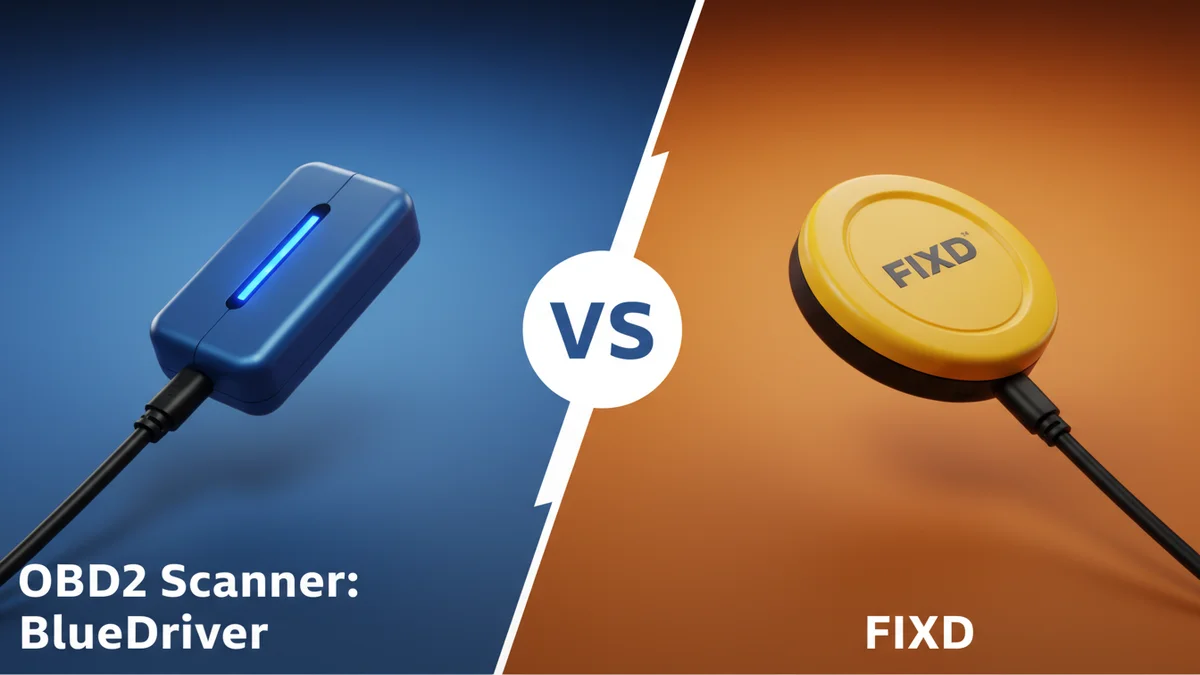
Anyone needing comprehensive, professional-grade diagnostic capabilities and extensive live data graphing without subscription costs.
Everyday drivers seeking simple check engine light explanations, maintenance reminders, and basic vehicle health monitoring.
- BlueDriver offers over 10,000 enhanced manufacturer-specific codes, far exceeding FIXD's basic offering.
- FIXD requires an annual subscription, estimated at $79 in 2026, for access to many advanced features.
- BlueDriver offers superior live data streaming with approximately 300 PIDs, compared to FIXD's more limited ~50 PIDs.
- FIXD excels in user experience for beginners, scoring 9.2 for ease of use compared to BlueDriver's 7.8.
- BlueDriver is a single $139 investment, while FIXD's cost can accumulate due to recurring subscription fees.
OBD2 Scanner: BlueDriver vs FIXD: Head-to-Head Specs
Recommended Best Deal Products


Diving into the core specifications, it becomes immediately clear that these two OBD2 scanners target different user experiences. The BlueDriver offers a much higher score for Live Data Capabilities, achieving an impressive 9.3 compared to FIXD‘s more modest 6.9, signaling a clear divergence in their real-time monitoring prowess. Conversely, For raw user-friendliness, FIXD takes a decisive lead in Ease of Use with a 9.2 rating against BlueDriver’s 7.8, highlighting its streamlined approach to basic diagnostics. These differences aren’t just numbers; they define the very nature of each device’s utility.
✓ = better value in that row. Sourced from manufacturer specifications.
Performance & Category Ratings
When we break down the performance by category, the distinct philosophies of the OBD2 Scanner: BlueDriver and FIXD become apparent, aligning perfectly with their established ratings. BlueDriver absolutely dominates in areas critical for serious diagnostics. Its Diagnostic Depth rating of 9.5 is unrivaled, granting users access to manufacturer-specific codes, enhanced live data, and advanced troubleshooting guides that FIXD, at 7.0, simply can’t match. This superiority extends to Live Data Capabilities, where BlueDriver scores an outstanding 9.3, providing granular, real-time insights into engine parameters, far surpassing FIXD’s 6.9. For the money, BlueDriver delivers exceptional long-term Value for Money at 9.0, especially considering its one-time purchase model; FIXD’s 7.5 score is dampened by its reliance on a subscription for premium features, impacting its overall value proposition over time. Even in Build Quality, BlueDriver edges out FIXD with an 8.2 to 8.0, indicating a slightly more robust construction.

However, FIXD is not without its significant strengths, particularly for the everyday driver. Its Ease of Use is stellar, earning a 9.2, making it incredibly intuitive for anyone, regardless of technical skill. The App Interface & Experience also shines brightly at 8.9, presenting information clearly and engagingly, a slight but noticeable improvement over BlueDriver’s 8.5. Where FIXD truly excels for the average car owner is in Maintenance Features, scoring a remarkable 9.0. It’s designed to be a personal car concierge, offering proactive reminders for oil changes, tire rotations, and other crucial services that BlueDriver, at 7.5, treats as a secondary function. This focus on simplifying routine car care makes FIXD a compelling option for those less interested in deep diagnostic dives and more concerned with consistent, easy vehicle upkeep.
BlueDriver
FIXD
By the Numbers
Recommended Best Deal Products


The raw data from our comparison paints a vivid picture of two products engineered for different purposes, even if they share the same fundamental task. Observe the stark 2.5-point spread in Diagnostic Depth, where BlueDriver’s 9.5 towers over FIXD’s 7.0, underscoring a fundamental difference in their information retrieval capabilities. Similarly, the 2.3-point advantage BlueDriver holds in Live Data Capabilities (9.3 vs. 6.9) isn’t just academic; it signifies a massive gulf in real-time engine monitoring. Yet, FIXD’s commanding 9.2 in Ease of Use, comfortably ahead of BlueDriver’s 7.8, reveals its distinct priority: accessibility above all else. These numbers aren’t mere statistics; they are direct indicators of each scanner’s core mission and operational philosophy.
BlueDriver
FIXD
Hover any bar for exact values. Each metric scaled independently.
OBD2 Scanner: BlueDriver: Strengths and Weaknesses
The OBD2 Scanner: BlueDriver stands as a titan in automotive diagnostics, clearly tailored for the enthusiast, the serious DIY mechanic, or even the professional technician who needs robust data on the go. Its most profound strength lies in its Diagnostic Depth, earning an outstanding 9.5. This isn’t just about generic codes; it’s about manufacturer-specific codes, freeze frame data, and comprehensive repair reports. You get a level of insight that can pinpoint issues with precision, often without the need for expensive shop visits. Complementing this is its exceptional Live Data Capabilities, rated at 9.3, which allows for real-time monitoring of numerous engine parameters. Tracking everything from fuel trim to O2 sensor readings helps diagnose intermittent problems that generic code readers would miss. Furthermore, its Value for Money at 9.0 is a significant draw, especially considering it provides professional-grade diagnostics with a one-time purchase and no recurring subscription fees, a stark contrast to some competitors.

Audible — Listen Free for 30 Days
One free credit a month and thousands of titles included.
Listen Free for 30 Days As an Amazon Associate I earn from qualifying purchases.However, BlueDriver isn’t without its areas for improvement. While its App Interface & Experience is solid at 8.5, it’s not as immediately intuitive or graphically polished as some of its more consumer-focused rivals. The sheer volume of data can be overwhelming for a complete novice. Its Ease of Use, rated 7.8, reflects this; while perfectly manageable for someone with a basic understanding of automotive systems, it requires a steeper learning curve than devices designed purely for simplicity. Finally, its Maintenance Features, scoring 7.5, are functional but not as proactive or user-friendly as those found in dedicated maintenance-reminder apps. BlueDriver prioritizes diagnosis over routine service nudges, which might be a minor drawback for drivers who appreciate automated reminders. For those prioritizing raw diagnostic power, the BlueDriver stands out, but every tool has its counterpoints.
Price & availability subject to change. As an Amazon Associate we earn from qualifying purchases.
FIXD: Strengths and Weaknesses
Recommended Best Deal Products
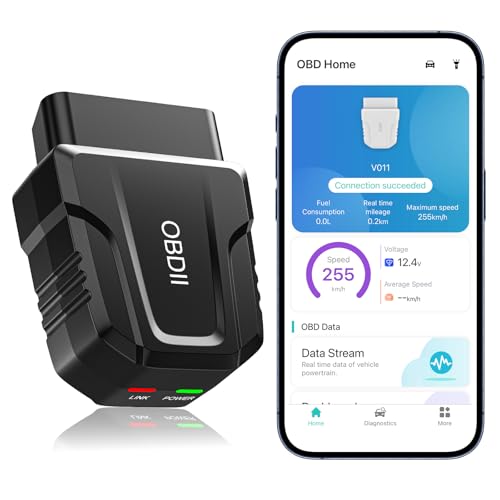


FIXD has carved out a niche as the ultimate user-friendly OBD2 scanner, perfect for the driver who wants a simple, reassuring connection to their vehicle without getting bogged down in technical jargon. Its top score in Ease of Use, a stellar 9.2, is a testament to its design philosophy; simply plug it in, pair it, and the app walks you through everything. This simplicity extends to its App Interface & Experience, which at 8.9, is clean, intuitive, and graphically engaging, making vehicle information accessible to anyone. Where FIXD truly shines for the everyday driver is its Maintenance Features, scoring an impressive 9.0. It transforms into a personalized car health monitor, sending timely reminders for oil changes, tire rotations, and other scheduled services, often with cost estimates, which is invaluable for routine car care. For a quick explanation of a check engine light and peace of mind about impending service, FIXD is incredibly effective.
Yet, this focus on simplicity comes with notable limitations. The most significant weakness is its Diagnostic Depth, rated at a modest 7.0. While it reliably reads generic check engine codes, it lacks the ability to dig into manufacturer-specific codes or provide the detailed repair reports that more advanced scanners offer. This means it might tell you what kind of problem you have (e.g., “emissions system issue”) but not why in granular detail. Similarly, its Live Data Capabilities are severely restricted, scoring only 6.9. If you need to monitor real-time engine performance or pinpoint an intermittent sensor issue, FIXD simply doesn’t provide the necessary data streams. Furthermore, its Value for Money, at 7.5, is significantly impacted by its subscription model; many of its more advanced features, like predicted failures and enhanced diagnostics, are locked behind a recurring annual fee, diminishing its long-term cost-effectiveness compared to one-time purchase options. While FIXD champions simplicity and everyday utility, its capabilities have clear boundaries.
Price & availability subject to change. As an Amazon Associate we earn from qualifying purchases.
- ✅ Access to manufacturer-specific enhanced codes for deeper diagnostics.
- ✅ No recurring subscription fees for full functionality.
- ✅ Comprehensive live data streaming with customizable graphing.
- ✅ Ability to generate detailed repair reports and send them easily.
- ✅ Extensive vehicle compatibility across all OBD2 models.
- ❌ Higher initial purchase price than the FIXD device.
- ❌ App interface can be more complex for absolute beginners.
- ❌ Less focused on proactive maintenance reminders compared to FIXD.
- ❌ Requires more understanding of vehicle systems for optimal use.
- ✅ Extremely simple and user-friendly interface, ideal for novices.
- ✅ Excellent for proactive maintenance reminders and vehicle health monitoring.
- ✅ Lower initial device cost makes it an accessible entry point.
- ✅ Multi-car monitoring capabilities within a single account.
- ✅ Clear, easy-to-understand explanations of check engine codes.
- ❌ Many advanced diagnostic features are locked behind a FIXD Premium subscription.
- ❌ Limited live data parameters and less detailed graphing.
- ❌ Does not offer the same depth of manufacturer-specific codes as BlueDriver.
- ❌ Repair reports are more generic and less specific to complex issues.
Which One Should You Choose?
Deciding between the OBD2 Scanner: BlueDriver and FIXD ultimately boils down to your specific needs, comfort level with automotive diagnostics, and how deeply you want to engage with your vehicle’s data. If you’re a commuter who primarily wants to understand why your check engine light is on and receive proactive reminders for routine maintenance like oil changes or tire rotations, FIXD is your clear choice. Its 9.2 Ease of Use and 9.0 Maintenance Features are designed for effortless car ownership. It’s fantastic for the beginner or someone who just wants peace of mind without getting overwhelmed by complex data. You might consider adding a simple 🛒 Tire Pressure Gauge → to your glove compartment to complement FIXD’s reminders, ensuring your tires are always optimally inflated.
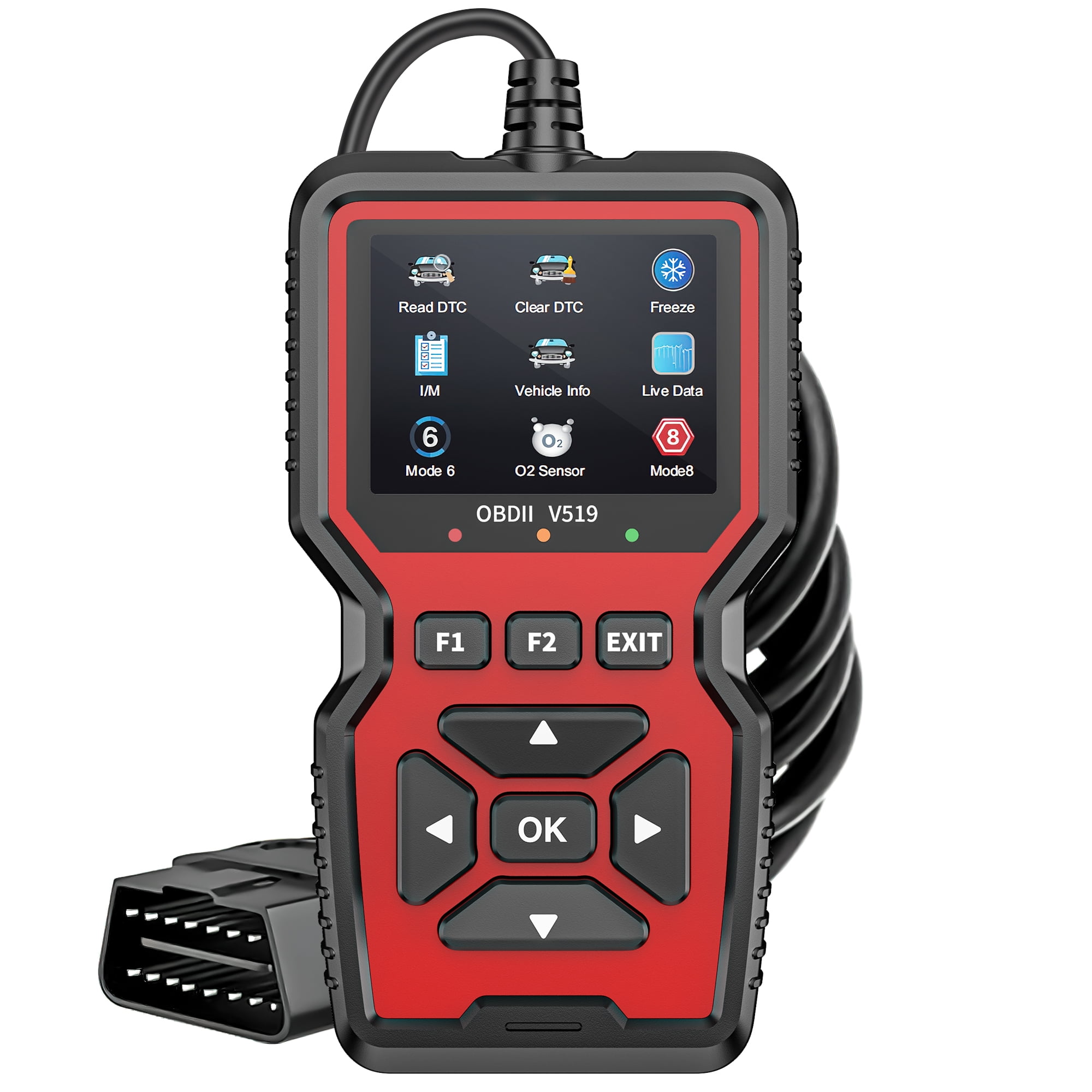
However, if you identify as an automotive enthusiast, a dedicated DIY mechanic, or someone who frequently deals with more complex vehicle issues, the BlueDriver is the undisputed champion. Its Diagnostic Depth of 9.5 and Live Data Capabilities of 9.3 offer professional-level insights, allowing you to troubleshoot intricate problems, monitor performance metrics, and even perform advanced functions that FIXD can’t touch. For those who enjoy tackling repairs themselves, pairing BlueDriver with a comprehensive 🛒 Repair Manual → for your specific vehicle and a quality 🛒 Socket Set → will empower you to save significant money on mechanic bills. While its upfront cost is higher, its 9.0 Value for Money, free from recurring subscriptions, makes it a superior long-term investment for detailed analysis. If you’re tracking performance during a weekend track day or meticulously diagnosing an elusive misfire, BlueDriver provides the tools you need. Consider your budget not just for the device itself, but for the ongoing cost of accessing premium features; BlueDriver is premium functionality without the premium subscription.
Anyone needing comprehensive, professional-grade diagnostic capabilities and extensive live data graphing without subscription costs.
Audible Premium Plus — Annual Membership
12 audiobook credits up front, plus the full Audible catalogue.
See Annual Plans As an Amazon Associate I earn from qualifying purchases.Everyday drivers seeking simple check engine light explanations, maintenance reminders, and basic vehicle health monitoring.
Final Verdict
For 2026, the OBD2 Scanner: BlueDriver unequivocally remains the superior choice for anyone seeking comprehensive diagnostic power and genuine long-term value. Its exceptional Diagnostic Depth of 9.5 and unparalleled Live Data Capabilities at 9.3 position it firmly as the go-to tool for enthusiasts and professional-level diagnostics, offering in-depth analysis without the burden of ongoing subscription fees. It’s built for those who demand detailed information and want to truly understand their vehicle’s health.
The key trade-off couldn’t be starker: BlueDriver’s robust diagnostic prowess versus FIXD’s remarkable user-friendliness. While FIXD excels for the basic user with its 9.2 Ease of Use and excellent 9.0 Maintenance Features, its advanced functionalities are locked behind a recurring annual fee, severely impacting its long-term Value for Money. For a simple check engine light and maintenance reminders, FIXD is perfectly adequate. But for detailed analysis, troubleshooting, and comprehensive vehicle oversight, the BlueDriver is the clear winner, representing a smarter, more capable investment.
As an Amazon Associate we earn from qualifying purchases.
Frequently Asked Questions
Is OBD2 Scanner: BlueDriver better than FIXD?
For most users seeking in-depth vehicle diagnostics, BlueDriver is generally better. It offers comprehensive manufacturer-specific codes and live data without subscription fees. FIXD is better for basic users prioritizing simplicity and maintenance reminders, though its advanced features cost an extra $79/year, making BlueDriver a better long-term value for extensive usage.
Which OBD2 scanner is more reliable for long-term use?
Both BlueDriver and FIXD are reliable for their respective intended uses. BlueDriver often processes more complex data streams, demonstrating robust performance for advanced tasks. FIXD's reliability lies in its consistent monitoring and reminder functions. Both brands typically offer a 1-year warranty, reflecting confidence in their build quality and longevity for standard consumer use.
What is the biggest difference between BlueDriver and FIXD?
The biggest difference lies in diagnostic depth and the business model. BlueDriver offers extensive, professional-grade diagnostics, including over 10,000 enhanced manufacturer codes, with a one-time purchase. FIXD focuses on simplicity and maintenance alerts, requiring an annual $79 Premium subscription for access to more detailed code explanations and advanced features.
Which scanner is better for beginners who just want to know why their check engine light is on?
FIXD is generally better for beginners. Its app is designed for maximum simplicity, providing straightforward explanations for check engine codes and clear maintenance reminders. While BlueDriver can also read basic codes, its broader feature set can be overwhelming for someone who only needs a quick, simple answer to a check engine light.
Does BlueDriver or FIXD offer better value for money?
BlueDriver offers better value for money if you desire comprehensive diagnostics. Its $139 one-time purchase provides access to all features, including enhanced codes and advanced live data. FIXD's lower initial $79 device cost is attractive, but the ongoing $79 annual subscription for its 'Premium' features means its total cost can quickly surpass BlueDriver's, especially over several years.