Best Ford F150 Engine for Longevity 2026 – Expert Tested & Ranked

Why Best Ford f150 Engine for Longevity Matters


Investing in a truck means demanding reliability under heavy loads, long road trips, and years of daily commuting. Selecting the best Ford F-150 engine for longevity ensures you avoid costly shop visits, timing component failures, and premature rebuilds. In this guide, you will learn which Ford powertrains have proven track records of surpassing 250,000 to 300,000 miles with basic scheduled maintenance.
#1. Ford 4.9L (300 CID) Inline-Six


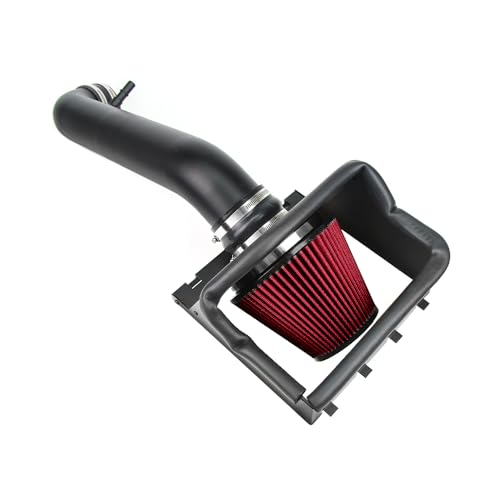
Widely regarded as one of the most indestructible internal combustion engines ever engineered, the 4.9-liter inline-six powered the F-150 from 1965 through 1996. Its cast-iron block and cylinder head paired with a gear-driven camshaft eliminate common failure points like timing chains or belts. If you value mechanical simplicity and farm-grade endurance above blistering horsepower, this legendary torque monster remains unmatched.


- Best for: Vintage truck enthusiasts and dedicated utility or farm work.
- Key highlight: Gear-driven timing assembly with zero chains or belts to stretch and fail.
- Why we recommend it: It operates at low RPMs, features heavy-duty cast-iron construction, and routinely crosses the 400,000-mile mark without major internal overhaul.
#2. Ford 5.0L Coyote V8 (Generation 2, 2015–2017)
The Coyote 5.0-liter V8 brings modern twin-independent variable cam timing (Ti-VCT) together with traditional naturally aspirated V8 reliability. The second-generation revision revised the valvetrain, intake manifold, and cylinder heads, curing the minor oil consumption quirks of earlier models while avoiding the cylinder-liner issues seen in later direct-injected variants. It offers you a sweet spot of 385 horsepower with long-term, stress-free operation.
- Best for: Drivers who want modern highway power paired with traditional naturally aspirated dependability.
- Key highlight: Proven port-fuel injection system that prevents intake valve carbon build-up.
- Why we recommend it: It avoids the complexity and heat cycling of turbochargers, delivering exceptional mechanical durability well past 250,000 miles with simple oil changes.
#3. Ford 4.6L 2-Valve Modular V8


Serving in the F-150 from 1997 through 2010, the 2-valve 4.6-liter Modular V8 is famous for powering commercial fleets, taxis, and police cruisers to astronomical mileages. Unlike its larger 5.4-liter 3-valve sibling, the 4.6L 2V avoided complex cam phaser dilemmas and fragile spark plug designs. It trades peak towing figures for bulletproof daily operation and affordable, readily available replacement parts.
- Best for: Budget-conscious buyers shopping the used market for an affordable, high-mileage daily driver.
- Key highlight: Understressed internal architecture designed for relentless fleet duty cycles.
- Why we recommend it: This engine has fewer moving valvetrain parts to fail, forgiving cooling margins, and a proven history of hitting 300,000 miles in municipal service.
#4. Ford 2.7L EcoBoost Nano V6 (Gen 2, 2018–Present)
While skeptics question turbocharged engines for longevity, the 2.7-liter Nano EcoBoost defies expectations thanks to diesel-inspired engineering. Ford built this engine with a compacted graphite iron (CGI) upper engine block—the same material used in the heavy-duty 6.7L Power Stroke diesel. The second-generation update added dual port- and direct-injection, effectively eliminating carbon build-up on the intake valves.
- Best for: Modern commuters wanting peak fuel economy and daily longevity in a modern F-150.
- Key highlight: Compacted graphite iron (CGI) block offering superior structural rigidity and thermal resistance.
- Why we recommend it: It is over-engineered from the block outward, with fractured-cap connecting rods and low internal friction designed specifically to withstand turbo boost long term.
#5. Ford 3.5L EcoBoost V6 (Generation 2, 2017–Present)
If you demand maximum half-ton towing capability without sacrificing durability, the second-generation 3.5-liter EcoBoost is your top choice. Ford overhauled this platform in 2017 by introducing a dual-injection fuel system, upgraded turbochargers with electronic wastegates, and a strengthened dual-chain timing drive. These targeted upgrades resolved the cam phaser wear and timing chain stretch that troubled the first-generation units.
- Best for: Heavy towing, hauling, and long-distance cross-country highway travel.
- Key highlight: Dual port and direct fuel injection paired with a revised, reinforced timing chain system.
- Why we recommend it: It gives you heavy-duty low-end torque without premature valve fouling, allowing owners who tow regularly to hit high mileage with confidence.
#6. Ford 3.7L Cyclone V6
The naturally aspirated 3.7-liter Duratec/Cyclone V6 served as the standard base engine for the F-150 from 2011 to 2014. Because it spent years powering commercial delivery vans and government fleet pickups, it was tuned specifically for high-hour durability rather than high output. Lacking turbochargers and utilizing a reliable chain drive, it handles severe duty with minimal fuss.
- Best for: Fleet operators, delivery drivers, and light-duty work truck applications.
- Key highlight: Simple naturally aspirated design with robust aluminum block and dual overhead cams.
- Why we recommend it: It is remarkably understressed, resists overheating, and regularly reaches 300,000 miles in high-idle fleet environments with standard fluid maintenance.
#7. Ford 5.4L 2-Valve Triton V8
Produced from 1997 through 2003 in the F-150, the early 2-valve Triton 5.4L delivers honest, low-RPM V8 torque. It should not be confused with the troublesome 2004–2010 3-valve version; the 2-valve iteration avoids the variable valve timing phasers and complex oiling channels that plagued its successor. As long as you maintain the factory spark plug torque specs, this iron-block workhorse will run for decades.
- Best for: Used truck shoppers seeking inexpensive, heavy-hauling muscle from the tenth-generation F-150.
- Key highlight: Sturdy cast-iron block with simple, fixed-timing overhead camshafts.
- Why we recommend it: It provides the torque needed for regular trailer pulling while bypassing the cam phaser and oil pressure failures of later modular V8s.
#8. Ford 3.3L Duratec V6
Serving as the base engine from 2018 to 2023, the 3.3-liter naturally aspirated V6 is an unsung hero of modern Ford reliability. Producing 290 horsepower, it features both port- and direct-injection alongside dual variable camshaft timing. Because it does not push forced induction through its cylinders, it runs with significantly lower internal cylinder pressures and cooler operating temperatures.
- Best for: Modern F-150 buyers wanting the lowest possible maintenance costs over a 15-year ownership period.
- Key highlight: Dual-injection architecture paired with a naturally aspirated combustion cycle.
- Why we recommend it: It combines modern fuel efficiency and emissions standards with the straightforward mechanical longevity of a non-turbo platform.
#9. Ford 5.8L (351 Windsor) V8
Found in ninth-generation F-150 trucks through 1996, the 5.8-liter Windsor is a hallmark of classic American pushrod design. With an exceptionally strong cast-iron block, short stroke, and simple single-cam pushrod valvetrain, there are very few components vulnerable to mechanical fatigue. It tolerates adverse working conditions, poor fuel quality, and missed service intervals better than modern electronic platforms.


- Best for: Classic truck enthusiasts looking for traditional American V8 muscle and DIY repairability.
- Key highlight: Classic pushrod design with thick iron cylinder walls and straightforward electronic fuel injection.
- Why we recommend it: Parts are inexpensive, diagnostics are straightforward, and the basic rotating assembly can withstand decades of hard labor without structural fatigue.
#10. Ford 5.0L (302 Windsor) V8
The 302 cubic-inch Windsor V8 powered millions of F-150s from 1969 up until its replacement by modular engines in 1997. Renowned for its balanced dimensions and bulletproof bottom end, this pushrod small-block easily achieves high mileage with basic hand-tool maintenance. Its widespread production means rebuild parts, gaskets, and accessories will remain available and inexpensive for the rest of your driving life.
- Best for: DIY mechanics who want a reliable, simple cruiser with unlimited parts availability.
- Key highlight: Proven small-block pushrod valvetrain with immense aftermarket support.
- Why we recommend it: Its low operating tolerances and rugged hydraulic roller cam setups (in later years) deliver exceptional longevity and effortless rebuildability.
How to Choose the Best Ford f150 Engine for Longevity
Choosing the best engine for your truck comes down to balancing mechanical complexity against your specific performance requirements. If you want a trouble-free modern truck, focus on naturally aspirated options like the Gen 2 Coyote 5.0L or base 3.3L V6 to minimize forced-induction stress. If heavy towing is non-negotiable, insist on second-generation EcoBoost powerplants (2017+) that utilize both port and direct fuel injection to safeguard against carbon accumulation. Above all, look for engines with documented oil change histories, as clean oil is the single most critical factor in preserving Ford’s timing chains and variable valve timing systems.
Final Thoughts
No matter which generation of Ford F-150 fits your budget, prioritizing an engine known for durable internal architecture guarantees you get maximum return on your truck investment. Pair any of these ten proven powerplants with rigorous, scheduled fluid changes, and your F-150 will reliably serve you for hundreds of thousands of miles.