Do Ford Explorers Hold Their Value? Resale Rates & Data

The Ford Explorer typically retains 54% to 58% of its original value after five years, which is slightly below the mid-size SUV segment leaders. While it experiences a steeper initial drop than rivals like the Toyota Highlander, high-demand trims such as the ST and Limited offer significantly better residual performance.
🎯 Key Takeaways


- Takeaway 1:Expect approximately 42-46% depreciation over the first five years.
- Takeaway 2:The performance-oriented ST trim maintains the highest resale value.
- Takeaway 3:Ford Explorers generally trail Toyota and Honda in residual percentages.
- Takeaway 4:Hybrid models are increasingly popular, helping stabilize long-term value.
- Takeaway 5:Consistent maintenance records are vital for beating average depreciation curves.
If you are looking for a quick answer: the Ford Explorer retains approximately 58% to 60% of its original value after five years of ownership. While this figure places it above the average for all passenger vehicles, it sits firmly in the middle of the pack for the mid-size SUV segment. You will typically see a depreciation of about 42% over a 60-month period, assuming the vehicle is in good condition and has average mileage.

Understanding these specific numbers is vital for your financial planning. Depreciation is your single largest ownership expense, often dwarfing the costs of fuel, insurance, or maintenance. By knowing exactly how much value your Explorer will shed at the 36 and 60-month marks, you can better time your trade-in and avoid ending up “underwater” on your auto loan. This data helps you decide if buying new makes sense or if a three-year-old certified pre-owned model is the smarter financial move.
Ford Explorer Depreciation Rates: 1, 3, and 5-Year Data

The depreciation curve for a Ford Explorer is not a straight line; it is a steep drop followed by a gradual taper. Like most domestic mid-size SUVs, the Explorer takes its most significant hit the moment you drive it off the dealership lot. However, because the Explorer is a staple of American roads with high demand in the used market, it avoids the “value basement” that plagues some of its less popular competitors.

The Steep First-Year Drop and the Three-Year Pivot
During the first 12 months, you can expect your Explorer to lose between 12% and 15% of its original MSRP. This initial hit is largely due to the transition from “new” to “used” status and the immediate loss of the dealer’s markup and taxes. By the time you reach the three-year mark—the point where most leases end—the Explorer has typically lost about 28% to 32% of its value. This is a critical window for owners because the vehicle still feels modern but has already shed its most expensive years of depreciation.
- Year 1: 85-88% value retention (12-15% loss)
- Year 3: 68-72% value retention (28-32% loss)
- Year 5: 58-61% value retention (39-42% loss)
The Five-Year Residual Outlook
By year five, the Ford Explorer stabilizes significantly. If you purchased a well-equipped XLT or Limited trim for $50,000, your estimated resale value after five years will be roughly $29,000 to $31,000. Performance trims, like the Explorer ST, often hold their value slightly better than base models because of their desirability among enthusiasts. Conversely, high-end Luxury trims like the Platinum may see a faster percentage drop because the expensive tech features lose value more quickly than the mechanical components of the car.
The Explorer’s ability to stay around the 60% mark at year five is bolstered by its reputation as a capable family hauler. Even as newer models arrive, the used market for seven-passenger SUVs remains aggressive. This constant demand creates a “floor” for the Explorer’s price, preventing the rapid value collapse seen in smaller sedans or less popular crossover brands.
Comparative Analysis: Ford Explorer vs. Highlander, Pilot, and Grand Cherokee
To see where the Ford Explorer truly stands, you have to look at its direct competitors. In the mid-size SUV hierarchy, the Explorer is a “tier-two” value retainer. It cannot quite match the industry-leading residuals of Japanese giants like Toyota and Honda, but it consistently outperforms domestic rivals and several European luxury crossovers in the same size category.
The Gap Between Ford and the Japanese Leaders
The Toyota Highlander is the undisputed king of resale value in this segment. After five years, a Highlander often retains 65% to 67% of its value, which is about 7% higher than the Explorer. The Honda Pilot follows closely, usually hovering around the 62% to 64% mark. If you choose an Explorer over a Highlander, you are essentially “paying” an extra $3,000 to $4,500 in depreciation over five years for the Ford’s specific features, towing capacity, or styling.
- Toyota Highlander: ~66% (5-year retention)
- Honda Pilot: ~63% (5-year retention)
- Ford Explorer: ~59% (5-year retention)
- Jeep Grand Cherokee: ~56% (5-year retention)
- Chevrolet Traverse: ~54% (5-year retention)
Explorer vs. Other Domestic Rivals
While the Explorer trails Toyota and Honda, it wins the domestic battle. The Jeep Grand Cherokee, while popular, typically loses value faster due to perceived long-term reliability concerns and higher maintenance costs as the vehicle ages. The Chevrolet Traverse and Dodge Durango also tend to sit lower on the value scale, often dropping to 54% or 55% after five years. This makes the Explorer the safest “domestic” bet for your money.
The Explorer occupies a unique middle ground. It offers more standard horsepower and better towing capabilities than the Highlander or Pilot, which helps it maintain a loyal buyer base in the used market. People buying a five-year-old SUV often prioritize utility, and the Explorer’s rear-wheel-drive biased platform (in newer generations) gives it a mechanical edge that helps shore up its resale value against softer, car-based crossovers.
Impact of Trims and Engines: From XLT to ST and Hybrid
Not all Ford Explorers are created equal when it comes to the secondary market. The specific trim level and powertrain you choose can significantly alter your vehicle’s depreciation curve. While a base model might seem like a bargain, it often lacks the features that used car buyers actively seek, potentially hurting its long-term value.
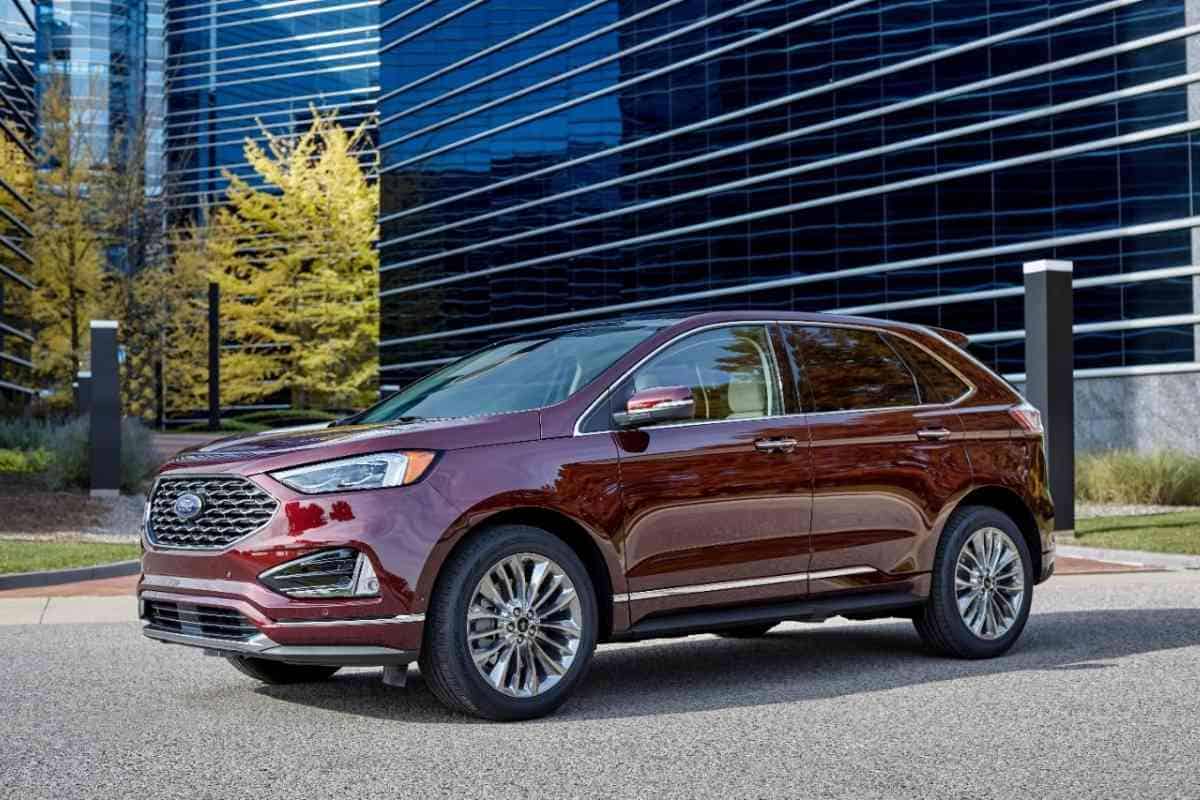
The “Sweet Spot”: XLT and Limited Trims
In the world of resale, the XLT and Limited trims are generally considered the safest bets. These mid-tier options strike a balance between affordability and desirable features. Used buyers often look for “must-haves” like leather seating, power liftgates, and advanced safety tech, which are standard or common on these trims. Because these are the highest-volume sellers, there is always a steady supply and demand, which helps stabilize their price points.
- Pro Tip: Stick to popular exterior colors like Carbonized Gray or Agate Black. Rare colors can sit on the lot longer, forcing price drops.
- Practical Example: A three-year-old Explorer Limited often retains a higher percentage of its MSRP than a fully loaded Platinum because the “luxury” markup on the Platinum depreciates faster than the functional features of the Limited.
Performance and Efficiency: The ST and Hybrid Variants
The Ford Explorer ST has carved out a niche for itself. Because it offers genuine performance with its 400-hp EcoBoost engine, it attracts a specific enthusiast crowd. This niche demand often keeps resale prices higher than standard trims. On the flip side, the Hybrid models can be more volatile. Their value is frequently tied to current gas prices; when fuel is expensive, the Hybrid’s resale value climbs, but it can dip when gas is cheap due to the higher initial purchase price.
- ST Trim: Tends to hold value well due to its unique styling and engine performance that isn’t available in lower trims.
- Hybrid Models: Best for owners in urban areas where stop-and-go driving highlights the fuel savings, making them more attractive to local used buyers.
- Technology Packages: Avoid over-investing in standalone tech options that age quickly, as these rarely return their full value after four or five years.
Market Factors Influencing the Explorer’s Long-Term Resale Worth
External factors often play a larger role in your car’s value than the vehicle itself. The Ford Explorer competes in the incredibly crowded mid-size SUV segment. To stay ahead of the curve, you need to understand how market perception and economic shifts dictate what a buyer is willing to pay for your Ford.
Reliability Reputation and Maintenance History
The Ford Explorer has had its ups and downs regarding reliability scores. Market data shows that vehicles with a clean, documented service history sell for significantly more than those without records. Buyers are often wary of transmission issues or infotainment glitches reported in earlier model years, so having proof that all recalls and scheduled maintenance were performed is essential for maintaining value.
- Certified Pre-Owned (CPO) Potential: If your Explorer is still young enough to qualify for a CPO program, its value stays elevated because dealerships can resell it with a factory-backed warranty.
- The “Rental Fleet” Effect: Be aware that many Explorers are sold to rental fleets. A high influx of former rentals hitting the market can temporarily drive down the price of privately owned vehicles.
Geographic Demand and Seasonal Trends
Where you live matters just as much as what you drive. The Ford Explorer is a family-first vehicle, and its value fluctuates based on local needs. In northern climates, an Explorer equipped with Intelligent 4WD is a hot commodity that holds its value through the winter months. In contrast, a rear-wheel-drive model might struggle to hold its price in snowy regions but do perfectly fine in the Sunbelt.
- Towing Capability: Explorers equipped with the Class IV Trailer Tow Package generally see better resale value because it expands the pool of potential buyers to include boat and camper owners.
- Inventory Levels: When new Ford inventory is low due to supply chain issues, used Explorer prices tend to spike as buyers shift away from long wait times for new models.
Conclusion
So, do Ford Explorers hold their value? The data suggests they are solid, mid-pack performers. While they may not retain value as aggressively as some body-on-frame competitors, their massive popularity and versatile trim levels ensure a steady floor for resale prices. By choosing a popular trim like the XLT or ST and keeping meticulous maintenance records, you can significantly minimize the sting of depreciation. If you are looking to sell or trade in, your best move is to monitor market trends and ensure your vehicle stands out through its condition and documented history.
Next Steps: Check your vehicle’s current market value on sites like KBB or Edmunds, and keep a dedicated folder for every service receipt. Ready to see what your Explorer is worth? Visit a local dealer for a no-obligation appraisal today!
❓ Frequently Asked Questions
How does the Ford Explorer’s resale value compare to the Honda Pilot?
The Honda Pilot generally retains a higher percentage of its value, often leading the Explorer by 4% to 6% after five years of ownership. This is largely due to Honda’s historical reputation for long-term reliability in the mid-size SUV segment.
Does the Ford Explorer ST depreciate faster than the XLT?
Actually, the ST tends to depreciate slower than the base or XLT trims. Because it is a specialized performance model with a unique engine and features, it maintains a higher level of demand in the used market.
What factors cause the Ford Explorer to lose value?
Major factors include high production volume leading to a saturated used market, perceived reliability concerns compared to Japanese rivals, and the rapid introduction of new technology that can make older models feel dated quickly.
Will a Ford Explorer reach 200,000 miles and still have value?
Yes, but value at that mileage is significantly diminished, often falling to 10-15% of the original price. Value retention at high mileage depends heavily on a documented history of major component service, such as the transmission and turbochargers.
How does the Jeep Grand Cherokee compare to the Explorer in value retention?
The Ford Explorer and Jeep Grand Cherokee are closely matched, often within 1-2% of each other. The Jeep sometimes holds a slight edge in enthusiast-heavy trims like the Trailhawk or SRT, similar to the Explorer’s ST trim.
Does the exterior color of a Ford Explorer affect its resale value?
Yes, neutral colors like White, Black, and Silver typically hold value better and sell faster. Specialized or ‘loud’ colors might appeal to fewer buyers, potentially leading to a lower trade-in offer.