Comprehensive Analysis of the Ford Fiesta Tyre Pressure Monitoring System (TPMS)

The integration of Tyre Pressure Monitoring Systems (TPMS) into modern vehicle architectures represents a critical intersection of automotive safety, environmental regulation, and consumer maintenance. Within the Ford Fiesta platform, one of the highest-volume production models globally, the evolution of TPMS reflects broader industry trends, transitioning from rudimentary indirect calculations to sophisticated, direct radio-frequency telemetry. This document provides an exhaustive technical analysis of the Ford Fiesta TPMS, covering system architecture, diagnostic protocols, optimal pressure matrices, and regulatory implications.
The Regulatory Framework and Historical Context
Recommended Best Deal Products


The adoption of TPMS across the Ford Fiesta lineup was heavily catalyzed by stringent international legislation aimed at curbing greenhouse gas emissions and reducing road fatalities. Under-inflated tires severely compromise vehicle lateral stability, increase braking distances, and drastically elevate rolling resistance, which directly correlates to increased fuel consumption.

Prime for Young Adults — 6 Months Free
Students and 18–24s get six months of Prime free, then half price.
Start 6 Months Free As an Amazon Associate I earn from qualifying purchases.In the European Union, regulations mandated a phased introduction of active tire pressure monitoring. Following initial approvals in Brussels, all newly type-approved M1 class vehicles required TPMS by November 1, 2012, and all newly registered passenger cars were mandated to include the system by November 1, 2014, as outlined in(https://www.schradertpms.com/en-gb/company/press-room/tpms-legislation-overview-eu). Consequently, Ford Fiestas manufactured specifically for the European market underwent a hard transition to standardized TPMS hardware during this window.
In the United Kingdom, the Driver and Vehicle Standards Agency (DVSA) incorporated TPMS functionality into the mandatory annual MOT test. A malfunctioning system, indicated by a flashing or persistent dashboard warning light, or a lack of real-time pressure data, is categorised as a “Major” defect. This legal requirement strictly applies to passenger vehicles equipped with four or more wheels and registered on or after January 1, 2012. The classification of TPMS failures as “Major” defects creates a strict enforcement mechanism, compelling vehicle owners to maintain these active safety systems rather than ignoring the dashboard alerts.
Critical Diagnostic Inquiries
To address the highest-frequency technical challenges surrounding the Ford Fiesta tyre pressure sensor, the following subsections map the core operational phenomena faced by automotive technicians and vehicle owners.
What triggers the “Tyre Sensor Not Detected” warning message?
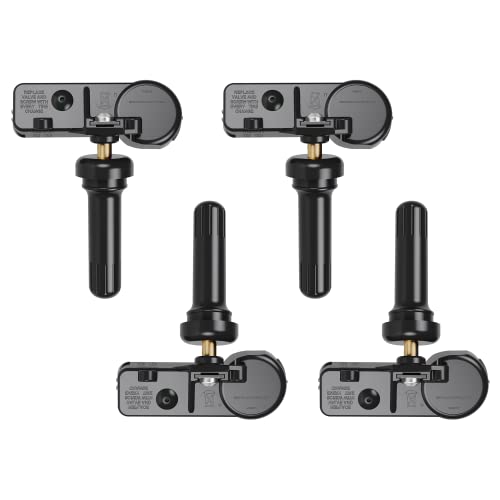
This specific instrument cluster message typically indicates a loss of radio frequency communication between a wheel-mounted sensor and the vehicle’s Body Control Module (BCM). This signal drop is almost exclusively caused by a depleted internal lithium-ion battery within the sensor unit. Because these batteries have a finite chemical lifespan of five to ten years, their failure interrupts the telemetry data stream, prompting the vehicle to alert the driver to the missing sensor array.
Is the Ford Fiesta equipped with Direct or Indirect TPMS?
The vast majority of modern Ford Fiestas, particularly those manufactured post-2013, utilise Direct TPMS. This architecture employs physical pressure and temperature transducers permanently mounted inside each tire. Conversely, older generations or specific regional variants prior to hard legislative mandates temporarily utilised Indirect TPMS, which relied entirely on existing Anti-lock Braking System (ABS) wheel speed data to estimate tire deflation through rotational geometry.
How is the TPMS recalibrated following tire replacement?
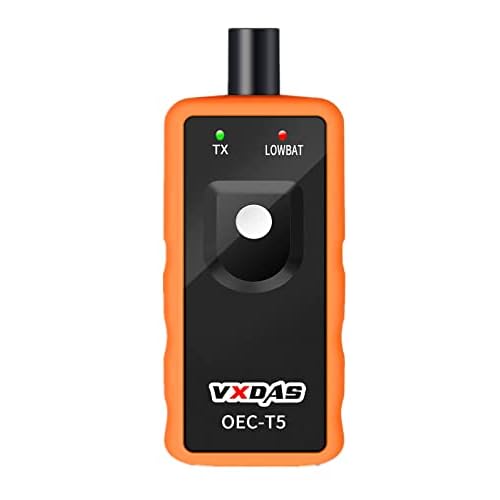
Depending on the specific generation and trim level, the Ford Fiesta system utilizes different relearn protocols. The system can occasionally self-learn via continuous driving above 20 miles per hour for several minutes, or it may require a manual trigger navigated through the central dashboard screen. For the integration of completely new sensors, technicians must utilize a specialized 125 kHz activation tool, such as the EL-50448, combined with a highly specific ignition-cycling sequence to successfully pair the new sensor hex-code IDs to the BCM.
Can individual TPMS sensor batteries be replaced independently?
Replacing just the internal battery of a Ford Fiesta TPMS sensor is structurally unfeasible. The 3-volt lithium-ion or nickel-metal hydride batteries, alongside the delicate printed circuit boards, are permanently sealed within a hard potting compound. This resin protects the microelectronics against moisture, thermal shock, and extreme centrifugal forces. Attempting to excavate this compound mechanically destroys the internal components, necessitating the replacement of the entire sensor unit as a single assembly.
Architectural Divergence: Direct vs. Indirect Methodologies
Recommended Best Deal Products

The automotive industry has historically utilized two distinct methodologies for monitoring tire pressure. Identifying which system architecture is active on a specific Ford Fiesta is the foundational step for proper diagnostics and maintenance.
Indirect systems (iTPMS) operate entirely within the vehicle’s software logic, utilizing the existing ABS and Electronic Stability Control (ESC) wheel speed sensors. The core physical principle dictates that an under-inflated tire will possess a marginally smaller rolling circumference than a properly inflated one, causing it to rotate faster over a given distance. The vehicle’s electronic control unit continuously monitors these rotational discrepancies to extrapolate a pressure loss. While this approach benefits from lower unsprung mass and zero consumable batteries inside the wheel, it is inherently reactive and significantly less precise. If all four tires lose pressure symmetrically over time, which is a common environmental phenomenon, the system cannot detect a rotational variance and will fail to trigger an alert. Furthermore, indirect technology requires meticulous manual recalibration by the driver every time air is added or tires are rotated, a task that consumer research indicates up to 69% of drivers fail to perform.

Audible — Listen Free for 30 Days
One free credit a month and thousands of titles included.
Listen Free for 30 Days As an Amazon Associate I earn from qualifying purchases.Direct systems (dTPMS) represent the current standard for the Ford Fiesta platform. This architecture relies on discrete, battery-powered telemetry modules integrated directly into the valve stems of each wheel. These sensors actively measure both the pneumatic pressure and the internal temperature of the tire casing, transmitting the data via ultra-high-frequency radio waves directly to the BCM. Direct TPMS provides real-time, absolute pressure values, capable of triggering an alert the moment a tire drops 20% to 25% below its specified cold placard pressure, regardless of whether the deflation is asymmetrical or symmetrical.
Visual Concept: System Architecture Comparison Matrix
(Chart Description: A comparison matrix detailing Direct vs. Indirect TPMS capabilities based on data source, transmission method, accuracy, and maintenance requirements.)
| Technical Metric | Direct TPMS (dTPMS) | Indirect TPMS (iTPMS) |
| Data Acquisition | Physical Valve-Mounted Transducer | ABS Wheel Speed Sensors |
| Data Transmission Method | Radio Frequency (433MHz / 315MHz) | Hardwired CAN Bus |
| Pneumatic Accuracy | High (Within 1 PSI) | Low (Mathematical Estimation) |
| Symmetrical Deflation Detection | Capable (Measures absolute pressure) | Incapable (Relies on speed delta) |
| Consumable Components | Internal Lithium Battery (7-10 yr life) | None |
| Driver Recalibration Required | No (Auto-learns or OBD reset tool) | Yes (Manual dash reset required) |
Optimal Pneumatic Specifications for the Ford Fiesta
The efficacy of any direct TPMS is entirely contingent upon the vehicle’s tires being inflated to the manufacturer’s specified baseline, commonly referred to as the placard pressure. Within the Ford Fiesta lineup, these recommendations fluctuate significantly based on engine weight distribution, such as the variance between the 1.0L EcoBoost and the 1.5L Duratorq, as well as wheel diameter, specific load conditions, and transmission type.
A pressure drop to 20 PSI is universally categorized as a critical deflation event, radically increasing the risk of a high-speed blowout due to excessive sidewall flex and rapid heat accumulation. Standard baseline pressures generally range from 32 to 36 PSI (2.2 to 2.5 Bar) for normal driving conditions. For absolute precision, technicians and owners must cross-reference these figures with the specific placard located on the driver’s side B-pillar door jamb or the internal face of the fuel filler flap, as detailed in Ford’s official tyre pressure guidelines.
The following data table reflects the standardized inflation metrics for modern Ford Fiesta configurations, highlighting the critical differences between normal commuting parameters and full-load scenarios when tires are cold.
| Tyre Specification | Front PSI / Bar (Normal) | Rear PSI / Bar (Normal) | Front PSI / Bar (Full Load) | Rear PSI / Bar (Full Load) |
| 175/65 R14 82T | 30 / 2.1 | 26 / 1.8 | 36 / 2.5 | 41 / 2.8 |
| 195/50 R15 82H | 33 / 2.3 | 26 / 1.8 | 38 / 2.6 | 41 / 2.8 |
| 195/55 R16 87V | 38 / 2.6 | 26 / 1.8 | 38 / 2.6 | 38 / 2.6 |
| 195/55 R16 91V XL All Season | 33 / 2.3 | 26 / 1.8 | 33 / 2.3 | 38 / 2.6 |
| 205/45 R17 88W XL All Season | 36 / 2.5 | 26 / 1.8 | 36 / 2.5 | 38 / 2.6 |
| 205/45 R17 88V XL Summer | 36 / 2.5 | 30 / 2.1 | 36 / 2.5 | 42 / 2.9 |
| 205/40 R18 86W XL (ST Models) | 36 / 2.5 | 26 / 1.8 | 38 / 2.6 | 41 / 2.8 |
Diagnostics, System Faults, and Battery Lifecycle
Recommended Best Deal Products


When a Ford Fiesta TPMS registers a localized fault, the vehicle’s instrument cluster illuminates a standardized icon featuring a cross-section of a tire containing an exclamation mark. Analyzing the exact behavior of this light provides immediate, first-level diagnostic logic regarding the nature of the mechanical or electrical failure.
A solid, unblinking illumination invariably indicates an actual pneumatic loss in one or more tires. The BCM has successfully received data from the sensors confirming the internal pressure has dropped below the lower programmed control limit, which typically triggers at 20% to 25% below the placard value. Conversely, a flashing illumination that persists for 60 to 90 seconds upon vehicle startup before turning solid signifies a hardware or communication malfunction within the TPMS network itself. This specific sequence is most frequently accompanied by the instrument cluster text display warning that a tyre pressure sensor is not detected.
When interrogating the Body Control Module via an OBD-II diagnostic scanner, technicians will frequently encounter specific alphanumeric fault codes. Diagnostic Trouble Code (DTC) C0077, defined as a low tire pressure subfault, denotes that the BCM is communicating perfectly with the wheel sensors, but one or more sensors are reporting critically low air pressure. This code typically clears automatically once the affected tire is inflated to the correct specification and the vehicle is driven. A more complex fault is represented by DTC B124D, which is specifically documented in Ford’s(https://static.nhtsa.gov/odi/tsbs/2023/MC-10239475-0001.pdf). This code indicates a deeper logic or hardware fault within the TPMS receiver or the Body Control Module itself, potentially requiring advanced software recalibration or total module replacement.
The primary catalyst for a flashing TPMS warning on vehicles older than five years is simple battery exhaustion. Direct TPMS sensors are powered by integrated 3-volt lithium-ion coin cell batteries, often an industrial equivalent to a standard CR2032. Because these delicate sensors must endure extreme centrifugal forces, drastic thermal cycling from the braking system, and constant moisture exposure, manufacturers encase the battery and the printed circuit board in a highly durable potting compound.
Audible Premium Plus — Annual Membership
12 audiobook credits up front, plus the full Audible catalogue.
See Annual Plans As an Amazon Associate I earn from qualifying purchases.Visual Concept: Sensor Lifespan Decay Curve
(Chart Description: A line chart illustrating the probability of sensor battery failure over time. The horizontal axis represents vehicle age in years from 0 to 12, while the vertical axis represents the statistical failure probability. The curve remains flat near 0% for the first four years, begins curving sharply upward at year 5, peaks aggressively at year 7 representing the average lifespan, and reaches a near 100% failure rate by year 10.)
Given that the four sensors in a vehicle share an identical duty cycle and environmental exposure, a failure in one unit serves as a leading indicator that the remaining three will suffer battery depletion shortly thereafter. The most economically sound strategy within the automotive repair industry is to replace all four sensors concurrently when fitting a new set of tires, thereby preventing repeated labor charges for dismounting and balancing the wheels.
Hardware Standardization, Sourcing, and Economic Considerations
The telemetry of tire pressure monitoring is governed by strict regional radio frequency regulations, which has led to a bifurcated supply chain for Ford Fiesta hardware. Vehicles manufactured for the European and United Kingdom markets exclusively communicate on a 433 MHz frequency band. Conversely, the North American market predominantly utilizes a 315 MHz frequency, though some overlap occurs depending on the specific global platform architecture. Attempting to program a 315 MHz sensor to a European-market Fiesta BCM tuned for 433 MHz will result in a total communication failure and a persistent dashboard error.
Ford frequently supersedes part numbers as hardware revisions are implemented across vehicle generations. Key original equipment manufacturer (OEM) sensor part numbers for the Fiesta platform include the EV6T-1A180-CB and EV6T-1A150-CB, which are highly common on Mk7 Fiestas. The F2GT-1A180-AB and F2GT-1A180-CB variants are often cross-compatible across modern Ford architectures, while the JX7Z-1A189-A represents a modern iteration utilized in newer crossovers and late-model Fiestas.
The financial burden of replacing TPMS sensors varies wildly based on component sourcing and labor rates. A franchised Ford dealership typically charges between £80 to £130 per sensor, inclusive of fitting and software programming, in the UK market , or between $246 and $368 in the US market for equivalent parts and labor. Alternatively, aftermarket sensors from reputable manufacturers such as Schrader, RIDEX, or HUF can be procured for £25 to £40 per unit. Independent tire fitters generally charge around £20 per wheel for the physical installation and rebalancing, which drastically reduces the total expenditure for the consumer.
Relearn, Calibration, and Reset Protocols
A critical point of confusion among consumers and novice technicians is the fundamental distinction between sensor programming and vehicle relearning. Blank aftermarket sensors must first be programmed via specialized hardware to mimic Ford’s specific telemetry data protocol. Once a sensor has the correct protocol loaded, or if an OEM pre-programmed sensor is utilized, the vehicle itself must be forced to relearn the unique hexadecimal IDs of the new sensors and accurately map them to their respective corner locations on the chassis.
For basic pressure adjustments or standard tire rotations where existing, functional sensors are simply moved to different corners, the Fiesta’s BCM can typically auto-learn the new baseline without external tools. For vehicles equipped with a central infotainment screen, the operator turns the ignition to the ‘On’ position and navigates via the steering wheel controls to the ‘Vehicle Settings’ menu, selecting ‘Tyre Monitoring’. Pressing and holding the ‘OK’ button until the prompt displays a reset confirmation initiates the process, requiring the vehicle to be driven above 20 mph for approximately two minutes to lock in the new telemetry. Vehicles with a basic dash screen follow a similar pathway, navigating to ‘Settings’, then ‘Information’, and selecting the ‘Tyre Pressure’ reset function.
For certain model years, the BCM can be placed into learning mode manually, utilizing rapid pneumatic pressure drops as the trigger mechanism instead of a radio frequency tool. This “Key-Dance” method involves turning the ignition on without starting the engine, and triggering the hazard lights on and off three times within ten seconds. The vehicle horn will honk once to signify it has entered learning mode. Starting exclusively at the front left tire, the technician releases air from the valve stem until the horn honks, signifying the BCM has received the pressure drop signal and registered that specific sensor’s ID. The process must proceed clockwise to the front right, rear right, and finally the rear left tire. After the final confirmation honk, the ignition can be switched off, and all tires must then be meticulously re-inflated to their precise placard pressures using an air compressor.
When installing brand new sensors, the pressure-drop method is often insufficient due to the sensors being in a dormant shipping state. An activation tool emitting a continuous 125 kHz wake-up signal, such as the EL-50448, is required to force the new sensors to broadcast their IDs. The vehicle is placed into training mode via a sequence of brake pedal depressions and ignition cycles until the dash displays a prompt to train the left front tire. The technician places the antenna of the activation tool against the rubber sidewall of the tire, perfectly parallel to the valve stem to avoid RF interference from the alloy rim, and transmits the signal until the horn sounds. This sequence is repeated for all four corners until the dashboard confirms the training is complete.
Advanced Telemetry Diagnostics and System Disablement
For highly technical diagnostics, independent mechanics frequently utilise FORScan, a specialized OBD-II software suite designed specifically for Ford, Mazda, Lincoln, and Mercury vehicle architectures. Paired with a high-speed multiplexing adapter, FORScan allows deep-level read and write access to the Fiesta’s Body Control Module and Instrument Panel Cluster.
While standard Ford Fiesta instrument clusters do not actively display real-time PSI figures for each wheel, the BCM is continuously processing this granular data. Using FORScan, technicians can view live data streams showing exact pneumatic pressure, internal tire temperature, and individual sensor battery voltages. This capability provides an invaluable diagnostic method for identifying precisely which wheel sensor has failed without the labor-intensive process of dismounting the tires from the rims.
Due to the cumulative cost of sensor replacement, a subset of vehicle owners seek to entirely disable the TPMS warning system via software modification. By loading the main central configuration parameters within FORScan, a user can locate the specific tire pressure monitoring variable and alter the hexadecimal code to instruct the module to operate without the monitoring system active. While this effectively extinguishes the dashboard warning light, modifying primary safety systems carries immense liability. In strict jurisdictions, deliberately blinding a mandated safety feature technically compromises the vehicle’s roadworthiness and insurance validity, even if the absence of a warning light allows the vehicle to temporarily pass an annual inspection.
Mastering the Ford Fiesta’s TPMS architecture requires a synthesis of mechanical execution and digital proficiency. It demands an understanding of radio frequencies, precise pneumatic baselines, and strict ignition-sequencing protocols. Ultimately, treating the TPMS sensors as standard, cyclical wear items by replacing all four units concurrently during routine tire replacements at the end of their lifecycle remains the most economically efficient and mechanically sound strategy to ensure long-term vehicle safety and regulatory compliance.