Code P1450 Ford Escape Ford Escape P1450 Fix Guide 2026

The P1450 code in your Ford Escape indicates EVAP system pressure is too high, preventing proper fuel tank ventilation. This often points to issues like a faulty purge valve, a loose gas cap, or a blocked charcoal canister, requiring specific diagnosis and repair to prevent further complications.
When your Ford Escape displays the code P1450, it specifically flags an issue within the Evaporative Emission Control (EVAP) system. This diagnostic trouble code means your vehicle’s computer has detected an unusually high pressure within this crucial system. Addressing this code is not just about turning off a light; it ensures your Escape operates efficiently and adheres to environmental standards.

Prime for Young Adults — 6 Months Free
Students and 18–24s get six months of Prime free, then half price.
Start 6 Months Free As an Amazon Associate I earn from qualifying purchases.This guide will walk you through understanding, diagnosing, and fixing the P1450 code in your Ford Escape for 2026 and beyond. You will learn the common causes and symptoms, providing clear steps for troubleshooting. Taking prompt action can prevent further complications and maintain your vehicle’s performance.
Key Takeaways
Recommended Best Deal Products



- P1450 means EVAP system pressure is too high.
- A loose gas cap is often the easiest fix.
- Purge valves are common P1450 culprits.
- Diagnosis involves visual checks and component testing.
- DIY repairs can save significant costs.
What Does Ford Escape P1450 Really Mean?

The P1450 code, officially known as “EVAP System Pressure Too High,” pinpoints a specific malfunction within your Ford Escape’s Evaporative Emission Control system. This system is vital for environmental protection and vehicle efficiency. It prevents gasoline vapors from escaping into the atmosphere.
Code’s Full Name
The full technical name for P1450 is “Unable to Bleed Up Fuel Tank Vacuum.” This more precisely describes the condition that triggers the code. It highlights a failure in the EVAP system’s ability to release excess pressure.
EVAP System Explored
Your Ford Escape’s EVAP system captures fuel vapors from the fuel tank. It stores these vapors in a charcoal canister. The system then purges them into the engine to be burned during normal operation. This process reduces harmful emissions and improves fuel economy. The system requires careful pressure regulation to function correctly.
Pressure Anomaly Defined
When the system reports “pressure too high” or “unable to bleed up fuel tank vacuum,” it means the pressure within the fuel tank has exceeded its normal operating limits. This often occurs because a vent or purge path is blocked. The fuel tank cannot properly equalize pressure with the outside atmosphere. Understanding the code’s meaning is crucial, but equally important is recognizing the signs it might present.
3 Unexpected Ford Escape P1450 Symptoms
Recommended Best Deal Products


While the illuminated Check Engine Light is the most overt sign of a P1450 code, your Ford Escape might exhibit other, less obvious symptoms indicating EVAP system distress. These clues can help you identify a problem even before scanning for codes. Sometimes, no noticeable symptoms exist beyond the Check Engine Light itself.
Check Engine Light
The primary and most common symptom is the illumination of the Check Engine Light (CEL) on your dashboard. This light indicates that the vehicle’s onboard diagnostic system has detected a fault. It triggers the P1450 code storage in the powertrain control module (PCM).
Fuel System Behavior
You might notice difficulty refueling your Escape. The gas pump nozzle may repeatedly click off before the tank is full. This happens because the EVAP system cannot properly vent fuel tank pressure. It creates a vacuum or excessive pressure buildup within the tank. Some drivers also report a slight fuel odor, particularly after driving. This suggests that fuel vapors are not being properly contained.
Driving Performance Clues
In rare cases, a severely compromised EVAP system might lead to subtle changes in driving performance. This could include a rough idle or slight hesitation during acceleration. These symptoms are less common and typically occur when the fault impacts engine vacuum directly. These symptoms often point to underlying issues within the EVAP system, and pinpointing the exact cause is the next crucial step.

Audible — Listen Free for 30 Days
One free credit a month and thousands of titles included.
Listen Free for 30 Days As an Amazon Associate I earn from qualifying purchases.7 Most Common Ford Escape P1450 Causes
Several components within your Ford Escape’s EVAP system can trigger a P1450 code. A handful are significantly more common culprits. Understanding these will guide your diagnostic efforts.
Loose Fuel Cap
This is the simplest and often overlooked cause. A loose, damaged, or incorrect fuel cap prevents the EVAP system from sealing properly. It allows air to enter or pressure to escape, disrupting the system’s ability to maintain vacuum. Always check your gas cap first.
Faulty Purge Valve
The purge valve, also known as the purge solenoid, controls the flow of fuel vapors from the charcoal canister to the engine. If this valve becomes stuck open, it can create a vacuum leak. If it gets stuck closed, it can prevent proper venting and cause excessive pressure to build in the tank. A common part number might be something like a CX-2384 for many Ford models.
Charcoal Canister Problems
The charcoal canister stores fuel vapors. If it becomes saturated with liquid fuel (e.g., from overfilling the tank) or is physically damaged, it can block the proper flow of vapors. A blocked canister leads to pressure buildup.
EVAP Hose Leaks
The EVAP system relies on a network of hoses and vacuum lines. Any cracks, breaks, or loose connections in these hoses can create leaks. These leaks disrupt the system’s vacuum and pressure balance. Rodent damage can also be a factor here.
Vent Valve Issues
The EVAP vent valve, or vent solenoid, controls the air intake into the canister during the purge cycle and allows the system to vent to the atmosphere. If this valve is stuck closed, it prevents the tank from breathing properly. This can cause high pressure when refueling or driving. Common Ford vent valves are often found near the charcoal canister.
Fuel Tank Pressure Sensor
The fuel tank pressure (FTP) sensor monitors the pressure or vacuum level within the fuel tank. A faulty FTP sensor might send incorrect readings to the PCM. This could trigger a P1450 code even if no actual pressure issue exists. This is less common but still possible.
Wiring Damage
Corroded or damaged wiring and connectors related to any EVAP system component can cause intermittent or constant P1450 codes. A frayed wire or a loose connection can interrupt sensor signals or solenoid operation. Identifying these potential causes is the first step; next, we will guide you through systematically diagnosing which component is actually at fault.
How to Diagnose Ford Escape P1450 in 5 Steps
Recommended Best Deal Products

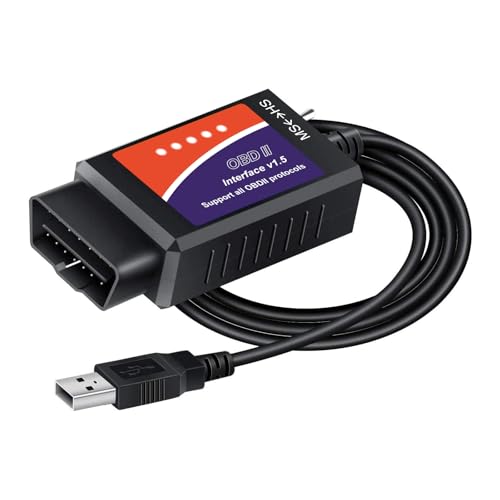
Diagnosing your Ford Escape’s P1450 code involves a systematic approach, allowing you to narrow down the problem effectively. You can often pinpoint the issue with basic tools and careful observation. Always ensure your vehicle is on level ground and cool before beginning any inspection.
Scan for Codes
Begin by connecting an OBD-II scanner to your Ford Escape’s diagnostic port. Confirm that P1450 is the only active code. Also, check for any pending or historical codes that might offer additional clues. Reviewing “freeze frame” data can show you engine conditions when the code was set.
Audible Premium Plus — Annual Membership
12 audiobook credits up front, plus the full Audible catalogue.
See Annual Plans As an Amazon Associate I earn from qualifying purchases.Inspect Fuel Cap
Start with the simplest potential culprit. Ensure your fuel cap is properly tightened. Remove it and visually inspect the rubber seal for any cracks, tears, or debris. A damaged or worn seal needs replacement. Sometimes, just replacing an old gas cap can resolve the P1450 code.
Test Purge Valve
Locate the EVAP purge valve (often on the intake manifold). Disconnect the vacuum line from the engine side. Start the engine and listen for a noticeable vacuum at the purge valve port; there should be none at idle. You can also use a hand-held vacuum pump to test if it holds vacuum when commanded closed. Apply 12 volts and ground to the valve’s electrical connector; it should click open.
Examine EVAP Hoses
Visually inspect all visible EVAP hoses running from the fuel tank, canister, and engine bay. Look for cracks, kinks, chafing, or loose connections. Pay close attention to areas where hoses might rub against other components. Use a flashlight in dimly lit areas for a thorough check.
Consider Smoke Test
If initial inspections and tests don’t reveal the source, a smoke test might be necessary. This involves injecting smoke into the EVAP system. Any leaks, even tiny ones, will become visible as smoke escapes. This test often requires specialized equipment and might be best performed by a professional mechanic. Once you’ve successfully identified the root cause through diagnosis, implementing the correct fix becomes straightforward.
How to Fix Ford Escape P1450 Effectively
Fixing the P1450 code on your Ford Escape can often be a straightforward DIY task, depending on the identified cause. Always double-check your diagnosis before purchasing parts and beginning repairs. Ensure the battery is disconnected before working on electrical components for safety.
Replace Gas Cap
If your diagnosis points to a faulty fuel cap, replacement is simple. Purchase a new, genuine Ford fuel cap or a high-quality aftermarket equivalent designed for your Escape model year 2026. This is an easy DIY fix. Always ensure it clicks into place securely.
Service Purge Valve
Replacing the EVAP purge valve is a moderate DIY task. It typically involves disconnecting a few electrical connectors and vacuum lines, then unbolting the valve from its mounting bracket. Be careful not to damage other lines. Reconnect everything firmly and clear the code.
Repair EVAP Lines
If you found damaged EVAP hoses, repair them by replacing the affected sections. Use appropriate fuel-resistant vacuum hose of the correct diameter. Secure connections with hose clamps if necessary. Ensure all connections are tight and leak-free. This is usually an easy to moderate DIY job.
Address Canister Issues
If the charcoal canister is damaged or saturated, it will need replacement. This is a more involved DIY repair, as the canister is often located near the fuel tank. This may require dropping the tank or accessing it from underneath the vehicle. Consider professional help for this advanced task.
Check Vent Solenoid
Replacing the EVAP vent solenoid (often located near the canister) is typically a moderate DIY task. It involves disconnecting electrical and hose connections, then unbolting the old solenoid. Ensure the new solenoid is properly seated and sealed. Clear the code after replacement and perform a drive cycle. With your Ford Escape repaired, you might wonder about the financial impact and how to prevent future EVAP system headaches.
How Much Does Ford Escape P1450 Repair Cost?
Understanding the potential costs involved with a P1450 repair can help you decide between a DIY approach and professional service. Prices can vary significantly based on the faulty component and labor rates in your area. Preventing future issues is also a smart strategy.
DIY Part Expenses
Replacing a gas cap is the most affordable fix, typically costing $15-$30 for a new Ford-specific part. An EVAP purge valve or vent solenoid can range from $50-$150. A new charcoal canister, which is a larger component, may cost $150-$400. EVAP hoses are generally inexpensive, often less than $30 for a length. These are only material costs for 2026.
Professional Service Fees
If you opt for professional repair, expect to pay for both parts and labor. Diagnostic fees usually start around $100-$200. Labor costs for replacing a purge valve might be $100-$300, depending on accessibility. A charcoal canister replacement could involve $200-$600 in labor due to its location. Total professional costs for a P1450 repair can range from $150 for a simple fix to over $800 for more complex component replacements in 2026.
Preventative Maintenance Tips
Preventing future EVAP system problems involves simple habits. Always ensure your gas cap is tightened until it clicks several times after refueling. Avoid overfilling your fuel tank, as this can saturate the charcoal canister with liquid fuel. Regularly inspect visible EVAP hoses for wear or damage. Proper maintenance helps keep your EVAP system functioning optimally.
Solving Your Ford Escape P1450 Code
Successfully addressing the P1450 code in your Ford Escape involves a clear understanding of its meaning and a methodical approach to diagnosis and repair. By following the steps outlined in this guide, you can confidently identify the root cause, whether it’s a simple gas cap issue or a more complex component failure. Early detection and timely repairs are key to maintaining your vehicle’s health and preventing more expensive problems down the road. Empower yourself with this knowledge to keep your Ford Escape running smoothly and efficiently for years to come.
Common Questions About Ford Escape P1450
Is P1450 a Serious Code for a Ford Escape?
The P1450 code itself is generally not critical for immediate driving safety, but it indicates an environmental emissions issue. Ignoring it can lead to failed emissions tests and potentially decreased fuel efficiency over time. It’s best to address it promptly.
Can a Bad Gas Cap Cause P1450 on a Ford Escape?
Yes, a loose, damaged, or incorrect gas cap is one of the most common causes for the P1450 code on a Ford Escape. It prevents the EVAP system from properly sealing, causing pressure imbalances. Always check and secure your gas cap first.
How Do I Reset the Check Engine Light After Fixing P1450?
After performing a repair, you can clear the P1450 code using an OBD-II scanner. Alternatively, the light may turn off on its own after several driving cycles if the problem is truly resolved. Perform a drive cycle to confirm the fix.
Can I Drive My Ford Escape With a P1450 Code?
While you can typically drive your Ford Escape with a P1450 code, it’s not recommended for extended periods. The primary issue is increased emissions and potential difficulty refueling. Long-term driving with this code can sometimes lead to related problems.
What Is the Purge Valve’s Role in Ford Escape EVAP System?
The purge valve in your Ford Escape controls the release of stored fuel vapors from the charcoal canister into the engine’s intake manifold. If it fails, typically by getting stuck open or closed, it disrupts the EVAP system’s pressure regulation and can trigger the P1450 code.