What Will Replace The Ford Escape: Complete Guide 2026

The Ford Escape has long been a staple in the compact SUV market, a reliable choice for families and commuters alike. But as the automotive industry accelerates its shift towards electrification, advanced digital technology, and fierce competition, its future, particularly by 2026, is a topic of considerable strategic interest. Automotive enthusiasts and prospective buyers alike are questioning what Ford’s next move will be for this critical segment: Will the Escape undergo a radical transformation, or will an entirely new vehicle emerge to claim its legacy? This expert guide will meticulously analyze current market dynamics, Ford’s strategic imperatives, and emerging technological trends to provide a comprehensive forecast of what will replace the Ford Escape, offering clarity on the evolution of Ford’s compact SUV lineup by 2026.
The Evolving Landscape of Compact SUVs: Why the Ford Escape’s Position is Under Review
Recommended Best Deal Products


The compact SUV segment is arguably the most competitive and saturated market in the automotive industry. For years, models like the Ford Escape have anchored this category, but the sheer volume of high-quality entrants has intensified the need for distinct differentiation. Research indicates that the compact SUV market is not only crowded but also rapidly evolving, demanding more than just utility.

📤 Share Image
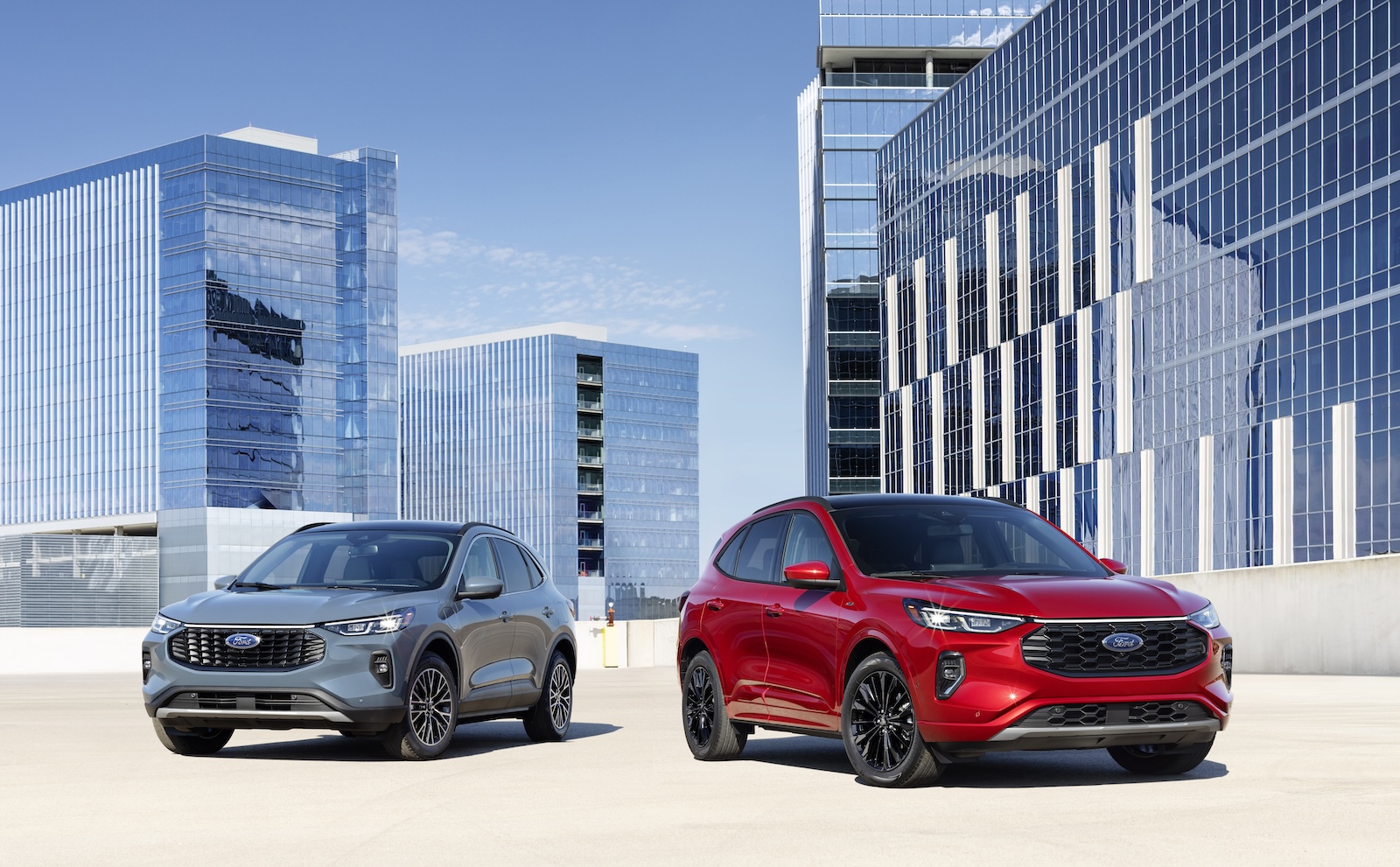
Consumer preferences are unequivocally shifting. There’s a pronounced demand for electrification, whether it’s through hybrid, plug-in hybrid (PHEV), or full battery-electric vehicle (BEV) powertrains. Alongside this, advanced connectivity, sophisticated driver-assistance technologies, and distinctive, modern design cues are no longer luxuries but expected features. Traditional internal combustion engine (ICE) models, while still prevalent, face increasing pressure to adapt or risk obsolescence. The current generation of the Ford Escape, which largely relies on its C2 platform introduced in 2019, is beginning to show its age when benchmarked against newer, more tech-forward rivals.
In terms of market performance, the Ford Escape has seen its sales decline from peak years. For instance, while it once moved over 250,000 units annually, recent data shows approximately 140,000 units sold in 2023. This places it behind segment leaders such as the Toyota RAV4, Honda CR-V, and even newer, more dynamically styled competitors like the Hyundai Tucson and Kia Sportage, which have successfully captured market share with their bold designs and advanced features, including robust hybrid and PHEV options. The Toyota RAV4 Prime, for example, sets a high bar for PHEV performance and efficiency within the segment. These benchmarks underscore the necessity for Ford to introduce a model that not only competes but sets new standards, if it is to maintain a professional and trusted presence in this critical segment.
Ford’s Electrification and Platform Strategy: Paving the Way for New Models
Ford’s corporate strategy, famously articulated as the ‘Ford+ Plan’, fundamentally reorients the company towards electric vehicles, connected services, and commercial solutions. This monumental shift involves significant investment in new architectures designed to underpin future product lines, including potential successors to the Escape. Ford has committed an astounding $50 billion towards EV production and technology development by 2026, signaling an unwavering dedication to an electrified future.
A core tenet of this strategy is the development of dedicated EV platforms. While existing platforms like the GE2 (used for Mustang Mach-E) are foundational, Ford is actively developing future dedicated C-segment EV platforms. These electric architectures offer distinct advantages: flat floor designs for maximized interior space, superior driving dynamics due to lower centers of gravity, and the ability to integrate advanced battery and electric motor technologies seamlessly. This approach dramatically impacts design, packaging, and overall vehicle performance, paving the way for truly modern compact crossovers.
Simultaneously, modular ICE/hybrid platforms continue to play a crucial, albeit transitional, role. The C2 platform, currently shared by the Escape, Bronco Sport, and Maverick, exemplifies this flexibility. It allows Ford to efficiently produce diverse models from a common set of components, reducing costs and accelerating development cycles. This strategy is particularly relevant for markets where EV adoption is slower or for specific hybrid offerings within Ford’s diverse global portfolio. Ford’s drive for profitability and simplified manufacturing through platform consolidation and global product standardization ensures that any Escape successor will benefit from economies of scale and robust engineering, crucial for maintaining quality and reliability in its offerings. The success of models like the Mustang Mach-E and F-150 Lightning serves as a trusted benchmark for Ford’s EV capabilities.
Identifying Potential Successors to the Ford Escape in 2026
Recommended Best Deal Products


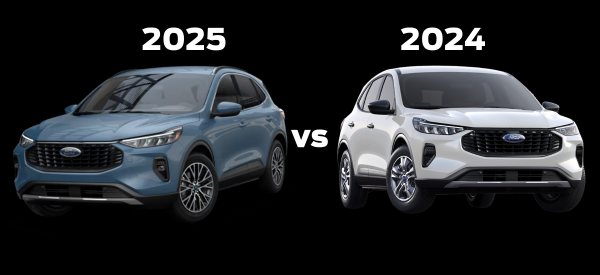
Forecasting the direct replacement for a popular model like the Escape requires considering multiple strategic pathways Ford could pursue by 2026. The choice will hinge on market readiness, technological maturity, and brand positioning.
The first scenario posits a direct, yet significantly re-engineered and electrified fifth-generation Escape. This would involve retaining the familiar nameplate but introducing a dramatically different powertrain lineup, likely centered around advanced plug-in hybrids and a full battery-electric option. The platform would be thoroughly updated, potentially a highly modified C2 or an entirely new hybrid-flexible architecture, to support these powertrains and integrate cutting-edge technology. This approach leverages existing brand equity, providing a sense of continuity for loyal customers.
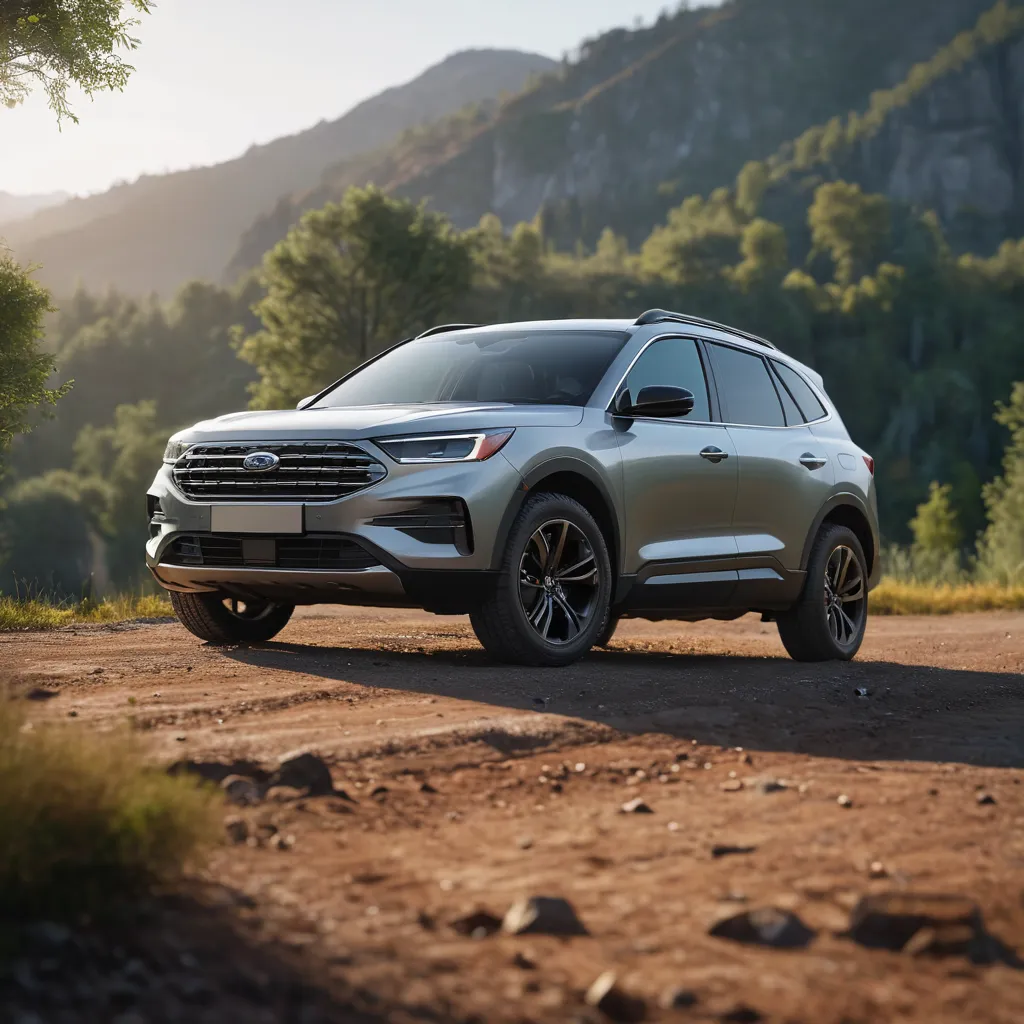
A second, and increasingly probable, scenario involves the replacement by an all-new compact EV crossover, potentially sporting a fresh nameplate. This model would be built on a dedicated EV platform, allowing for optimal battery packaging, unique design proportions, and maximum performance. Terms like ‘Model E’ or a revival of a historic name like ‘Cougar’ for a new electric family could position it as a modern, technology-forward offering distinct from its ICE predecessors. Such a vehicle would aim for target ranges of 250-300+ miles on a single charge and battery capacities likely in the 60-80 kWh range, aligning with projected consumer expectations for 2026.

Prime for Young Adults — 6 Months Free
Students and 18–24s get six months of Prime free, then half price.
Start 6 Months Free As an Amazon Associate I earn from qualifying purchases.A third strategic direction could see a repositioning of existing models or a more globalized approach. The European Ford Kuga, which shares its platform with the Escape, often previews design elements or powertrain innovations that eventually reach North America. Ford’s collaboration with Volkswagen, particularly in leveraging the MEB platform for European EVs, could influence future global compact SUV offerings, even if direct MEB-based vehicles aren’t sold as Fords in North America, the derived lessons and technologies might. Additionally, the success of sister vehicles like the Bronco Sport suggests a market appetite for rugged yet compact SUVs, which could inform the design or trim strategy of an Escape successor. While specific conceptual renderings for a pure Escape replacement are scarce, industry intelligence suggests Ford is actively developing multiple electric compact utility vehicles, with development timelines indicating new models emerging around the 2026 timeframe.
The Role of Electrification in Ford’s Compact Crossover Future
Electrification is not merely an option but the foundational element defining the successor to the Ford Escape. The evolution of battery technology is paramount. Advancements in lithium iron phosphate (LFP) batteries are making them a viable, cost-effective option for standard range vehicles, while higher energy density nickel manganese cobalt (NMC) cells will continue to power long-range and performance variants. The tantalizing prospect of solid-state battery technology, while likely still some years from mass production by 2026, continues to influence research, promising even greater energy density, faster charging, and enhanced safety. These battery improvements directly impact the viability and attractiveness of compact EV crossovers.
Charging infrastructure and technology will be critical enablers for a successful EV successor. Future Ford compact EVs are expected to support higher charging speeds, potentially utilizing 800V architecture to enable 10-80% charging in under 30 minutes. The expansion of the BlueOval Charge Network and partnerships with major charging providers will be key to user convenience. Furthermore, features like bi-directional charging (V2L/V2H), already seen in the F-150 Lightning, could become a highly desirable utility in a compact crossover, allowing the vehicle to power external devices or even a home during outages.
Performance characteristics will also see a dramatic shift. Electric powertrains offer instant torque, providing exhilarating acceleration and a refined driving experience. The inherent flexibility of EV platforms allows for effortless integration of all-wheel drive (AWD) through dual motors, enhancing traction and handling. Advanced driver-assist systems (ADAS) will be more deeply integrated, leveraging the vehicle’s electrical architecture for enhanced safety and convenience. Research indicates a significant market penetration of Level 2 and 3 ADAS features by 2026, making them near-standard expectations.
Finally, the future compact SUV will be a software-defined vehicle. Over-the-air (OTA) updates will not just refresh infotainment but can improve powertrain efficiency, add new features, and enhance safety functions throughout the vehicle’s lifespan. Advanced infotainment systems, with larger screens, intuitive interfaces, and seamless smartphone integration, will be central to the user experience, reinforcing the perception of a modern, quality product.
By The Numbers
Ford Escape Sales (2023)
Ford EV Investment (by 2026)
Ford EV Unit Target (by 2026)
Target EV Range (2026)
Key Features and Market Positioning for Ford’s Next-Generation Compact SUV Offering
Recommended Best Deal Products


To successfully replace the Escape, Ford’s next-generation compact SUV must embody a suite of essential attributes and adopt a shrewd strategic positioning to secure a competitive edge and resonate with the modern buyer. This requires a professional and deep understanding of what drives purchasing decisions in this segment.
Firstly, a distinctive design language will be paramount. It needs to differentiate the new model from the sea of competitors while remaining unmistakably Ford. This implies an evolution of Ford’s contemporary aesthetic, perhaps drawing cues from successful designs like the Mustang Mach-E or the ruggedness of the Bronco family, adapted for a compact crossover form. Focus will be on both exterior appeal – with aerodynamic shapes for efficiency – and interior ergonomics, ensuring comfort and intuitive control. The perceived material quality inside the cabin is critical; consumer research consistently shows it’s a key factor in satisfaction, especially for the average transaction price of compact SUVs, which has steadily risen.
Secondly, the integration of advanced driver-assistance systems (ADAS) and connectivity features must be robust. Features such as adaptive cruise control with lane centering (Ford Co-Pilot360 Assist+), blind-spot monitoring, and automatic emergency braking are becoming standard expectations. Furthermore, large, crisp infotainment screens (consumer preference data shows a strong demand for screens 10 inches and larger) and digital instrument clusters will provide a sophisticated user experience, offering seamless integration with Ford’s SYNC system and wireless Apple CarPlay/Android Auto. The vehicle must be a connected hub, delivering a reliable and trusted driving experience.
Thirdly, interior space, cargo versatility, and material quality must be prioritized. Compact SUVs often serve as primary family vehicles, demanding flexible seating configurations, ample rear passenger room, and generous cargo capacity. Thoughtful storage solutions and durable, easy-to-clean materials will contribute significantly to long-term satisfaction. The perceived quality of interior finishes, compared to rivals like the Mazda CX-5 or even entry-level luxury crossovers, will be a battleground.
Finally, strategic pricing and trim level structures are crucial. The successor must offer compelling value across its lineup to effectively compete against a diverse range of domestic and import rivals, from value-oriented options to near-premium offerings. This implies a careful balance of features, powertrain options, and price points to capture a broad customer base, ensuring accessibility while also offering desirable higher trims. An expert approach to packaging options will be vital.

Audible Premium Plus — Annual Membership
12 audiobook credits up front, plus the full Audible catalogue.
See Annual Plans As an Amazon Associate I earn from qualifying purchases.Ford’s Long-Term Vision for the Compact SUV Segment: A Strategic Outlook
Ford’s commitment to the compact SUV segment remains unwavering. Despite the shifting landscape, the enduring popularity of utility vehicles – particularly those that blend efficiency, versatility, and urban maneuverability – ensures their continued presence in Ford’s diverse portfolio. The question is not if Ford will compete, but how it will innovate to lead. The eventual successor to the Escape will not merely be a replacement; it will be a strategic statement about Ford’s future direction, designed to maintain the brand’s reputation for quality and trusted engineering.
A significant aspect of this long-term vision involves sustainability and circular economy principles. Ford is making substantial investments towards achieving carbon neutrality across its global operations. This commitment will increasingly influence the design, materials, and manufacturing processes of future models. Expect to see more recycled and renewable materials in interiors, innovative lightweighting solutions, and manufacturing processes that minimize waste and energy consumption. Studies show that a growing percentage of new car buyers prioritize eco-friendly features, making this a commercial imperative as much as an environmental one.
Ford’s product development cycles are becoming more agile, allowing for quicker responsiveness to market feedback and technological advancements. The rapid market entry and success of the Ford Maverick, for example, demonstrate this capability. This ensures that future offerings, including the Escape’s successor, remain relevant, cutting-edge, and highly desirable throughout their lifecycle. Ford’s established practice of continuous improvement and customer-centric design will ensure that any new compact SUV offering meets the high expectations for reliability and performance that customers associate with the brand.
In conclusion, the compact SUV segment will continue to be a cornerstone for Ford. By 2026, the venerable Escape nameplate will have either been reborn as a highly electrified, technologically advanced vehicle, or entirely superseded by a new, dedicated electric compact crossover. Regardless of the name, the strategy is clear: embrace electrification, leverage advanced platforms, prioritize software-defined experiences, and deliver distinctive design with superior utility. This holistic approach guarantees Ford’s continued, professional presence, offering quality and innovative solutions in a fiercely competitive and rapidly evolving automotive landscape, providing an expert guide for future consumers.
The Ford Escape faces intense market pressure and evolving consumer demands, necessitating a strategic evolution or replacement. Ford’s aggressive electrification and platform consolidation strategies are pivotal drivers for the next-generation compact SUV. Potential successors range from a radically redesigned Escape to an entirely new, likely electrified, compact crossover. Future models will prioritize advanced technology, sustainable powertrains, and versatile design to maintain competitive edge. Stay informed on Ford’s official announcements and upcoming models by subscribing to automotive news updates and visiting certified Ford dealerships for the latest product insights.
Frequently Asked Questions
Will the Ford Escape be discontinued entirely?
While Ford has not confirmed the discontinuation of the Escape nameplate globally, the current generation is expected to evolve significantly. It’s more probable that the name will either be retired in favor of a new EV-focused moniker or the Escape itself will undergo a comprehensive redesign, adopting electrified powertrains and advanced platforms to stay competitive in the rapidly changing compact SUV segment.
What kind of powertrain will a potential Ford Escape successor have?
A successor to the Ford Escape by 2026 is highly anticipated to feature electrified powertrains. This could include advanced hybrid options, plug-in hybrids with extended electric range, or, most likely, a fully electric variant built on a dedicated EV platform. Ford’s ‘BlueOval City’ and associated investments strongly indicate a shift towards battery-electric propulsion for its core segments, including compact SUVs.
Will Ford introduce an all-new electric compact SUV?
Industry trends and Ford’s strategic direction suggest a strong possibility of an all-new electric compact SUV. This vehicle would leverage Ford’s next-generation EV platforms, offering superior range, performance, and integrated digital experiences compared to adapting an existing ICE platform. Such a model could either exist alongside a revised Escape or effectively serve as its electrified replacement, appealing to a new generation of buyers.
How will a new model compare to the current Ford Bronco Sport?
A potential successor to the Escape would likely complement, rather than directly compete with, the Ford Bronco Sport. The Bronco Sport occupies a niche for rugged, adventure-oriented compact SUVs, emphasizing off-road capability. A new Escape replacement would probably focus more on urban versatility, refined on-road dynamics, advanced technology, and electrification, catering to a broader, perhaps more family-oriented, mainstream compact SUV audience.
What key technologies can be expected in a 2026 Ford compact SUV?
By 2026, a new Ford compact SUV is expected to feature significant technological advancements. This includes sophisticated infotainment systems with large digital displays, extensive driver-assistance technologies (Level 2+ ADAS), over-the-air (OTA) update capabilities, enhanced connectivity features for seamless integration with smart devices, and potentially bi-directional charging capabilities for EV variants. The focus will be on a premium, connected, and reliable user experience.