5 Signs of a Bad Wheel Cylinder: Is Your Car Safe to Drive?

Spongy brake pedals and visible fluid leaks on the inner tire or backing plate are the most common signs of a failing wheel cylinder. If left unaddressed, internal seal failure can lead to contaminated brake shoes and a total loss of braking pressure, severely compromising vehicle safety.
🎯 Key Takeaways
Recommended Best Deal Products


- Takeaway 1:Check for wet spots on the inner tire or brake backing plate.
- Takeaway 2:A spongy brake pedal often indicates air entering the hydraulic system.
- Takeaway 3:Pull back the rubber dust boots to check for hidden seepage.
- Takeaway 4:Low brake fluid levels in the reservoir suggest a potential cylinder leak.
- Takeaway 5:Contaminated brake shoes can cause the vehicle to pull during braking.
A failing wheel cylinder usually announces itself through two primary red flags: a puddle of oily fluid on your inner tire and a brake pedal that feels like you are stepping on a marshmallow. In a drum brake system, the wheel cylinder is the component that uses hydraulic pressure to push your brake shoes against the drum. When the internal seals fail, the brake fluid escapes, causing an immediate drop in pressure. This isn’t just a maintenance nuisance; it is a critical safety failure that directly increases your stopping distance and can lead to total brake loss.
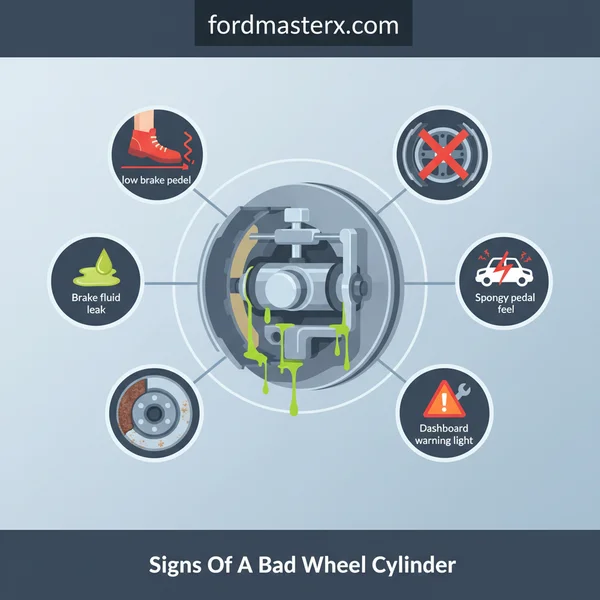
Staying ahead of a wheel cylinder failure is about observation and proactive inspection. Because these components are tucked away behind the brake drum, you might not see the leak until it becomes a major problem. However, checking for subtle signs like moisture around the backing plate or a slightly lower fluid level in your master cylinder reservoir can save you from a dangerous situation on the road. If you suspect your brakes are losing their “bite,” identifying the specific symptoms of a bad wheel cylinder is the first step toward keeping your vehicle safe.

Prime for Young Adults — 6 Months Free
Students and 18–24s get six months of Prime free, then half price.
Start 6 Months Free As an Amazon Associate I earn from qualifying purchases.Visual Indicators and Physical Symptoms of Failure
The most definitive proof of a bad wheel cylinder is the presence of brake fluid where it doesn’t belong. Unlike disc brakes, where the caliper is easily visible, wheel cylinders are enclosed within the drum. This means you have to look for secondary signs of leakage that manifest on the exterior of the wheel assembly. Brake fluid is a hydraulic oil that has a distinct, slightly sweet smell and a slippery, amber-colored consistency. Because it is highly corrosive, it will often strip paint or leave a “clean” trail through the road grime on your vehicle’s undercarriage.

Identifying Fluid Leaks on the Backing Plate and Tires
When a wheel cylinder seal fails, the fluid typically pools at the bottom of the brake drum and eventually seeps out. You should perform a visual walk-around of your vehicle and look specifically at the inner side of your rear tires. If the cylinder is leaking significantly, you will see a dark, damp stain on the inner sidewall of the tire. Here are the specific areas to check:
- The Brake Backing Plate: Look at the large metal plate behind the wheel. If the bottom half of the plate appears wet or greasy, the cylinder is likely leaking.
- The Inner Wheel Rim: Excessive brake fluid often flings onto the inside of the rim as the wheel spins, creating a thick, sticky coating of dust and oil.
- Ground Puddles: Look for small puddles directly under the rear wheels after the car has been parked overnight. Brake fluid will not evaporate like water.
The “Boot Test”: Checking for Internal Seepage
Sometimes a wheel cylinder is failing but hasn’t yet created a massive puddle. To catch a failure in the diagnostic phase, you need to perform a physical inspection of the rubber dust boots. These boots are located on both ends of the cylinder and are meant to keep dirt out, not keep fluid in. If you pull the drum off, use a small flathead screwdriver or your fingers to gently peel back the edge of the rubber boot.
Specific Indicators During Inspection:
1. Dryness: The area behind the boot should be bone dry. A slight film of moisture is acceptable, but any pooling liquid is a fail.
2. Active Drip: If fluid runs out when you lift the boot, the internal cup seals are compromised. The cylinder must be replaced immediately.
3. Contaminated Shoes: Look at the brake shoes nearby. If the friction material looks soaked or “glazed” with oil, the leak has already progressed to a dangerous level.
How a Leaking Wheel Cylinder Impacts Braking Performance
Recommended Best Deal Products


The hydraulic system in your car relies on a sealed environment to multiply the force of your foot into enough pressure to stop a two-ton vehicle. When a wheel cylinder leaks, it creates a “breach” in that sealed system. This doesn’t just result in lost fluid; it allows air to enter the lines. Because air is compressible and brake fluid is not, the presence of air bubbles destroys the mechanical link between your foot and the brake shoes.
The Spongy or Mushy Brake Pedal
A “spongy” pedal is the classic symptom of air in the hydraulic lines caused by a leaking cylinder. When you press the pedal, you might feel a lack of resistance for the first few inches of travel. In severe cases, the pedal may sink all the way to the floorboards before the brakes finally engage. This happens because the energy from your foot is being wasted compressing air bubbles and pushing fluid out of the leak rather than moving the brake shoes. If you find yourself “pumping” the brakes to get the car to stop, your wheel cylinder has likely reached a point of critical failure.
Unexplained Drops in Brake Fluid Levels
While it is normal for brake fluid levels to drop slightly as your brake pads or shoes wear down, a sudden or significant drop is almost always a sign of a leak. You should check your master cylinder reservoir under the hood regularly. If the level is at or below the “MIN” line, and you haven’t recently changed your brakes, the fluid is escaping somewhere.
- Pressure Loss: Even a pinhole leak in a wheel cylinder seal can cause a massive drop in system pressure under heavy braking.
- Warning Lights: Most modern vehicles have a “Brake” warning light on the dashboard. This light often triggers when the fluid level sensor detects a drop, serving as an early warning that a cylinder has failed.
- Consistent Monitoring: If you top off the fluid and it drops again within a week, you have a verified leak that requires an immediate teardown of the rear drums.
Diagnostic Differences: Wheel Cylinder vs. Brake Line Leaks
When you spot a puddle of amber fluid near your rear tires, your first instinct might be to panic. However, pinpointing the exact source is crucial for an accurate repair. While both wheel cylinders and brake lines can leak, they usually leave different “fingerprints” that help you identify the culprit before you even lift the car.
📤 Share
💾 Download
The Location of the Leak
The most telling sign of a wheel cylinder failure is internal leakage. Because the wheel cylinder is tucked inside the drum brake assembly, the fluid often saturates the brake shoes and the inside of the drum before it ever hits the ground. If you see fluid seeping from the bottom of the brake backing plate or dripping specifically from the center-bottom of the wheel, it is almost certainly the cylinder.

Audible — Listen Free for 30 Days
One free credit a month and thousands of titles included.
Listen Free for 30 Days As an Amazon Associate I earn from qualifying purchases.- Wheel Cylinder Leak: Fluid appears on the inner sidewall of the tire or drips from the lowest point of the brake backing plate.
- Brake Line Leak: Fluid usually sprays or drips from the flexible rubber hoses or the hard metal lines further up the chassis, often several inches away from the wheel itself.
- Consistency: Brake fluid is oily to the touch and has a distinct, slightly fishy or chemical smell, unlike thick gear oil or watery condensation.
Visual Indicators Behind the Dust Boot
If you have the wheels off for an inspection, you can look at the rubber dust boots on either end of the cylinder. These boots are designed to keep dirt out, not to hold high-pressure fluid in. If these boots look “swollen” or if fluid leaks out when you gently peel back the edge of the rubber, the internal seals have failed. A healthy cylinder should be completely dry underneath those protective covers.
Safety Risks and Consequences of Neglecting Wheel Cylinder Issues
Recommended Best Deal Products


Ignoring a failing wheel cylinder is not just a matter of dealing with a messy driveway; it is a significant safety hazard. Your braking system relies on sealed hydraulic pressure. Even a pinhole leak can compromise the entire system’s ability to stop your vehicle in an emergency.
The Danger of “Air in the Lines”
Where fluid can get out, air can get in. When a wheel cylinder seal fails, it often allows air bubbles to enter the brake lines. Unlike brake fluid, air is compressible. When you hit the brakes, the pressure goes into squeezing those air bubbles instead of pushing the pistons against the drum. This leads to a “spongy” pedal or, in extreme cases, a pedal that goes all the way to the floor with zero stopping power.
Contamination and Escalating Costs
A small leak today can lead to a massive repair bill tomorrow. Brake fluid is a powerful solvent. Once it leaks inside the drum, it quickly soaks into the porous friction material of your brake shoes. Once contaminated, brake shoes cannot be cleaned; they must be replaced. Furthermore, the loss of friction on one side of the car can cause “brake pull,” where the car swerves violently to one side during hard braking.
- Increased Stopping Distance: Reduced hydraulic pressure means your car takes significantly longer to come to a halt.
- Complete System Failure: If the fluid level in the master cylinder drops too low, you may lose braking power to more than just the leaking wheel.
- Corrosion: Brake fluid is highly corrosive to paint and other rubber components, causing secondary damage the longer it is left untreated.
Conclusion
A bad wheel cylinder is a problem that only gets worse with time. From the subtle mushiness of your brake pedal to the tell-tale puddles behind your rear tires, these signs are your car’s way of telling you that its primary safety system is failing. Because your brakes are the only thing standing between a safe stop and a dangerous collision, any sign of a leak or loss of pressure should be treated as an immediate priority.
If you’ve noticed any of the symptoms discussed today, the best next step is to perform a visual inspection of your rear wheels or have a trusted professional check your drum brake hardware. Don’t wait for the pedal to hit the floor—addressing a wheel cylinder issue early can save your brake shoes, your wallet, and potentially your life. Stay proactive, keep an eye on your fluid levels, and drive with peace of mind!
❓ Frequently Asked Questions
How do I tell the difference between a wheel cylinder leak and an axle seal leak?
Brake fluid is thin, clear-to-amber, and has a mild chemical smell, whereas axle gear oil is thick, dark, and has a very strong, pungent sulfur odor. Checking your brake fluid reservoir level can also confirm if the hydraulic system is losing fluid.
Can a bad wheel cylinder cause the brakes to lock up?
Yes, if the internal pistons become seized due to rust or corrosion, the brake shoes may remain pressed against the drum. This leads to excessive heat, a dragging sensation, and potentially a wheel that refuses to rotate freely.
What does it mean if there is fluid behind the dust boot but no external leak?
This is known as ‘seepage’ and indicates that the internal cup seals have failed. While the fluid hasn’t reached the ground yet, it is a definitive sign that the wheel cylinder is failing and must be replaced before a major leak occurs.
Why does my car pull to one side when I apply the brakes?
If a wheel cylinder leaks fluid onto the brake shoes, it creates an imbalance in friction. Your car will pull toward the side with the dry, functioning brakes because the contaminated side can no longer provide adequate stopping force.
Audible Premium Plus — Annual Membership
12 audiobook credits up front, plus the full Audible catalogue.
See Annual Plans As an Amazon Associate I earn from qualifying purchases.Will a failing wheel cylinder trigger the dashboard brake light?
Yes, if the leak is significant enough to drop the fluid level in the master cylinder reservoir, the low-fluid sensor will trigger the red brake warning light on your dashboard. You should stop the vehicle immediately if this light appears.
Does a rear wheel cylinder failure affect the front brakes?
While the front and rear systems are partially isolated for safety, a rear failure increases the workload on the front brakes. This results in significantly longer stopping distances and faster wear on your front pads and rotors.