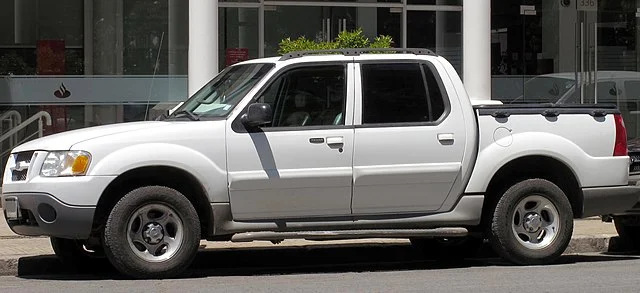
Ford Explorer Sport Trac Years To Avoid: Reliability And Mechanical Failure Analysis
The Ford Explorer Sport Trac carved a unique niche as a hybrid between a comfortable SUV and a versatile pickup, but not every model year lives up to its rugged promise. While its distinct utility appeal remains strong in the used market, potential buyers often find themselves navigating a minefield of transmission failures, timing chain rattles, and cooling issues that can turn a budget-friendly truck into a significant financial burden. This expert analysis will identify the specific Ford Explorer Sport Trac years to avoid, detailing the mechanical pitfalls and providing professional guidance on selecting the most reliable models available to ensure your investment remains on the road rather than in the shop.
Critical Analysis of the Most Problematic Ford Explorer Sport Trac Years

📤 Share Image
Navigating the history of the Ford Explorer Sport Trac requires a discerning eye for production cycles. The 2001 and 2002 model years represent the most significant risk for buyers due to first-generation production inconsistencies and transmission instability. As Ford attempted to blend the Explorer chassis with a pickup bed, the early engineering phase suffered from inadequate real-world testing. Statistical data from the NHTSA indicates a surge in power train complaints specifically for models produced between 2001 and 2003, with the 2002 model year earning a notorious reputation for premature transmission failure, often occurring well before the 100,000-mile mark.
The 2007 model year serves as the primary ‘avoid’ year for the second generation. Redesigns are traditionally vulnerable periods in automotive manufacturing, and the 2007 Sport Trac was no exception. It was plagued by teething issues common in complete platform transitions, including sophisticated electrical gremlins and cooling system vulnerabilities. While the 2007 model offered modernized aesthetics and a smoother ride thanks to its new frame, the mechanical “quality” simply was not present in the early batches.
By The Numbers: Reliability Data
Reported 2001-2002 Complaints
Safety Recalls for 2007 Models
Avg. Mileage for 2002 Failure
The NHTSA recall 00V423000 regarding suspension components specifically highlights the lack of durability in early production cycles. Buyers should be wary of any 2001-2002 unit that does not have extensive service records documenting a transmission replacement or a complete suspension overhaul. These early cycles failed to meet the trusted quality standards established by later iterations, such as the 2005 or 2010 models, which benefited from years of iterative refinement.

The 5R55 Transmission Failure and Other Drivetrain Vulnerabilities
The Achilles’ heel of the Ford Explorer Sport Trac is undoubtedly the 5R55 series automatic transmission—specifically the 5R55E (found in earlier V6 models) and the 5R55W/S variants. From a technical perspective, these units are prone to solenoid failure and internal gear slippage. The core issue lies in the valve body and the servo bores; over time, the aluminum bores wear down, leading to a loss of hydraulic pressure. This manifests as the dreaded ‘blinking O/D light’ syndrome, a signal that the transmission control module has detected a gear ratio error.
Drivers frequently report ‘hard shifting’ or a ‘shudder’ felt during torque converter lockup. In a common scenario, a driver might experience a total loss of reverse gear in a 2002 Sport Trac without any prior warning. This is often caused by a blown valve body gasket or a failed reverse servo—repairs that, while technically possible, often reveal enough internal debris to necessitate a complete rebuild.
Average transmission replacement costs for the Sport Trac range from $2,500 to $4,000. Given the current market value of early models, a transmission failure often exceeds the vehicle’s total worth, making it a “total loss” for the owner.
Furthermore, the cooling integration in early models was poorly optimized. The transmission fluid often overheats due to an undersized factory cooler, leading to the rapid breakdown of internal components and friction material. In 2007 models, the issues shifted toward the 4WD system. The 4WD control module frequently fails to communicate with the transfer case, leaving drivers stranded in two-wheel drive when they need traction the most. Professional mechanics generally advise against rebuilding these units unless using heavy-duty aftermarket shift kits designed to address the original Ford design flaws.

SOHC V6 Engine Reliability and Timing Chain Tensioner Defects
The 4.0L SOHC V6 engine, while providing adequate power for a mid-sized truck, carries a fatal flaw known in enthusiast circles as the ‘Death Rattle.’ This sound is the audible warning of failing plastic timing chain guides and tensioners. Found predominantly in 2001-2003 models, these plastic components become brittle over time and shatter. Once the guides fail, the timing chain slaps against the engine block, eventually causing the engine to jump time, leading to catastrophic internal damage.
The true “expert” nightmare is the design of the timing system itself. The 4.0L SOHC utilizes a rear-mounted timing chain for one of the cylinder banks. This means that a comprehensive repair requires pulling the entire engine out of the vehicle. A mechanic’s perspective on this is sobering: the labor time often exceeds 10 to 12 hours, making a proactive guide replacement prohibitively expensive. Most timing chain failures manifest between 120,000 and 150,000 miles if the vehicle has not been meticulously maintained with high-quality synthetic oil.
When inspecting a 2001-2005 V6 model, check the thermostat housing. The factory plastic units are notorious for developing hairline cracks, leading to sudden coolant loss and engine overheating. Replacing these with an aluminum aftermarket housing is a mandatory “day one” upgrade.
For those looking at the 2007-2008 V8 models, a different engine complication exists. The 4.6L 3-valve V8 used a unique two-piece spark plug design. These plugs have a tendency to seize and break off in the cylinder head during routine service. Removing a broken plug requires specialized extraction tools and significant patience. While later 2008 models received an updated head design to fix this, early 2007 V8 owners must approach spark plug changes with extreme caution and professional-grade penetrating lubricants.
Suspension, Chassis, and Interior Build Quality Concerns
Beyond the powertrain, the Ford Explorer Sport Trac suffers from specific chassis and interior flaws that impact its long-term viability. The 2001-2002 models are notorious for premature wear of ball joints and wheel bearings. In these early units, the frequency of ball joint replacement is roughly twice that of the 2005 models. This leads to wandering steering and uneven tire wear, which can compromise safety if not addressed promptly.
The interior quality also leaves much to be desired in first-generation models. Nearly 80% of first-generation Sport Tracs develop the infamous ‘Ford crack’—a vertical fracture in the plastic tailgate trim panel just below the rear window. While purely cosmetic, it signifies the lower-grade plastics used during that era. Additionally, electrical components like window regulators and power door lock actuators fail with frustrating regularity in the 2001-2004 production range.
Generation 2 Upgrades
The 2007 transition to Independent Rear Suspension (IRS) significantly improved ride quality and towing stability compared to the old solid axle.
Generation 2 Pitfalls
Early 2007 IRS systems suffered from alignment issues and bushing noise, specifically in the Adrenalin trims.
One critical expert insight involves the chassis: in regions with salted roads, the Sport Trac frame is susceptible to severe rust, particularly around the rear leaf spring hangers and the rocker panels. A professional inspection of the chassis is mandatory, as structural rot can be hidden behind the plastic body cladding that gives the Sport Trac its rugged look. Squeaking suspension over minor bumps is a common “tell” that the bushings have reached the end of their service life.
Reliable Alternatives: Best Years to Buy the Ford Explorer Sport Trac
If you are determined to own a Sport Trac, you must focus on the “golden years” of production. The 2004 and 2005 model years are widely considered the pinnacle of the first generation. By this time, Ford had rectified many of the mechanical bugs, and the transmission software was more refined. However, for the ultimate high-quality experience, the 2009 and 2010 models are the most professional recommendations. These years offer the 3-valve V8 paired with the much more reliable 6R80 six-speed transmission.
The 2010 model, in particular, has become a trusted collector’s item. It has less than 5% of the complaint volume compared to the 2002 models and features modernized safety equipment like electronic stability control and side-curtain airbags. When compared to contemporary rivals like the Honda Ridgeline or Toyota Tacoma, a 2010 Sport Trac Adrenalin offers a unique blend of American V8 power and truck utility that is hard to match.
📋
Professional Pre-Purchase Inspection Guide
Pull the dipstick (if equipped) or check for leaks. Dark, burnt-smelling fluid is an immediate red flag for 5R55 units.
Listen to the front and rear of the engine on a cold start. Any rattling or metallic “marbles in a can” sound indicates failing guides.
Shift between 2H, 4H, and 4L on a loose surface. Ensure the module engages without excessive clunking or flashing lights.
In summary, the Ford Explorer Sport Trac is a vehicle of extremes. While the early years were plagued by significant engineering oversights and drivetrain vulnerabilities, the final years of production represent some of the best mid-sized trucks Ford ever produced. By avoiding the 2001, 2002, and 2007 models, you sidestep the most expensive mechanical failures and set yourself up for a dependable ownership experience. Always perform a professional inspection of the timing chain and cooling system before finalizing any Sport Trac purchase. If you are currently shopping for a used truck, prioritize late-model second-generation units from 2009 and 2010 to ensure your investment is a sound one.
Frequently Asked Questions
What is the most common problem with the Ford Explorer Sport Trac?
The most frequent issue, particularly in the 2001-2002 and 2007 models, is transmission failure. The 5R55 series transmissions are known for solenoid malfunctions, slipping gears, and total failure often before 100,000 miles. Owners frequently report a blinking ‘Overdrive’ light as the first warning sign of significant internal damage.
How many miles can a Ford Explorer Sport Trac last?
With professional-grade maintenance, a Sport Trac can exceed 200,000 miles. However, this longevity depends heavily on the model year. Late-generation models (2009-2010) are more likely to reach high mileage without catastrophic engine or transmission failure compared to early first-generation units which often require major rebuilds much earlier.
Is the 2007 Ford Explorer Sport Trac reliable?
Generally, no. The 2007 model year was the first of the second generation and is widely considered a ‘year to avoid.’ It suffered from numerous teething issues, including radiator leaks, transmission hesitation, and spark plug breakage in the V8 engines. For better reliability, buyers should look toward the 2009 or 2010 versions.
Which engine is better: the 4.0L V6 or the 4.6L V8?
The 4.6L V8, especially in the 2009-2010 models, is considered the superior choice for reliability and power. While the 4.0L V6 is a workhorse, its early iterations were plagued by timing chain guide failures. The V8 offers better towing capacity and, when paired with the 6-speed automatic, a much more trusted drivetrain.
Why did Ford stop making the Sport Trac?
Ford discontinued the Sport Trac after the 2010 model year as part of a broader restructuring. The company shifted its focus toward the redesigned 2011 Explorer, which moved to a car-based unibody platform. The Sport Trac’s niche was eventually filled by the return of the Ford Ranger and the introduction of the Maverick.