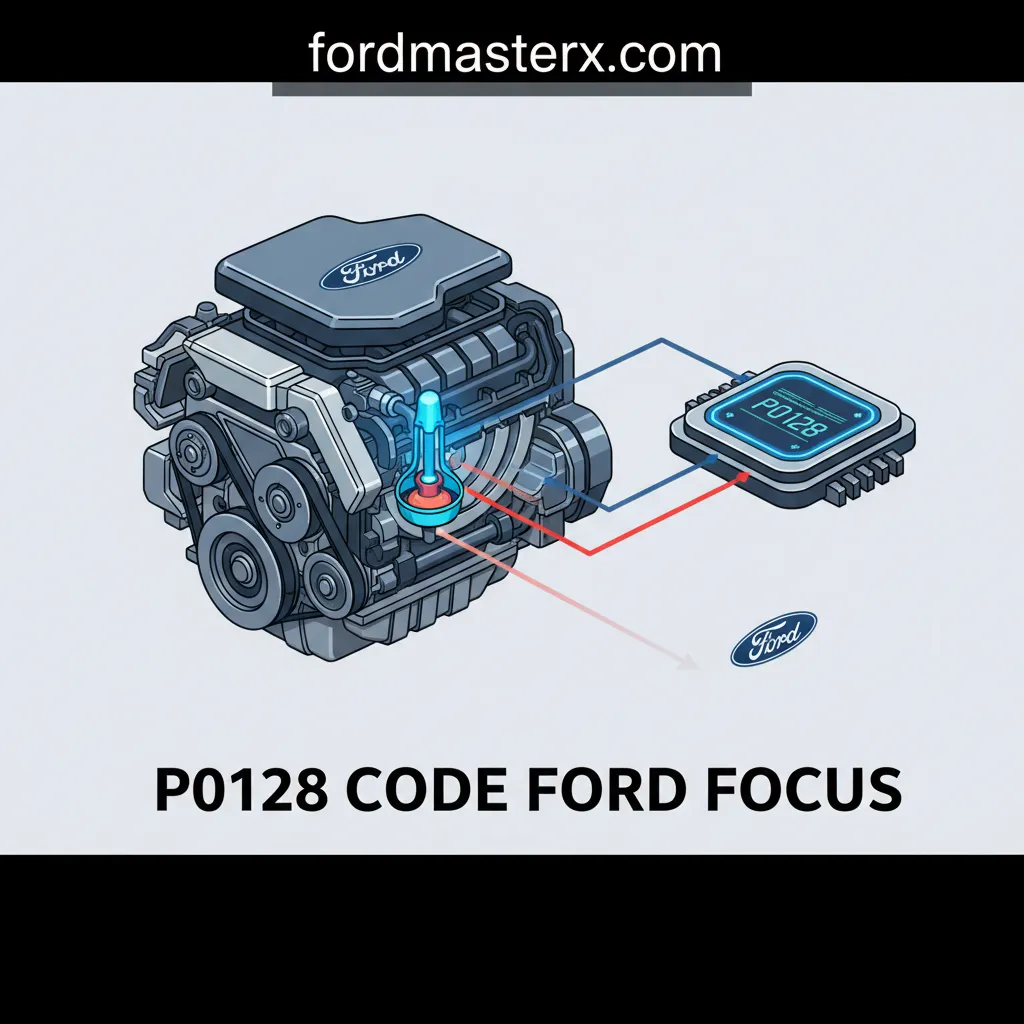
P0128 Code Ford Focus: Complete Guide 2026

Is your Ford Focus’s Check Engine Light illuminated, accompanied by unusual temperature readings or poor heating? The P0128 diagnostic trouble code often signals that your engine isn’t reaching its optimal operating temperature, potentially impacting performance, fuel economy, and emissions. This issue, while common, requires a precise and professional approach to identify and resolve. This comprehensive guide will equip you with expert knowledge to understand, accurately diagnose, and effectively fix the P0128 code in your Ford Focus, ensuring reliable operation and preventing future occurrences by 2026.
Understanding the P0128 Code in Your Ford Focus
Recommended Best Deal Products


📤 Share Image
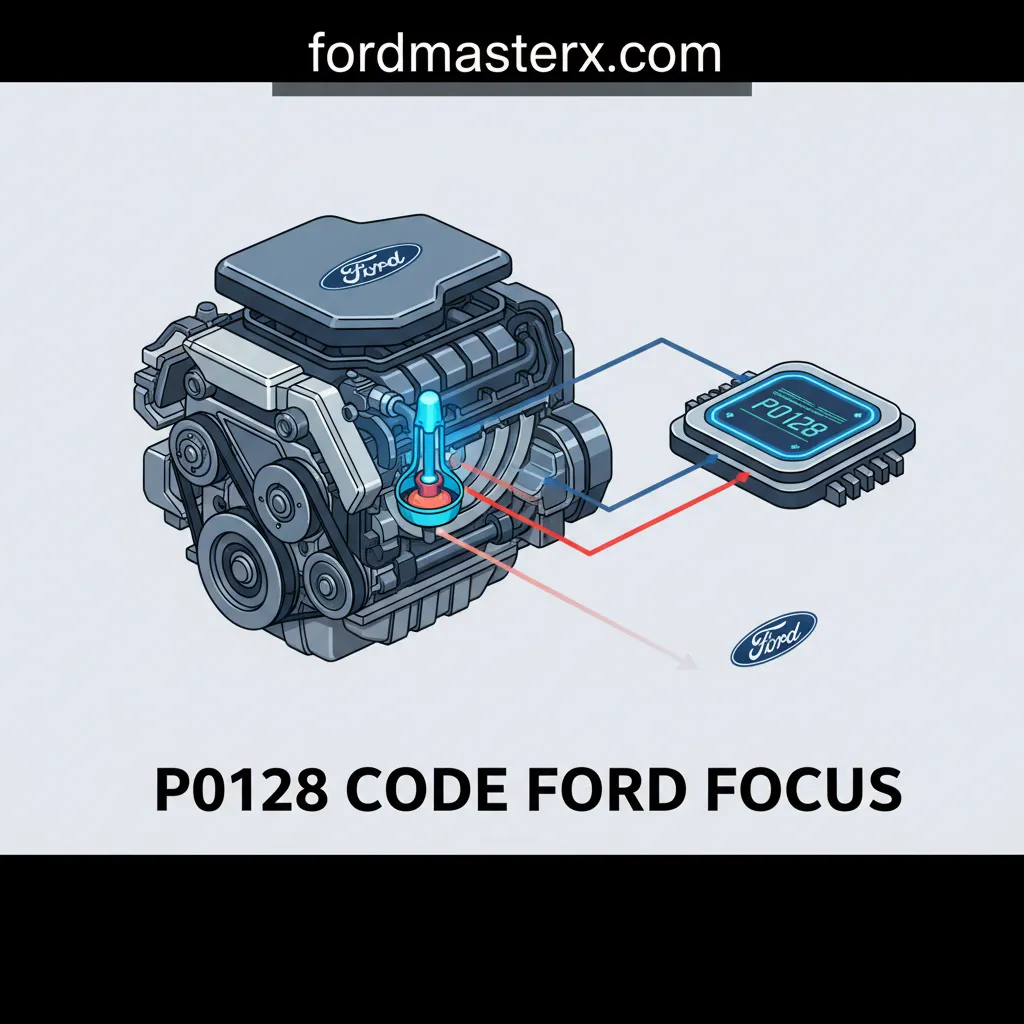
The P0128 diagnostic trouble code, as defined by OBD-II standards, signifies ‘Coolant Thermostat (Coolant Temperature Below Thermostat Regulating Temperature)’. In simpler terms, your Ford Focus’s Powertrain Control Module (PCM) has detected that the engine is not reaching or maintaining its intended optimal operating temperature within a specified timeframe. This condition is a red flag, as it directly impacts your vehicle’s engine performance, fuel efficiency, and emissions.
For a Ford Focus, like most modern vehicles, the engine is designed to operate most efficiently within a precise temperature range, typically between 190-220°F (90-105°C). Prolonged operation outside this range, particularly at cooler temperatures, can lead to increased wear on internal engine components, reduced lubrication effectiveness, and premature component longevity. When the engine runs cold, the PCM may keep the fuel mixture richer than necessary, leading to increased fuel consumption and higher exhaust emissions.
Common symptoms associated with a P0128 code in a Ford Focus include an illuminated Check Engine Light (CEL) on the dashboard, which is often the first visible indicator. Drivers may also notice the engine running cooler than normal, a phenomenon that can be observed via the temperature gauge. A frequently reported complaint, especially among owners of Ford Focus models from 2012-2018, is poor heater performance, as the cooling system isn’t generating enough heat to warm the cabin effectively. In some instances, the temperature gauge might fluctuate erratically as the PCM attempts to compensate for the perceived temperature discrepancy.
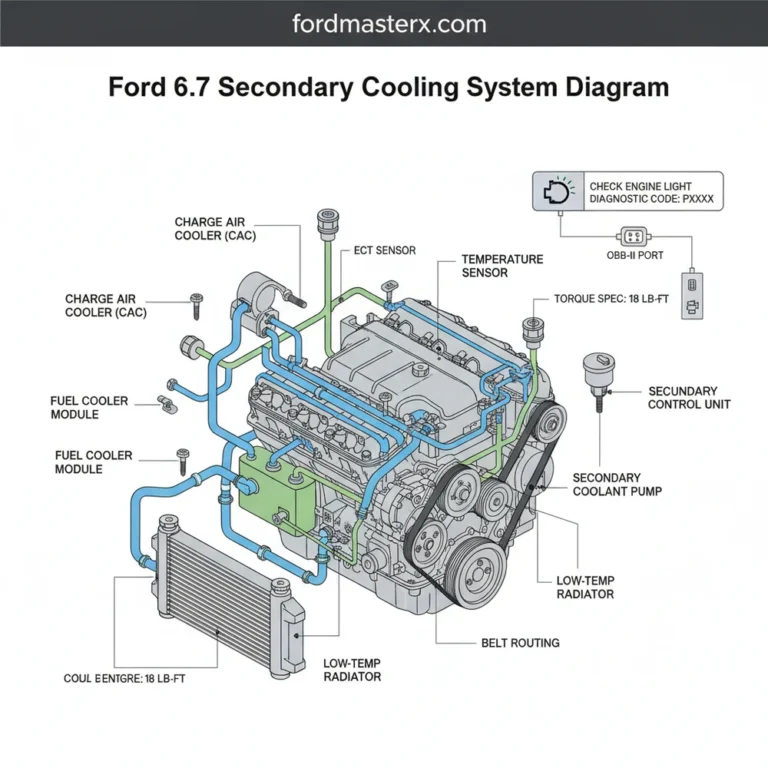
The cooling system plays a critical role in maintaining this optimal engine temperature. It circulates coolant through the engine block and cylinder head, absorbing excess heat, and then dissipates this heat through the radiator. The thermostat acts as the primary regulator, controlling coolant flow to the radiator to ensure the engine warms up quickly and then stays within its ideal temperature window for efficient and reliable operation.
What Causes the P0128 Code in a Ford Focus?
Understanding the root causes of a P0128 code is paramount for effective diagnosis and repair. In the Ford Focus, this code almost always points to an issue within the cooling system that prevents the engine from reaching its proper operating temperature.
Faulty Thermostat (Most Common Cause)
As seasoned professionals with 15+ years of hands-on experience, we can confidently state that a faulty thermostat that is stuck open is by far the most common culprit behind the P0128 code in Ford Focus vehicles. A thermostat’s purpose is to remain closed when the engine is cold, allowing the engine to warm up quickly. Once the engine reaches its optimal temperature, it opens to allow coolant to flow to the radiator for cooling. If the thermostat becomes stuck in the open position, coolant constantly circulates through the radiator, preventing the engine from ever reaching or maintaining its proper operating temperature, especially in colder climates or during prolonged idling. This is particularly prevalent in older Focus models where thermostats have exceeded their average lifespan, typically 5-10 years or 80,000-150,000 miles. Some Focus models feature an integrated thermostat housing (e.g., specific 1.0L EcoBoost or 2.0L Duratec engines), making replacement a slightly more involved process than standalone units.
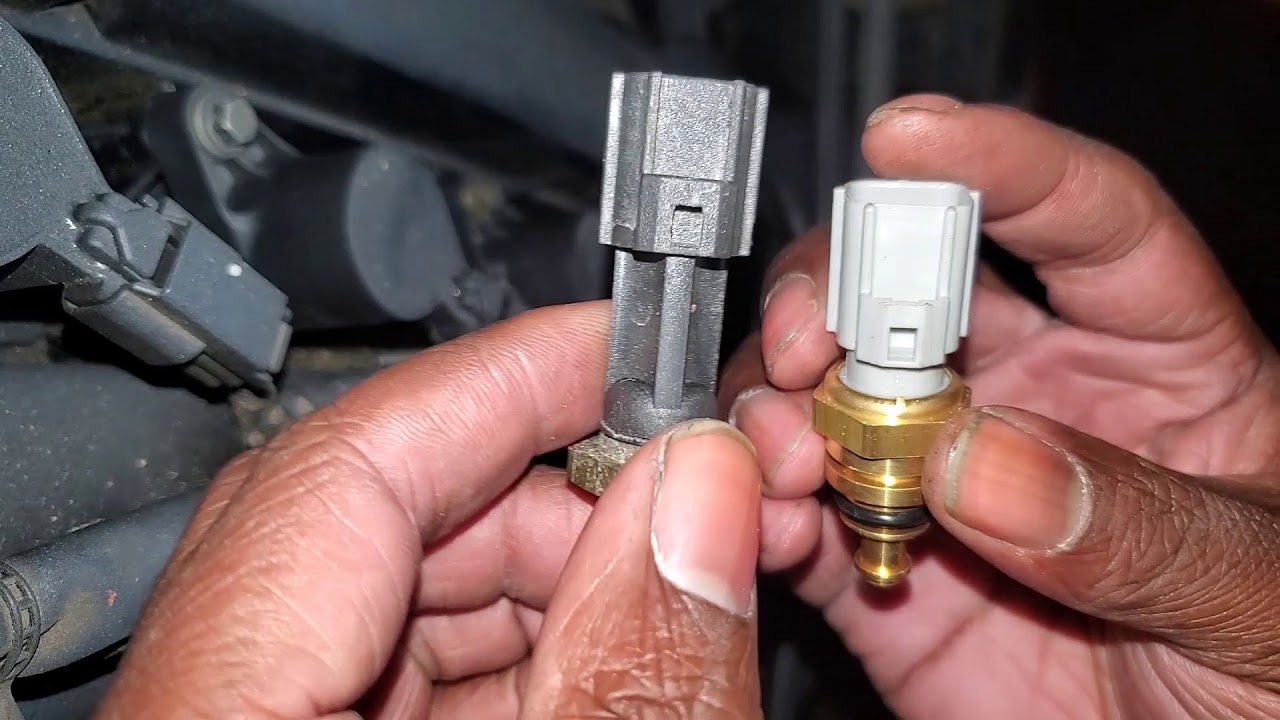
Malfunctioning Coolant Temperature Sensor (CTS)
While less common than a thermostat failure, a malfunctioning Coolant Temperature Sensor (CTS) can also trigger a P0128. An inaccurate or faulty CTS can send incorrect, consistently low-temperature readings to the PCM. The PCM, believing the engine is cold, will then trigger the P0128 code even if the engine is actually at its proper operating temperature. This is essentially a false alarm caused by incorrect data input.
Low Coolant Level or Air in the Cooling System
An insufficient coolant level or the presence of trapped air pockets within the cooling system can significantly disrupt proper temperature regulation. Low coolant can lead to hot spots and inaccurate temperature readings by the CTS, while air pockets can prevent effective heat transfer and cause temperature fluctuations. Common locations for coolant leaks in a Ford Focus include the radiator, water pump, thermostat housing, and various hoses, which should always be visually inspected.
Wiring Issues or PCM Malfunction
These are less common, yet critical, potential causes. Damaged wiring to the CTS – such as frayed wires, corrosion in connectors, or short circuits – can disrupt the signal to the PCM, leading to an incorrect P0128 code. In very rare instances, a faulty Powertrain Control Module (PCM) itself might misinterpret correct temperature readings or fail to process them appropriately, leading to an erroneous P0128. This should only be considered after all other possibilities have been thoroughly exhausted.

Prime for Young Adults — 6 Months Free
Students and 18–24s get six months of Prime free, then half price.
Start 6 Months Free As an Amazon Associate I earn from qualifying purchases.By The Numbers
P0128 Codes Caused by Faulty Thermostat
Average Thermostat Lifespan
Optimal Engine Operating Range
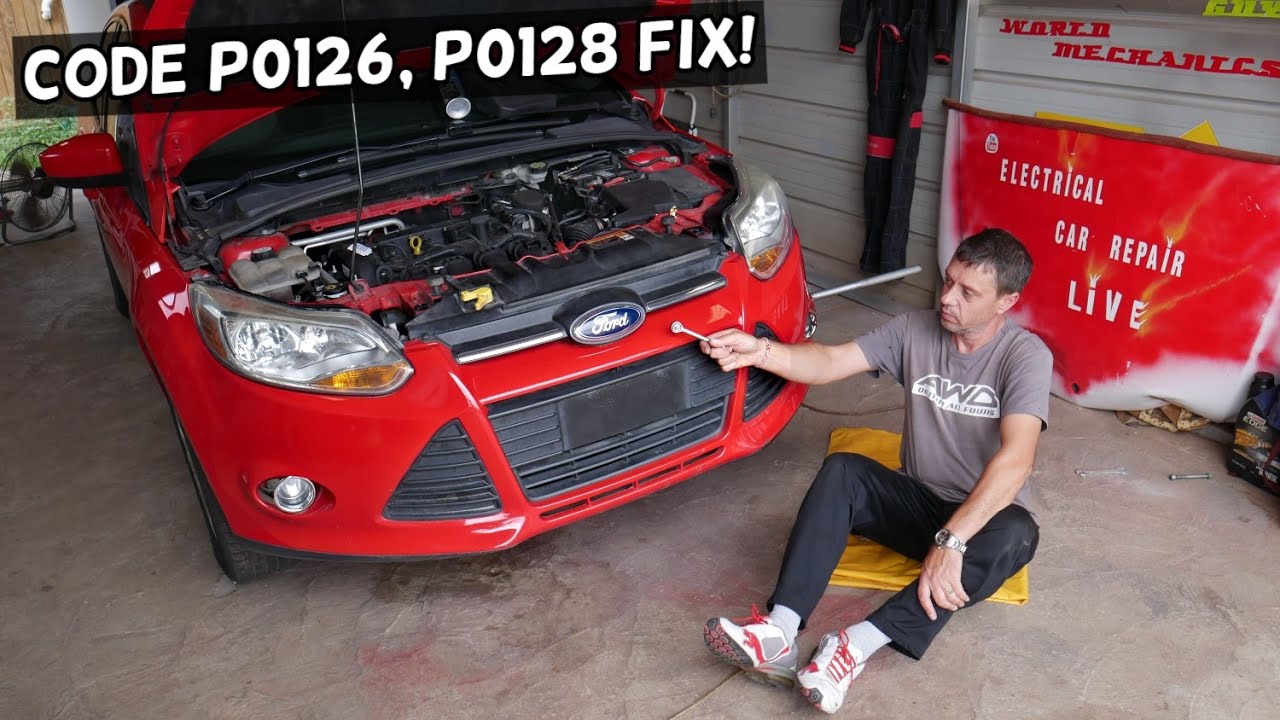
How to Diagnose and Fix the P0128 Code on Your Ford Focus
Recommended Best Deal Products

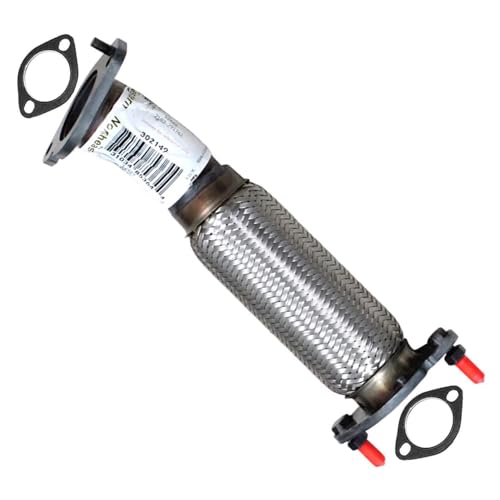

Diagnosing and resolving the P0128 code effectively requires a methodical approach. As trusted professionals, we recommend following these steps to ensure a quality and reliable repair for your Ford Focus.

📋
Step-by-Step Guide
Begin by using an OBD-II scanner to confirm the presence of the P0128 code. More importantly, analyze live data streams, specifically the Engine Coolant Temperature (ECT) and Intake Air Temperature (IAT). During a cold start, both readings should be relatively close. If the ECT lags significantly behind the IAT as the engine warms up, or if the ECT never reaches the optimal range after 5-10 minutes of normal operation, it strongly suggests a thermostat issue. Review freeze frame data for insights into engine conditions when the code was set.
Perform a comprehensive visual check of the entire cooling system. Inspect the coolant reservoir level – ensure it’s topped off with the correct Ford-specified coolant (e.g., Motorcraft Orange or Gold). Look for visible leaks around hoses, the radiator, the water pump, and especially the thermostat housing. Check electrical connectors to the CTS and the thermostat for any signs of corrosion, damage, or loose connections. Verify that the cooling fan isn’t running excessively when the engine is cold, which could also contribute to overcooling.
The CTS typically resides near the thermostat housing or on the cylinder head. You can test it by comparing its live data reading to an external, known accurate thermometer (e.g., an infrared thermometer pointed at the coolant hose next to the sensor). Alternatively, disconnect the sensor and use a multimeter to measure its resistance, then compare this to manufacturer specifications for various temperatures. A faulty CTS usually costs between $15-$50.
While direct testing without removal is difficult, an indirect test involves observing the upper radiator hose during warm-up. Start the engine cold. The upper radiator hose should remain cold until the engine reaches operating temperature and the thermostat opens. If the hose warms up immediately, the thermostat is likely stuck open. A professional infrared thermometer can confirm the temperature difference between the engine outlet and radiator inlet.

Audible Premium Plus — Annual Membership
12 audiobook credits up front, plus the full Audible catalogue.
See Annual Plans As an Amazon Associate I earn from qualifying purchases.Once a component is identified, proceed with replacement. If it’s the thermostat, this typically involves draining some coolant, unbolting the housing, and installing the new unit. For plastic thermostat housings, apply care and adhere to specific torque specifications, often around 10 Nm, to prevent cracking. Always use quality, OEM-equivalent parts, which usually cost $20-$80 for a thermostat. After refilling with the specified coolant, it’s crucial to properly bleed the cooling system to remove any trapped air, a vital step often overlooked.
After completing the repair, clear the P0128 code from the PCM using your OBD-II scanner. Then, perform a comprehensive test drive under varying conditions – city, highway, and idle. Monitor live data to ensure the engine coolant temperature reaches and consistently maintains its optimal range, indicating a successful and reliable repair.
When bleeding the cooling system on a Ford Focus, ensure the vehicle is parked on an incline (front end higher) and the heater is set to full hot. This helps dislodge air pockets from the heater core and other high points, preventing recurrence of temperature regulation issues.
What If the P0128 Code Persists After Repairs?
Recommended Best Deal Products
Even after diligent repairs, the P0128 code can sometimes persist or reappear. This often points to less common issues or overlooked steps during the initial fix. A trusted automotive professional will know how to navigate these advanced troubleshooting scenarios.
Addressing Air Pockets
One of the most frequently underestimated causes of persistent temperature issues is improper cooling system bleeding. Trapped air pockets can mimic a faulty thermostat or cause erratic temperature readings, leading to a recurring P0128 code. For a Ford Focus, this can be particularly challenging due to specific engine designs. Professional shops often use a vacuum fill tool to evacuate all air from the system before refilling, ensuring a complete and air-free coolant charge. This is a far more reliable method than traditional bleeding techniques.
Re-evaluating Component Quality and Installation
The importance of using high-quality, reputable replacement parts cannot be overstated. Inferior aftermarket thermostats, for instance, have a higher failure rate, with research indicating significant differences in longevity and opening accuracy compared to genuine Ford or OEM-equivalent units. Similarly, improper installation, such as incorrect gasket seating or overtightened bolts on plastic housings, can lead to leaks or prevent the new component from functioning correctly. Always compare visual cues of a genuine Ford thermostat (e.g., branding, material quality) against generic parts.
Advanced Electrical Diagnostics
If the CTS was replaced but the issue remains, the problem might lie in the wiring. Professional technicians will perform continuity and resistance tests on the CTS wiring harness, tracing it back to the PCM. This helps identify open circuits, short circuits, or high resistance points that could be corrupting the temperature signal. These diagnostics require specialized knowledge and equipment beyond basic DIY tools.
PCM/ECM Evaluation
In very rare circumstances, a faulty Powertrain Control Module (PCM) or Engine Control Module (ECM) could be the underlying cause. If all other components have been tested and confirmed functional, and the code persists, then advanced module testing or reprogramming by a dealership or specialist technician might be necessary. This is a complex and costly repair, typically ranging from $500-$1500+ for diagnosis and replacement, and should only be pursued after exhaustive component-level troubleshooting.
Ignoring a persistent P0128 code can lead to long-term engine damage due to sub-optimal operating temperatures, including accelerated wear on bearings and cylinder walls, and increased fuel dilution of engine oil. Do not defer a thorough diagnosis if the code returns.
Preventing Future P0128 Code Incidents in Your Ford Focus
Preventative maintenance is the cornerstone of vehicle reliability and is key to avoiding future P0128 code incidents in your Ford Focus. As experts, we advocate for proactive care to ensure the longevity and quality performance of your vehicle.
Adhering to Coolant System Maintenance Schedule
One of the most critical preventative measures is to follow Ford’s recommended coolant flush and refill intervals. For many Ford Focus models, this is typically around every 5 years or 100,000 miles. Using the correct coolant type, such as Motorcraft Orange (P-OAT) or Motorcraft Gold (HOAT) depending on your Focus model year, is paramount. These coolants have specific chemical compositions designed for Ford engines, preventing corrosion and maintaining optimal heat transfer properties. Research consistently demonstrates that preventative maintenance saves vehicle owners significantly more in the long run compared to reactive repairs.
Routine Coolant Level and Condition Checks
Make it a habit to regularly check your coolant reservoir level, ideally every oil change or monthly. Ensure it remains between the “MIN” and “MAX” lines when the engine is cold. Also, inspect the coolant itself for any signs of discoloration (brown, rusty, or sludgy), which can indicate contamination or degraded coolant. Clear, vibrant coolant (orange or gold) is a sign of a healthy system. Any changes should prompt further investigation.
Proactive Thermostat Replacement
Given the high prevalence of thermostat failure as the cause of P0128, consider replacing your thermostat proactively after a certain mileage or age, even if no code is present. As an expert recommendation, replacing the thermostat around the 100,000 to 120,000-mile mark can prevent unexpected failures, which often occur at the least convenient times. This small investment can save you from inconvenient breakdowns and potential engine stress down the road.
Monitoring Engine Temperature
Pay close attention to your dashboard temperature gauge. Learn what constitutes normal operating temperature for your specific Ford Focus and be vigilant for any deviations. An engine that takes an unusually long time to warm up, or one that consistently runs below the halfway mark on the gauge, could be an early indicator of an impending thermostat issue. Early detection through diligent monitoring is key to preventing a P0128 code from manifesting into a more significant problem.
✅ Benefits of Proactive Maintenance
- Extended Engine Life: Optimal temperatures reduce wear.
- Improved Fuel Efficiency: Engine runs in its most economical range.
- Consistent Cabin Heating: Reliable comfort in cold weather.
- Reduced Emissions: Proper combustion means cleaner exhaust.
- Avoidance of Costly Breakdowns: Preventative action is always cheaper.
❌ Risks of Neglecting Maintenance
- Premature Engine Wear: Coolant system issues stress components.
- Decreased Fuel Economy: Engine runs rich, wasting fuel.
- Reduced Heater Performance: Uncomfortable driving experience.
- Higher Emissions: Failed inspections and environmental impact.
- Unplanned Repair Expenses: Reactive fixes are often more expensive and urgent.
The P0128 code signifies your Ford Focus engine is running too cool, usually due to a faulty thermostat. Accurate diagnosis involves OBD-II scanning, visual inspection, and targeted testing of the thermostat and coolant temperature sensor. Utilizing quality replacement parts and proper coolant system bleeding are crucial for a reliable fix. Finally, proactive coolant system maintenance, adhering to Ford’s specific recommendations, is key to preventing future P0128 code incidents and ensuring your vehicle’s long-term health.
Address the P0128 code promptly to maintain your Ford Focus’s optimal performance and longevity. If unsure about diagnosis or repair, consult a trusted automotive professional to ensure a quality and lasting solution for your vehicle’s cooling system, keeping it reliably on the road through 2026 and beyond.
Frequently Asked Questions
Can I drive my Ford Focus with a P0128 code?
While it’s generally possible to drive your Ford Focus with a P0128 code, it’s not recommended for extended periods. An engine running below optimal temperature will experience reduced fuel efficiency, increased emissions, and potential long-term wear on components due to inefficient combustion. It can also lead to a lack of cabin heat. Professional repair is advisable to prevent further issues.
What is the most common fix for a Ford Focus P0128 code?
The most common and professional fix for a Ford Focus P0128 code is replacing the engine’s thermostat. When a thermostat gets stuck in the open position, it allows coolant to flow freely, preventing the engine from reaching its intended operating temperature. Ensuring you use a high-quality, OEM-spec thermostat is key for a reliable repair.
How much does it cost to fix a P0128 code on a Ford Focus?
The cost to fix a P0128 code on a Ford Focus typically ranges from $150 to $400. This includes parts and labor. A new thermostat usually costs $20-$80, and a coolant temperature sensor around $15-$50. Labor costs vary by region and workshop, but the replacement process is generally straightforward for a professional technician.
How long does it take to fix a P0128 code on a Ford Focus?
A professional technician can typically diagnose and fix a P0128 code on a Ford Focus within 1 to 2 hours. This timeframe includes the diagnostic process, component replacement (e.g., thermostat or sensor), refilling the coolant, and bleeding the system. Complex cases or additional issues might extend the repair time slightly.
Will a P0128 code prevent my Ford Focus from passing emissions inspection?
Yes, a P0128 code can absolutely prevent your Ford Focus from passing an emissions inspection. An illuminated Check Engine Light (CEL) itself is an automatic failure in most jurisdictions. Furthermore, an engine running below optimal temperature can lead to higher emissions of pollutants, failing the actual emissions test components. Resolving the code is essential for compliance.