How To Fix Ford Focus Transmission Problems: Causes & Fixes 2026

The Ford Focus, a popular compact car, has unfortunately gained notoriety for a specific Achilles’ heel: its transmission. For many owners of 2011-2016 Ford Focus models, transmission issues ranging from jarring shudders to complete failure have been a persistent and costly concern. Understanding these complex problems, especially those tied to the DPS6 PowerShift unit, can be daunting. This comprehensive guide will diagnose the root causes of common Ford Focus transmission problems, provide detailed fixes and troubleshooting steps, and equip you with the knowledge to resolve these issues effectively, offering solutions relevant through 2026.

Diagnosing Common Ford Focus Transmission Problems: Symptoms and Diagnostic Codes
Recommended Best Deal Products


Accurately identifying transmission issues is the critical first step toward a successful solution. Ford Focus owners frequently encounter a range of symptoms, from minor nuisances to complete loss of drive. Understanding these indicators, alongside specific diagnostic trouble codes (DTCs), is essential for effective troubleshooting.
📤 Share Image
Identifying Common Subjective Symptoms
- Shuddering or Jerking: Often described as driving over rumble strips, this is a hallmark of the DPS6 PowerShift transmission, especially noticeable during acceleration or low-speed maneuvers. Research indicates that clutch shudder often manifests between 20-45 mph, directly correlating with the clutch engagement cycle.
- Hesitation or Delayed Engagement: A noticeable pause when shifting from Park to Drive or Reverse, or during gear changes.
- Slipping: The engine RPMs rise without a corresponding increase in vehicle speed, indicating the transmission is not effectively transferring power.
- Harsh or Erratic Shifts: Abnormally hard shifts or unpredictable gear changes, which can be a sign of hydraulic pressure issues or control module problems.
- Complete Loss of Drive: The most severe symptom, where the vehicle cannot move under its own power.
Understanding Diagnostic Trouble Codes (DTCs)
Beyond subjective feel, the vehicle’s onboard diagnostics system often stores specific codes that pinpoint the cause of the problem. Key DTCs to look for include:
- P0700 series: Generally indicates a transmission control system malfunction. These are generic codes that prompt further investigation into specific transmission sub-systems.
- P07A1-P07A5: These codes specifically point to issues with clutch ‘A’ stuck on or off in dual-clutch transmissions, common in the DPS6. For instance, a 2014 Ford Focus exhibiting ‘clutch shudder’ accompanied by DTC P07A4 is a clear indication of a dry clutch pack issue.
- P0841: Signifies a transmission fluid pressure sensor/switch ‘A’ circuit range/performance problem, often associated with conventional automatics.
- P0607: Indicates a Transmission Control Module (TCM) performance problem. This is a common code in DPS6 units. A 2012 Focus with intermittent ‘no start’ issues and DTC P0607 strongly suggests a failing TCM. Approximately 50% of DPS6 failures are attributed to the Transmission Control Module (TCM).
Differentiating Transmission Types
It’s crucial to distinguish between problems specific to the infamous PowerShift (DPS6) dual-clutch transmission (found in 2011-2016 models) and those common to conventional automatic transmissions (older models or newer torque converter units). DPS6 issues primarily revolve around clutch wear and TCM failures, while conventional automatics often deal with solenoid issues, valve body malfunctions, or fluid contamination.
Reports indicate up to 1.5 million Ford vehicles were equipped with the problematic DPS6 transmission, underscoring the prevalence of these issues.
The Importance of Professional Diagnostic Tools
While generic OBD-II scanners can retrieve basic codes, they often lack the depth needed for comprehensive transmission diagnosis. Professional tools such as Ford IDS (Integrated Diagnostic System) or aftermarket software like Forscan are invaluable for:
- Retrieving manufacturer-specific fault codes.
- Performing live data analysis (e.g., clutch temperatures, shift solenoid activity, line pressure).
- Executing factory-level tests and recalibrations.
Interpreting Transmission Fluid Condition
The condition of the transmission fluid provides critical insights into the health of a conventional automatic transmission. Discoloration (dark brown or black), a strong burnt smell, or the presence of metal particles (shavings, not just dust-like residue) are clear indicators of internal damage requiring immediate attention. For instance, a conventional automatic Focus with delayed engagement and dark, burnt-smelling fluid almost certainly has internal friction material wear or overheating issues.

Step-by-Step Solutions to Fix Ford Focus Transmission Issues
Once diagnosed, addressing Ford Focus transmission problems requires precise actions. Many common issues have established solutions, ranging from software updates to mechanical repair. Knowing when a DIY approach is feasible versus when professional intervention is necessary is key.
📋
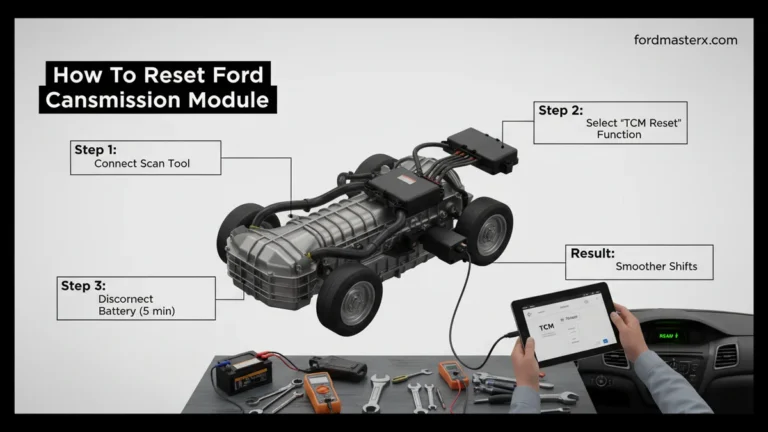
Step-by-Step Guide: Transmission Fixes
Recommended Best Deal Products


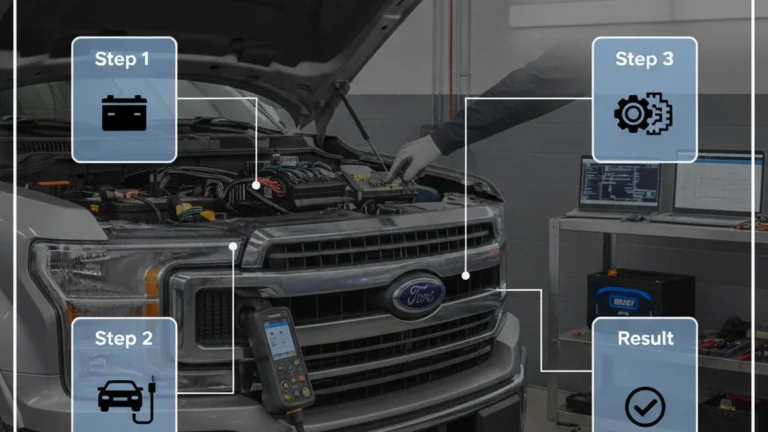
For DPS6 units (2011-2016 Focus), this is often the initial and least invasive solution for drivability issues like erratic shifting, harsh engagement, or shuddering. Ford issued multiple TSBs (e.g., 14-0062, 16-0129) recommending specific TCM software updates and clutch replacements. These updates refine clutch engagement strategies and shift logic. A scenario where a software update resolved a 2015 Focus’s harsh 2-3 shift is a common example of this effective first step. This procedure typically requires a Ford dealership or a specialized shop with factory diagnostic tools.

Audible — Listen Free for 30 Days
One free credit a month and thousands of titles included.
Listen Free for 30 Days As an Amazon Associate I earn from qualifying purchases.If software updates don’t resolve shudder or slipping, the dry dual-clutch assembly itself is often the culprit. The repair procedure involves removing the transmission, disassembling the clutch housing, and replacing the clutch packs. This is a complex job that requires specialized tools for correct clutch gap adjustment and a subsequent clutch adaptive learning procedure using diagnostic software. The process of replacing a ‘dry’ dual-clutch assembly on a 2013 Focus demonstrates the need for special clutch tools to ensure proper function and prevent premature failure. A DPS6 clutch replacement can cost between $1,500-$3,000, highlighting it as a significant mechanical repair.
For Ford Focus models with traditional torque converter automatics (e.g., pre-2011 or post-2016), issues often stem from the hydraulic system. This includes flushing transmission fluid and replacing filters to combat contamination, and diagnosing/replacing faulty solenoids or the valve body. These components control fluid pressure and flow for gear changes. Flushing ATF on a 2008 Focus to resolve sluggish shifts is a classic example of this type of maintenance and repair. Always use the correct transmission fluid type as specified by Ford.
A failing TCM can cause intermittent power loss, ‘no start’ conditions, and specific DTCs like P0607. Diagnosis often involves checking for communication errors with the TCM. Replacing the TCM is complex as it typically needs to be programmed to the vehicle’s VIN to function correctly. This often requires specialized equipment and expertise from a Ford dealership or a highly competent independent shop. TCM replacement ranges from $800-$2,500, including parts and programming, making it a significant repair.
Sometimes, transmission-like symptoms are external and simpler to debug. Inspect shift cables for looseness or damage, especially if gear selection feels vague. Check speed sensors (input/output shaft speed sensors) for proper connection and cleanliness, as faulty readings can cause erratic shifting or speedometer issues. Examine wiring harnesses for visible damage, corrosion, or poor connections that could mimic internal transmission faults. This systematic troubleshoot approach can identify and resolve issues before more extensive repair is considered.
Advanced Troubleshooting and Professional Intervention for Persistent Problems
When initial fixes don’t resolve a Ford Focus transmission problem, or if the diagnosis points to severe internal damage, advanced troubleshooting and professional intervention become indispensable. This stage involves deeper analysis and often requires specialized expertise and equipment.
Employing Advanced Diagnostic Techniques
- Oscilloscopes for Sensor Analysis: These tools allow technicians to view live waveforms from sensors (e.g., speed sensors, throttle position) to identify intermittent signal drops or abnormalities that a standard scanner might miss.
- Pressure Gauges for Hydraulic Verification: For conventional automatics, connecting pressure gauges to test ports on the transmission allows verification of line pressure and clutch pack engagement pressures, revealing issues with the pump, valve body, or internal seals.
- In-Depth Electrical Checks: Beyond visual inspection, technicians use multimeters to check for continuity, resistance, and voltage drops across wiring harnesses and components, ensuring electrical integrity.
For example, a 2016 Focus owner whose clutch replacement failed to resolve shudder might require further investigation of bell housing leaks or input shaft issues, which would necessitate these advanced diagnostic methods to pinpoint the elusive cause.
When to Consider a Full Transmission Rebuild or Replacement
This decision depends on the extent of damage and cost-effectiveness. A rebuild involves disassembling the transmission, replacing worn components (clutches, seals, bearings, valve body), and reassembling it to factory specifications. Replacement means installing a new or remanufactured unit. A case where a transmission cooler line rupture caused overheating, necessitating a full rebuild, demonstrates severe internal damage beyond simple component replacement. Consider the vehicle’s age, mileage, and overall condition. For an older, high-mileage Focus, a used transmission might be a more economical workaround, though it carries inherent risks.
Seeking Specialized Transmission Shops
Not all mechanics are equipped to handle the intricacies of the Ford DPS6 PowerShift. Specialized transmission shops, particularly those with extensive experience with Ford’s dual-clutch units, possess the necessary proprietary diagnostic equipment and training. Their technicians understand the nuances of dry clutch operation, TCM programming, and adaptation procedures, leading to more accurate diagnosis and successful repair.
Navigating Ford’s Extended Warranty or Recall Programs
For DPS6 owners, it’s crucial to understand Ford’s support programs. The company initiated various Customer Satisfaction Programs (CSPs), such as CSP 14M01 for TCM/clutch, which extended warranty coverage for these components. Certain TSBs extended warranty coverage for the DPS6 clutch and TCM to 7 years/100,000 miles. Owners should contact a Ford dealership with their VIN to verify eligibility. A customer successfully claiming a free TCM replacement under an extended warranty is a testament to the importance of checking these programs.
Understanding Legal Recourses
For owners plagued by chronic DPS6 issues, legal avenues have provided solutions. The Ford PowerShift transmission class-action settlement (Vargas v. Ford Motor Company) offered specific benefits and reimbursements for affected owners, including cash payments or vehicle buybacks. While such settlements typically have claim deadlines, understanding these precedents provides insight into past resolutions and potential future ones for widespread defects. Lemon laws in many states also offer protection for new vehicles with recurring, unfixable defects.
Preventing Future Ford Focus Transmission Failures and Maintenance Insights
Proactive maintenance and informed driving habits are paramount in extending the life of your Ford Focus transmission and preventing future costly repair needs. While some design flaws are inherent, diligent care can mitigate their impact.
Adhering to Manufacturer-Recommended Transmission Fluid Service Intervals
For conventional automatic transmissions, regular fluid and filter changes are vital. Ensure the use of the correct fluid types: Mercon LV for most PowerShift (DPS6) units and newer torque converter automatics, and Mercon V for older conventional automatics. While Ford initially touted the DPS6 as a “lifetime fill,” many transmission experts recommend a PowerShift fluid change every 60,000 miles despite Ford’s ‘lifetime’ fill claim for some models, citing fluid degradation, especially under severe driving conditions. Regular fluid checks for proper level and color are also crucial.
Understanding Driving Habits That Stress the Transmission
- Avoid Excessive Stop-and-Go Traffic: This rapidly wears down the dry clutches in DPS6 units. Avoiding ‘creeping’ in traffic with a DPS6 to reduce clutch wear is a specific tactic that minimizes clutch engagement cycles.
- Minimize Prolonged Idling in Gear: This generates unnecessary heat and stress.
- Gentle Acceleration: Rapid acceleration puts undue strain on clutches and internal components.
- Respect Towing Capacity: Never tow beyond the vehicle’s specified limits, particularly with the DPS6, which is not designed for heavy towing.
Monitoring for Early Warning Signs
Become attuned to your vehicle’s behavior. Regularly check for new noises, unusual vibrations, changes in shift patterns, or dashboard warning lights. Early detection of a problem can allow for a simpler, less expensive fix before it escalates into a catastrophic failure. Even a slight increase in shudder or a delayed shift could be an initial symptom indicating it’s time to troubleshoot.
Importance of Regular Vehicle Inspections
- Engine Cooling System: Ensure the engine cooling system is functioning optimally, as transmission fluid is often cooled via the radiator. Overheating engine coolant can indirectly lead to transmission overheating.
- Fluid Leaks: Regularly check for any fluid leaks around the transmission or engine, including transmission fluid, engine oil, and coolant.
- Battery Health: A healthy battery and charging system are critical. Proper battery voltage (e.g., 12.6V) is critical for TCM operation, as fluctuations can cause erratic behavior or even damage the module.
Consideration of Aftermarket Solutions or Upgrades
Some aftermarket companies offer performance clutches or enhanced TCM tuning for DPS6 units, claiming improved durability or drivability. While these might offer a potential workaround for some owners, it’s crucial to evaluate their effectiveness and potential risks. Be aware that installing such modifications may void existing warranties, and their long-term reliability can vary. Always proceed with caution and thorough research.
Understanding the Ford Focus PowerShift (DPS6) Transmission: Design & Recalls
To truly understand “how to fix Ford Focus transmission problems,” it’s imperative to delve into the genesis of these issues: the DPS6 PowerShift transmission. This background provides crucial context for the numerous solutions and repair efforts.
Explaining the Dual-Clutch Transmission (DCT) Principle
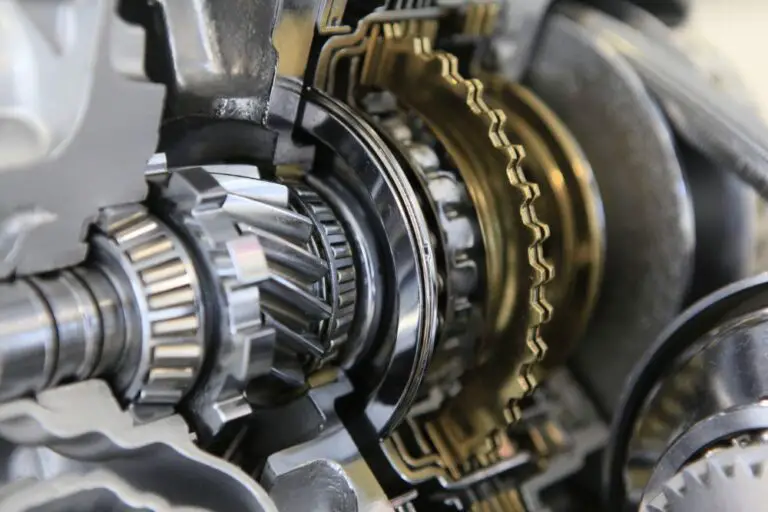
The DPS6, also known as the 6DCT250, is an automated manual transmission, not a conventional automatic. Unlike traditional automatics that use a torque converter, the DPS6 employs two dry clutches, similar to a manual transmission, but shifted automatically. One clutch handles odd gears, the other even gears, allowing for pre-selection of the next gear for seamless, fuel-efficient shifts. While theoretically advanced, this design introduced significant complexity and points of failure, becoming the primary cause of widespread issues in 2011-2016 Focus models.
Identifying Inherent Design Flaws
The core of the DPS6’s reliability problems lies in its dry clutch design. Unlike wet clutches (which operate in fluid for cooling and lubrication), dry clutches are highly susceptible to wear and contamination (e.g., clutch dust, minor fluid leaks from the input shaft seal). This leads to premature wear, causing shuddering, slipping, and eventual failure. Furthermore, the early-generation Transmission Control Module (TCM) suffered from reliability issues, often failing electronically and causing a range of symptoms from intermittent power loss to complete transmission malfunction.
By The Numbers
Vehicles with DPS6 Transmission
Affected Focus Model Years
DPS6 Failures Attributed to TCM
Average Clutch Replacement Cost
Overview of Major Ford Recalls and Customer Satisfaction Programs (CSPs)
Ford responded to widespread complaints with various actions. Key efforts to resolve these issues include:
- Extended Warranties: For both the clutch and TCM under CSPs, as mentioned previously.
- Software Updates: Numerous updates aimed at refining clutch engagement and shift logic to alleviate shudder.
- Recall 19S07: This specific recall addressed certain TCM failures that could lead to intermittent loss of transmission function, affecting a significant number of vehicles.
The company also faced class-action lawsuits over the DPS6’s reliability, culminating in settlements that provided compensation or buyback options for affected owners. Anecdotal evidence of owners experiencing multiple clutch and TCM replacements within short periods underscores the persistent nature of these problems, even after initial fixes.
The Impact on Owner Experience and Vehicle Resale Value
The DPS6 issues have had a profound impact. Owners experienced significant frustration, repeated trips to dealerships, and in many cases, out-of-pocket repair costs. This widespread dissatisfaction directly affected the vehicle’s reputation and resale value, as buyers became wary of models equipped with the problematic transmission. The average lifespan of a DPS6 clutch in affected vehicles was significantly lower than traditional automatics, contributing to ongoing owner challenges.
Differences in Transmission Types Across Ford Focus Generations
It’s important to note that not all Ford Focus models have the DPS6. Earlier Focus generations (e.g., pre-2011) typically used conventional 4-speed or 5-speed torque converter automatics, which, while not without their own issues, did not suffer from the specific dry clutch or TCM failures of the DPS6. Later models (post-2016 in North America, and some international markets) transitioned back to conventional torque converter automatics (e.g., 8-speed automatic), largely resolving the PowerShift headaches for those newer vehicles. Understanding this distinction is vital for owners to accurately diagnose their specific transmission type and potential issues.
Ford Focus transmission problems, particularly with the DPS6 PowerShift, stem from design flaws in the dry clutch and TCM. Effective resolution involves accurate diagnosis via symptoms and DTCs, followed by specific repairs like software updates, clutch replacement, or TCM overhaul. Proactive maintenance, mindful driving habits, and awareness of Ford’s recalls and extended warranties are crucial for mitigating future issues. If your Ford Focus is exhibiting transmission symptoms, consult a qualified technician experienced with DPS6 units for a thorough diagnosis. Early intervention can prevent more costly repairs, and understanding your options empowers you to make informed decisions for your vehicle’s longevity.
Frequently Asked Questions
What are the most common transmission problems in Ford Focus models?
The most common issues, particularly in 2011-2016 Ford Focus models with the DPS6 PowerShift transmission, include shuddering during acceleration, hesitation, harsh shifts, and eventual loss of drive. These often stem from premature wear of the dry clutch assembly or failure of the Transmission Control Module (TCM), leading to a range of drivability complaints and diagnostic trouble codes.
Can a Ford Focus transmission issue be fixed with a software update?
Yes, for some drivability issues like erratic shifting or minor hesitation, a software update for the Transmission Control Module (TCM) can often resolve the problem. Ford issued several Technical Service Bulletins (TSBs) recommending these updates. However, for physical component failures such as severe clutch wear or a faulty TCM, a software update alone will not be a permanent fix and mechanical repair will be required.
How much does it cost to repair a Ford Focus PowerShift transmission?
The cost to repair a Ford Focus PowerShift transmission varies significantly based on the issue. Clutch assembly replacement can range from $1,500 to $3,000, while a Transmission Control Module (TCM) replacement, often requiring reprogramming, may cost between $800 and $2,500. A full transmission rebuild or replacement can exceed $3,000-$5,000, not including diagnostic fees.
Are Ford Focus transmission problems covered by a recall or extended warranty?
Ford issued multiple Customer Satisfaction Programs (CSPs) and extended warranties (e.g., CSP 14M01, CSP 19N08) for specific DPS6 PowerShift transmission components, including the clutch and TCM, often extending coverage to 7 years or 100,000 miles. Some issues were also part of class-action settlements. Owners should contact a Ford dealership with their VIN to check for specific eligibility and current recall status.
Is it worth repairing a Ford Focus with significant transmission problems?
Deciding whether to repair a Ford Focus with significant transmission problems depends on the vehicle’s overall condition, mileage, and estimated repair cost versus its market value. For older models, the repair cost might approach or exceed the car’s worth. However, for a vehicle in otherwise good condition, a professional repair, especially if covered by a warranty or settlement, could be a more economical solution than purchasing a new vehicle.