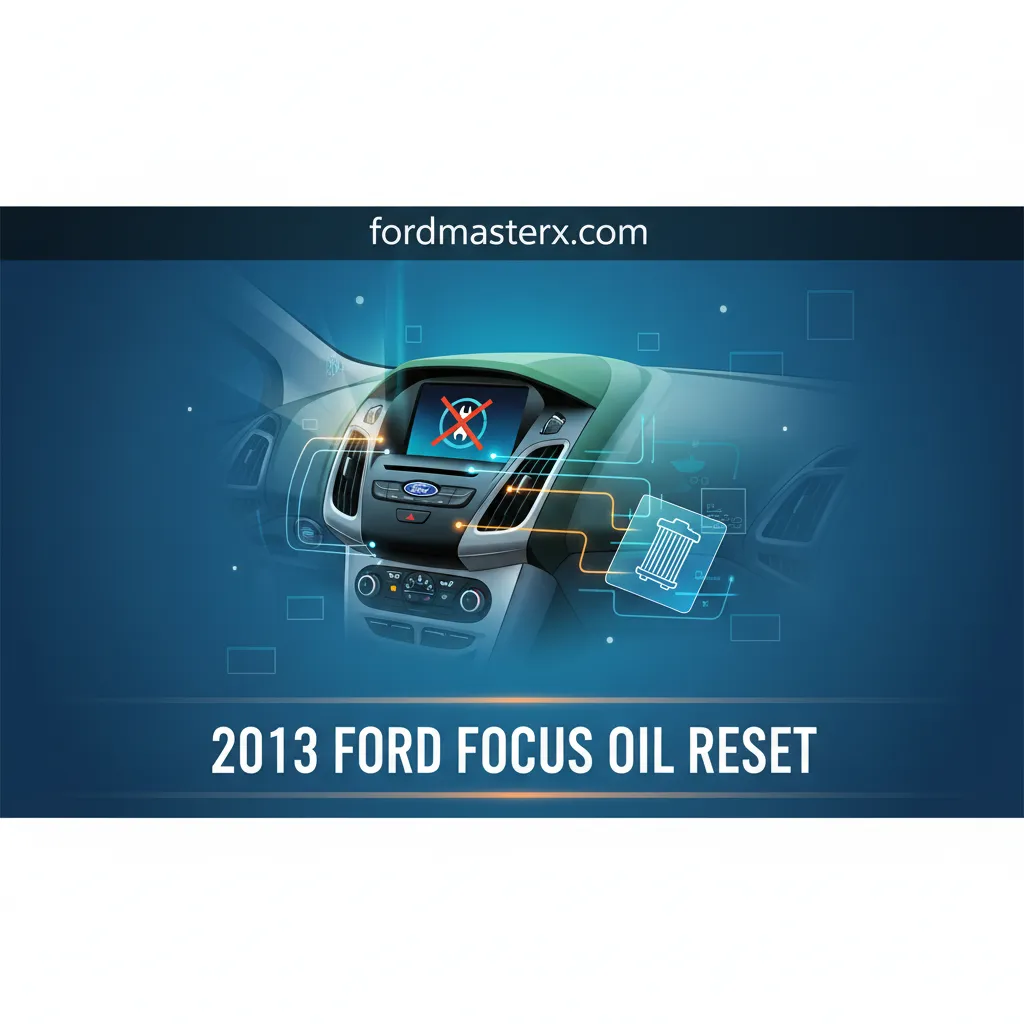
2013 Ford Focus Oil Reset

The ‘Change Engine Oil Soon’ light illuminating on your 2013 Ford Focus dashboard signals a vital maintenance interval, not an immediate crisis. After performing the necessary oil and filter change, many owners find this persistent warning light remains on, leading to uncertainty about how to properly clear the indicator and restore the system to its default operational status. This authoritative guide provides a precise, step-by-step procedure for the 2013 Ford Focus oil reset, offering clear instructions, troubleshooting tips, and essential context to ensure your vehicle’s oil life monitor is accurately recalibrated, giving your maintenance schedule a clean slate.

Understanding the Oil Life Monitoring System in Your 2013 Ford Focus
Recommended Best Deal Products


📤 Share Image
The 2013 Ford Focus, like many modern vehicles, incorporates a sophisticated Oil Life Monitoring (OLM) system designed to optimize maintenance schedules and enhance engine longevity. This system doesn’t merely count miles; instead, it utilizes a complex algorithm that considers various operational parameters to estimate the actual remaining life of your engine oil. Factors such as engine temperature, engine revolutions, vehicle speed, ambient temperature, and even the frequency of short trips versus highway driving are continuously analyzed. This dynamic approach provides a far more accurate assessment than a simple mileage-based interval.
When the OLM determines that the oil has degraded to a certain point, it triggers a warning message on your instrument cluster, typically displayed as ‘Change Engine Oil Soon’ or the illumination of a wrench icon. It’s crucial to understand that this indicator is a prompt for proactive maintenance, not an immediate emergency. While Ford generally recommends oil changes every 7,500 to 10,000 miles or 6-12 months, the OLM provides a more nuanced, dynamic schedule. For instance, extensive research indicates that many modern OLMs can reduce the perceived oil life by up to 30% under severe driving conditions, such as frequent towing, sustained idling, or consistent short-distance driving in extreme temperatures. These conditions accelerate oil degradation, making the OLM’s dynamic calculation invaluable.
A critical distinction to grasp is the difference between physically changing the engine oil and filter and merely resetting the OLM. The reset procedure is an essential follow-up step that must occur after the actual oil service has been completed. Failing to perform the reset after an oil change means the OLM will continue to operate under the assumption that the old, degraded oil is still in the engine. This can lead to premature or delayed warnings, undermining the system’s effectiveness. The reset effectively gives the OLM a fresh start, initializing its calculations from a 100% oil life baseline, ensuring accurate monitoring until your next service interval.

📋
Step-by-Step Guide: Resetting the Oil Life Monitor on Your 2013 Ford Focus
Performing the oil life reset on your 2013 Ford Focus is a straightforward procedure, but precision is key. This specific pedal-press method is a common diagnostic and reset procedure across various Ford models from this era, ensuring a consistent user experience. Follow these steps meticulously to successfully restore your OLM to its default setting.
Ensure your 2013 Ford Focus engine is completely off. Place the gear selector in Park (P). Now, turn the ignition key to the ‘RUN’ or ‘ON’ position. This means all dashboard lights should illuminate, but the engine should not be started. Do not select ‘ACC’ (Accessory) as this will not allow the reset to proceed.
Simultaneously press and hold down both the accelerator pedal and the brake pedal fully. This requires a firm and steady application of pressure. Do not release them prematurely. The timing is crucial; holding for too short or too long may prevent the reset.

Audible — Listen Free for 30 Days
One free credit a month and thousands of titles included.
Listen Free for 30 Days As an Amazon Associate I earn from qualifying purchases.Continue holding both pedals. On your instrument cluster display, you should see a message indicating the reset is in progress, such as “Oil Life Reset In Prog.” or “Service: Oil Resetting.” After approximately 20 to 30 seconds, the display should then change to confirm the successful reset, typically showing “Oil Life Set to 100%”. The ‘Change Engine Oil Soon’ warning light should also extinguish if it was previously illuminated.
Once you see the confirmation message, you can release both pedals. Turn the ignition key to the ‘OFF’ position. To verify the reset was successful, turn the ignition back to the ‘ON’ position (without starting the engine) and check the oil life display or cycle through the instrument cluster messages. The system should now show 100% oil life, providing a clear reboot for its monitoring cycle.
Troubleshooting Common Issues with the 2013 Ford Focus Oil Reset
Recommended Best Deal Products


While the oil reset procedure for the 2013 Ford Focus is generally straightforward, it’s not uncommon for users to encounter minor hiccups. As an experienced technician, I’ve observed several recurring issues that can prevent a successful reset, often stemming from procedural errors. Understanding these pitfalls can save you time and frustration.
Common Procedural Errors
- Incorrect Ignition Position: A frequent mistake is attempting the reset with the ignition in the ‘ACC’ (Accessory) position or, conversely, starting the engine. The key must be in the ‘RUN’ or ‘ON’ position without the engine actually running.
- Insufficient Pedal Depression: Both the accelerator and brake pedals must be pressed fully and simultaneously. A partial press might not register with the vehicle’s computer. Ensure your foot firmly depresses them to their maximum travel.
- Incorrect Duration: The specified holding time, typically 20-30 seconds, is critical. Holding for too short a period will not allow the system to process the reset command. Similarly, releasing them too early after the confirmation message appears can sometimes cause the reset to fail, though less common.
- Not in Park: While less common for a pedal-based reset, ensuring the vehicle is securely in Park (P) is a good practice to eliminate any potential interlock issues.
If you’ve attempted the reset multiple times without success, try disconnecting the battery for 15 minutes to force a system reboot. While not always necessary, this can sometimes clear transient electronic glitches. Remember to reset your clock and radio presets afterwards.
Persistent Indicator Light or Message
Scenario: “I held the pedals for 30 seconds, but nothing happened, or the ‘Change Engine Oil Soon’ light came back on immediately.” This suggests the reset command was not successfully registered. Double-check all procedural steps. If the light persists after several meticulous attempts, it might indicate a more complex issue.
- Underlying Diagnostic Trouble Code (DTC): Sometimes, a persistent warning isn’t just about the oil life. A vehicle’s computer might have stored a Diagnostic Trouble Code (DTC) related to an engine sensor, such as an oil pressure sensor or oil level sensor. While rare, a faulty sensor could prevent the OLM from being properly re-initialized or cause it to immediately trigger a warning even after a successful reset. A P0520 code, for example, indicates an engine oil pressure sensor/switch circuit malfunction, which could interfere.
- Module Communication Issue: Though less common for a simple oil reset, an intermittent communication issue within the vehicle’s network (CAN bus) could temporarily prevent the Body Control Module (BCM) or Powertrain Control Module (PCM) from receiving or processing the reset command.
When to Seek Professional Assistance
If, after carefully following the steps and troubleshooting common errors, the oil life indicator or ‘Change Engine Oil Soon’ message remains persistent, it’s time to consult a certified Ford technician. This is particularly true if:
- Repeated attempts at the reset procedure fail to produce the “Oil Life Set to 100%” message.
- Other warning lights, such as the ‘Check Engine’ light, are also illuminated. These indicate a broader system issue that requires diagnostic tools.
- You experience unusual engine behavior (e.g., knocking noises, loss of power) concurrent with the persistent oil light.
A Ford diagnostic scan tool (e.g., IDS or FORScan) can often confirm the status of the OLM and identify any related sensor malfunctions or stored diagnostic trouble codes. Faulty oil pressure sensors or level sensors, though rare in a 2013 Focus, can sometimes mimic or interfere with reset procedures, making professional diagnosis essential to resolve the underlying issue and ensure your vehicle’s systems are functioning correctly.
Beyond the Reset: Essential Maintenance for Your 2013 Ford Focus
Successfully performing the 2013 Ford Focus oil reset is a critical step, but it represents just one component of a comprehensive vehicle maintenance strategy. As a seasoned expert, I emphasize that the longevity and performance of your vehicle depend on a broader commitment to proper care. An oil change is the perfect opportunity to address other vital aspects of your Focus’s health.
Importance of Using Correct Oil Specifications
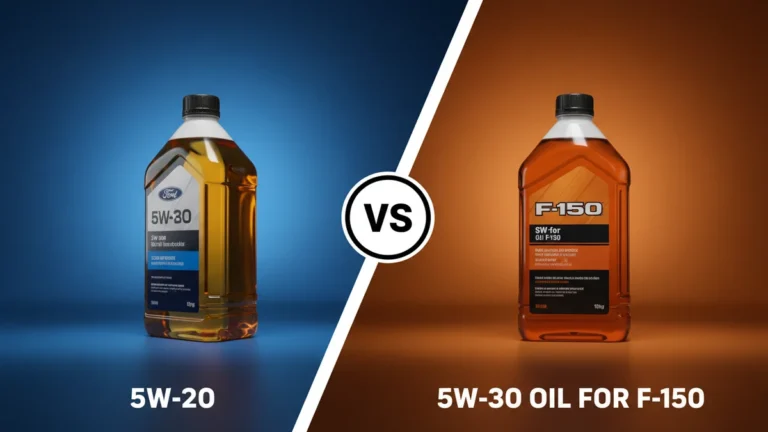
The type and grade of engine oil you use are paramount. For the 2013 Ford Focus, the manufacturer specifically recommends SAE 5W-20 API certified engine oil, typically meeting Ford’s WSS-M2C930-A specification or later, such as ILSAC GF-5 or GF-6. The engine oil capacity for most 2013 Focus models is approximately 4.5 to 4.8 quarts (4.3 to 4.5 liters), depending on the engine (e.g., 2.0L Duratec). Using the wrong viscosity or an uncertified oil can have detrimental effects:
Audible Premium Plus — Annual Membership
12 audiobook credits up front, plus the full Audible catalogue.
See Annual Plans As an Amazon Associate I earn from qualifying purchases.- Engine Health: Incorrect oil may not provide adequate lubrication at various operating temperatures, leading to accelerated wear on critical engine components.
- Fuel Efficiency: Using oil with a higher viscosity than recommended can increase internal engine friction, reducing fuel economy. Research indicates that using the wrong viscosity oil can decrease fuel efficiency by up to 2%.
- Warranty Invalidity: Using oil that does not meet Ford’s specifications could potentially void your powertrain warranty if an engine issue arises. Always look for certifications like API SN/SP and the ILSAC starburst symbol on the oil container. Brands like Motorcraft, Ford’s OEM fluid, are always a safe bet.
Scheduled Maintenance Beyond Oil
An oil change interval is an ideal time to perform other critical checks and maintenance tasks that contribute to your vehicle’s overall health:
- Fluid Levels: Check coolant, brake fluid, power steering fluid (if applicable), and washer fluid. Top them up if necessary.
- Tire Pressure and Condition: Inspect tires for proper inflation, tread wear, and any signs of damage. Correct tire pressure is vital for safety, handling, and fuel economy.
- Air Filter: Examine the engine air filter and cabin air filter. A clogged filter restricts airflow, impacting engine performance and cabin air quality.
- Brakes: Visually inspect brake pads and rotors for wear.
- Belts and Hoses: Look for cracks, fraying, or bulges in accessory belts and coolant hoses.
- Lighting: Check the operation of all exterior lights (headlights, tail lights, brake lights, turn signals).
Long-Term Benefits of Consistent Maintenance
Consistent, appropriate servicing of your 2013 Ford Focus offers far more than just preventing breakdowns. It fundamentally contributes to the vehicle’s long-term viability and value:
Extended Vehicle Lifespan
Regular maintenance, including timely oil changes and resets, significantly prolongs the life of your engine and other components, allowing your vehicle to perform reliably for more years and miles.
Optimized Fuel Efficiency
Clean oil, properly inflated tires, and clean air filters all contribute to better fuel economy, saving you money at the pump over time. It helps to maintain the vehicle’s default efficiency.
Preserved Performance
Engines that receive consistent care retain their power, responsiveness, and smooth operation, ensuring your driving experience remains as intended by the manufacturer.
Higher Resale Value
A well-maintained vehicle with a documented service history is far more attractive to potential buyers. According to J.D. Power data, vehicles with consistent maintenance records often fetch 10-15% higher resale values.
Each oil change and subsequent reset offers an opportunity for a mechanical reboot, ensuring all monitoring systems are accurately calibrated and providing a clean, fresh start for your vehicle’s next operational cycle. This diligence in maintenance is key to enjoying your 2013 Ford Focus for many years to come.
By The Numbers
Oil life reduction under severe conditions
Fuel efficiency loss from incorrect oil viscosity
Higher resale value with consistent maintenance
The 2013 Ford Focus oil reset is a critical post-maintenance step, distinct from the physical oil change. The procedure involves a specific ignition and pedal sequence, restoring the oil life monitor to its factory setting. Troubleshooting common issues often points to procedural errors or, in rare cases, underlying sensor problems requiring professional diagnosis. Ensure your 2013 Ford Focus remains in optimal condition by promptly performing the oil reset after every oil change. Should you encounter persistent issues, consult a certified Ford technician for a thorough diagnostic review, ensuring your vehicle’s systems are properly initialized and maintained.
Frequently Asked Questions
Recommended Best Deal Products


How often should I change the oil in my 2013 Ford Focus?
Ford generally recommends an oil change every 7,500 to 10,000 miles or every 6-12 months, whichever comes first. However, the 2013 Ford Focus’s intelligent oil life monitor (IOLM) actively assesses driving conditions and may suggest an earlier service interval. Always prioritize the IOLM’s indication or a shorter interval under severe driving conditions.
What type of oil is recommended for a 2013 Ford Focus?
For the 2013 Ford Focus, Ford recommends using motor oil that meets its specific engineering standard, typically SAE 5W-20 or 5W-30, depending on the engine (refer to your owner’s manual). Ensure the oil also meets API (American Petroleum Institute) service classification SN or higher and is ILSAC GF-5 compliant. Using the correct oil is crucial for engine longevity and performance.
Can I reset the oil light on my 2013 Focus without changing the oil?
While it is technically possible to perform the 2013 Ford Focus oil reset without changing the oil, it is strongly discouraged and can be detrimental to your vehicle. The oil life monitor is designed to alert you to critical maintenance. Resetting it without a fresh oil change creates a false sense of security, leading to overdue oil changes, accelerated engine wear, and potential damage.
What does ‘Service Engine Soon’ mean compared to the oil change light?
The ‘Change Engine Oil Soon’ light or message on your 2013 Ford Focus specifically indicates that the oil life monitor has determined an oil change is due. The ‘Service Engine Soon’ or ‘Check Engine’ light, conversely, indicates a broader range of potential issues detected by the powertrain control module (PCM), often related to emissions, engine performance, or major component malfunctions, requiring immediate diagnostic attention.
Is the oil life monitor on the 2013 Ford Focus an accurate indicator?
Yes, the oil life monitor (OLM) in the 2013 Ford Focus is an advanced system designed to provide a more accurate oil change interval than fixed mileage recommendations. It considers various factors, including engine temperature, revolutions, and driving habits. While generally reliable, consistent adherence to the recommended oil type and regular physical inspections remain crucial for optimal engine health.
Looking for another year? See the full Ford Focus Oil Change Reset Guide (All Models).
Other Ford models: Ford Oil Life Monitor Reset Guide (All Models & Years)