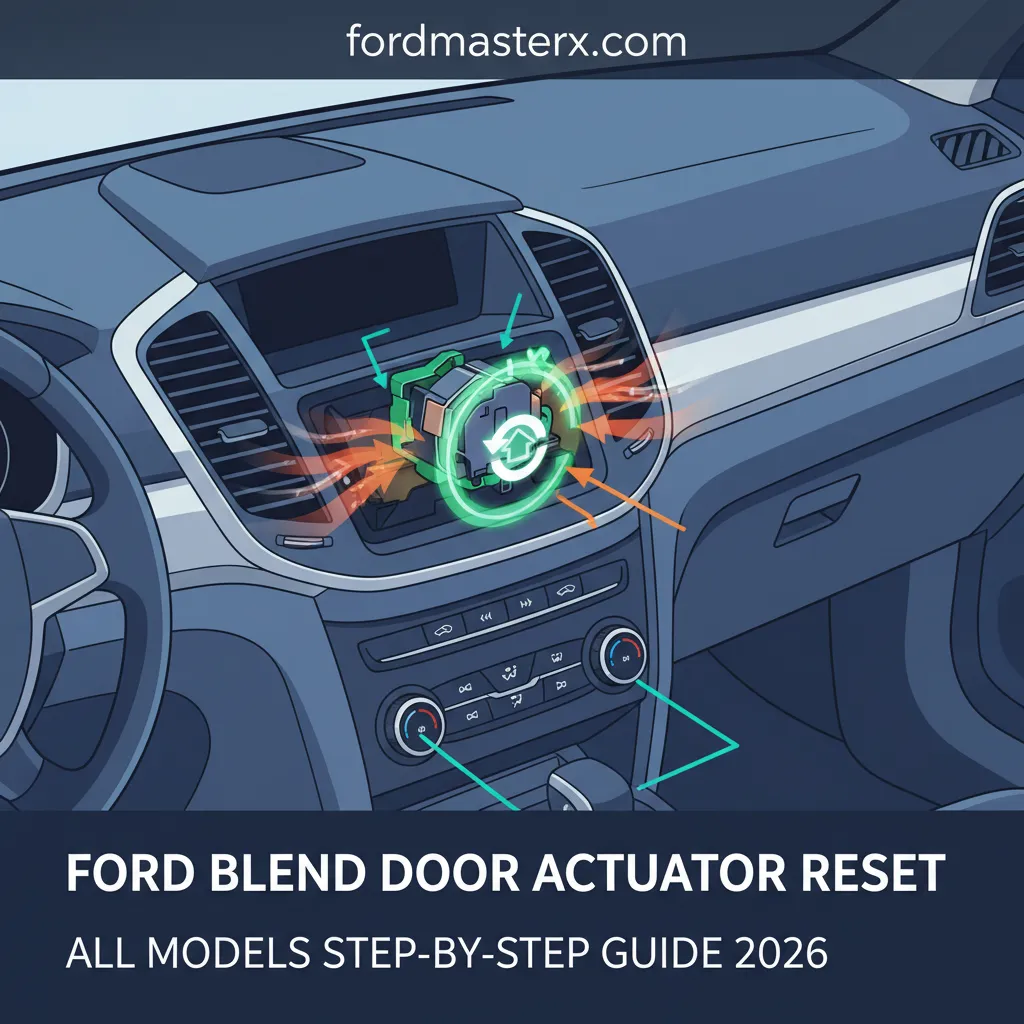
Ford Blend Door Actuator Reset: All Models Step-By-Step Guide 2026

Experiencing unpredictable temperature control or peculiar noises emanating from your Ford’s dashboard? A malfunctioning blend door actuator is often the culprit, leading to significant discomfort and frustration. Yet, diagnosing and resolving this common issue can seem daunting without precise guidance. This comprehensive, step-by-step guide for 2026 will empower you to understand, diagnose, and perform a Ford blend door actuator reset across various models, ultimately restoring optimal climate control and potentially averting costly professional repairs.

Diagnosing Blend Door Actuator Malfunctions: Identifying the Root Cause
Recommended Best Deal Products

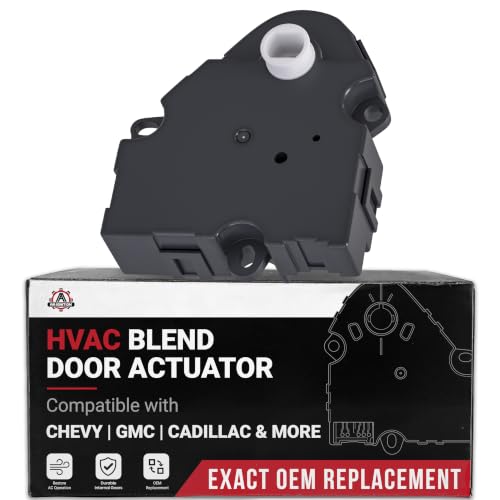

The blend door actuator is a vital component within your Ford’s heating, ventilation, and air conditioning (HVAC) system. This small but powerful electromechanical device is responsible for precisely controlling the position of the blend door, which mixes heated and cooled air to achieve your desired cabin temperature. Its proper function is paramount for consistent climate comfort, ensuring a fresh start to every drive.
📤 Share Image
Recognizing Common Symptoms of Failure
Identifying a malfunctioning blend door actuator often begins with discernible symptoms:
- Audible Cues: The most common indicators are persistent clicking, thumping, or grinding noises emanating from the dashboard area, particularly when adjusting temperature or first starting the vehicle. This noise typically signifies stripped gears or motor strain within the actuator.
- Inconsistent Temperature Delivery: Your Ford might blow air that is either exclusively hot or cold, regardless of your climate control settings. For instance, a 2015 Ford F-150 with dual-zone climate control might have the passenger side stuck on maximum heat, while the driver side functions normally.
- Inability to Change Air Temperature: The HVAC system may produce air at a fixed temperature, entirely unresponsive to user input.
- Air Blowing Exclusively Hot or Cold from Specific Vents: This can indicate a problem with a specific blend door or actuator, especially in vehicles with multi-zone climate control. An example might be a 2018 Ford Escape exhibiting a continuous clicking sound upon vehicle startup or temperature adjustment, often pointing directly to an actuator issue.
Research indicates that blend door actuators are among the most frequently replaced components in modern HVAC systems due to constant use. A typical OEM actuator performs hundreds of thousands of cycles over its lifespan, making wear and tear inevitable.
Differentiating Failure Modes: Electrical vs. Mechanical vs. Calibration
Understanding the nature of the malfunction is key to determining the appropriate solution:
- Electrical Issues: These can include faulty wiring, a blown fuse, or errors within the HVAC control module. Such problems prevent the actuator from receiving proper power or commands.
- Mechanical Wear: Over time, the actuator’s internal components can degrade. This often manifests as stripped gears, a worn-out motor, or a blend door that binds due to internal friction or debris.
- Calibration Errors: Sometimes, the actuator simply loses its “memory” of the blend door’s default home position or its range of motion. This can occur after a battery disconnect, a power surge, or a brief communication glitch with the control module. These issues typically require a reset or recalibration to restore proper functionality.
Initial Assessment: When a Reset is Appropriate
A simple recalibration or reset, aimed at restoring default settings, is often the first and most effective step. If the symptoms are primarily inconsistent temperature delivery or a persistent clicking that isn’t accompanied by a complete loss of function, a reset might resolve the issue. The average cost for professional diagnosis of these issues is typically $100-$150, making a DIY reset an attractive initial step to try to initialize the system and achieve a clean, fresh start for your climate control. If mechanical damage is suspected (e.g., severe grinding, no movement at all, or a completely stuck door), a replacement is more likely needed.

Performing a Ford Blend Door Actuator Reset: A Comprehensive Step-By-Step Guide
Several methods exist to perform a blend door actuator reset on Ford vehicles, ranging from simple key cycles to advanced diagnostic tool procedures. The goal is to effectively reboot the system, allowing the actuator to recalibrate and restore its default functionality. Always consult your Ford owner’s manual for model-specific instructions, as procedures can vary by year and trim.
📋
Step-by-Step Guide
Recommended Best Deal Products


This is often the simplest and quickest method to attempt. Turn your Ford’s ignition key to the ON position (without starting the engine). Then, turn it completely OFF. Wait approximately 10-20 seconds for the system to power down. Repeat this cycle 3-5 times. Listen carefully; you might hear the actuator moving, clicking, or whirring as it attempts to recalibrate and find its default positions. The ignition cycle method has a reported success rate of 30-40% for minor electronic glitches, offering a quick way to restore settings.

Audible — Listen Free for 30 Days
One free credit a month and thousands of titles included.
Listen Free for 30 Days As an Amazon Associate I earn from qualifying purchases.A more thorough approach to achieve a clean slate or “reboot” for your vehicle’s electronic modules. Safely disconnect the negative (-) battery terminal. Wait 15-30 minutes; this allows all system modules, including the HVAC control module, to fully discharge and clear any temporary memory or error states. For a 2012 Ford Focus, a battery disconnect might effectively resolve a ‘stuck’ blend door by forcing a system-wide reset. Reconnect the battery terminal, ensuring a secure connection. Upon initial startup, the vehicle’s onboard systems will typically perform a self-test, which often includes the HVAC system, potentially triggering a blend door recalibration. Battery disconnect can be effective in about 50-60% of cases for clearing temporary module errors and providing a fresh start.
Certain Ford models are equipped with built-in self-diagnostic or calibration sequences directly accessible from the climate control panel. This typically involves pressing a specific combination of buttons simultaneously (e.g., ‘OFF’ + ‘Floor’ + ‘Recirculate’ for some older models, or ‘AC’ + ‘Front Defrost’ for others). These sequences initiate an HVAC self-test mode that includes blend door actuator calibration. You might see diagnostic codes flash on the display or hear the system cycle. Since these combinations are highly model-specific, it’s crucial to consult your Ford’s owner’s manual for the precise sequence applicable to your vehicle, as an incorrect attempt might not yield results or could trigger other diagnostic modes. This method aims to restore the factory calibration.
For a more precise and reliable reset, especially for persistent issues, an OBD-II diagnostic scan tool is invaluable. Advanced tools, such as Ford’s IDS (Integrated Diagnostic System) or consumer-friendly software like Forscan, can directly interface with the HVAC module. These tools allow you to command a blend door actuator recalibration, read specific Diagnostic Trouble Codes (DTCs) – for example, a 2019 Ford Ranger might show a ‘B1083’ fault code related to the blend door circuit – and view live data to confirm actuator movement. This method is often the most effective for restoring factory settings and can help initialize a new actuator. Professional scan tool recalibration can boast an 80%+ success rate for non-mechanical failures, providing the most reliable way to restore default functionality.
Post-Reset Verification and Testing
After performing any reset procedure, it’s critical to verify the actuator’s functionality. Start your vehicle and turn on the HVAC system. Slowly cycle through all temperature settings, from maximum cold to maximum hot, listening for smooth operation and feeling for temperature changes from the vents. Also, cycle through all fan speeds and vent positions (e.g., floor, dash, defrost). A successful recalibration will typically be indicated by brief whirring or clicking sounds as the doors move, followed by silence once they reach their commanded position. The system should now maintain desired temperatures, indicating a successful restore of its calibration.
By The Numbers
Ignition Cycle Success Rate (Minor Glitches)
Battery Disconnect Success Rate (Temporary Errors)
Scan Tool Recalibration Success Rate (Non-Mechanical)
Average Professional Diagnostic Cost
What If the Reset Fails? Advanced Troubleshooting and Repair Options
If multiple blend door actuator reset attempts do not resolve the issue, it suggests a more significant problem than a mere calibration error. It’s time to delve deeper into diagnostics and consider repair or replacement.
Re-evaluating Persistent Symptoms
Carefully re-assess the symptoms after your reset attempts. Has the clicking become louder or changed in frequency? Has the temperature control slightly improved but remains inconsistent? Or is the problem entirely unresolved? If a 2017 Ford Explorer continues to blow only cold air despite multiple resets and high-temperature settings, a mechanical issue like a broken blend door shaft or stripped actuator gears is highly probable.
Visual Inspection for Mechanical Damage and Obstructions
Where accessible, perform a visual inspection of the actuator. Some blend door actuators (e.g., the passenger blend door in many Ford models) might be visible from the passenger footwell, requiring minimal disassembly. Others, like the main blend door actuator, might be deep within the dashboard, necessitating extensive removal of dash components. Look for:
- Visible Damage: Cracks in the actuator housing, loose mounting screws, or disconnected linkage arms.
- Stripped Gears: If you can see the gear mechanism, look for missing teeth or excessive wear.
- Obstructions: Check for any foreign objects, such as debris or wiring, that might be physically impeding the blend door’s movement.
Always disconnect the negative battery terminal before performing any hands-on inspection or electrical testing to prevent accidental short circuits or system damage. Exercise caution when reaching into confined spaces in the dashboard.
Audible Premium Plus — Annual Membership
12 audiobook credits up front, plus the full Audible catalogue.
See Annual Plans As an Amazon Associate I earn from qualifying purchases.Checking Electrical Integrity: Fuses and Connectors
Electrical issues can masquerade as actuator failures. Locate and inspect the blend door actuator’s electrical connector for signs of corrosion, bent pins, or loose connections. Additionally, check the relevant HVAC fuses in both the passenger compartment fuse box and the under-hood power distribution box. For a 2013 Ford Edge, a blown HVAC fuse could prevent the actuator from receiving power entirely, making a reset ineffective.
Advanced Electrical Diagnostics (Multimeter Use)
For advanced DIYers, a multimeter can provide definitive answers. With the ignition on (and engine off), test for proper voltage (typically 12V) and ground at the actuator connector. If the actuator receives power but doesn’t move, the internal motor or gears are likely faulty. If there’s no voltage, the problem lies upstream, possibly with the wiring or the control module. This step helps initialize the diagnostic process, moving beyond simple recalibration.
Criteria for Actuator Replacement
Replacement is the only viable solution when:
- The actuator exhibits persistent clicking, grinding, or thumping noises after multiple reset attempts, indicating internal mechanical failure.
- There is no physical movement of the blend door despite the actuator receiving power and commands.
- Visual inspection confirms stripped gears, a broken motor shaft, or significant physical damage.
- A diagnostic scan tool reports a constant fault code indicating an internal actuator fault that cannot be cleared by recalibration.
DIY blend door actuator replacement can save 70-80% of labor costs compared to dealership rates. However, accessibility varies wildly; some actuators can be replaced in under an hour, while others (particularly those deep within the dashboard) can require 4-8 hours of professional labor due to extensive disassembly.
Maintaining Your Ford HVAC System for Enhanced Longevity and Performance
Proactive maintenance is crucial for extending the lifespan of your Ford’s blend door actuators and the entire HVAC system. Adopting these habits can minimize the likelihood of future malfunctions and ensure consistent, comfortable climate control, providing a continuous fresh start for your vehicle’s environment.
Regular Cabin Air Filter Replacement
This simple task is often overlooked. Replace your cabin air filter at manufacturer-recommended intervals, typically every 15,000-30,000 miles or annually, or more frequently if you drive in dusty environments. A clogged filter severely restricts airflow, forcing the blower motor and, by extension, the blend doors to work harder. This increased strain accelerates wear on the actuator’s internal components. A clean cabin air filter can improve HVAC system efficiency by 10-15% and significantly reduce the strain on the blower motor and related actuators.
Gradual Temperature Adjustments
While modern HVAC systems are designed for durability, abrupt, large-degree changes in temperature settings can put unnecessary stress on blend door actuators. Instead, encourage making gradual adjustments (e.g., 3-5 degrees at a time). This allows the blend door to move smoothly across its range, reducing sudden torque demands on the actuator’s internal gears and motor, thereby enhancing its longevity and maintaining its default calibration.
Addressing Minor Issues Promptly
Don’t ignore early warning signs. Faint clicking sounds, slight temperature inconsistencies, or a momentary delay in temperature change can be precursors to more significant problems. Addressing these minor symptoms through a timely reset or inspection can prevent them from escalating into costly mechanical failures. A well-maintained 2020 Ford Escape with regular cabin filter changes is less likely to experience premature blend door issues, contrasting with a 2016 Ford Fusion where years of dusty environments and neglected filters contributed to early blend door failure.
Annual Professional HVAC System Inspections
Consider periodic professional inspections of your entire HVAC system. This includes checking refrigerant levels, assessing compressor clutch engagement, cleaning the condenser and evaporator, and lubricating critical components. A comprehensive check can identify potential issues before they cause actuator failure, preserving the system’s factory performance and helping to initialize the components for another year of reliable operation. Studies indicate that adhering to manufacturer-recommended maintenance schedules can extend the lifespan of vehicle components by 20-30% on average, including blend door actuators.
Ford blend door actuators are crucial for cabin temperature regulation; their failure presents distinct symptoms like clicking and inconsistent heating/cooling. Initial troubleshooting should always include blend door actuator reset procedures, such as ignition cycling or battery disconnection, aimed at restoring default calibration. If these simple resets fail, persistent issues necessitate advanced diagnostics, including visual inspection, electrical checks, and potentially a diagnostic scan tool, often indicating mechanical failure and the need for replacement. Lastly, proactive HVAC system maintenance, including regular cabin air filter changes and gentle temperature adjustments, significantly extends component longevity and prevents future blend door issues, ensuring your system remains in top condition for 2026 and beyond.
By diligently following these detailed diagnostic and reset steps, you are well-equipped to address common Ford blend door actuator issues. Should the problem persist, we recommend consulting a certified Ford technician for a thorough professional diagnosis and repair to ensure lasting climate comfort and a complete restore of your vehicle’s HVAC functionality.
Frequently Asked Questions
What does a blend door actuator do in a Ford?
A blend door actuator is a small electric motor that controls a movable flap, known as the blend door, within your Ford’s HVAC system. Its critical function is to precisely mix hot air from the heater core with cold air from the evaporator to achieve the exact cabin temperature you select, ensuring consistent climate control.
How can I tell if my Ford blend door actuator is bad?
Common indicators include a persistent clicking, thumping, or grinding noise originating from behind the dashboard, especially when you adjust temperature settings or start the vehicle. You might also experience inconsistent heating or cooling, such as air blowing only hot or cold on one side, or an inability to change the air temperature at all.
Is it safe to drive with a bad blend door actuator?
Generally, it is safe to drive your Ford with a faulty blend door actuator, as it does not typically affect critical vehicle operations or safety systems. However, it can significantly compromise occupant comfort due to uncontrollable cabin temperatures, which can be particularly inconvenient or uncomfortable during extreme weather conditions.
Can I reset a blend door actuator myself without special tools?
Yes, in many cases, minor blend door actuator calibration issues can be resolved with simple DIY methods. These often involve performing an ignition key cycle reset (turning the key on/off repeatedly) or disconnecting the vehicle’s battery for a short period (e.g., 15-30 minutes) to allow the HVAC control module to recalibrate upon restart, aiming for a fresh start.
How much does it cost to replace a blend door actuator on a Ford?
The cost to replace a Ford blend door actuator varies significantly, typically ranging from $200 to $500 or more. This wide range depends on the specific Ford model, the actuator’s location (some require extensive dashboard disassembly, increasing labor costs), and whether you opt for a dealership, independent mechanic, or attempt a DIY replacement.