
Ford F-150 4×4 Actuator Problems: Symptoms, IWE Tests and Fixes

Ford F150 4X4 actuator problems can lead to issues with engaging the four-wheel-drive system. Common symptoms include grinding noises and failure to switch modes.
The Ford F150, a popular pickup truck, often faces issues with its 4X4 actuator. This component is crucial for engaging the four-wheel-drive system, which is essential for off-road driving and challenging terrains. Actuator problems can result in grinding noises, difficulty in switching between 2WD and 4WD, or complete failure to engage the 4WD mode.


Addressing these issues promptly is vital to maintaining the vehicle’s performance and preventing further damage. Regular maintenance and timely repairs can help ensure the 4X4 system functions smoothly, providing the necessary traction and control for various driving conditions.
Common Actuator Issues


The Ford F150 4X4 actuator is a key component in the truck’s drivetrain. It enables the switch between two-wheel and four-wheel drive. On many 4WD F-150s, “actuator” can mean two parts. One is the vacuum-operated integrated wheel end (IWE) actuators at the front hubs. The other is the electric transfer case shift motor. Ford TSBs 20-2278 and 24-2188 cover IWE grinding on 2006–2020 F-150s, which can happen when the IWEs lose vacuum or only partly engage. Understanding common issues with the actuator can help you maintain your vehicle better.
Symptoms Of Failure
Watch for these symptoms of actuator failure:
- Grinding noises
- Difficulty in shifting to 4X4 mode
- 4X4 indicator light not working
- Truck stuck in 4X4 mode
These symptoms can indicate a failing actuator. Early detection can prevent bigger problems.
Causes Of Malfunction



Several factors can cause an actuator to malfunction:
| Cause | Description |
|---|---|
| Wear and Tear | Actuators can wear out over time. |
| Electrical Issues | Faulty wiring can disrupt actuator function. |
| Contamination | Dirt and debris can clog the actuator. |
| Lack of Lubrication | Insufficient lubrication can cause components to seize up. |
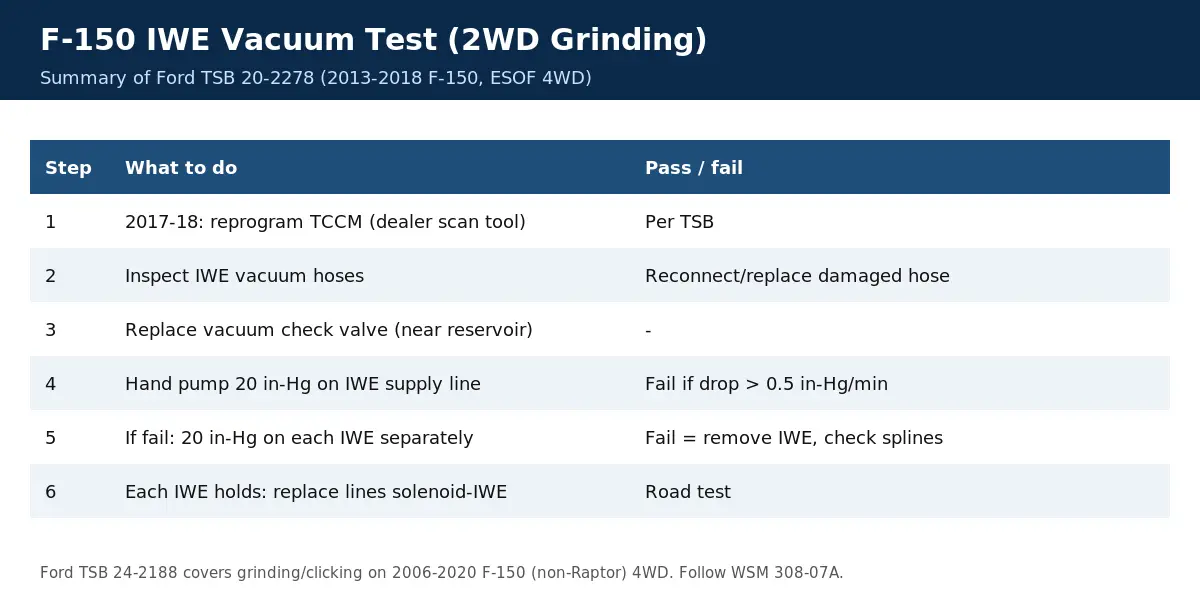
| Vacuum Loss (IWE trucks) | A leaking hose, check valve or IWE can let the hubs partly engage in 2WD, causing grinding (Ford TSB 20-2278). |
Regular maintenance and inspections can help prevent these issues. Keeping an eye on the actuator’s condition will ensure your Ford F150 remains in top shape.
Diagnosing Actuator Problems


Diagnosing issues with the Ford F150 4X4 actuator can seem daunting. But breaking it down into simple steps can help. This section will guide you through an initial inspection and the use of diagnostic tools.
Initial Inspection


Start with a visual check. Look at the wiring and connectors. Ensure no wires are loose or broken. Check for signs of wear and tear.


Next, listen for unusual noises. Turn on the 4X4 system and listen. A grinding noise might indicate a problem with the actuator.
Also, check the dash indicator light. If it doesn’t turn on or blinks, it might signal an actuator issue. These simple steps can help identify if the actuator is the problem.
Using Diagnostic Tools


If the initial inspection doesn’t reveal the issue, use diagnostic tools. A code reader can help. Plug it into the OBD-II port under the dashboard.


Check for any error codes. U-codes are network communication codes, not actuator failure codes. For example, U0102 means lost communication with the transfer case control module, which points to wiring, power or the module itself. Look up any code against your truck’s workshop manual before replacing parts.
You can also use a multimeter. Measure the voltage at the actuator connector. Compare the reading with the specification in the wiring diagram for your model year.
Using these tools, you can pinpoint the problem more accurately. This will help you decide the next steps for fixing your Ford F150 4X4 actuator.


Diy Troubleshooting


Experiencing issues with your Ford F150 4X4 actuator can be frustrating. But you can try some DIY troubleshooting before heading to a mechanic. This guide will help you address common problems. We will focus on checking electrical connections and inspecting vacuum lines.
Checking Electrical Connections


First, ensure all electrical connections are secure. Loose or corroded connections can cause actuator problems.
- Locate the actuator wiring harness.
- Inspect the connectors for any signs of wear or damage.
- Use a multimeter to check for continuity.
- If there is no continuity, clean the connectors and try again.
Make sure to check the fuse related to the actuator. A blown fuse can disrupt the electrical supply.
| Step | Description |
|---|---|
| Step 1 | Locate the fuse box. |
| Step 2 | Identify the fuse for the actuator. |
| Step 3 | Check if the fuse is blown. |
| Step 4 | Replace it with a new fuse, if needed. |
Inspecting Vacuum Lines
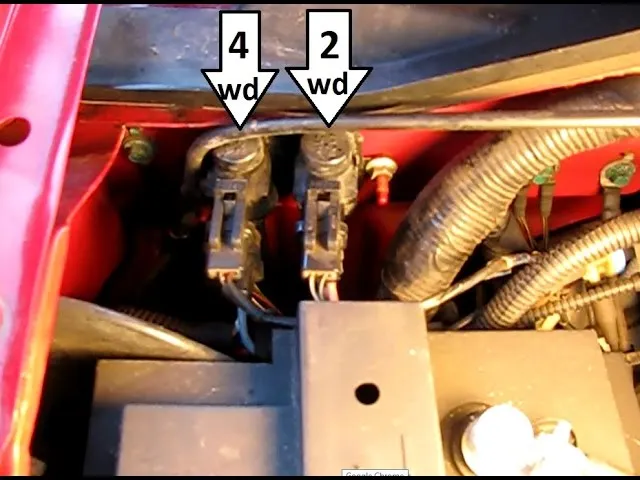
Next, inspect the vacuum lines. These are crucial for the actuator’s operation.
- Locate the vacuum lines connected to the actuator.
- Check for any signs of wear, cracks, or disconnections.
- Replace any damaged vacuum lines immediately.
Use a hand vacuum pump to test the lines for leaks. Ford’s procedure in TSB 20-2278 (2013–2018 F-150) applies 20 in-Hg to the IWE supply line and then to each IWE, one at a time. A drop of more than 0.5 in-Hg per minute fails the test. The TSB also calls for replacing the vacuum check valve near the reservoir.
- If the line does not hold vacuum, replace it.
- Ensure all connections are tight and secure.
Regularly inspect and maintain your vacuum lines. This helps prevent future actuator problems.
Replacing The Actuator
Replacing the actuator in your Ford F150 4X4 can fix many problems. This process involves using the right tools and following a step-by-step guide. This will help ensure your vehicle runs smoothly.
Tools Needed
- Socket set
- Screwdrivers
- Jack and jack stands
- Pliers
- Replacement actuator
- Torque wrench
Step-by-step Guide
- Lift the Vehicle: Use a jack to lift the F150. Secure it with jack stands.
- Locate the Actuator: Identify which part has failed. IWE actuators sit at each front hub. The transfer case shift motor bolts to the transfer case.
- Remove the Wheel: For an IWE, remove the front wheel. Ford’s procedure also involves the brake caliper and other front-end parts, so follow the workshop manual (Section 308-07A).
- Disconnect Wiring: Unplug the actuator wiring harness carefully.
- Unscrew the Actuator: Use the socket set to remove the actuator bolts.
- Remove the Actuator: Pull out the old actuator gently.
- Install the New Actuator: Place the new actuator in position and tighten the fasteners to the torque in the workshop manual. Ford’s IWE TSB parts list includes new nuts and bolts for some fasteners.
- Reconnect Wiring: Plug the wiring harness back into the new actuator.
- Replace the Wheel: Put the wheel back on and tighten the lug nuts.
- Lower the Vehicle: Carefully lower the F150 back to the ground.
- Test the Actuator: Start the vehicle and test the new actuator.
Following these steps ensures your Ford F150 runs without actuator issues. Always use the correct tools for safety and efficiency.
Preventative Maintenance
Preventative maintenance is crucial for avoiding Ford F150 4X4 actuator problems. Simple steps can help you avoid costly repairs. Regular checks and proper care are essential. Let’s explore key areas of maintenance.
Regular Inspections
Regular inspections can identify issues early. Check the actuator for wear and damage. Inspect wiring and connections for corrosion. Examine the actuator’s seals for leaks. Addressing small issues can prevent bigger problems.
Proper Lubrication
Proper lubrication ensures smooth operation of the actuator. Use the lubricant the workshop manual specifies. Ford’s IWE bulletin lists Motorcraft Premium Long-Life Grease (XG-1-E1) for that repair. Clean parts before applying it, and do not grease vacuum or electrical connectors. Regular lubrication can extend the life of your actuator.
When To Seek Professional Help
Experiencing issues with your Ford F150 4X4 actuator can be frustrating. Knowing when to seek professional help is crucial. This ensures your vehicle stays in good condition. Pay attention to the following signs and tips.
Signs Of Severe Issues
Some problems with the 4X4 actuator require immediate attention. Here are some signs:
- Grinding noises: This can mean the IWEs are partly engaging or worn. Ford TSB 24-2188 covers this on 2006–2020 F-150s.
- 4X4 mode fails to engage: This might be an actuator failure.
- Warning lights: Dashboard alerts need quick attention.
Ignoring these signs can worsen the issue. It can lead to costly repairs. Always address severe issues early.
Finding A Reliable Mechanic
Finding a trustworthy mechanic ensures quality service. Here are steps to find one:
- Ask for recommendations from friends and family.
- Check online reviews and ratings.
- Visit the shop and talk to the mechanic.
- Ask about their experience with Ford F150 4X4 actuators.
- Request a written estimate before agreeing to any work.
A reliable mechanic will diagnose the problem accurately. They will also provide a fair estimate. Ensuring your Ford F150 gets the best care is essential.
| Problem | Signs | Action |
|---|---|---|
| Grinding Noises | Loud, unusual sounds | Seek professional help |
| 4X4 Mode Fails | 4X4 light not engaging | Check actuator |
| Warning Lights | Dashboard alerts | Immediate attention needed |
Always keep your Ford F150 in top condition. Recognizing signs of severe issues is key. Finding a reliable mechanic can save you time and money.
Cost Considerations
Understanding the cost considerations for Ford F150 4X4 actuator problems is crucial. This section will break down the expenses you may face. We will cover replacement costs and labor charges. This will help you budget effectively.
Replacement Costs
The replacement cost for a Ford F150 4X4 actuator varies. It depends on the model and year of your truck. Part prices vary widely by year, part (IWE or shift motor) and brand. The figures below are rough estimates, not quotes. You can find these parts at various auto parts stores or online.
Here is an illustrative table of part-cost ranges (estimates only, so check current prices for your VIN):
| Year | Cost Range |
|---|---|
| 2010-2015 | $150 – $200 |
| 2016-2020 | $200 – $250 |
| 2021-Present | $250 – $300 |
Labor Charges
Labor charges can add significantly to your total cost. For reference, Ford’s warranty labor times in TSB 18-2273 start at 0.7 hours and reach 2 hours or more for the IWE vacuum and actuator repairs on 2013–2018 trucks. Shop rates depend on your location and the mechanic’s experience.
Some shops may charge by the hour, while others have flat rates. Be sure to get a written estimate before agreeing to the work.
Consider these factors when calculating labor charges:
- Mechanic’s hourly rate
- Complexity of the job
- Additional services offered
Get a written estimate. The total depends on the part, whether wheel bearings also need replacing, and the local labor rate.
Here’s an ordered list to summarize the steps:
- Find a reliable mechanic.
- Get a written estimate.
- Compare the costs.
- Schedule the repair.
Being informed helps you avoid unexpected expenses. Always ask for details about the repair process.
User Experiences
Understanding user experiences can help uncover common issues and solutions. Many Ford F150 4X4 owners have shared their stories. Their insights shed light on the 4X4 actuator problems.
Common Complaints
Many users report specific issues with the Ford F150 4X4 actuator:
- Noise: Users often hear grinding or clicking sounds.
- Engagement Issues: The 4X4 mode fails to engage or disengage.
- Warning Lights: Dash warning lights frequently illuminate.
These problems can frustrate drivers. They can impact off-road adventures and daily commutes.
Success Stories
Despite the issues, many users have found effective solutions:
- Regular Maintenance: Keeping the actuator clean and lubricated helps.
- Upgraded Parts: Some users install aftermarket actuators for better performance.
- Professional Help: Consulting a skilled mechanic resolves persistent problems.
These success stories provide hope. With the right approach, the Ford F150 4X4 can perform reliably.
Frequently Asked Questions
What Are The Symptoms Of A Bad 4wd Actuator?
Symptoms of a bad 4WD actuator include difficulty engaging 4WD, unusual noises, warning lights, and inconsistent 4WD performance.
How Much Does It Cost To Replace A Hub Actuator On A Ford F150?
Costs vary by part and shop. For reference, Ford’s warranty labor times for the 2013–2018 IWE repairs (TSB 18-2273) start at 0.7 hours and reach 2 hours or more, plus parts. Get a written quote.
What Are The Symptoms Of The Iwe On A Ford F150?
The symptoms of a failing IWE on a Ford F150 include grinding or clicking from the front wheels in 2WD (often on acceleration) and inconsistent 4WD engagement. The usual cause is a vacuum leak at a hose, the check valve or the IWE itself (Ford TSB 20-2278).
What Is The Actuator On A 4×4?
The actuator on a 4×4 engages the vehicle’s four-wheel-drive system. It allows power to transfer to all wheels.
Conclusion
Dealing with Ford F150 4X4 actuator problems can be frustrating. Regular maintenance and timely repairs can help. Always consult a trusted mechanic for complex issues. Proper care ensures your Ford F150 remains reliable. Stay informed and proactive to avoid unexpected breakdowns.
Keep your vehicle in top shape for a smooth ride. For related codes, see our F-150 check engine light guide.
3 Comments