How To Reset Ford Abs Light Without Scan Tool Reset 2026

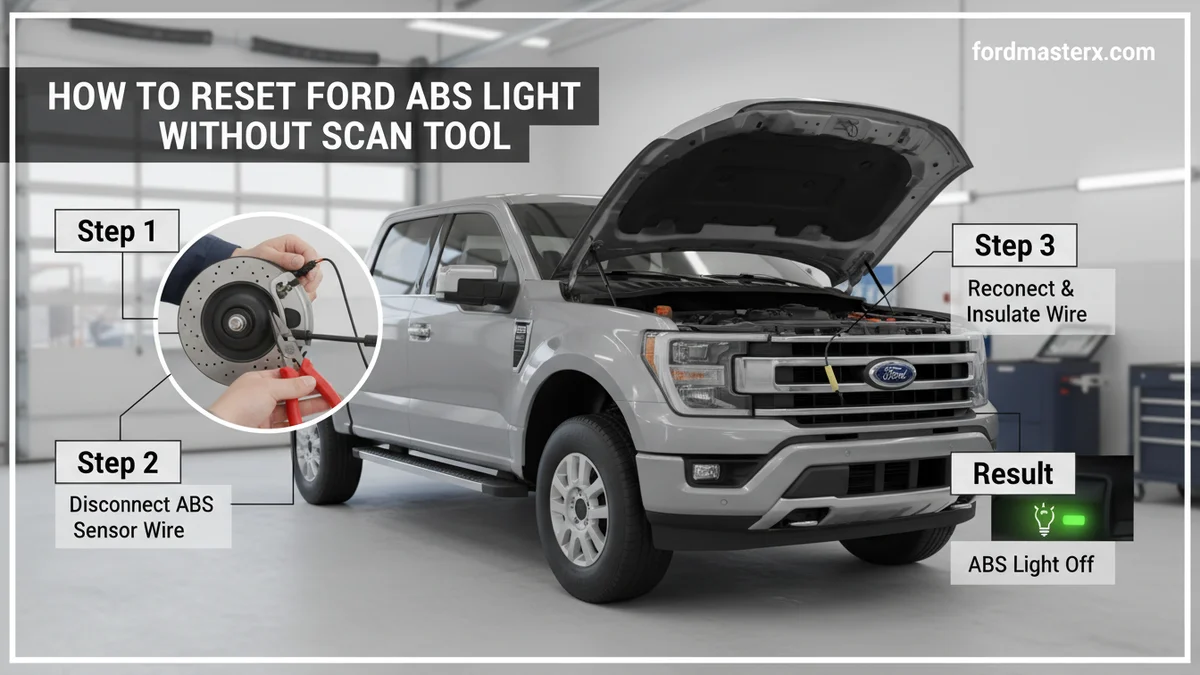
To reset your Ford ABS light without a scan tool, you can often perform basic checks like disconnecting the battery, inspecting fuses, or cleaning wheel speed sensors. These simple methods address common, non-critical issues that may trigger the warning light.
Facing a Ford ABS light can be concerning, but you might be able to reset your Ford ABS light without a scan tool through simple, effective methods. Many common issues that trigger this warning can be resolved with basic checks and adjustments, saving you a trip to the mechanic.

Prime for Young Adults — 6 Months Free
Students and 18–24s get six months of Prime free, then half price.
Start 6 Months Free As an Amazon Associate I earn from qualifying purchases.This article provides actionable, step-by-step instructions for Ford owners in 2026 looking to troubleshoot their ABS light. We focus on manual resets and component inspections you can perform at home. Understanding why your Ford’s ABS light activates is the first step toward finding a solution that doesn’t always require a specialized tool.
To reset your Ford ABS light without a scan tool, you can often perform basic checks like disconnecting the battery, inspecting fuses, or cleaning wheel speed sensors. These simple methods address common, non-critical issues that may trigger the warning light.
Key Takeaways
Recommended Best Deal Products


- Many ABS light issues have simple, no-tool fixes.
- Battery disconnect can sometimes clear minor ABS faults.
- Fuses and wheel sensors are common culprits.
- Driving with an active ABS light carries safety risks.
- Professional diagnosis is crucial for persistent warnings.
5 Common Reasons Your Ford ABS Light Activates
Before attempting a reset, understanding the underlying causes of an illuminated ABS light on your Ford can pinpoint the actual problem. Many issues don’t require complex diagnostics.
Low Brake Fluid Levels
Your Ford’s ABS system relies on adequate brake fluid pressure. If the fluid level drops below the minimum, a sensor can trigger the ABS warning light, even if the primary brakes still function. This often indicates a leak or worn brake pads that require fluid to compensate for wear.
Consult your Ford owner’s manual for the specific type and level requirements for your model.
Dirty Wheel Sensors
Wheel speed sensors monitor each wheel’s rotation. Road grime, brake dust, or debris can accumulate on these sensors, leading to erratic readings or a complete loss of signal. The ABS control module interprets this as a fault, illuminating the warning light. Cleaning these sensors can often resolve the issue.
Blown Electrical Fuses
The ABS system, like other vehicle electronics, is protected by fuses. A blown fuse in the ABS circuit will cut power to the system, causing the light to illuminate. This is often a straightforward fix, requiring only a fuse replacement. Always check the correct fuse amperage before replacing it.
Battery Power Issues
An aging battery or a faulty alternator can lead to inconsistent power supply to your Ford’s electronic systems, including the ABS. Fluctuations in voltage can sometimes trigger false ABS warnings. Ensuring your battery and charging system are healthy is a good starting point for troubleshooting.
Damaged Sensor Wiring
The wires connecting the wheel speed sensors to the ABS control module can become frayed, pinched, or corroded over time. This damage can disrupt the signal, causing the ABS light to come on. Visually inspecting these wires for wear is an important check.

Audible — Listen Free for 30 Days
One free credit a month and thousands of titles included.
Listen Free for 30 Days As an Amazon Associate I earn from qualifying purchases.Once you have an idea of what might be causing the issue, you can attempt one of the simplest methods to reset the light without any special equipment.
How to Perform a Ford ABS Light Reset in 3 Steps
Recommended Best Deal Products


One of the most straightforward methods to reset a Ford ABS light involves a temporary power cycle for your vehicle’s computer. This process can clear minor, transient fault codes.
Always ensure your Ford is parked on level ground with the parking brake engaged before working on any electrical components. Wear appropriate safety gear, such as gloves and eye protection.
Disconnect Battery Cable
Using a wrench, loosen the nut on the negative (-) terminal of your car battery. Carefully remove the negative cable from the battery post and ensure it cannot accidentally reconnect by securing it away from the terminal. This cuts power to the vehicle’s electrical system, including the ABS module.
Wait for System Reset
Allow at least 15 to 30 minutes for the vehicle’s computer systems to fully discharge and reset. This waiting period ensures that any stored fault codes in volatile memory are cleared. You can use this time to perform a quick visual inspection under the hood or around the wheels.
Reconnect and Observe
Reconnect the negative battery cable to the battery post and tighten the nut securely. Start your Ford and drive it for a short distance, including some braking, to see if the ABS light has extinguished. If the light remains off, the temporary reset was successful. If it returns, a deeper issue needs investigation.
If a simple battery disconnect does not clear the ABS light, the next set of checks involves inspecting key components that are often responsible for triggering the warning.
7 Simple Checks for Ford ABS System Components
Beyond a simple battery reset, several vital components within your Ford’s ABS system can be manually checked for issues. These steps do not require specialized diagnostic tools.
Examine Brake Fluid Reservoir
Locate your Ford’s brake fluid reservoir, usually under the hood. Check the fluid level against the “min” and “max” lines. Low fluid can trigger the ABS light, and if it’s significantly low, it suggests a leak or worn brake pads that need attention. [INTERNAL LINK: How To Check Ford Brake Fluid Levels Safely]
Locate ABS Fuse Box
Refer to your Ford’s owner’s manual for the precise location of your fuse boxes and the diagram for the ABS fuse. Ford vehicles often have multiple fuse boxes, including one under the hood and one inside the cabin. The manual will specify which fuse protects the ABS system.
Audible Premium Plus — Annual Membership
12 audiobook credits up front, plus the full Audible catalogue.
See Annual Plans As an Amazon Associate I earn from qualifying purchases.Inspect Relevant Fuses
Once you’ve identified the ABS fuse (or fuses), carefully pull each one out using a fuse puller or small pliers. Hold the fuse up to a light source and check for a broken wire inside. If a fuse is blown, replace it with a new one of the exact same amperage.
[EXTERNAL LINK: Understanding Vehicle Fuses and Their Role in Safety]
Find Wheel Speed Sensors
The wheel speed sensors are typically located near each wheel hub, mounted onto the steering knuckle or axle housing. You may need to jack up the vehicle and remove the wheels for better access. Always use jack stands for safety.
Clean Sensor Heads
Carefully remove each sensor (if possible, without damaging the wiring) and gently clean any dirt, metal shavings, or debris from its tip with a soft cloth. For stubborn grime, a non-corrosive electronic cleaner can be used. Ensure the sensor is dry before reinstalling.
Check Sensor Connectors
Inspect the electrical connectors for each wheel speed sensor. Look for corrosion, loose connections, or damaged wiring. Secure any loose connections and clean any visible corrosion using a terminal brush or electrical contact cleaner. Ensure the clips are fully engaged when reattaching.
Verify Battery Terminals
Ensure both the positive and negative battery terminals are clean and tight. Loose or corroded terminals can disrupt the electrical flow to various vehicle systems, including the ABS, leading to intermittent warnings. Clean any white, powdery corrosion with a wire brush and a baking soda solution. [INTERNAL LINK: Best Practices For Ford Battery Maintenance]
While performing these checks can resolve many ABS light issues, understanding the risks associated with an active ABS warning is crucial for your safety and the safety of others.
When Driving With an ABS Light Becomes Risky
Recommended Best Deal Products


Driving with an illuminated ABS light on your Ford carries significant safety implications that you must consider. The anti-lock braking system is a critical safety feature designed to prevent wheel lock-up during emergency braking.
Compromised Braking Power
When the ABS light is on, your anti-lock braking system is likely disabled. This means that in sudden stops, your wheels could lock up, causing your Ford to skid and lose steering control. While your regular braking system might still function, it will lack the enhanced safety features of ABS.
Loss of Vehicle Stability
Many modern Ford vehicles integrate ABS with other stability control systems, such as Electronic Stability Control (ESC) and Traction Control (TC). A malfunctioning ABS often means these systems are also compromised, increasing the risk of losing control, especially on slippery surfaces or during sharp turns.
Additional Warning Lamps
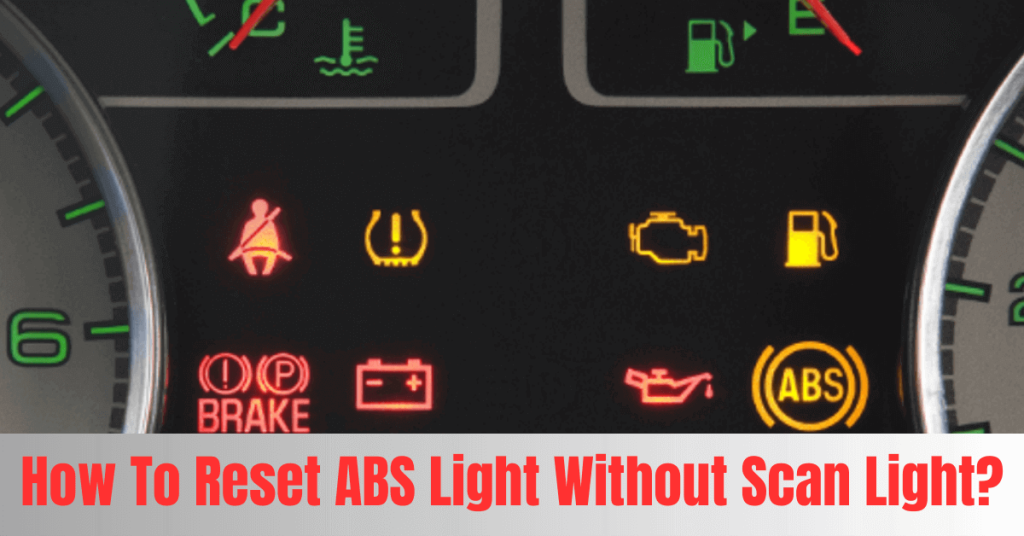
An ABS light may not be the only indicator of a problem. If other warning lights, such as the brake system warning light, traction control light, or check engine light, also illuminate, it signifies a more complex or severe issue. This combination of warnings demands immediate attention and reduced driving until diagnosed.
The [EXTERNAL LINK: National Highway Traffic Safety Administration] emphasizes that a fully functional ABS system significantly reduces stopping distances and maintains steering control during emergency braking.
Even after attempting manual resets and component checks, certain signs unequivocally indicate that professional expertise is the only safe next step for your Ford’s ABS system.
3 Scenarios When Professional ABS Diagnosis Is Essential
While many ABS light issues are simple to address, there are critical situations where professional diagnosis for your Ford becomes non-negotiable. Your safety and the vehicle’s integrity depend on recognizing these signs.
Persistent Light Remains
If the ABS light on your Ford remains illuminated despite trying the battery disconnect reset and performing thorough component checks, it indicates a deeper, persistent issue. Manual methods are for superficial problems; a continuous light points to a fault requiring specialized diagnostic tools.
Braking Performance Changes
Any noticeable change in your Ford’s braking performance, such as a spongy pedal, grinding noises, increased stopping distance, or the vehicle pulling to one side, is a serious concern. These symptoms, coupled with an active ABS light, signal a potentially dangerous malfunction that needs immediate professional assessment.
Other Warning Lights Appear
The appearance of your ABS light alongside other critical warning lights, particularly the general brake warning light or traction control light, demands professional attention. This usually indicates a multifaceted problem within your braking system, requiring a comprehensive diagnostic scan. Ignoring these combined warnings can lead to severe safety risks.
Ultimately, ensuring your Ford’s ABS system functions correctly is paramount for safe driving, making prompt action vital.
Final Thoughts on Your Ford ABS Light
Addressing an illuminated ABS light on your Ford is crucial for maintaining vehicle safety and performance. While methods like disconnecting the battery or inspecting fuses and wheel speed sensors can often resolve minor issues without a scan tool, always prioritize caution. These DIY steps are valuable for troubleshooting common problems in 2026 and potentially avoiding unnecessary repair costs.
However, remember that your anti-lock braking system is a cornerstone of modern vehicle safety. Persistent warnings or noticeable changes in braking performance mean it is time to consult a certified Ford mechanic for a professional diagnosis. Your prompt action helps ensure reliable and safe driving.
5 Frequently Asked Questions About Your Ford ABS Light
Can a Low Battery Trigger My Ford ABS Light?
Yes, a low or failing battery can sometimes trigger the ABS light on your Ford. Insufficient voltage or unstable power delivery can cause electronic modules, including the ABS control unit, to malfunction or report errors. Ensure your battery and charging system are in good health before assuming a more complex ABS issue.
Is It Safe to Drive My Ford With the ABS Light On?
It is generally not recommended to drive your Ford with the ABS light on for extended periods. While your regular brakes may still work, the anti-lock function will be disabled, increasing the risk of skidding during hard braking. If other brake warning lights are also on or braking feels different, avoid driving and seek immediate professional help.
How Often Do Ford ABS Sensors Fail?
Ford ABS sensors can fail due to various reasons, including corrosion, physical damage, or accumulation of debris. Their lifespan varies greatly depending on driving conditions and maintenance, but they are a relatively common point of failure in the ABS system. Regular cleaning can sometimes prevent premature failure.
Will Disconnecting My Ford Battery Always Reset the ABS Light?
Disconnecting your Ford’s battery may reset the ABS light if the issue was a minor, transient electrical glitch or a false alarm. However, if there is an underlying mechanical or persistent electrical fault, the light will likely reappear after you start driving again. This method is a first-step troubleshooting technique, not a guaranteed fix.
Can a Ford ABS Light Cause Other Dashboard Lights to Appear?
Yes, a problem within the Ford ABS system can often trigger other dashboard warning lights. Because ABS is integrated with systems like Traction Control (TC) and Electronic Stability Control (ESC), a fault in one can disable the others, causing their respective warning lights to illuminate alongside the ABS light. This signals a more comprehensive issue.