How To Permanently Disable Anti Theft System Ford 2026

Permanently disabling a Ford anti-theft system is highly complex and generally not recommended due to significant security risks, legal issues, and potential damage to your vehicle’s electronics. This guide explores the system’s function, common issues that prompt such inquiries, and legitimate troubleshooting or temporary bypass methods, rather than advocating for permanent deactivation.
The question of how to permanently disable anti theft system Ford arises for various reasons, but this process is rarely straightforward or advisable. Attempting to permanently deactivate your Ford’s anti-theft system carries significant security risks, potential legal issues, and can cause irreparable damage to vehicle electronics.

Prime for Young Adults — 6 Months Free
Students and 18–24s get six months of Prime free, then half price.
Start 6 Months Free As an Amazon Associate I earn from qualifying purchases.This guide aims to provide a comprehensive understanding of Ford’s security features and explore legitimate troubleshooting or temporary bypass methods for owners facing system malfunctions.
We will focus on addressing common concerns without advocating for permanent deactivation in 2026. Understanding the core technology behind Ford’s security features is the first step in addressing any issues you might encounter.
Key Takeaways
Recommended Best Deal Products

- Permanent disablement has serious risks.
- Ford PATS protects against unauthorized starts.
- Temporary bypasses exist for specific issues.
- Legal and insurance consequences are significant.
- Professional Ford service is often the best solution.
What Is Ford’s Passive Anti-Theft System?
Ford’s Passive Anti-Theft System, or PATS, is a sophisticated security measure designed to protect your vehicle from theft. Introduced in the mid-1990s, PATS has been a standard feature across many Ford models, significantly reducing vehicle theft rates. This system prevents the engine from starting unless it recognizes a specifically programmed ignition key.

It operates silently in the background, providing a crucial layer of security.
Key Components Explained
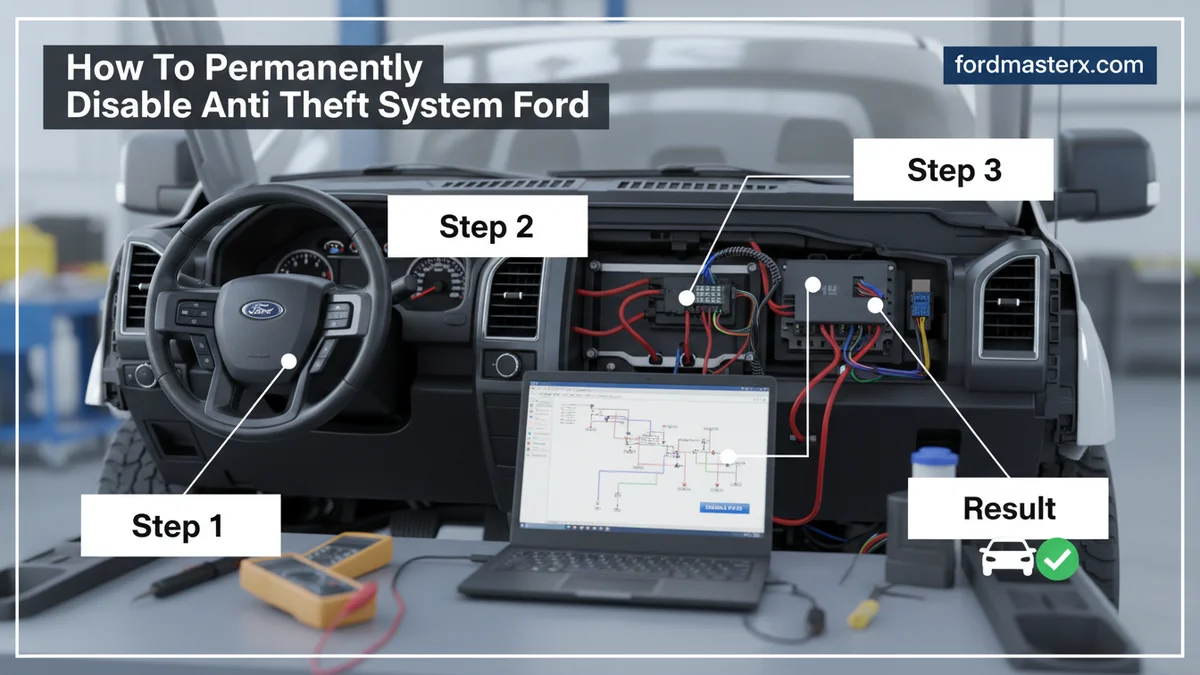
The PATS system relies on several integrated components working together. At its core are the transponder chip embedded within your ignition key and the transceiver coil located around the ignition lock cylinder. These communicate with the Powertrain Control Module (PCM) or sometimes a dedicated PATS module.
The PCM acts as the central brain, verifying the key’s authenticity. Without a proper handshake between these components, the PCM will not allow the engine to start, effectively immobilizing the vehicle. .
How Immobilizers Work
When you insert a key into the ignition and turn it, the transceiver coil sends out a low-frequency radio signal. This signal energizes the transponder chip in the key. The chip then transmits a unique, encrypted code back to the transceiver. This code is relayed to the PCM for verification.
If the PCM recognizes the code as valid, it enables fuel delivery and ignition, allowing the car to start. If the code is incorrect or missing, the system will prevent the engine from firing up.
Vehicle Security Benefits
The primary benefit of PATS is enhanced vehicle security. It makes hot-wiring virtually impossible, as bypassing the ignition cylinder will not supply the correct code to the PCM. This protection deters theft and provides peace of mind for vehicle owners. A functioning PATS system also contributes to lower insurance premiums due to the reduced risk of theft.

Audible — Listen Free for 30 Days
One free credit a month and thousands of titles included.
Listen Free for 30 Days As an Amazon Associate I earn from qualifying purchases.While PATS offers significant protection, certain situations may lead owners to consider alternative solutions, often driven by specific problems.
5 Common Reasons to Address Ford Security Issues
Recommended Best Deal Products


Owners often seek information on disabling Ford’s anti-theft system due to frustrating or urgent scenarios, not necessarily malicious intent. These issues typically stem from system malfunctions or integration challenges rather than a desire to compromise vehicle security. Understanding these motivations is key to finding appropriate solutions.
Faulty System Triggers
One of the most common complaints involves a faulty anti-theft system that causes false alarms or prevents the car from starting. This can manifest as the “THEFT” light flashing on the dashboard or the car simply cranking but not catching. Such intermittent issues are incredibly frustrating and can leave owners stranded.
They prompt searches for ways to disable the system to restore vehicle reliability.
Lost Key Concerns
Losing a key with a damaged or non-functional transponder chip is another significant driver for seeking anti-theft solutions. Without a correctly programmed key, the PATS system will not allow the vehicle to start. This situation often leads owners to explore options for bypassing the system or reprogramming new keys, especially if immediate professional help is unavailable.
Aftermarket Installation
Integrating aftermarket remote start systems or other electronic modifications can sometimes conflict with Ford’s factory anti-theft system. These conflicts can trigger immobilizer issues, preventing the car from starting or causing security alerts. Owners installing these upgrades may look for ways to neutralize the original anti-theft system to prevent interference.
Remote Start Challenges
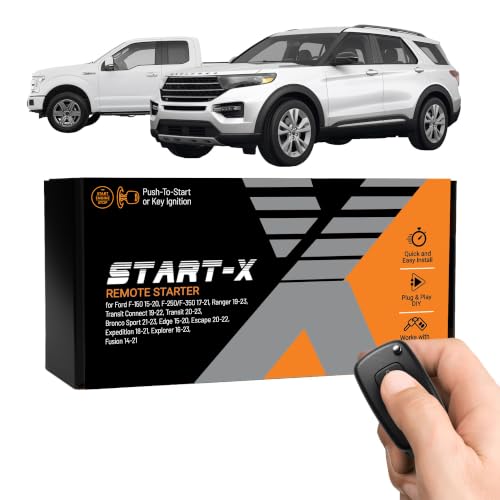
Specifically with remote start, some older aftermarket units might require a “PATS bypass module” to function correctly. This module essentially tricks the PATS system into thinking a valid key is present when the remote start is activated. While not a permanent disablement, it represents a workaround that owners consider to gain the convenience of remote starting their vehicle.
Emergency Situations
In emergency situations, such as being stranded far from assistance with a malfunctioning anti-theft system, owners might desperately search for any method to get their vehicle running. The immediate need to move the car, even temporarily, can override concerns about permanent security modifications. This urgency highlights the need for reliable, temporary bypass information.
For those experiencing these challenges, understanding temporary solutions can often resolve immediate concerns without resorting to permanent alterations.
How to Perform 4 Temporary Ford Anti-Theft Bypasses
When facing a Ford anti-theft system issue, several temporary bypass techniques can help resolve the problem and get your vehicle running. These methods are designed for specific scenarios and are not intended as permanent solutions. Always exercise caution and consult your owner’s manual.
Audible Premium Plus — Annual Membership
12 audiobook credits up front, plus the full Audible catalogue.
See Annual Plans As an Amazon Associate I earn from qualifying purchases.Battery Reset Process
A simple battery disconnection can sometimes reset a glitching anti-theft system. This method may clear temporary electronic errors. To perform this, first ensure your vehicle is off. Disconnect the negative battery cable for at least 15-30 minutes. Reconnect the cable, then attempt to start your vehicle.
This process can reset various electronic modules. Be aware that it may also reset your radio presets and other customizable settings. This is a common first step for many minor electrical issues.
Key Reprogramming Steps
If your vehicle struggles to recognize your key, a simple key reprogramming or synchronization might help. For many Ford models, you can program a new key if you have two existing, working keys. Insert the first programmed key into the ignition and turn it to the ON position for three seconds, then remove it. Repeat with the second programmed key.
Within ten seconds of removing the second key, insert the new key and turn it to the ON position. The “THEFT” light should flash, indicating successful programming. This method is effective for adding new keys or re-syncing a key that has lost its programming.
Fuse Removal Method
In some cases, a specific fuse related to the anti-theft system or ignition might be causing issues. Locating and temporarily removing or checking this fuse can sometimes reset the system. Consult your Ford owner’s manual for the exact fuse box diagrams and the location of fuses related to ignition or security. Replace any blown fuses.
This is a diagnostic step rather than a bypass, as a blown fuse indicates an underlying electrical problem that needs professional attention. Only attempt this if you are comfortable identifying and handling vehicle fuses.
Alarm Reset Procedure
If your anti-theft system is triggering false alarms, there might be a specific reset procedure outlined in your owner’s manual. For many Ford vehicles, inserting the correct, programmed key into the ignition and turning it to the ON position for a few seconds can disarm the system.
Some models also allow disarming by locking and unlocking the driver’s side door with the key.
These procedures are designed to disarm a tripped alarm rather than bypass the immobilizer function. Always refer to your specific Ford model’s owner’s manual for the most accurate emergency override procedures. .
While temporary solutions can be effective, permanently altering your vehicle’s security system introduces a host of serious implications you must understand.
What Legal and Insurance Implications Exist?
Recommended Best Deal Products


Considering the permanent disablement of your Ford’s anti-theft system involves navigating a complex of legal and insurance repercussions. Such actions can lead to significant financial penalties and legal troubles, far outweighing any perceived benefits.
Warranty Coverage Changes
Modifying or permanently disabling a factory-installed security system will almost certainly void the relevant portions of your Ford’s vehicle warranty. Manufacturers design these systems as integral components of the vehicle’s electrical and security architecture. Any unauthorized alterations can negate your warranty coverage for electrical or security-related issues, leaving you responsible for costly repairs.
Insurance Claim Risks
Permanently disabling your anti-theft system poses substantial risks to your insurance coverage. Most insurance policies require your vehicle to maintain its factory-installed safety and security features. If your Ford is stolen after the anti-theft system has been deactivated, your insurance provider may deny your theft claim.
This could result in a total loss without compensation. .
Theft Liability Concerns
Beyond insurance claims, intentionally disabling your vehicle’s anti-theft protection significantly increases its vulnerability to theft. Should your vehicle be stolen, you might face increased liability or scrutiny from law enforcement and insurance companies. This action could be seen as negligence, further complicating recovery or claims processes.
Legal Ramifications
While generally not illegal to modify your own vehicle’s security system, enabling its easy theft could have indirect legal consequences. In some jurisdictions, operating a vehicle that does not meet certain safety or security standards could lead to issues. More importantly, if your vehicle is used in a crime after being stolen due to a disabled security system, you might face complex legal inquiries.
This is particularly true if negligence in securing the vehicle can be proven.
Given these serious drawbacks, understanding when to seek professional assistance becomes paramount for effective and responsible vehicle care.
When Is Professional Assistance Recommended?
For persistent or complex anti-theft system issues in your Ford, seeking professional assistance is often the most prudent course of action. DIY attempts at diagnosing or permanently bypassing these systems can lead to further damage, costly repairs, and compromised vehicle security.
Complex Diagnostic Needs
When your Ford exhibits intermittent anti-theft issues, error codes, or complete no-start conditions, professional diagnostics are essential. Modern Ford vehicles are equipped with sophisticated computer systems that require specialized tools to accurately read fault codes and pinpoint the root cause of the problem. A certified technician can quickly identify if the issue lies with a faulty transponder, a wiring problem, or the PCM itself.
Specialized Tool Access
Ford dealerships and authorized service centers possess proprietary diagnostic equipment. Tools like the Ford IDS (Integrated Diagnostic Software) or FDRS (Ford Diagnostic and Repair System) are necessary for advanced troubleshooting, module reprogramming, and key programming. .
These tools allow technicians to communicate directly with the PATS module and PCM, which is crucial for resolving complex immobilizer issues.
Key Programming Service
If your issue stems from a lost, damaged, or unprogrammed key, a professional locksmith or Ford technician can provide efficient key programming services. They have the expertise and equipment to cut new keys and program the transponder chips to your vehicle’s PATS system. This ensures that new keys are correctly linked to your car, allowing it to start reliably without compromising security.
Dealer Support Options
Opting for dealer support ensures that your vehicle receives repairs that adhere to manufacturer specifications. This helps maintain your vehicle’s integrity, warranty, and resale value. Ford technicians are continually trained on the latest vehicle technologies and repair procedures. They can address anti-theft system malfunctions effectively and safely, avoiding potential side effects of unauthorized modifications.
Understanding these avenues for help often leads to a few common questions from Ford owners.
5 Common Questions About Ford Anti-Theft Systems
Can I Permanently Disable Ford’s Anti-theft System Without Professional Help?
Permanently disabling a Ford anti-theft system without specialized tools is extremely difficult and ill-advised. It requires advanced diagnostic equipment and specific software that only dealerships or certified technicians usually possess, making a DIY approach virtually impossible for legitimate owners.
What Happens If I Disconnect My Car Battery to Reset the Anti-theft System?
Disconnecting your car battery can sometimes temporarily reset the anti-theft system for minor glitches. This is not a permanent fix and might not work for all issues. It can also erase other vehicle settings, requiring recalibration of systems like radio presets or window motors.
Will Disabling My Ford’s Anti-theft Void Its Warranty?
Yes, modifying or permanently disabling your Ford’s factory-installed anti-theft system will almost certainly void relevant portions of your vehicle’s warranty. This could leave you responsible for costly repairs if related issues arise later on.
Is It Legal to Permanently Disable My Car’s Anti-theft System?
While generally not illegal to modify your own vehicle, disabling a factory security system can have legal implications related to vehicle safety standards or insurance requirements. It significantly increases theft risk and might affect liability in unfortunate events.
How Can I Get a New Key Programmed If I’ve Lost All My Original Ford Keys?
If you’ve lost all your Ford keys, you will need to contact a Ford dealership or a specialized automotive locksmith. They have the necessary equipment to program new keys to your vehicle’s PATS system, even without an existing working key.
Final Thoughts on Ford Anti-Theft Systems
Attempting to permanently disable anti theft system Ford vehicles is a complex and risky endeavor that carries significant drawbacks. The factory-installed Passive Anti-Theft System (PATS) is a crucial security feature designed to protect your investment. While frustrating system malfunctions can occur, temporary bypasses and professional diagnostics offer safer, more reliable solutions.
Prioritizing professional assistance not only resolves issues effectively but also preserves your vehicle’s integrity, warranty, and insurance coverage. We encourage you to consult your owner’s manual and seek expert help for any anti-theft system concerns in 2026. This approach ensures your Ford remains secure and operational for years to come.