
Ford Tpms Reset Tool: All Models Step-By-Step Guide 2026

The illumination of your Ford’s Tire Pressure Monitoring System (TPMS) warning light can be an unwelcome sight, signaling potential tire issues or a system requiring attention. Whether you’ve had a tire repaired, replaced, rotated, or simply experienced a sensor malfunction, a persistent TPMS light can be frustrating and may indicate a need to restore the system to its default, accurate state. This comprehensive guide, informed by over 15 years of industry experience, will equip you with the authoritative knowledge and step-by-step instructions to understand, troubleshoot, and effectively reset your Ford TPMS using the appropriate tools, ensuring a fresh start for your vehicle’s safety system.

SECTION 1: Understanding Ford TPMS: What Causes Illumination and the Need for a Reset?
Recommended Best Deal Products



📤 Share Image
The Tire Pressure Monitoring System (TPMS) in your Ford vehicle is a critical safety feature designed to alert you when your tires are significantly under-inflated, which can lead to unsafe driving conditions, premature tire wear, and decreased fuel efficiency. Ford vehicles primarily utilize a Direct TPMS, meaning each tire has a sensor mounted inside the wheel that directly measures tire pressure and temperature, transmitting this data wirelessly to the vehicle’s onboard computer (ECU/BCM). While some older or more basic models might have leveraged an Indirect TPMS system that uses the ABS wheel speed sensors to infer low pressure based on tire rotational speed, the direct system is prevalent across the modern Ford lineup for its accuracy and immediate feedback.
Common triggers for the TPMS warning light are varied, but most often signal a need to initialize or restore the system. The most straightforward cause is, of course, low tire pressure. However, the light frequently illuminates after routine maintenance such as a tire rotation or tire replacement, even if pressures are correct. This is because the vehicle’s module no longer recognizes the sensors in their new positions, or new sensors need their IDs to be learned. In a scenario like a 2017 Ford F-150 that has just had a tire puncture repaired and the tire remounted, the TPMS light may stay on because the system needs to re-confirm the sensor’s ID and location. Other common culprits include sensor battery depletion (TPMS sensor batteries typically last 5-10 years or 75,000-100,000 miles), physical sensor failure due to damage or corrosion, or even rare ECU software anomalies that require a system reboot.
An unaddressed TPMS light carries significant implications. Beyond the annoyance of a dashboard warning, it represents a potential safety hazard. Research indicates that properly inflated tires can improve fuel efficiency by up to 3% and significantly reduce the risk of blowouts. Furthermore, a persistent TPMS light will lead to an automatic failure during many state-mandated vehicle inspections, particularly in regions where TPMS compliance is strictly enforced. It’s crucial to understand that simply inflating the tires to the correct pressure is often not enough to clear the light, especially after a tire service. The vehicle’s TPMS module needs to ‘relearn’ or ‘identify’ the sensors and their positions, a process that necessitates a specific reset or relearn procedure to bring the system back to its default or factory settings. For instance, a Ford Fusion displaying a ‘Check TPMS System’ message without apparent low pressure often points to a sensor communication issue or a module fault, requiring more than just air.
By The Numbers
Year TPMS became mandatory in U.S.
Average TPMS sensor battery life
Fuel efficiency improvement with proper inflation

SECTION 2: Choosing the Right Ford TPMS Reset Tool for Your Model
Selecting the correct tool to reset your Ford’s TPMS is paramount for a successful relearn procedure. The automotive landscape, particularly concerning TPMS technology, has evolved significantly since its widespread adoption. Therefore, a “one-size-fits-all” approach rarely applies, especially with Ford’s diverse model range and continuous technological updates through 2026.
We can categorize TPMS reset tools and methods into several types:
- Manual Relearn Procedures: Predominantly found in older Ford models (typically pre-2008, but some models up to 2010-2012 for certain regions), these involve specific sequences of ignition key cycles, pressing the brake pedal, or manipulating steering wheel controls. A ‘drive cycle’ relearn where the vehicle automatically detects sensors after a period of driving is also a form of manual relearn, though less common for initial setup.
- Simple Magnet Tools: Very few, if any, modern Ford vehicles utilize magnet-based TPMS relearn. This method was common on some GM vehicles but is not a standard for Ford.
- Dedicated TPMS Activation Tools: These are the most common and essential tools for Ford vehicles from roughly 2008 onwards. Examples include the Motorcraft TPMS-19 (often referred to as 8C2Z-1A203-A or T-8C2Z-1A203-A), or reputable aftermarket alternatives like the ATEQ Quickset or various universal TPMS activation tools. These devices emit a low-frequency radio signal (typically 125 kHz) to ‘wake up’ the sleeping TPMS sensor, prompting it to transmit its unique ID and current pressure data to the vehicle’s Body Control Module (BCM) or TPMS module. This is critical for the vehicle to initialize and store the new sensor configuration.
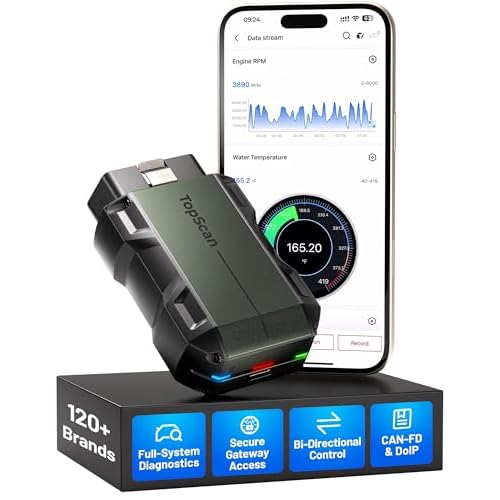
- Advanced OBD-II Scan Tools with TPMS Functionality: Professional-grade scan tools (e.g., Autel MaxiTPMS TS508, Launch X431, Snap-on Modis) offer comprehensive TPMS capabilities. These tools not only activate sensors but can also read existing sensor IDs, program new aftermarket “blank” sensors with vehicle-specific data, diagnose TPMS Diagnostic Trouble Codes (DTCs), and perform module resets directly through the OBD-II port.
Model-specific requirements are crucial. An older Ford Escape (e.g., a 2007 model) might allow a manual ‘drive cycle’ relearn or a simple ignition-key-sequence reset. However, a newer Ford Explorer (2011 and onwards) will almost universally require a dedicated TPMS tool to wake up each sensor and facilitate the relearn process. This distinction is critical because attempting a manual relearn on a vehicle designed for tool-based activation will be futile. Furthermore, many aftermarket sensors, designed for broad compatibility, often come ‘blank’ and require programming (flashing the correct protocol) before installation, and subsequent relearn with an activation tool or advanced scanner.
When selecting a tool, consider your budget, frequency of use, and the specific Ford model year and type you own:
✅ Pros of Dedicated TPMS Tools
- Cost-effective for basic activation ($30-$150).
- Simple to use for the relearn procedure.
- Essential for most modern Ford vehicles.
- Quickly restores TPMS functionality after tire service.
❌ Cons of Dedicated TPMS Tools
- Limited diagnostic capabilities (can’t read DTCs).
- Cannot program “blank” aftermarket sensors.
- Not always universal across all vehicle brands.
- Average cost of professional-grade OBD-II scanners can exceed $200.
Always confirm the specific TPMS relearn procedure for your exact Ford model year in your vehicle’s owner’s manual or a reliable service manual. Ford often revises these procedures, even within the same model generation. This ensures you’re attempting the correct factory reset method.
SECTION 3: Step-by-Step Guide: Utilizing a Ford TPMS Reset Tool for All Models
Recommended Best Deal Products


Performing a TPMS reset and relearn can seem daunting, but by following a structured approach, you can successfully restore your system to its optimal working condition. This guide focuses on the most common tool-based relearn procedure applicable to the vast majority of modern Ford vehicles (approximately 2008 to 2026 models).

Audible — Listen Free for 30 Days
One free credit a month and thousands of titles included.
Listen Free for 30 Days As an Amazon Associate I earn from qualifying purchases.
📋
Step-by-Step Guide
Before initiating any TPMS reset, ensure all tires are inflated to the manufacturer’s recommended pressure, found on the sticker inside your driver’s side door jamb. Use a reliable, accurate tire pressure gauge, as dashboard readings can sometimes be slightly off. Verify that your TPMS tool has fresh batteries and is ready for use. For a clean and fresh start, it’s essential that all pressures are correct.
This step varies slightly by Ford model and year. The general procedure to put your Ford into TPMS relearn mode (also known as calibration or programming mode) involves:
- Ignition Cycle: Turn the ignition to the “ON” position (engine off).
- Repeat Cycle: Turn the ignition off, then on, then off again (usually within a 5-second window).
- Brake Press: Press and release the brake pedal.
- Final Ignition Cycle: Turn the ignition to “OFF” again, then “ON” (some models require pressing the hazard button multiple times, or holding down the brake pedal while cycling the ignition).
The vehicle will usually signal entry into relearn mode with a horn chirp or two, and the TPMS light will begin to flash. For example, a 2018 Ford Focus might require navigating the dash menu via steering wheel controls to ‘Tire Pressure’ and then holding ‘OK’ to initiate the relearn. Always consult your owner’s manual for the precise sequence for your model.
Once your Ford is in relearn mode, it’s time to activate each sensor. The system typically begins with the Left Front (LF) wheel. Hold your dedicated TPMS activation tool (like the Motorcraft TPMS-19) against the sidewall of the tire, near the valve stem, and activate the tool. You should hear a short horn chirp as the vehicle confirms the sensor ID has been successfully acquired. If the tool has a display, it may show the sensor ID or pressure reading. Proceed in the following sequence:
- Left Front (LF)
- Right Front (RF)
- Right Rear (RR)
- Left Rear (LR)
After each successful activation, the vehicle will typically chirp the horn once and then signal you to move to the next wheel. For example, after the LF sensor is learned, the turn signal light for the RF position might illuminate to guide you to the next sensor. This sequence ensures all sensor IDs are correctly logged and initialized to their proper location in the BCM. This step typically takes 5-15 minutes once in relearn mode, making it an efficient way to reboot the system.
After successfully activating the last sensor (LR), the vehicle should signal the completion of the relearn procedure, usually with two horn chirps, and the TPMS warning light on the dashboard should extinguish. This indicates a successful default or factory reset. For full calibration and to allow the system to confirm pressure readings, it is advisable to take a brief drive, ideally for at least 15-20 minutes, maintaining speeds above 20 mph. This drive cycle allows the vehicle’s computer to fully calibrate and store the new sensor data, ensuring the system provides accurate, real-time tire pressure information.
Audible Premium Plus — Annual Membership
12 audiobook credits up front, plus the full Audible catalogue.
See Annual Plans As an Amazon Associate I earn from qualifying purchases.SECTION 4: Troubleshooting Persistent Ford TPMS Warning Lights After Reset
Recommended Best Deal Products


Even after meticulously following the reset procedure, encountering a persistent TPMS warning light can be frustrating. From my experience, this usually indicates an underlying issue that the standard relearn process cannot resolve. Understanding these common pitfalls is key to effectively diagnosing and resolving the problem, bringing your system back to its default state.
Common Reasons for Failed Resets:
- Incorrect Tire Pressure: This is surprisingly common. Even a slight deviation from the door jamb specification can prevent a successful relearn, as the system might not accept out-of-range pressures.
- Faulty or Incompatible Sensors: Aftermarket sensors, while often more affordable, can sometimes have compatibility issues if not programmed correctly or if they use a different frequency. A truly faulty sensor will simply not transmit a reliable signal.
- Dead Sensor Battery: As mentioned, TPMS sensor batteries are finite (average 7 years). If a sensor’s battery is weak or dead, it won’t respond to the activation tool, preventing the system from acquiring its ID.
- Incomplete Relearn Procedure: Missing a step, incorrect timing, or failing to properly activate one of the sensors will result in a failed reset.
- Defective TPMS Module: Less common, but the vehicle’s TPMS control module itself can fail, preventing it from receiving or processing sensor data.
Diagnostic Steps to Take:
- Re-verify Tire Pressures: Double-check all tire pressures with a high-quality, known accurate gauge. Even the spare tire (if equipped with a TPMS sensor) should be checked.
- Attempt Relearn Again: Sometimes, a second attempt at the relearn procedure can resolve minor communication glitches. Ensure you’re following the steps precisely for your specific model and year.
- Check for Diagnostic Trouble Codes (DTCs): Use an OBD-II scanner with TPMS-specific capabilities. These tools can often read individual sensor IDs, battery status, and any pending or active TPMS-related DTCs. For instance, if a 2015 Ford Mustang’s TPMS light returns and an OBD-II scan reveals a ‘C1175 – Sensor ID Unmatch’ code, it indicates a sensor ID conflict that needs resolution.
- Inspect Physical Sensors: If accessible, visually inspect sensors for damage, corrosion, or improper installation. A worn-out sensor might exhibit intermittent connection issues, causing sporadic warnings.
Advanced Diagnostic Scenarios:
Beyond simple failures, you might encounter more complex issues:
- Intermittent Signal Loss: Often caused by a weak sensor battery or radio interference.
- Sensor ID Conflicts: If sensors were replaced without proper programming or the vehicle’s BCM has old sensor IDs stored. A professional scanner can usually clear these and clean the backup data.
- Module Issues: A faulty TPMS control module might require advanced diagnostics, recalibration, or replacement.
If the TPMS light remains on after multiple reset attempts, or if your OBD-II scanner reveals complex DTCs, it’s time to consult a certified Ford technician. They possess proprietary diagnostic tools like Ford IDS (Integrated Diagnostic Software), which offers deeper insights into the TPMS module, allowing for advanced recalibration, reprogramming, and precise electrical diagnostics that aftermarket tools often cannot replicate. Attempting to force a reset without addressing the root cause can lead to further issues or simply waste time and effort.
SECTION 5: Proactive Maintenance and Best Practices for Ford TPMS Longevity
While understanding how to reset your Ford TPMS is valuable, adopting proactive maintenance strategies can significantly extend the life of your system, reduce the frequency of warning lights, and minimize the need for frequent resets, providing a true fresh start for your tire monitoring.
Key Practices for TPMS Health:
- Regular Manual Tire Pressure Checks: Your TPMS is designed to alert you to critically low pressure (typically 25% below recommended PSI), not necessarily ideal pressure. Performing manual checks with a reliable gauge at least monthly ensures your tires are always at the optimal PSI, preventing issues before the TPMS light even activates. For instance, a routine check of a Ford Ranger’s tire pressure might reveal a slow leak before the TPMS system triggers an alert, allowing for early intervention.
- Proper Tire Maintenance: Adhering to manufacturer schedules for tire rotations, balancing, and alignment not only extends tire life but also helps prevent premature wear or damage to TPMS sensors. Misaligned wheels or imbalanced tires can put undue stress on the entire wheel assembly, including the sensor.
- Strategic Sensor Replacement: TPMS sensors, with their internal batteries, have a finite lifespan. When replacing tires on an aging Ford Edge (especially after 7+ years of sensor life), consider replacing all four sensors simultaneously. This preemptive approach avoids individual sensor failures and the need for separate relearns later. When individual sensors fail, replace them promptly to maintain system integrity.
- Choose Quality Sensors: When replacement is necessary, always opt for genuine OEM Ford TPMS sensors or high-quality aftermarket equivalents from reputable brands (e.g., Schrader, VDO, Continental). While cheaper, unverified alternatives might save money upfront, they often lead to compatibility issues, shorter lifespans, and recurring TPMS warning lights, necessitating repeated resets.
- Valve Stem Care: Many new tires come with valve stem kits that include new seals, nuts, and caps. Always ensure these components are replaced during tire service, as they are crucial for preventing air leaks and protecting the sensor from external elements.
When purchasing new sensors, inquire if they are “pre-programmed” or “programmable.” Pre-programmed sensors are often direct replacements that simply need a relearn, while programmable (or “blank”) sensors require an advanced tool to load the correct Ford protocol before installation. Understanding this distinction can save you time and hassle, facilitating a smoother initialize process.
By integrating these best practices into your vehicle maintenance routine, you not only ensure the longevity and reliability of your Ford’s TPMS but also uphold critical safety standards, giving you peace of mind on every journey. A well-maintained TPMS means less troubleshooting and more confident driving.
Understanding TPMS light causes (low pressure, sensor issues) is crucial for accurate diagnosis. Choosing the correct TPMS reset tool or method is model-dependent and essential for a successful relearn. Following a precise step-by-step procedure with the tool ensures proper sensor activation and system reset. Troubleshooting common issues helps resolve persistent warnings; seeking professional help is advised for complex failures. Proactive maintenance extends TPMS longevity and maintains vehicle safety. A successful reset ensures your Ford’s safety systems are optimally functioning, providing peace of mind.
Empower yourself with this knowledge to confidently manage your Ford’s TPMS system. If persistent issues arise or you prefer professional assistance, consult a certified Ford service center to ensure your vehicle’s safety and performance.
Frequently Asked Questions
When is a Ford TPMS reset tool absolutely necessary?
A dedicated Ford TPMS reset tool is typically necessary after installing new TPMS sensors, performing a tire rotation on some models (especially those without automatic relearn), or when the vehicle’s manual relearn procedure is ineffective. Many modern Ford vehicles require specific radio frequency activation of each sensor to establish communication with the TPMS control module, a task only an appropriate tool can perform to restore default settings.
Can I use an OBD-II scanner as a Ford TPMS reset tool?
Some advanced OBD-II scanners include integrated TPMS relearn and programming functions, making them suitable for Ford TPMS resets. These scanners can often read sensor IDs, clear TPMS-related diagnostic trouble codes (DTCs), and initiate the relearn process. However, basic OBD-II code readers typically lack this specialized functionality, so it’s essential to verify the scanner’s capabilities for TPMS before purchase.
How do I know if my Ford has direct or indirect TPMS?
Most Ford vehicles from 2008 onwards utilize Direct TPMS, which employs individual sensors inside each tire to directly measure pressure. Indirect TPMS, less common in modern Fords, uses the ABS wheel speed sensors to infer low tire pressure by detecting variations in wheel rotation speed. Consult your owner’s manual or a Ford dealership to confirm your specific vehicle’s TPMS type and associated reset procedures.
What happens if I don’t reset my Ford’s TPMS after tire service?
If you don’t properly reset your Ford’s TPMS after tire service (e.g., rotation or replacement), the warning light will likely remain illuminated. This can lead to inaccurate pressure readings, false alarms, or a complete lack of tire pressure monitoring functionality, defeating the system’s safety purpose. An unaddressed TPMS light may also cause your vehicle to fail state inspections in certain jurisdictions.
How long do Ford TPMS sensors typically last?
Ford TPMS sensors are powered by internal batteries, which typically last between 5 to 10 years or approximately 75,000 to 100,000 miles, depending on driving conditions and usage. Once the battery dies, the sensor cannot be repaired and must be replaced. It’s often recommended to replace all four sensors when purchasing a new set of tires, especially if the existing sensors are near or beyond their expected lifespan, to ensure a fresh start.