Ford F150 License Plate Light Bulb Size Guide (1997-2024)

The vast majority of Ford F-150 models use the 194 or 168 wedge-style bulb for license plate illumination. Upgrading to plug-and-play LED bulbs is a popular way to achieve a modern, cool white look while significantly increasing brightness and longevity.
🎯 Key Takeaways


- The 194, 168, and 2825 bulbs are all cross-compatible for F-150 license plates.
- Models from 1997 through 2024 primarily utilize the T10 wedge base design.
- LED upgrades offer a 6000K crisp white color compared to yellow halogen.
- CAN bus compatible LEDs prevent flickering or ‘bulb out’ dashboard errors.
- Standard incandescent bulbs are cheaper but have a much shorter lifespan.
For most Ford F-150 models manufactured between 1997 and 2024, the standard license plate light bulb size is the 168 or 194 wedge-style bulb. While Ford has redesigned the truck’s body several times over these decades, the electrical socket for the tag lights has remained remarkably consistent. These small, push-in bulbs are the industry standard for small-scale exterior lighting, making them easy to find at any local auto parts store or online retailer.
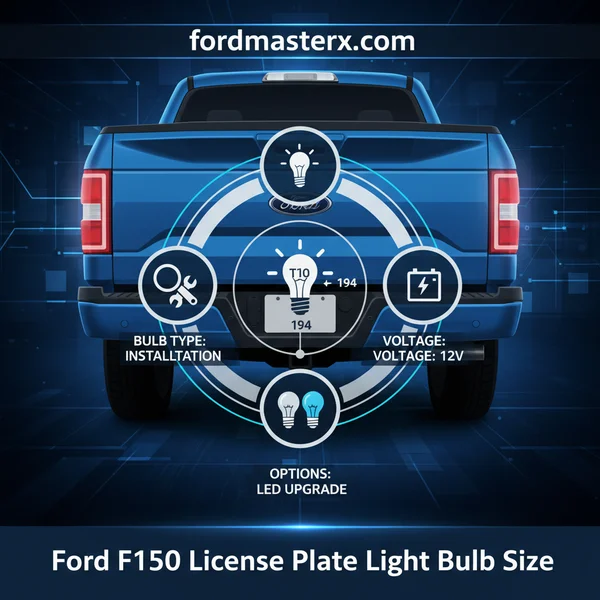
Getting the right bulb size matters because an incorrect fit can lead to several annoying issues. If you install a bulb with a base that is too wide, you risk cracking the plastic socket. Conversely, a bulb that is too loose will flicker every time you hit a bump on the road. By matching the OEM specifications listed below, you ensure a secure connection and optimal heat dissipation within the small lens housing, preventing the plastic from melting or discoloring over time.
Year-by-Year Ford F-150 License Plate Bulb Size Chart


Identifying the exact bulb for your specific generation of the F-150 is straightforward. Although the part numbers 168, 194, and W5W look slightly different on the packaging, they share the same T10 wedge base. This means they are physically interchangeable in your truck’s housing. However, the 168 is traditionally rated for slightly higher brightness than the 194. Here is the breakdown by year range:

- 1997 – 2003 (10th Generation): 168, 194, or 2825 bulbs.
- 2004 – 2008 (11th Generation): 168 or 194 bulbs.
- 2009 – 2014 (12th Generation): 168, 194, or W5W bulbs.
- 2015 – 2020 (13th Generation): 168, 194, or W5W bulbs.
- 2021 – 2024 (14th Generation): 168, 194, or W5W bulbs (for non-LED factory trims).
Interchangeable Part Numbers Explained
You might see several different numbers listed on a single package at the store. For your F-150, 194, 168, 2825, and W5W all feature the same 9.5mm wedge base. The primary difference is the wattage and light output. A 168 bulb typically pulls about 4.9 watts, while a 194 bulb pulls roughly 3.8 watts. In a license plate housing, these differences are negligible, and you can use whichever is available. If you want the brightest possible incandescent light, opt for the 168 or 2825.
Exceptions for Modern Trim Levels
If you drive a high-trim 14th-generation F-150 (2021+), such as a Lariat, King Ranch, or Platinum, your truck may come equipped with integrated LED assemblies from the factory. In these specific cases, there is no “bulb” to replace. If the light fails, the entire sealed plastic housing must be swapped out. Always check if your current housing has a removable twist-lock socket before purchasing replacement bulbs.
Comparing Standard Halogen vs. LED Upgrade Benefits
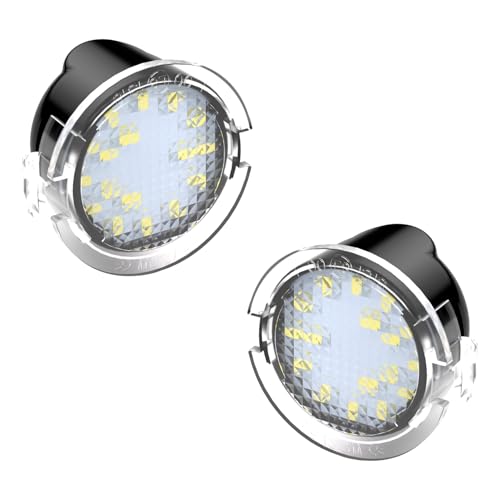

When it comes time to replace a burnt-out bulb, you have a choice between the traditional yellowish halogen glow or a modern LED upgrade. Standard halogen bulbs are the affordable, “old school” option. They produce light by heating a filament, which creates a warm color temperature (around 2700K). While they are cheap, they generate significant heat and have a limited lifespan of about 500 to 1,000 hours of use.
Brightness and Color Temperature Differences
Upgrading to LED bulbs significantly changes the aesthetic of your truck’s rear end. Most F-150 owners prefer 6000K Cool White LEDs because they provide a crisp, clean look that matches modern headlight styling. Here are the key data points to consider:
- Halogen Output: Soft, diffused yellow light; approximately 25-50 lumens.
- LED Output: Sharp, focused white light; often 100-200 lumens depending on the chip count.
- Heat Management: LEDs run much cooler, which prevents the clear plastic lens on your F-150 from becoming brittle or yellowing over time.
- Power Draw: LEDs use about 1/10th the power of a standard 168 halogen bulb.
Plug-and-Play Compatibility
The best part about modern LED replacements for the F-150 is that they are truly plug-and-play. Because the license plate circuit on most F-150s is not heavily monitored by the truck’s computer (CANBus system) for “bulb out” errors, you usually don’t need special resistors. You simply pull the old bulb out and push the new LED in. Pro tip: LEDs are polarity sensitive. If the light doesn’t turn on immediately, flip it 180 degrees in the socket and try again.
Understanding Bulb Cross-Compatibility (194 vs. 168 vs. 2825)
When searching for a Ford F150 license plate bulb, you will likely encounter several different part numbers that all look remarkably similar. The most common are 194, 168, and 2825. While they share the same physical dimensions and “wedge” style base (often referred to as a T10 base), they are not identical in performance. Understanding these nuances helps you choose the right balance of brightness and longevity for your truck.

The Power vs. Heat Trade-off
The primary difference between these bulbs lies in their wattage and lumen output. In the world of traditional halogen bulbs, higher wattage equals more light, but it also means more heat. For an F150 license plate housing, which is often made of plastic, managing this heat is vital to prevent lens yellowing or cracking over time.
- The 194 Bulb: This is the standard “safe” choice. It typically draws about 3.8 watts. It provides a soft, warm glow that is sufficient for legal visibility without generating excessive heat.
- The 168 Bulb: Often used as an upgrade, this bulb draws roughly 4.9 watts. It is noticeably brighter than the 194, making it a favorite for those who want their rear plate to stand out or help their backup camera see better in the dark.
- The 2825 Bulb: This is a high-output version often found in European applications but compatible with the F150. It delivers the highest brightness of the three but runs the hottest.
Universal Fitment and T10 Bases
The good news for F150 owners is that these bulbs are physically interchangeable. They all utilize the T10/W5W wedge base, meaning they slide into the socket the exact same way. If you find a “T10 LED” online, it is designed to replace any of these numbers. Practical tip: If you are sticking with traditional bulbs, the 168 is generally the “sweet spot” for a brighter look without risking damage to the factory housing.
Critical Features to Look for in Aftermarket Plate Lights
Most Ford F150 owners eventually transition from the factory yellowish halogen bulbs to modern LEDs. However, not all LED replacements are created equal. Because the license plate area is exposed to the elements and integrated into the truck’s electrical monitoring system, specific features are non-negotiable for a long-lasting upgrade.
Canbus Compatibility and Error-Free Operation
Newer Ford F150 models (specifically 2015 and newer) feature sophisticated electrical systems that monitor bulb resistance. If you install a cheap LED that draws too little power, the truck may think the bulb is burnt out, triggering a “bulb out” warning on your dashboard or causing the lights to flicker. Look for bulbs labeled as Canbus-Ready or Error-Free. These have built-in resistors that mimic the power draw of a standard bulb, ensuring the truck’s computer stays happy.
Weatherproofing and Light Dispersion
Your license plate lights live in a harsh environment, constantly bombarded by road salt, rain, and car wash high-pressure sprays. When shopping for aftermarket options, keep these physical specs in mind:
- IP65 or Higher Rating: Ensure the bulb or the replacement housing has a solid waterproof rating to prevent internal corrosion.
- 360-Degree Beam Angle: Many cheap LEDs only shine light out of the tip. Since the F150 plate light socket often sits at an angle, you need radial light dispersion to ensure the entire plate is illuminated evenly.
- Color Temperature: For a modern look that matches factory LED headlights, look for 6000K (Cool White). If you prefer a softer, more natural look, 4000K to 5000K is ideal.
- Aluminum Heat Sinks: High-quality LEDs generate heat at the chip level; a small aluminum body helps dissipate that heat, extending the life of the light from months to years.
Conclusion
Identifying the correct Ford F150 license plate light bulb size is a simple task that makes a significant impact on your truck’s aesthetic and safety. Whether you have a classic 1997 model or a brand-new 2024 powerhouse, the 194/T10 wedge base remains the gold standard. By understanding the compatibility between 194 and 168 bulbs and prioritizing Canbus-ready LEDs with proper weatherproofing, you can ensure your truck remains street-legal and looks sharp on the road.
Your next step is easy: take a quick look at your rear bumper tonight. If those lights are dim, flickering, or yellowed, it’s time to pick up a fresh pair of T10 LEDs. It is one of the most affordable upgrades you can make to your F150—so go ahead and brighten up your ride!
❓ Frequently Asked Questions
What bulb size does a 2015-2023 Ford F-150 use for license plates?
The 2015 through 2023 Ford F-150 models use the 168 or 194 bulb size. These are small wedge-style bulbs that are easily accessible from the rear of the bumper housing.
What is the difference between 194 and 2825 bulbs for a truck?
The 194 and 2825 bulbs share the same T10 wedge base and physical size. The 2825 is often rated for slightly higher wattage and light output, but both will fit and function perfectly in an F-150 license plate socket.
Why should I upgrade my Ford F-150 license plate lights to LED?
LED upgrades provide a ‘luxury’ look with 6000K cool white light, replacing the dated yellow glow of halogens. They also last significantly longer, often outliving the truck itself, and consume less power.
Are license plate light bulbs the same for all F-150 trims?
Yes, whether you have an XL, XLT, Lariat, or Raptor, the license plate housing and bulb size remain consistent within the same model year range. The only exception is if the truck has a custom aftermarket bumper.
Why is my new LED license plate bulb not turning on?
LED bulbs are polarity-sensitive, meaning they have a positive and negative side. If the bulb doesn’t light up, simply pull it out, flip it 180 degrees, and re-insert it into the socket.
Is it legal to have blue or red license plate lights on an F-150?
In most jurisdictions, license plate lights must be white. Using colors like blue or red can result in a traffic citation, so it is recommended to stick with 5000K or 6000K white LEDs.