2001 Ford Ranger XLT 4×4: Specs, Towing & Reliability Guide

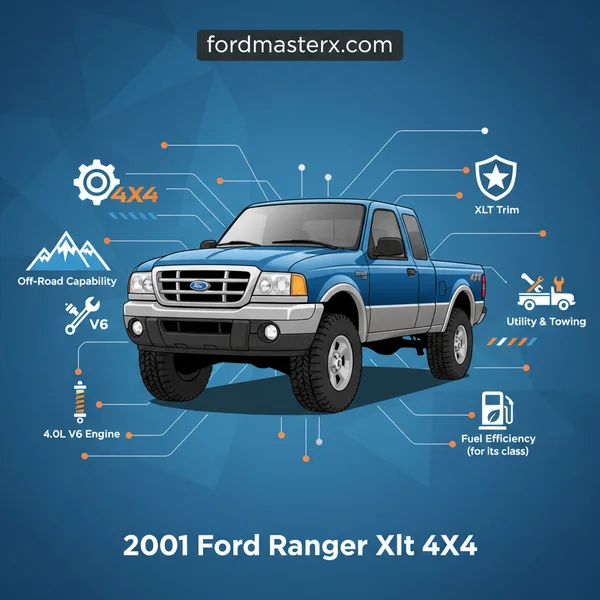
The 2001 Ford Ranger XLT 4×4 is most notable for the introduction of the 4.0L SOHC V6 engine, which significantly improved performance to 207 horsepower. While a capable off-roader, owners must be vigilant regarding timing chain guide wear and transmission maintenance to ensure longevity.
🎯 Key Takeaways


- The 4.0L SOHC V6 offers a massive power jump over the 3.0L engine.
- Maximum towing capacity reaches up to 5,860 lbs with the 4.0L engine.
- XLT trim includes power windows, locks, and upgraded cloth interior.
- Timing chain rattle is a critical red flag for 4.0L SOHC models.
- Fuel economy typically averages between 14 and 18 MPG for 4×4 models.
The 2001 Ford Ranger XLT 4×4 is a defining model for the compact truck segment, primarily because it introduced the high-output 4.0L SOHC V6 engine to the lineup. If you are looking for a truck that balances trail agility with legitimate work capacity, this specific year represents a peak in the Ranger’s mechanical evolution. Unlike previous iterations, the 2001 model offers a significant jump in torque and a more robust front suspension design, making it a favorite for off-road builds and small-scale towing.
Practically, this matters because the 2001 Ranger is one of the few older compact trucks that can actually keep up with modern highway speeds while hauling a trailer. Its combination of a boxed frame front-section and the 5R55E five-speed automatic transmission allows it to perform tasks usually reserved for mid-sized or even light-duty full-sized pickups. Understanding the nuances of its two available V6 engines and its vacuum-to-live-axle 4×4 transition is key to maintaining or purchasing one of these vehicles today.
Engine Performance: Comparing the 3.0L Vulcan vs. 4.0L SOHC V6
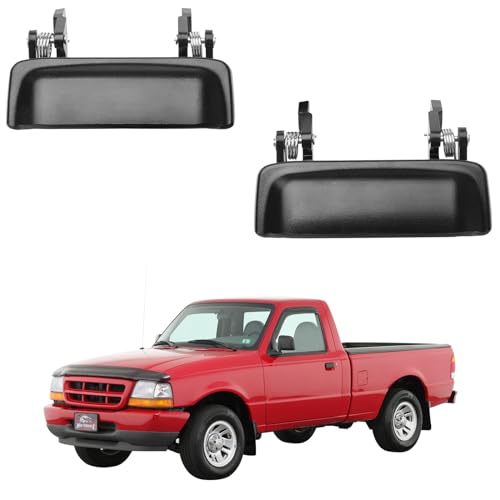

In 2001, the XLT 4×4 trim was almost exclusively powered by one of two V6 powerplants. While both are “V6s” on paper, they offer vastly different driving experiences. You need to know which one is under your hood to understand your truck’s limits.

The 4.0L SOHC V6: The Powerhouse
The 4.0L Single Overhead Cam (SOHC) engine was the flagship for the 2001 model year. It replaced the older, sluggish 4.0L OHV version. This engine utilizes an aluminum head and iron block design, producing 207 horsepower and 238 lb-ft of torque. This was a massive 25% increase in power over the previous year. You will find that this engine provides excellent low-end grunt, which is essential for crawling over obstacles or pulling a boat up a steep ramp.
- Horsepower: 207 hp @ 5,250 rpm
- Torque: 238 lb-ft @ 3,000 rpm
- Valvetrain: SOHC (Single Overhead Cam)
- Best Use: Heavy towing, mountain driving, and 31-inch or larger tires.
The 3.0L Vulcan V6: The Reliable Workhorse
The 3.0L “Vulcan” V6 is often described as “bulletproof but slow.” It is an overhead valve (OHV) design that prioritizes longevity over speed. While it is incredibly durable, it often feels underpowered when paired with the heavy 4×4 drivetrain and XLT creature comforts. If your 2001 Ranger has this engine, you will notice it struggles on long uphill grades, especially if you have added aftermarket off-road gear.
- Horsepower: 150 hp @ 4,750 rpm
- Torque: 185 lb-ft @ 3,750 rpm
- Valvetrain: OHV (Pushrod)
- Best Use: Daily commuting, light trails, and maximum engine longevity.
Your Complete DIY Guide to Maintaining Your 2001 Ford Ranger XLT 4×4
The 2001 Ford Ranger XLT 4×4 is a legendary compact pickup known for its durability and off-road capability. Whether you have the 3.0L V6 or the more powerful 4.0L SOHC engine, keeping this vehicle in peak condition requires specific attention to its mechanical components and four-wheel-drive system. This comprehensive guide walks you through a complete maintenance overhaul, covering everything from essential fluid changes to specific 4×4 system checks. Following these steps will ensure your Ranger remains reliable on the job site and the trail for years to come, preventing common issues like vacuum hub failure or transmission overheating.
Step 1: Perform a High-Quality Engine Oil and Filter Change
What you need: 5 quarts of 5W-30 motor oil (synthetic blend recommended), a Motorcraft FL-820S oil filter (for 4.0L) or FL-400S (for 3.0L), 13mm or 16mm wrench, oil drain pan, and a funnel.
Instructions: Start by warming up the engine for five minutes to allow the oil to flow more easily. Park on a level surface and engage the parking brake. Locate the oil drain plug on the bottom of the oil pan. Place your drain pan underneath and carefully remove the plug. While the oil drains, use an oil filter wrench to remove the old filter, being careful as it will be full of hot oil. Dip your finger in new oil and lubricate the rubber gasket of the new filter before screwing it on hand-tight. Reinstall the drain plug with a new crush washer if possible. Finally, fill the engine with the required 5 quarts of oil via the filler cap on the valve cover. Start the engine, let it run for a minute, then check the dipstick level.
Pro Tip: Always check the drain plug for metal shavings. A small amount of fine “fuzz” is normal, but larger flakes could indicate internal engine wear that needs professional diagnosis.
Step 2: Service the Air Intake and Clean the MAF Sensor
What you need: New engine air filter, Mass Air Flow (MAF) sensor cleaner spray, and a flat-head screwdriver or 8mm nut driver.
Instructions: The 2001 Ranger’s air box is located on the passenger side of the engine bay. Undo the metal clips or screws securing the lid and lift it to reveal the air filter. Inspect the housing for debris or rodent nests, which are common in these trucks. Remove the old filter and wipe the inside of the box with a damp cloth. Before installing the new filter, locate the MAF sensor in the intake tube. Disconnect the electrical connector and carefully remove the sensor. Spray it liberally with specialized MAF cleaner—never use carb cleaner or brake cleaner as they leave a residue that destroys the delicate wires. Let it air dry completely, reinstall the sensor, and place the new air filter into the housing, ensuring a tight seal with the lid.
Pro Tip: A dirty MAF sensor is a leading cause of “hunting” idles and poor fuel economy in the 2001 Ranger. Cleaning it every 15,000 miles can save you significant money at the pump.
Step 3: Inspect and Flush the Cooling System
What you need: 2 gallons of 50/50 prediluted Gold or Green coolant (check your manual for the specific color currently in the truck), a drain pan, and a screwdriver for the radiator petcock.
Instructions: Ensure the engine is completely cold before starting. Locate the plastic drain petcock at the bottom of the radiator on the driver’s side. Open it and allow the old coolant to drain into your pan. Inspect the coolant for a milky appearance, which could indicate a head gasket issue. Once drained, close the petcock and fill the radiator with distilled water to flush out any remaining sediment. Run the engine with the heater on high for 10 minutes, let it cool, and drain again. Finally, fill the radiator and the overflow reservoir with the fresh 50/50 coolant mix. Leave the radiator cap off while the engine warms up to “burp” the system and remove air pockets. Watch the temp gauge closely during this process.
Pro Tip: The 4.0L SOHC engine is sensitive to overheating, which can lead to timing chain guide failure. Never skip this biennial service to ensure your thermostat and water pump remain functional.
Step 4: Transmission and Transfer Case Fluid Check
What you need: Mercon V Automatic Transmission Fluid (ATF), a fluid transfer pump, and a 3/8-inch drive ratchet.
Instructions: For the 4×4 Ranger, the transfer case is just as important as the transmission. First, check the transmission dipstick with the engine running and warm; it should be pink and translucent. If it smells burnt or is brown, a flush is needed. Next, crawl under the center of the truck to find the transfer case. There are two plugs: a fill plug (top) and a drain plug (bottom). Always remove the fill plug first to ensure you can refill it before you drain the old fluid. Remove the drain plug and catch the fluid. Use your transfer pump to fill the case with Mercon V ATF until the fluid begins to weep out of the fill hole. Reinstall the plug and torque to approximately 15-20 lb-ft.
Pro Tip: Many owners forget the transfer case uses ATF, not gear oil. Using heavy gear oil in the transfer case can prevent the internal oil pump from lubricating the chain, leading to premature failure.
Step 5: Differential Service (Front and Rear)
What you need: 75W-90 or 80W-90 gear oil (usually 3-4 quarts total), RTV silicone or replacement gaskets, a 1/2-inch or 3/8-inch ratchet, and a scraper.
Instructions: The 2001 Ranger XLT 4×4 typically has an 8.8-inch rear differential and a Dana 35 front differential. Start with the rear. Remove the bolts on the differential cover, leaving the top bolt loosely attached to prevent the cover from falling. Use a flat-head screwdriver to pry the bottom of the cover open and drain the gear oil. Clean the mating surfaces of both the housing and the cover thoroughly with a scraper and brake cleaner. Apply a bead of RTV silicone, reinstall the cover, and tighten the bolts in a star pattern. Fill through the fill plug on the side of the housing until fluid reaches the bottom of the hole. Repeat a similar process for the front differential, though accessibility may be tighter due to the skid plates.
Pro Tip: If your Ranger has a “Limited Slip” rear end (check the door jamb code for “R5” or “F2”), you must add a 4oz bottle of Friction Modifier to the rear differential or use gear oil that already includes the additive.
Step 6: Greasing the Chassis and Inspecting Ball Joints
What you need: Grease gun with high-quality lithium grease and a flashlight.
Instructions: Older Rangers are known for “squeaky” front ends. Locate the grease zerks (small metal nipples) on the upper and lower ball joints, tie rod ends, and U-joints on the driveshafts. Clean the tip of each zerk with a rag so you don’t pump dirt into the joint. Attach the grease gun and pump until the rubber boot just begins to swell; do not overfill until the boot pops. While you are under the truck, use a pry bar to check for play in the ball joints. If the wheel moves vertically when the truck is jacked up, your ball joints are worn and need replacement. Inspect the CV axles for torn boots, which will quickly lead to joint failure if not addressed.
Pro Tip: If your Ranger doesn’t have grease zerks, they may have been replaced with “sealed” units. In this case, inspect the rubber boots for cracks. If the boots are cracked, the joint is likely drying out and will fail soon.
Step 7: Testing and Maintaining the 4×4 Engagement System
What you need: A helper and a dirt or gravel surface.
Instructions: The 2001 Ranger uses a Pulse Vacuum Hub (PVH) or a fixed hub system depending on the specific build date. To test, find a loose surface (never use 4WD on dry pavement). Switch the dash selector to “4HI.” You should hear a distinct “click” from the passenger kick panel area (the relay) and a “clunk” from the transfer case. Have your helper watch the front driveshaft while you slowly drive forward; it should be spinning. If the light on the dash flashes or the front wheels aren’t pulling, you likely have a vacuum leak in the lines leading to the front hubs. Inspect the rubber lines behind the front brake rotors for cracks or disconnection. Clean the electrical connector on the transfer case shift motor if the truck refuses to shift into 4WD at all.
Pro Tip: To keep the 4WD system from seizing, engage 4HI and 4LO at least once a month on a gravel road for a few hundred yards. This keeps the shift motor and internal gears lubricated.
Step 8: Spark Plug and Ignition Wire Replacement
What you need: 6 Spark plugs (Motorcraft recommended), spark plug wire set, 5/8-inch spark plug socket, gap gauge, and an extension bar.
Instructions: On the 4.0L SOHC engine, the passenger side plugs are easily accessible, but the driver’s side can be tricky. Work on one plug at a time to avoid mixing up the ignition wires. Pull the wire boot off (not the wire itself) and use the socket to remove the old plug. Check the gap on the new plug—it should typically be .054 inches. Thread the new plug in by hand to avoid cross-threading the aluminum heads. Once hand-tight, snug it down with the ratchet but do not over-torque. Replace the old wire with the corresponding new one from your kit. For the driver’s side, you may find it easier to reach the rear-most plug through the wheel well by peeling back the plastic splash guard.
Pro Tip: Use a small dab of anti-seize on the spark plug threads and a bit of dielectric grease inside the wire boots. This makes future removals much easier and prevents the boots from bonding to the ceramic.
✅ Final Checklist
- Verify that the oil level is at the “Full” mark and the drain plug is dry.
- Ensure the 4×4 dash lights (4HI and 4LO) engage and disengage without flashing.
- Check all coolant hose clamps for tightness and ensure no leaks are present at the radiator petcock.
- Test the brake pedal feel; if it’s spongy, bleed the brakes starting from the wheel furthest from the master cylinder.
- Confirm that the air box is clipped shut and no tools were left in the engine bay.
Important Notes:
- Safety First: Always use jack stands when working under the vehicle. Never rely solely on a hydraulic jack.
- When to Seek Help: If you hear a loud rattling noise from the front of the 4.0L engine upon startup, this may be the timing chain guides failing—a job best left to a professional mechanic.
- Estimated Time: 4 to 6 hours for a full maintenance overhaul.
- Estimated Cost: $150–$300 in fluids and parts, depending on the quality of oil and filters chosen.
Capability Analysis: Towing, Payload, and 4×4 System Mechanics
The 2001 Ranger XLT 4×4 isn’t just a commuter with high ground clearance; it’s a scaled-down work truck. Its capabilities are dictated by its axle ratios and the specific configuration of its 4×4 system, which underwent a significant change during this production cycle.
Real-World Towing and Payload Limits
Your towing capacity depends heavily on your transmission and axle ratio. Most XLT 4×4 models came with either 3.73 or 4.10 gears. If you have the 4.0L SOHC V6 with the 5-speed automatic and 4.10 gears, your maximum towing capacity is rated at approximately 5,860 to 6,000 lbs. This is impressive for a truck of this size. However, if you have the manual transmission, Ford downrated the towing capacity significantly (often to around 3,100 lbs) to protect the clutch from excessive wear during low-speed maneuvers.
- Maximum Payload: Approximately 1,260 lbs (varies by cab size).
- Gross Combined Weight Rating (GCWR): Up to 9,500 lbs for the 4.0L Auto.
- Axle Ratios: Look for code “R7” (8.8-inch Limited Slip 4.10) on your door sticker for the best towing performance.
The 4×4 System: From PVH to Live Axle
2001 was a transition year for the Ranger’s 4×4 mechanics. Early 2001 models may still feature the Pulse Vacuum Hubs (PVH), which were notorious for failing. However, most 2001 XLT 4x4s moved to the “Live Axle” system. In this setup, the front CV axles are always locked to the hubs, and the “shifting” happens entirely within the BorgWarner 1354 transfer case.
You engage the system via a rotary dial on the dash. The 4WD High setting can be engaged at speeds up to 55 mph, while 4WD Low requires the vehicle to be stopped with the transmission in neutral. The Live Axle design is much more reliable for off-roading because it eliminates the vacuum seals that frequently leaked and prevented 4WD engagement in older models. While this slightly decreases fuel economy because the front drivetrain components are always spinning, the trade-off in reliability is well worth it for most owners.
XLT Trim Features and Interior Comfort Upgrades
While the base Ranger was built primarily for the job site, the 2001 Ford Ranger XLT 4×4 was designed with the daily driver in mind. The XLT trim served as the “sweet spot” for many buyers, offering a significant jump in aesthetic appeal and interior convenience without the premium price tag of a luxury truck. It transformed the Ranger from a simple tool into a versatile vehicle comfortable enough for long road trips.
Exterior Styling and Utility
The XLT trim is easily distinguished from the base XL by its generous use of chrome. You will find chrome accents on the front and rear bumpers, as well as the grille surround, which gives the truck a more polished, upscale look. For the 4×4 models, the XLT often included fog lamps integrated into the lower valence and 15-inch or 16-inch aluminum wheels that provided a more aggressive, capable stance compared to the standard steel wheels.
- Power Features: Most XLT models came equipped with power windows, power locks, and dual power mirrors as standard or common options.
- Bed Options: The XLT was available in both the traditional Styleside and the sporty, narrow-fender Flareside bed configurations.
- Sliding Rear Window: A popular XLT feature that provided excellent natural ventilation during summer drives without the noise of open side windows.
Cabin Comfort and Electronics
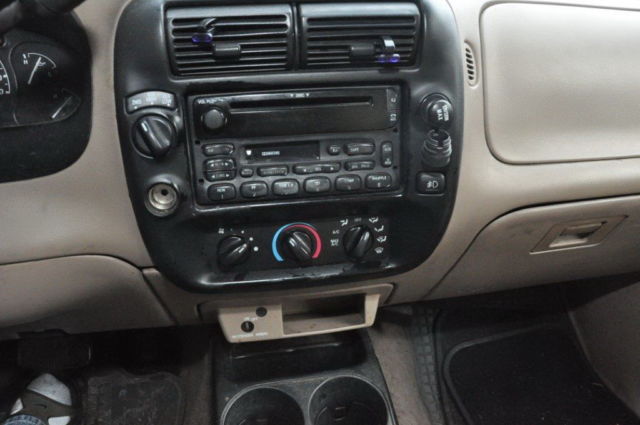
Inside the cabin, the XLT swapped out the basic vinyl for upgraded cloth upholstery that offered better breathability and comfort. The front seats often featured a 60/40 split-bench design with a fold-down center armrest that included a storage console and integrated cupholders. If you find a SuperCab model, you also get the signature rear jump seats, which are perfect for extra groceries, pets, or short trips with additional passengers.
- Upgraded Audio: The 2001 XLT often featured an AM/FM stereo with a single CD player, a major luxury for the era.
- Remote Keyless Entry: This was a standard convenience on most XLT packages, adding a modern feel to this classic compact truck.
- Cruise Control: Steering-wheel-mounted controls allowed for easy speed management during highway cruising, reducing fatigue on long hauls.
Critical Reliability Issues: Transmission and Timing Chain Concerns
No vehicle is without its quirks, and the 2001 Ford Ranger has a few well-documented “Achilles’ heels” that potential owners need to monitor closely. If you own or are looking to purchase a model with the 4.0L V6 SOHC engine, there are two specific areas that require your undivided attention to ensure the truck’s longevity.
The 4.0L SOHC Timing Chain “Rattle”
The 4.0L SOHC engine utilized a complex timing chain system with multiple chains, guides, and tensioners located at both the front and rear of the engine. Over time, the plastic guides can become brittle and the hydraulic tensioners can lose pressure. If you hear a metallic rattling sound—often described as “marbles in a can”—between 2,000 and 3,000 RPM, it is a sign that the timing system is failing.
- Early Detection: Pay close attention to the engine sound during cold starts. A brief rattle that disappears as oil pressure builds is an early warning sign.
- Maintenance Tip: Use high-quality synthetic oil and change it strictly every 3,000 to 5,000 miles. Clean oil is essential for the health of the hydraulic tensioners.
The 5R55E Automatic Transmission Issues
The 5-speed automatic transmission paired with the 4.0L engine is known for being somewhat temperamental if neglected. Common symptoms include a “flashing O/D light” on the dashboard, which indicates a stored diagnostic trouble code. Owners frequently report harsh shifting or slipping between second and third gears, often caused by a blown valve body gasket or a failing solenoid.
- Manage the Heat: Excessive heat is the primary enemy of the 5R55E. If you plan on towing near the truck’s maximum capacity, installing an aftermarket auxiliary transmission cooler is a highly recommended upgrade.
- Check Fluid Color: Regularly inspect the transmission fluid. It should be bright red and translucent. If it looks brown or smells burnt, a fluid and filter change is overdue and should be addressed immediately to avoid a full rebuild.
Final Thoughts on the 2001 Ford Ranger XLT 4×4
The 2001 Ford Ranger XLT 4×4 remains a legendary compact pickup for a reason. It strikes a nearly perfect balance between rugged off-road capability and daily-driver comfort. While the timing chain guides and the 5R55E transmission require proactive maintenance, the truck’s overall simplicity and the massive availability of affordable parts make it an excellent choice for DIY enthusiasts and those needing a reliable secondary workhorse.
If you are considering buying one, your first steps should be a thorough mechanical inspection and a deep dive into the service history. Prioritize checking the timing chain health and the transmission fluid quality. With the right care and preventative maintenance, these trucks are easily capable of surpassing the 200,000-mile mark. Ready to get your Ranger back on the trail or the job site? Start with a full fluid refresh today and enjoy the legendary utility of this Ford classic!
❓ Frequently Asked Questions
Is the 4.0L SOHC V6 in the 2001 Ranger reliable?
While powerful, the early 4.0L SOHC engines are known for timing chain cassette failures. If you hear a ‘rattle’ between 2,000 and 3,000 RPM, the guides may be failing, which is an expensive engine-out repair.
What features distinguish the XLT trim from the XL or Edge?
The XLT was the premium consumer trim, offering chrome bumpers, power accessories (windows/locks/mirrors), a CD player, and upgraded ‘high-back’ cloth seats compared to the basic vinyl in the XL.
How does the 4×4 system work on the 2001 model?
The 2001 Ranger uses a vacuum-actuated hub system (PVH) and an electronic transfer case. While convenient, the vacuum seals often fail over time, leading many owners to convert to manual locking hubs for reliability.
What is the payload capacity for the 2001 XLT 4×4?
The payload capacity typically ranges from 1,260 to 1,580 lbs depending on whether it is a Regular Cab or SuperCab configuration and the specific leaf spring package.
Are there common transmission problems with the 2001 Ranger?
The 5R55E 5-speed automatic can experience ‘flare’ shifts or a flashing O/D light, often caused by a worn valve body gasket or failing solenoids, which requires prompt attention to avoid total failure.
How does the 3.0L V6 compare to the 4.0L V6 in the 4×4 model?
The 3.0L ‘Vulcan’ V6 is extremely durable but underpowered for a 4×4 truck, producing only 150 hp. The 4.0L is much better for towing and highway driving but requires more careful maintenance of the timing components.