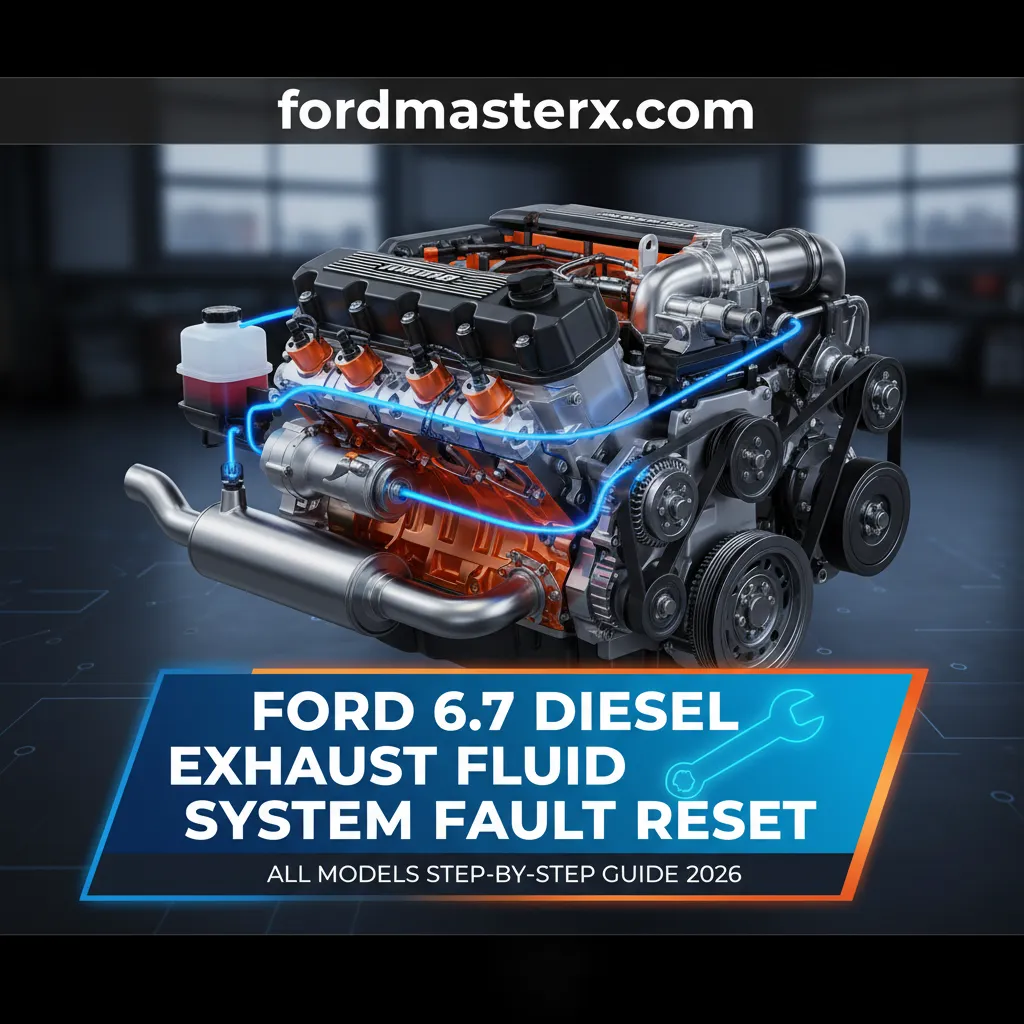
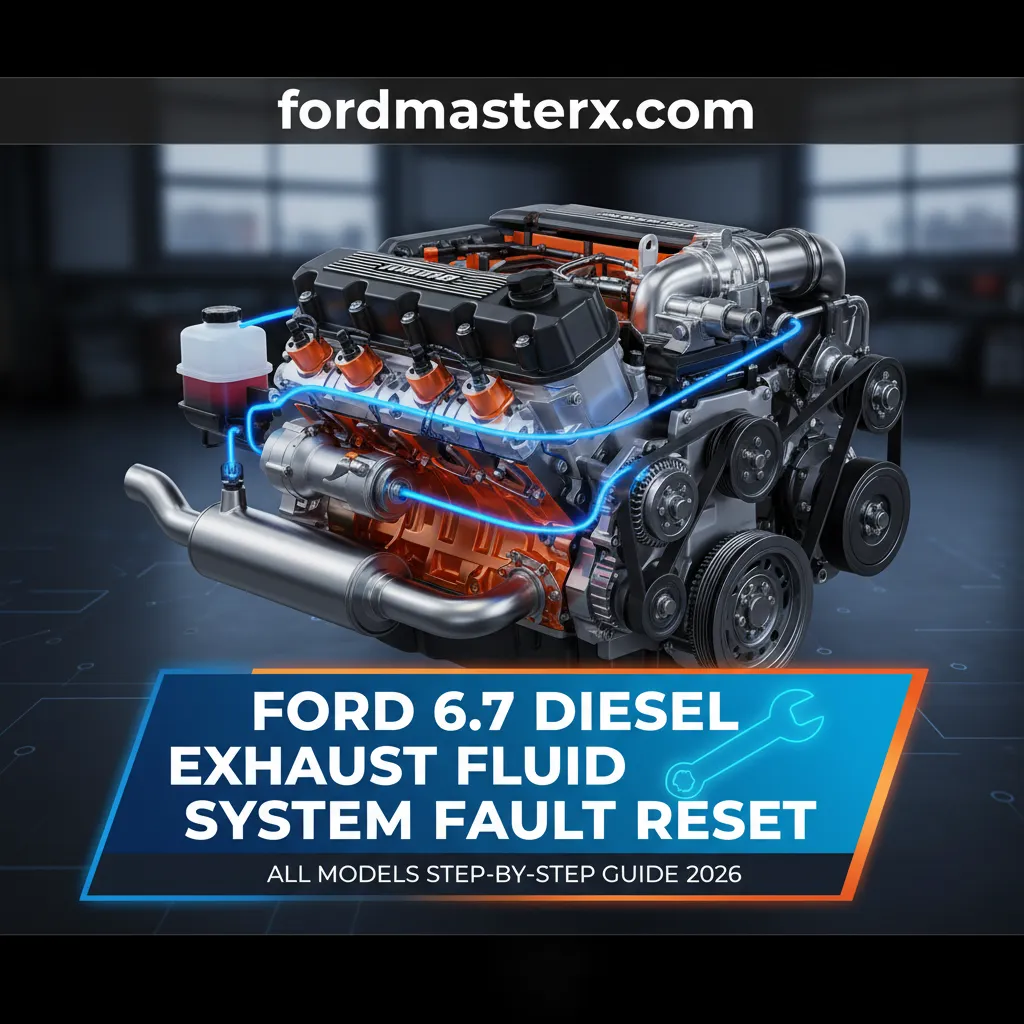
Ford 6.7 Diesel Exhaust Fluid System Fault Reset: All Models Step-By-Step Guide 2026

Experiencing a ‘Service Exhaust System’ warning or ‘Exhaust Fluid System Fault’ message on your Ford 6.7L Power Stroke diesel can be a significant concern, often leading to performance restrictions and costly repairs. Drivers frequently encounter issues with their Diesel Exhaust Fluid (DEF) system, ranging from simple sensor glitches to complex component failures, making it challenging to diagnose and resolve without expert guidance. This comprehensive guide will walk you through the diagnosis and step-by-step procedures for resetting Ford 6.7 diesel DEF system faults across all models, empowering you to address common issues and understand when professional intervention is necessary for 2026 and beyond.

Understanding the Ford 6.7 Diesel Exhaust Fluid System and Common Fault Indicators
Recommended Best Deal Products


📤 Share Image
The Ford 6.7L Power Stroke diesel engine, across all Super Duty models from F-250 to F-550 (2011-2026), relies heavily on its emissions control system to meet stringent environmental regulations. Central to this is the Selective Catalytic Reduction (SCR) system, which utilizes Diesel Exhaust Fluid (DEF) to reduce harmful nitrogen oxide (NOx) emissions. The DEF, a non-toxic solution of urea and de-ionized water, is injected into the exhaust stream ahead of the SCR catalyst. Here, a chemical reaction converts NOx into harmless nitrogen and water vapor, significantly cleaning up the exhaust. Research indicates that modern SCR systems, like those found in the 6.7L Power Stroke, can achieve up to 90% reduction in NOx emissions.
Common Dashboard Warnings and Messages
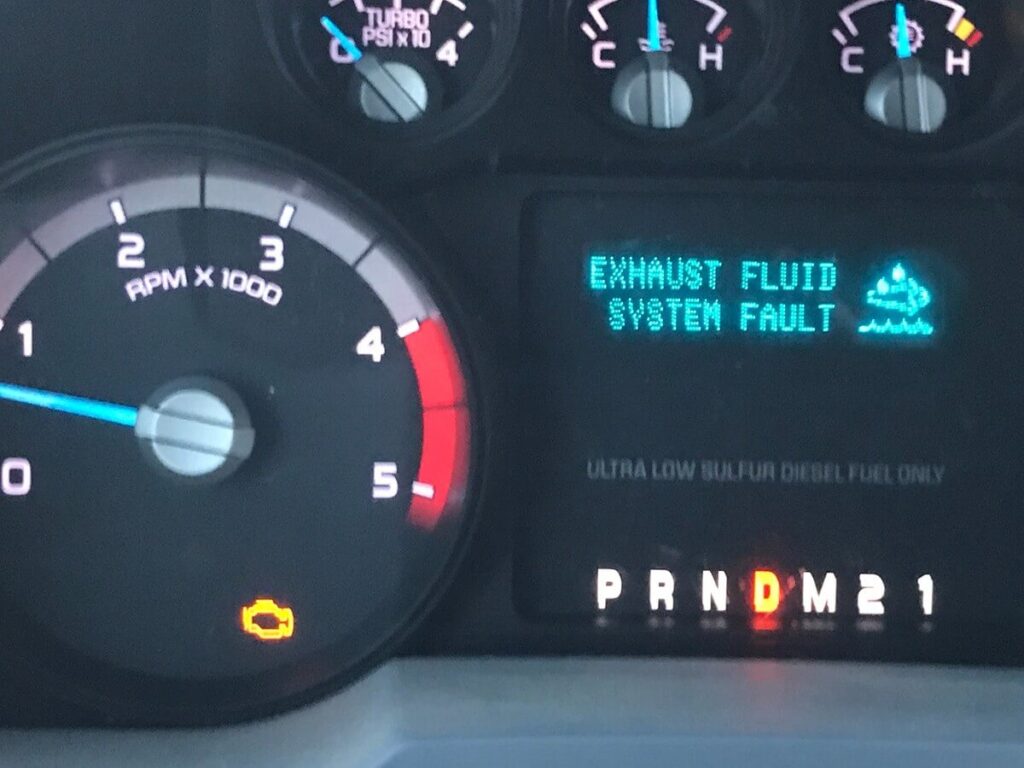
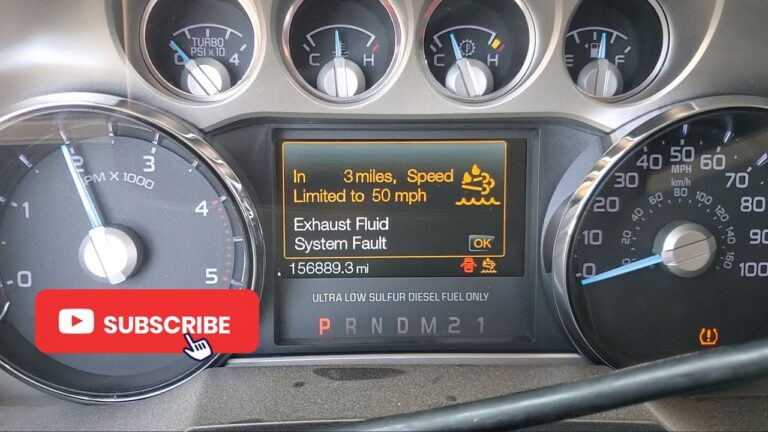
When the DEF system encounters a problem, your Ford Super Duty will typically alert you via the instrument cluster. Common messages include: ‘Exhaust Fluid System Fault, See Dealer’, ‘Service Exhaust System Soon’, or more specific warnings like ‘Diesel Exhaust Fluid Quality Low/Poor’ or ‘Exhaust Fluid Low’. For example, a 2015 F-350 might display “Exhaust System Fault – Speed Limited to 50 MPH in 100 Miles”, while a newer 2020 F-250 might show “Service Exhaust System Now – Engine Derate Imminent”. These warnings are designed to prompt timely action, preventing more severe issues or regulatory penalties.
Key Diagnostic Trouble Codes (DTCs)
A diagnostic scan tool will reveal specific Diagnostic Trouble Codes (DTCs) that pinpoint the nature of the fault. Frequently encountered DEF-related DTCs for the 6.7L Power Stroke include:
- P207F: DEF Quality Performance – Indicates the DEF quality is below acceptable standards or the SCR system isn’t seeing the expected NOx reduction.
- P2002: DPF Efficiency Below Threshold (Bank 1) – While a DPF code, DEF issues can indirectly impact DPF regeneration, causing this code.
- P20EE: SCR NOx Catalyst Efficiency Below Threshold (Bank 1) – Directly points to the SCR system not performing its NOx reduction function effectively.
- P20BA: DEF Heater Circuit – Indicates a fault with the DEF tank or line heater, critical for preventing DEF from freezing.
- P20E9: DEF Pressure Sensor Circuit – Suggests an issue with the sensor measuring DEF pressure within the system.
These codes are invaluable for diagnosing the root cause. For instance, an OBD-II scanner might display P207F alongside a ‘DEF Quality Poor’ message, providing a clear starting point for troubleshooting.
Consequences of Ignoring DEF Faults
Ignoring DEF system faults can lead to severe operational restrictions. Emissions regulations mandate that vehicles with failing DEF systems enter a derate strategy. Initially, this might be a warning, then reduced engine power, and eventually, the vehicle entering limp mode with severe speed and power limitations, or even complete immobilization after a certain number of restarts or miles. This is not just an inconvenience; it’s a regulatory requirement designed to prevent excessive pollution. It’s critical to understand that the typical DEF consumption rate is around 1-2% of fuel consumption, so consistent monitoring of DEF levels and quality is essential.
Step-By-Step Procedure: Resetting a Ford 6.7 Diesel Exhaust Fluid System Fault
While some DEF system faults may resolve themselves, many require intervention. This section outlines methods to reset these faults, from driver-initiated procedures to using diagnostic tools, applicable across all Ford 6.7L Super Duty models.
📋
Step-by-Step Guide
Recommended Best Deal Products


This method is primarily effective for temporary faults like “DEF Quality Low” after refilling with fresh, high-quality DEF, or for clearing a “DEF Level Low” warning. First, ensure your DEF tank is completely full with certified ISO 22241 fluid. Next, perform a specific drive cycle. This typically involves driving at sustained highway speeds (e.g., 55-65 mph) for at least 20-30 minutes. The vehicle’s onboard computer needs this extended operation to re-evaluate system parameters and, if the conditions are met, it may clear the fault and warning message. Multiple key cycles (turning the engine off and on) over several hours can also sometimes help. This is a common workaround for minor glitches, but it won’t resolve underlying hardware failures.

Audible — Listen Free for 30 Days
One free credit a month and thousands of titles included.
Listen Free for 30 Days As an Amazon Associate I earn from qualifying purchases.For more persistent or component-related faults, an OBD-II diagnostic scan tool is necessary. You’ll need a scanner capable of reading and clearing powertrain (P-codes) DTCs, not just basic emissions readiness monitors. While basic scanners can range from $50-$200, more advanced models with live data and special functions start at $200+.
- Connect the Scanner: Locate the OBD-II port (typically under the dashboard on the driver’s side) and plug in your scan tool.
- Key On, Engine Off (KOEO): Turn the ignition to the “ON” position, but do not start the engine.
- Scan for Codes: Navigate the scan tool’s menu to “Read Codes” or “Diagnostic Trouble Codes” to identify any active DEF system faults (e.g., P207F).
- Clear DTCs: Select the “Clear Codes” or “Erase DTCs” option. The scan tool will confirm the action. Be aware that clearing codes removes all stored diagnostic information, which can be useful for debugging, but also erase freeze frame data that might be critical for deeper diagnosis.
This method is effective for clearing codes after a repair has been made, but if the underlying cause persists, the codes will reappear.
For more advanced faults or after replacing certain DEF components (like a NOx sensor or DEF pump), a simple DTC clear may not suffice. Some higher-end diagnostic tools, such as Ford IDS/FDRS (Integrated Diagnostic Software/Ford Diagnostic and Repair System) or professional-grade aftermarket scanners (costing $500+), offer specific “SCR System Reset” or “DEF System Relearn” functions. These functions re-initialize the system’s learned values and calibration settings. Navigate to the special functions or service routines menu on your advanced scanner, then select the appropriate SCR system reset option. This is often necessary to properly resolve complex DEF performance issues or after a significant repair.
After any reset attempt, it is crucial to perform a verification drive cycle. This allows the vehicle’s monitors to run their self-tests and confirm the fault does not immediately return. A typical drive cycle involves a combination of city and highway driving:
- Start the engine and let it idle for 2-3 minutes.
- Drive at varied speeds, including at least 5-10 minutes at sustained highway speeds (e.g., 55-65 mph).
- Perform several accelerations and decelerations.
- Allow the vehicle to coast with no throttle input for a short period.
Monitor the dashboard for any returning warning lights. A successful drive cycle confirms the system is operating correctly and the fault has been resolved, at least temporarily.
Always ensure your vehicle is on level ground and in park with the parking brake engaged when performing diagnostic steps. Avoid driving for extended periods with a severe DEF fault that has initiated a derate or limp mode, as this can exacerbate damage or leave you stranded. Wear appropriate personal protective equipment (PPE) if you need to inspect under the hood or chassis, such as gloves and eye protection.

Advanced Troubleshooting: When a Simple Reset Fails to Resolve the DEF Fault
If a basic reset or drive cycle doesn’t permanently clear the DEF system fault on your Ford 6.7L, it’s a strong indicator of a deeper, underlying issue. This requires a more thorough diagnosis to pinpoint the mechanical or electrical cause.
Verifying DEF Quality and Contamination
The most common and often overlooked cause of DEF faults is poor fluid quality or contamination. Diesel Exhaust Fluid must meet ISO 22241 standards. Visually inspect your DEF for any signs of contamination:
Audible Premium Plus — Annual Membership
12 audiobook credits up front, plus the full Audible catalogue.
See Annual Plans As an Amazon Associate I earn from qualifying purchases.- Crystallization: White, crusty deposits around the fill cap or tank.
- Discoloration: DEF should be clear and colorless. If it’s cloudy, yellowish, or has visible particles, it’s contaminated. (Imagine holding a clear glass of water next to a glass of slightly murky, off-color water to visualize clean vs. contaminated DEF).
- Odor: While DEF has a slight ammonia smell, a strong, unusual odor can indicate degradation.
Poor quality DEF can quickly lead to codes like P207F and can damage costly components. If contamination is suspected, drain the tank (if accessible and safe), rinse thoroughly with distilled water, and refill with fresh, certified DEF. This simple solution can often resolve the issue without component replacement.
Inspecting DEF System Components
A thorough visual inspection of the entire DEF system can reveal common failure points:
- DEF Pump/Doser: Often located near the DEF tank, check for leaks, corrosion, or damaged electrical connectors. A common failure point, especially in older models, is the pump motor or its internal components.
- DEF Injector: Situated in the exhaust stream, look for heavy crystallization that could block the spray nozzle, affecting injection patterns.
- Heater Elements: The DEF tank and lines contain heaters to prevent freezing (DEF freezes at -11°C or 12°F). Inspect wiring and connections. Heater failures (often indicated by P20BA) are prevalent in colder climates.
- Lines and Hoses: Check for kinks, cracks, or leaks, particularly where connections are made.
- Electrical Connectors: Corrosion or loose connections can interrupt sensor signals or power to components.
Testing DEF System Sensors
The DEF system relies on several critical sensors. While direct testing often requires specialized tools, basic multimeter checks and advanced scan tool live data can provide clues:
- DEF Level Sensor: Located in the tank, it monitors fluid volume. Live data on a scan tool should accurately reflect the DEF level.
- DEF Quality Sensor: Also in the tank, this sensor measures the urea concentration. Malfunctions can trigger P207F even with good DEF.
- NOx Sensors: Typically, one pre-SCR and one post-SCR, they monitor NOx levels. Discrepancies between their readings or implausible values can indicate sensor failure (triggering P20EE) or a malfunctioning SCR catalyst. Testing usually involves comparing live data values.
- Pressure Sensors: Monitor DEF pressure within the system. Check for stable readings using a scan tool.
If live data readings are erratic, stuck, or outside specifications, it points to a faulty sensor requiring repair or replacement. This requires knowledge of expected sensor values, often found in service manuals.
Addressing Exhaust System Restrictions (DPF/SCR)
Sometimes, DEF system faults are symptoms of issues with other exhaust components. A clogged Diesel Particulate Filter (DPF) (e.g., P2002) can prevent proper exhaust flow, impacting SCR efficiency and triggering related DEF codes. Regular DPF regeneration is key. If the SCR catalyst itself becomes fouled or damaged, it won’t effectively convert NOx, leading to P20EE codes that no amount of DEF reset will resolve. These components may require specialized cleaning or replacement.
Professional Diagnosis and Repair
When basic troubleshooting and resets fail, or if you’re dealing with persistent faults, communication errors (e.g., U-codes), or require component-specific pinpoint tests, it’s critical to seek professional assistance. Ford dealerships and certified diesel mechanics have access to specialized tools like Ford IDS/FDRS, which allow for module programming, advanced diagnostic routines, and detailed component testing. For 2026 models and earlier, common repair costs can be substantial:
- DEF Pump Replacement: Approximately $800 – $2,000 (parts + labor).
- NOx Sensor Replacement: Around $300 – $700 per sensor (parts + labor).
- DPF Replacement: Can range from $1,500 – $3,000+ (parts + labor), not including potential associated sensor replacements.
These figures underscore the importance of proper maintenance and early diagnosis to avoid costly repair bills.
By The Numbers
NOx Reduction
DEF Freezing Point
DEF Pump Cost (Est. 2026)
DEF Fuel Consumption Ratio
Preventative Measures and System Maintenance for Ford 6.7 DEF Longevity
Recommended Best Deal Products


Proactive maintenance is the most effective strategy to prevent DEF system faults and extend the life of your Ford 6.7L Power Stroke’s emissions components. Adhering to best practices can save you significant time, money, and frustration.
Utilizing High-Quality, Certified DEF
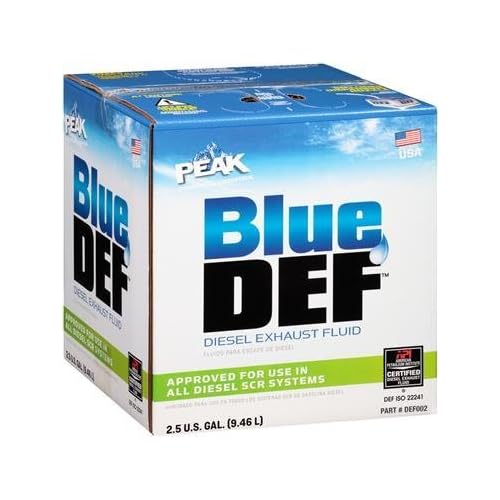
This cannot be stressed enough: always use DEF that explicitly meets ISO 22241 standards. Look for this certification clearly printed on the container. Generic or uncertified DEF, often found at non-specialized retailers, can contain impurities or incorrect urea concentrations. The risks associated with using substandard DEF include rapid system contamination, crystallization, and premature failure of expensive components like the DEF pump, injector, and quality sensor. This single factor is a primary cause of many DEF system malfunctions.
Proper DEF Storage and Handling
DEF has a shelf life, typically 12-18 months, depending on storage conditions. To prevent degradation:
- Cool, Dry Place: Store DEF containers in a cool, dry area away from direct sunlight. High temperatures accelerate urea degradation.
- Sealed Containers: Always keep DEF containers tightly sealed to prevent contamination from dust, dirt, or other fluids.
- Check Expiration Dates: Never use expired DEF. The chemical composition can change, leading to system faults.
Even a small amount of contamination, such as a drop of diesel or coolant, can compromise an entire DEF tank and trigger fault codes.
Regular System Inspections and Maintenance
Incorporate DEF system checks into your routine maintenance:
- Visual Checks: Periodically inspect the DEF tank, fill neck, lines, and electrical connections for any signs of leaks, damage, or crystallization.
- Adhere to Ford’s Schedule: Follow Ford’s recommended service intervals for emissions system inspections, which typically occur during major service milestones.
- Fluid Top-Off: Avoid running the DEF tank completely dry, as this can sometimes introduce air into the system or prompt warnings.
Understanding Driving Habits’ Impact
Your driving patterns directly influence the health of your emissions system. Consistent short-trip driving, where the engine never fully reaches optimal operating temperatures, can negatively impact both the DPF and SCR systems. The DPF may struggle to complete passive or active regenerations, leading to clogging, while the SCR system may not reach the temperatures needed for efficient NOx conversion. Periodically, especially if you primarily do short trips, advocate for longer highway drives (30+ minutes) to allow the DPF to regenerate and the SCR system to operate effectively. This workaround helps the system maintain itself.
Winterization Tips
In cold climates, DEF’s freezing point of -11°C (12°F) becomes a concern. While modern Ford 6.7L DEF systems are equipped with heaters, proper winterization helps:
- Keep Tank Full: A fuller DEF tank is less prone to freezing completely.
- Heater Functionality: Ensure your DEF system heaters are functioning correctly before winter, or if you get a P20BA code. The system is designed to thaw frozen DEF once the engine is running, but heater failure will prevent this.
- Engine Warm-Up: Allow sufficient engine warm-up time in freezing temperatures to ensure the DEF heating system has time to operate.
By implementing these preventative measures, you can significantly reduce the likelihood of encountering a DEF system fault on your Ford 6.7L Power Stroke diesel, ensuring reliable performance for years to come.
Manual and diagnostic tool resets can clear temporary DEF system faults but often don’t address underlying component issues. Persistent DEF faults frequently indicate sensor failures, contamination, or pump malfunctions requiring thorough diagnosis. Regular maintenance, using certified DEF, and understanding system operation are crucial for preventing future faults and ensuring longevity. Should your Ford 6.7 DEF system fault persist after attempting these resets and diagnostic steps, it is imperative to consult a certified Ford dealership or a specialized diesel technician for accurate diagnosis and repair to prevent further damage or regulatory compliance issues.
Frequently Asked Questions
Why does my Ford 6.7 Power Stroke keep getting ‘Exhaust Fluid System Fault’ messages?
These messages commonly arise from low DEF levels, contaminated or expired DEF, faulty DEF quality/level sensors, issues with the DEF heater or pump, or even problems with NOx sensors or the DPF. The system is highly sensitive to fluid quality and operational parameters, triggering warnings for any detected deviation.
Can I drive my Ford 6.7 with an ‘Exhaust Fluid System Fault’ warning?
While you might be able to drive for a limited period, continuous operation with a DEF fault is not recommended. Ford’s system will typically initiate a series of warnings, followed by a gradual engine derate (reduced power), and eventually, vehicle speed limitation to comply with emissions regulations. Prompt resolution is crucial.
What is the most common cause of DEF system failures on Ford 6.7 diesels?
While various components can fail, contaminated DEF or using non-compliant DEF is a very common culprit, leading to sensor failures, clogged injectors, and pump malfunctions. Additionally, failures of the DEF heater element (especially in colder climates) and NOx sensors are frequently reported issues across model years.
How often should I add DEF to my Ford 6.7 and what type should I use?
DEF consumption varies based on driving style and conditions, but generally, you’ll need to refill every 5,000-10,000 miles. Always use DEF that meets ISO 22241 standards. Look for containers clearly labeled with this specification to ensure proper quality and prevent system damage or fault codes.
Will clearing a DEF fault code with an OBD-II scanner permanently fix the issue?
Clearing a DEF fault code with an OBD-II scanner is a temporary measure that only resets the system’s warning light. If an underlying issue (e.g., faulty sensor, contaminated fluid, component malfunction) persists, the fault code will reappear, often after a specific drive cycle or once the fault condition is re-detected by the vehicle’s computer. It’s crucial to diagnose the root cause.