Code P1450 Ford Fusion Proven P1450 Ford Fusion Fix 2026

The P1450 code on your Ford Fusion indicates an issue with the EVAP system’s inability to draw a vacuum. This commonly points to a stuck purge valve, a faulty gas cap, or a leak in the EVAP system, requiring systematic diagnosis and repair.
The P1450 code on your Ford Fusion indicates an issue with the EVAP system’s inability to draw a vacuum. This commonly points to a stuck purge valve, a faulty gas cap, or a leak in the EVAP system, requiring systematic diagnosis and repair.

Prime for Young Adults — 6 Months Free
Students and 18–24s get six months of Prime free, then half price.
Start 6 Months Free As an Amazon Associate I earn from qualifying purchases.The illuminated check engine light and DTC P1450 on your Ford Fusion signals an issue with the evaporative emissions system, specifically concerning its ability to maintain vacuum. We understand this can be concerning, but rest assured, this problem is quite common among various Ford models. It often points to a relatively straightforward fix.
While the P1450 code might seem complex, it’s a specific message from your vehicle’s onboard diagnostic (OBD-II) system. Addressing this code promptly ensures your Fusion operates efficiently and complies with emission standards in 2026. We will guide you through understanding, diagnosing, and fixing this issue.
To truly address this problem, understanding what P1450 signifies for your Ford Fusion is the critical first step.
Key Takeaways
Recommended Best Deal Products

- P1450 signifies an EVAP system vacuum problem.
- A loose gas cap is often the simplest fix.
- The EVAP purge valve frequently causes P1450.
- Systematic diagnosis prevents unnecessary part replacement.
- Address P1450 to ensure emissions compliance.
What Does P1450 Mean on Your Ford Fusion?
When your Ford Fusion registers the P1450 diagnostic trouble code, it specifically indicates that the Evaporative Emission Control System (EVAP) is unable to bleed up vacuum. This means the system responsible for capturing and storing fuel vapors isn’t functioning as intended. Essentially, your vehicle’s engine control unit (ECU) has detected that the EVAP system cannot achieve or maintain the necessary negative pressure.
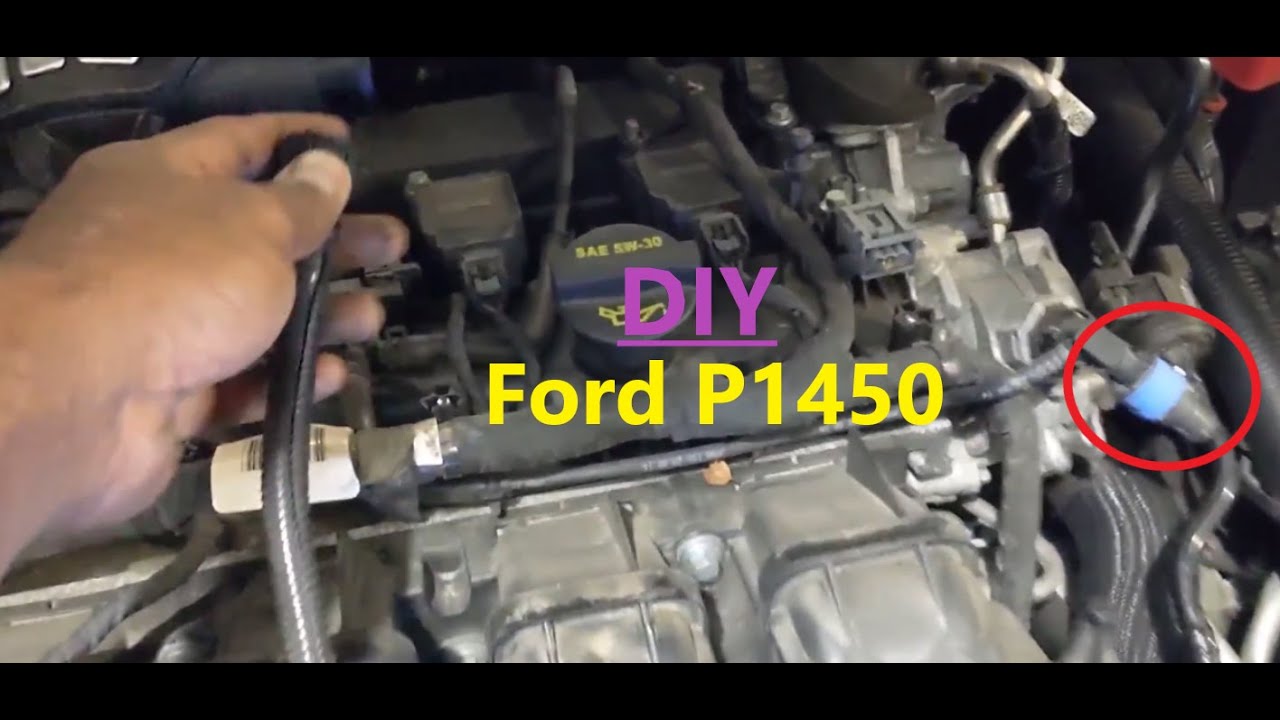
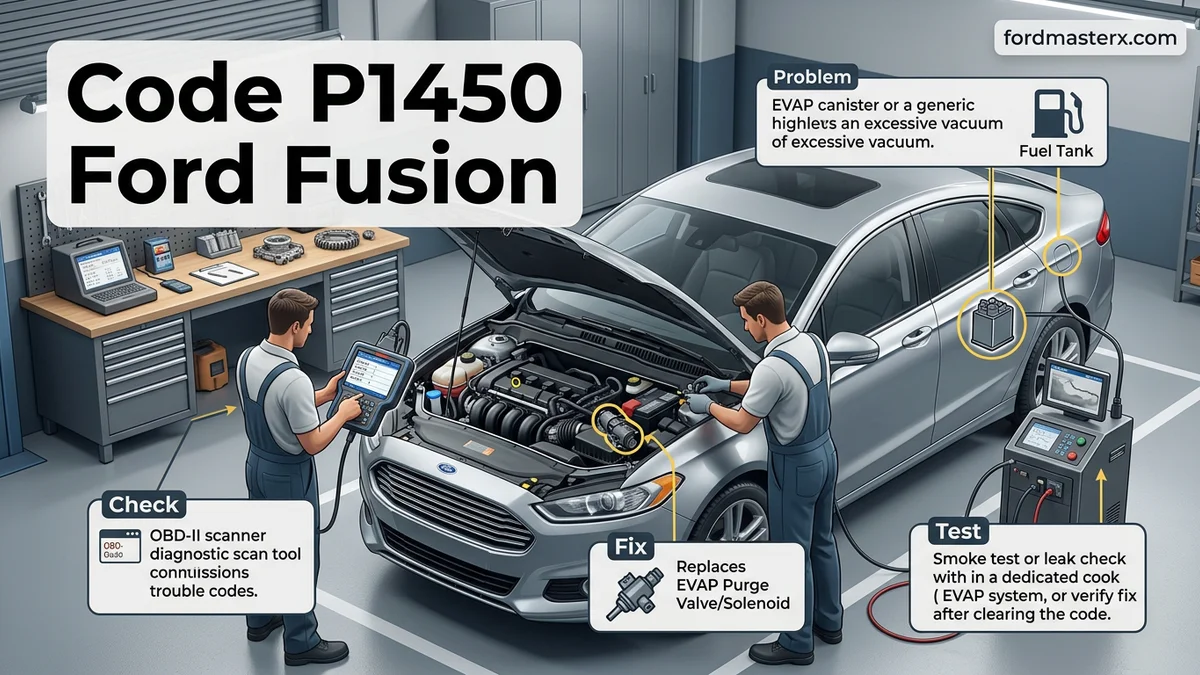
The EVAP system prevents harmful fuel vapors from escaping into the atmosphere. It uses a network of hoses, valves, and a charcoal canister to capture these vapors from the fuel tank. A key component, the purge valve, opens periodically to draw these vapors into the engine to be burned.
If the system cannot pull a vacuum, it suggests an obstruction or a leak.
Common symptoms of P1450 in your Ford Fusion might include a lingering fuel odor, especially after refueling, poor engine idle quality, or even difficulty starting after filling up. However, many Fusion owners report no noticeable symptoms beyond the persistent check engine light. For specific technical details on Ford Fusion EVAP systems, refer to relevant Ford technical service bulletins.
Understanding the core meaning of P1450 paves the way for us to explore the most frequent reasons this code appears in your Ford Fusion.
5 Most Common P1450 Ford Fusion Causes
The P1450 code on your Ford Fusion typically stems from a handful of common issues within the EVAP system, many of which are relatively simple to identify. Understanding these causes helps streamline your diagnostic process. Based on reported data and anecdotal evidence, here are the most probable culprits.

Audible — Listen Free for 30 Days
One free credit a month and thousands of titles included.
Listen Free for 30 Days As an Amazon Associate I earn from qualifying purchases.Loose Fuel Cap Issues
A loose, damaged, or incorrect gas cap is the simplest and often most overlooked cause for a P1450 code on your Ford Fusion. The gas cap is a vital part of the sealed EVAP system. If it doesn’t seal properly, the system cannot maintain the required vacuum.
Faulty Purge Valve
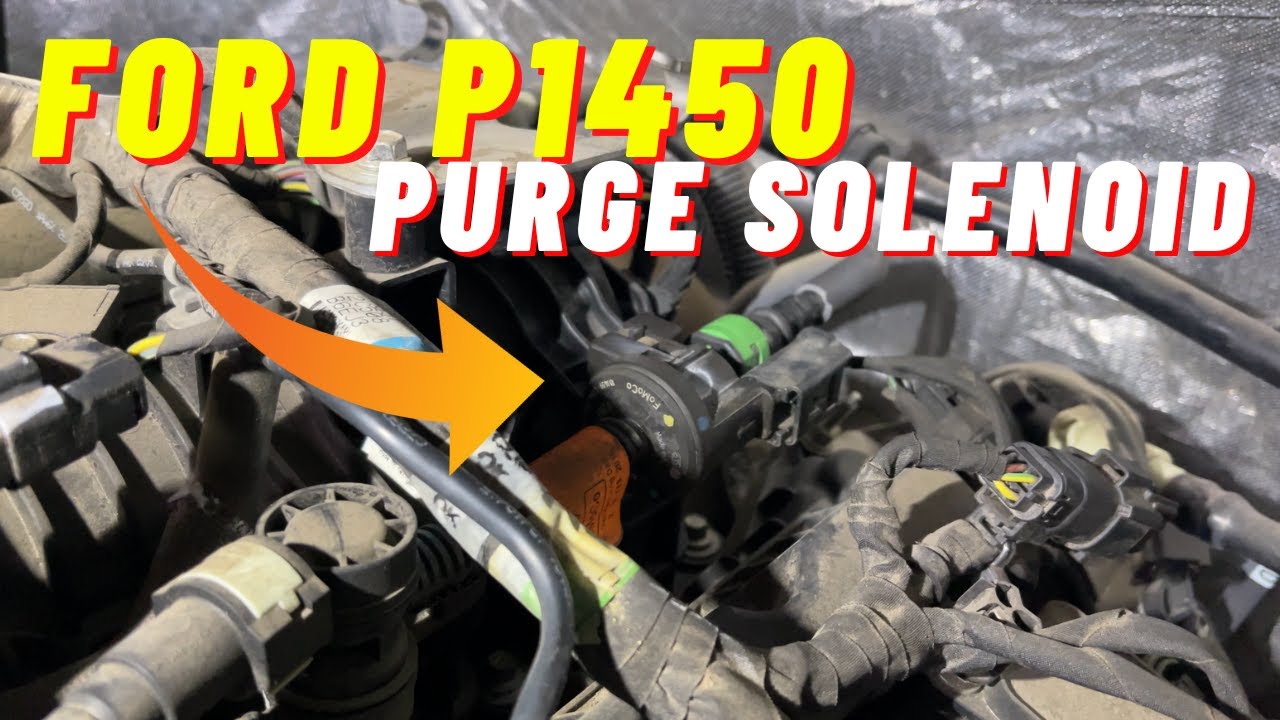
The EVAP purge valve is a very common failure point for this code. Located near the engine, this solenoid valve controls the flow of fuel vapors from the charcoal canister to the engine. If it sticks open or closed, it can prevent the system from drawing a vacuum, directly causing the P1450.
You can learn more about how a purge valve works in detail.
Clogged Charcoal Canister
The charcoal canister stores fuel vapors. If the canister becomes saturated with liquid fuel due to overfilling the gas tank or a faulty vent valve, it can restrict airflow. This clogging prevents the EVAP system from properly bleeding vacuum, triggering the P1450 code.
Leaking Vent Valve
The EVAP vent valve, typically located near the charcoal canister, opens to allow fresh air into the EVAP system during the purge cycle. If this valve fails to close completely or has an internal leak, it can prevent the system from building or holding vacuum, leading to a P1450 error.
Damaged EVAP Hoses
Over time, rubber EVAP hoses and lines can crack, become brittle, or disconnect due to age, heat, or rodent damage. Any leak in these lines can compromise the EVAP system’s ability to hold a vacuum, directly resulting in the P1450 code. Such leaks might also contribute to a strong fuel odor.
Knowing these potential culprits is crucial, but the real power lies in systematically diagnosing which one affects your specific Ford Fusion.
How to Diagnose Ford Fusion P1450 in 4 Steps
Systematically diagnosing the P1450 code on your Ford Fusion can pinpoint the exact problem without unnecessary part replacements. We recommend starting with the easiest and most common checks.
1. Inspect Fuel Cap
- Remove and Re-install: Completely remove your gas cap. Check for any cracks, damage, or wear on the rubber O-ring seal.
- Tighten Properly: Re-install the gas cap, ensuring you hear at least three clicks to confirm a tight seal.
- Clear Code: Drive your Fusion for a short period. If the check engine light extinguishes, the gas cap was likely the culprit.
2. Test Purge Valve
The purge valve is often located on or near the intake manifold.
- Locate Valve: Identify the EVAP purge valve. It typically has two hoses and an electrical connector.
- Listen for Clicking: With the engine running (if the code is active), you might hear a clicking sound indicating it’s operating.
- Manual Vacuum Test: Disconnect the hose leading to the engine manifold. With the engine off, apply vacuum to the purge valve port that connects to the manifold using a hand-held vacuum pump. It should hold vacuum. If it doesn’t, it might be stuck open.
- Electrical Check: Use a multimeter to check for power and ground at the electrical connector with the ignition on. Then, check the resistance of the purge valve solenoid itself (typically 12-30 ohms). . An out-of-spec reading or lack of power indicates an electrical issue or a faulty valve.
3. Examine Vent Valve
The vent valve is usually located near the charcoal canister, often under the vehicle near the fuel tank.
Audible Premium Plus — Annual Membership
12 audiobook credits up front, plus the full Audible catalogue.
See Annual Plans As an Amazon Associate I earn from qualifying purchases.- Visual Inspection: Check the vent valve for physical damage, corrosion, or blockages (like spiderwebs) in its opening.
- Electrical Test: Similar to the purge valve, check for power and ground at the electrical connector. You can also test its resistance.
- Operation Test: With a scan tool, you may be able to command the vent valve open and closed. Listen for a click. A smoke machine can also reveal leaks if the valve fails to seal.
4. Check EVAP Hoses
Visually inspect all visible EVAP lines and hoses from the engine bay back to the fuel tank and charcoal canister.
- Look for Cracks: Pay close attention to rubber hoses for dry rot, cracks, or holes, especially at connection points.
- Check Connections: Ensure all hoses are securely connected to their respective ports on the purge valve, vent valve, canister, and fuel tank.
- Fuel Odor: A strong fuel smell near a particular hose can indicate a leak.
- Smoke Test (Professional): For elusive leaks, a professional smoke machine test is highly effective. Smoke is introduced into the EVAP system, making leaks visible.
Once you’ve identified the specific problem through careful diagnosis, we can move on to the most effective repair solutions for your Ford Fusion.
3 Top Ford Fusion P1450 Repair Solutions
With a clear diagnosis in hand, resolving the P1450 code on your Ford Fusion involves specific repair actions tailored to the identified fault. We will detail the most common repairs and their associated costs.
1. Replace Gas Cap
This is the simplest fix. If your gas cap is old, damaged, or simply doesn’t seal correctly, replacement is the solution.
- Purchase New Cap: Obtain a new OEM or high-quality aftermarket gas cap designed specifically for your Ford Fusion.
- Install: Simply remove the old cap and twist on the new one until it clicks securely.
- Clear Code: Drive your vehicle for a few cycles, or manually clear the code with an OBD-II scanner.
Estimated Cost: DIY: $15-$40 (part).
Professional: $40-$100 (part + labor). Difficulty: Very Easy. Tools: None.
2. Install New Purge Valve
Replacing a faulty EVAP purge valve is a common and usually straightforward DIY repair for Ford Fusion owners.
- Locate Valve: Refer to your Ford Fusion’s service manual or online diagrams to locate the EVAP purge valve, typically mounted on the intake manifold or a bracket nearby.
- Disconnect Battery: For safety, disconnect the negative terminal of your car battery.
- Disconnect Hoses and Electrical: Carefully disconnect the two EVAP hoses from the purge valve and then unclip the electrical connector.
- Remove Valve: Unbolt or unclip the old purge valve from its mounting.
- Install New Valve: Install the new purge valve in reverse order, ensuring all connections are secure.
Use an OEM or reputable aftermarket part.
Estimated Cost: DIY: $30-$100 (part). Professional: $100-$250 (part + labor).
Difficulty: Easy to Moderate. Tools: Socket set, screwdriver, flathead screwdriver, potentially hose clamp pliers.
3. Repair EVAP Line Leak
Repairing a leaky EVAP line depends on the location and severity of the leak.
- Locate Leak: This step relies heavily on your diagnosis (visual inspection, smoke test). Once found, assess the damage.
- Patch or Replace: For small cracks or pinholes in rubber hoses, specialized EVAP hose repair kits might offer a temporary fix.
However, full replacement of the damaged section is always recommended. For hard lines, if a section is compromised, it may need to be cut and spliced with a new section of appropriate material and connectors.
Estimated Cost: DIY: $10-$50 (materials for patch/replacement section).
Professional: $100-$400+, depending on accessibility and extent of the leak. Difficulty: Moderate to Difficult (depending on location). Tools: Utility knife, hose clamps, pliers, possibly specialized EVAP line tools.
After addressing the repair, you might wonder about the implications of driving with this code or how to prevent its return.
Can You Drive Your Ford Fusion With P1450?
While a P1450 code on your Ford Fusion might not immediately leave you stranded, understanding its implications for driving safety and long-term vehicle health is important. In most cases, a P1450 does not pose an immediate safety risk that would prevent you from driving your car, unless you notice a very strong fuel odor indicating a significant leak which could be a fire hazard.

However, ignoring the P1450 code can lead to several long-term consequences. Firstly, your vehicle will likely fail emissions testing in 2026, as the EVAP system is a critical component for controlling air pollution. Continued driving with a faulty EVAP system can also lead to reduced fuel efficiency, as fuel vapors are not being properly utilized by the engine.
Over time, an unaddressed EVAP issue could potentially cause other related components to wear prematurely, leading to more expensive repairs down the line. It’s always best to address any diagnostic trouble code promptly to maintain your vehicle’s performance and longevity.
To prevent future occurrences, always ensure your gas cap is tightened until it clicks several times after refueling. Regular inspections of your EVAP hoses for cracks and proper connections can also help prevent this issue. Timely maintenance and attention to small details can save you from bigger problems. We recommend exploring our other guides on Ford Fusion maintenance tips.
What Are Your Next Steps With Ford Fusion P1450?
Successfully navigating the P1450 code on your Ford Fusion means you’ve taken a significant step toward maintaining your vehicle’s health and performance. By understanding the code’s meaning, identifying common causes, and systematically approaching diagnosis and repair, you’ve equipped yourself with valuable knowledge. Whether you’ve performed a DIY fix or prepared yourself for a professional repair, addressing this EVAP system issue is crucial for ensuring your Fusion passes future emissions tests in 2026 and operates efficiently for years to come.
Continue to monitor your vehicle’s performance and address any new check engine lights promptly.
What Does the P1450 Code Specifically Mean for a Ford Fusion?
The P1450 code on a Ford Fusion means the EVAP system is unable to draw a vacuum. This indicates a problem with the system’s ability to maintain negative pressure, which is crucial for containing fuel vapors and preventing their release into the atmosphere. It suggests a leak or an obstruction within the system.
Is It Safe to Drive My Ford Fusion With a P1450 Code?
Generally, it is safe to drive your Ford Fusion with a P1450 code, as it typically does not pose an immediate safety risk or cause severe drivability issues. However, we recommend fixing it promptly. Prolonged driving with the code can lead to failed emissions tests, reduced fuel economy, and potential long-term damage to other components.
What Is the Most Common Cause of P1450 in a Ford Fusion?
The most common causes for a P1450 code in a Ford Fusion include a loose or faulty gas cap, a stuck or malfunctioning EVAP purge valve, and occasionally a clogged charcoal canister or leaking EVAP lines. The gas cap is the easiest to check and often the culprit, followed closely by the purge valve.
How Much Does It Cost to Fix a P1450 Code on a Ford Fusion?
The cost to fix a P1450 code on a Ford Fusion varies widely depending on the cause. A new gas cap might cost $15-$40 for DIY. A new EVAP purge valve could be $30-$100 for the part, with professional installation reaching $100-$250. More complex issues like a charcoal canister or extensive EVAP line repair could be $200-$500 or more professionally.
Can a Loose Gas Cap Really Cause a P1450 Code on My Ford Fusion?
Yes, absolutely. A loose, damaged, or incorrectly sealed gas cap is one of the most frequent and simplest causes for a P1450 code on a Ford Fusion. The EVAP system relies on a completely sealed fuel system to create and maintain vacuum. Any breach, even from a faulty gas cap, will trigger this specific code.