Top 10 Utility Trailer Manufacturers: Best Brands for 2024

Big Tex, PJ Trailers, and Aluma consistently dominate the market by offering superior build quality, advanced powder coating, and high-performance suspension systems. Choosing a top manufacturer ensures access to premium components like Dexter Axles and specialized frame designs that maximize payload and longevity.
🎯 Key Takeaways
- Select Big Tex for heavy-duty steel and industry-leading resale value.
- Choose Aluma if you require rust-resistant, lightweight all-aluminum construction.
- Prioritize PJ Trailers for professional-grade powder coating and customization options.
- Look for Dexter Axles to ensure long-term reliability and parts availability.
- Verify warranty terms, as top brands offer 3 to 5-year protection.
Choosing the right utility trailer manufacturer depends on your specific hauling needs, from heavy equipment transport to weekend landscaping. The most reputable brands in 2024, such as Big Tex, PJ Trailers, and Aluma, differentiate themselves through superior engineering components like Dexter Axles and advanced protective coatings. Investing in a top-tier brand ensures your trailer maintains its structural integrity and resale value far longer than entry-level, mass-produced alternatives.
Selecting a high-quality manufacturer matters because a trailer is only as strong as its weakest weld or bolt. Brands that prioritize features like radial tires, LED lighting as a standard, and specialized frame designs like the PRO-BEAM provide a safer towing experience. When you choose one of these market leaders, you are paying for precision engineering that reduces maintenance costs and prevents frame fatigue during long-distance hauls.
Leading Utility Trailer Brands: Profiles and Key Differentiators
The following manufacturers represent the gold standard in the utility trailer industry. They are categorized by their specific engineering strengths and the unique features that make their products stand out in a crowded market.
1. Big Tex Trailers
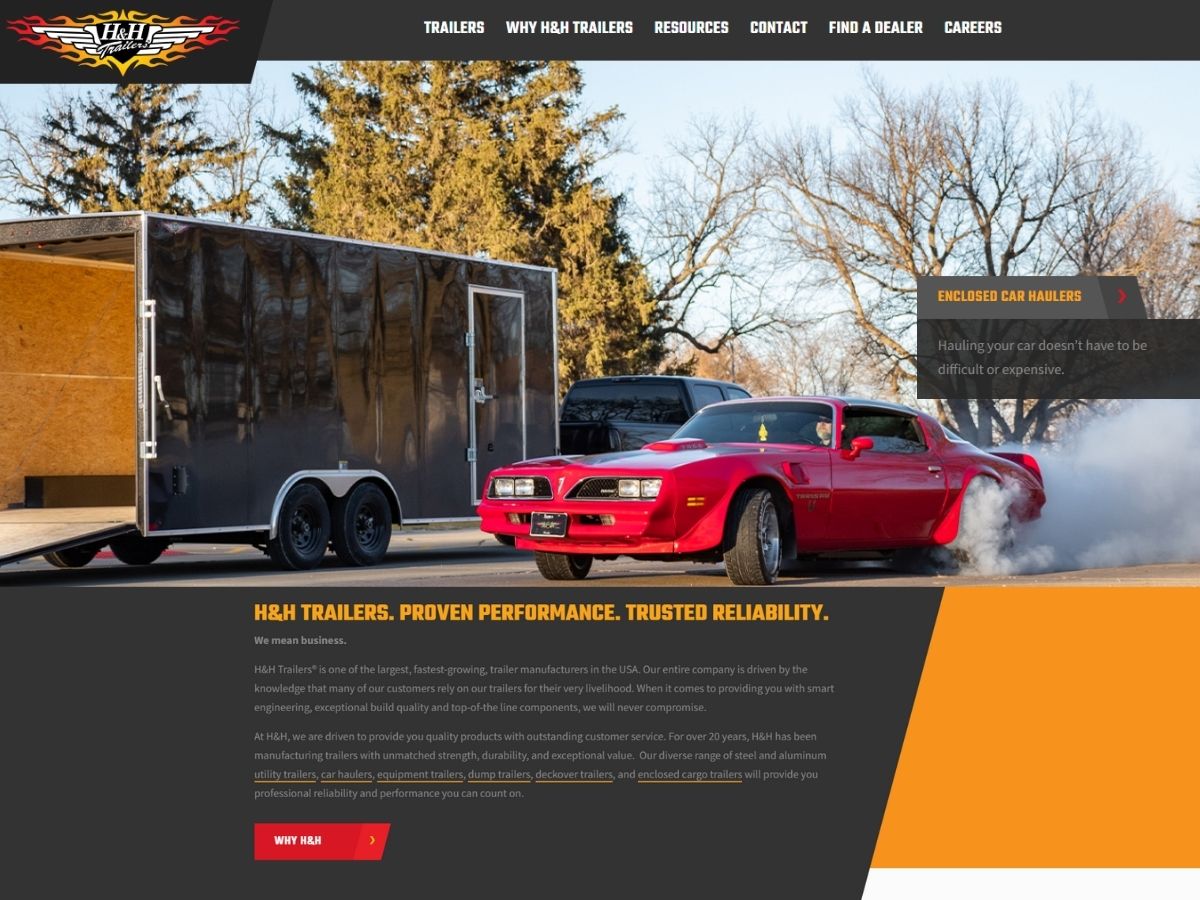
Big Tex is often cited as the industry leader due to its massive distribution network and rigorous build standards. Their utility trailers are known for the “Big Tex Advantage,” which includes features that many other brands offer only as paid upgrades. They utilize professional-grade finishings and heavy-duty components designed for daily commercial use.
- Flagship Models: 35SA (Single Axle) and 70PI (Tandem Axle).
- Key Engineering: Standard inclusion of Dexter Axles and EZ-Lube hubs for simplified maintenance.
- Unique Feature: The PRO-BEAM design provides a reinforced neck and frame that resists twisting under heavy loads.
- Finish: High-quality powder coating that offers superior chip and corrosion resistance compared to standard paint.
2. PJ Trailers
If you prioritize customization and premium structural components, PJ Trailers is likely your top choice. They are highly regarded for their “Ready-Cap” rail systems and innovative deck designs. PJ Trailers focus on the professional contractor who needs a trailer to double as a mobile workstation.
- Flagship Models: U7 and U8 Channel Utility trailers.
- Key Engineering: Use of 4-inch channel frames rather than angle iron for increased rigidity.
- Unique Feature: The Ready-Cap system allows you to easily bolt on accessories like toolboxes or spare tire mounts without drilling into the frame.
- Specialized Gates: Their heavy-duty reinforced mesh ramps are designed to handle high-impact loading without bowing.
3. Aluma Trailers
Aluma dominates the lightweight market by specializing exclusively in aluminum construction. These trailers are ideal if you live in the “salt belt” or want to maximize your vehicle’s towing capacity by reducing the trailer’s curb weight. They are virtually maintenance-free and hold their value exceptionally well.
- Flagship Models: 8200 Series Tandem and the 7712 Single Axle.
- Key Engineering: All-aluminum welded construction that eliminates the risk of rust.
- Unique Feature: Rubber torsion axles come standard, providing a much smoother ride and better shock absorption than traditional leaf springs.
- Warranty: Often includes a 5-year “all-inclusive” warranty, which is one of the best in the industry.
4. Carry-On Trailers
Carry-On is the most accessible brand for the average homeowner. While they offer commercial-grade options, their strength lies in providing high-value, versatile trailers that you can find at major retailers. They focus on functional simplicity and meeting all DOT standards at a lower price point.
- Flagship Models: 5×10 Wood Floor Utility and 7×12 Pipe Top.
- Key Engineering: Lightweight angle iron frames optimized for fuel efficiency.
- Unique Feature: Wide availability of replacement parts across North America.
- Value: Best-in-class pricing for light-duty hauling like ATVs or lawn equipment.
5. Iron Bull (Norstar)
Iron Bull trailers are engineered for those who intentionally overwork their equipment. Their utility trailers are “overbuilt” by design, using thicker gauge steel and more frequent cross-member spacing than the industry average. This makes them a favorite for masonry and construction professionals.
- Flagship Models: Standard Utility (UL) and Tandem Axle (UT).
- Key Engineering: Use of Sherwin-Williams Powdura powder coating over an epoxy primer.
- Unique Feature: The Iron Clad Warranty provides two years of roadside assistance, covering more than just the trailer frame.
- Structural Integrity: Includes standard 2-inch square tube top rails for maximum lateral strength.
Material Matters: Comparing Steel vs. Aluminum Utility Trailer Manufacturers
When you are browsing these top brands, your first major decision is the material. The choice between steel and aluminum affects everything from your fuel economy to how long the trailer will last in your specific climate.
The Case for Steel (Big Tex, PJ, Iron Bull)
Steel remains the standard for heavy-duty utility work. Manufacturers like Iron Bull use high-tensile steel because it is easier to repair if a weld breaks in the field. Steel is significantly heavier than aluminum, which provides a more planted feel when towing empty, but it requires more maintenance to prevent rust.
- Pros: Lower initial cost, high structural rigidity, and easy to weld/modify.
- Cons: Heavy curb weight and prone to oxidation if the powder coating is scratched.
The Case for Aluminum (Aluma, Triton)
Aluminum manufacturers target users who want a “buy once, cry once” product. Because aluminum forms its own protective oxide layer, it will not rust through like steel. This makes it the superior choice for coastal areas or regions where road salt is used heavily in winter. Furthermore, the weight savings allow you to carry more cargo while staying under your vehicle’s Gross Combined Weight Rating (GCWR).
- Pros: Lightweight, rust-proof, and high resale value.
- Cons: Higher initial purchase price and more difficult/expensive to repair if the frame is damaged.
Critical Engineering Features: Axles, Coatings, and Frame Designs
When you are looking at the top manufacturers for 2024, the difference between a trailer that lasts five years and one that lasts twenty often comes down to what is happening beneath the surface. Engineering isn’t just about how much weight a trailer can carry; it is about how it handles stress over thousands of miles. High-end brands like PJ Trailers and Big Tex focus heavily on frame rigidity and protection from the elements.
The Backbone: C-Channel vs. Angle Iron Frames
Most budget-friendly trailers use angle iron for their frames, which is fine for light yard work. However, the top-tier brands featured in our list often utilize C-channel or I-beam construction. These designs offer significantly higher torsional strength, meaning the trailer won’t twist or flex excessively when loaded to capacity. If you plan on hauling heavy equipment like a skid steer or a tractor, looking for a structural channel frame is a non-negotiable for long-term durability.
Advanced Coatings and Axle Reliability
A trailer is only as good as its defense against rust and its ability to roll smoothly. Leading manufacturers have moved toward superior finishing processes to ensure their products survive harsh winters and road salt.
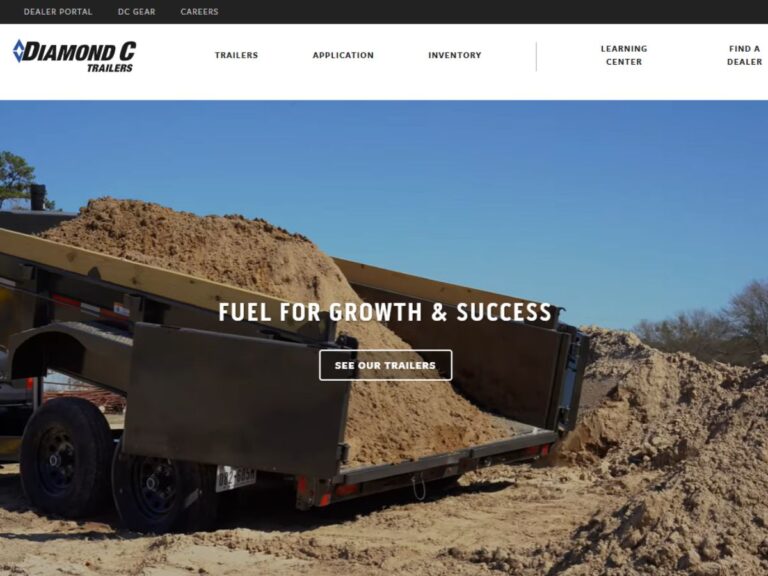
- Powder Coating: Brands like Diamond C use a multi-stage powder coat process that is far more chip-resistant than standard liquid paint.
- Galvanized Steel: For those in coastal regions, manufacturers like N&N offer fully galvanized frames that are virtually immune to corrosion.
- Dexter Axles: Most premium brands now standardize on Dexter Axles. These are the gold standard in the industry, offering easy-to-find replacement parts and incredible reliability.
- Torsion vs. Leaf Springs: Top brands like Aluma often utilize torsion axles, which provide a smoother ride and fewer moving parts to maintain compared to traditional leaf springs.
Market Value and Longevity: Evaluating Resale Worth and Brand Reputation
Buying a utility trailer should be viewed as an investment rather than just an expense. Some brands retain their value so well that you can often sell a five-year-old trailer for 70-80% of its original purchase price. This “brand tax” is actually a benefit to you, as it ensures your capital isn’t disappearing the moment you drive off the lot.
Why Brand Reputation Dictates Resale Price
In the used market, buyers are wary of “no-name” trailers because they fear structural fatigue or “home-built” welds. A brand name like Wells Cargo or Sure-Trac acts as a certificate of quality. When a buyer sees a recognized logo, they know the trailer was built to NATM (National Association of Trailer Manufacturers) standards. This peace of mind translates directly into a higher resale floor. If you plan to upgrade your equipment every few years, sticking with a “Top 10” manufacturer is the smartest financial move you can make.
Assessing the Total Cost of Ownership
When evaluating market value, consider the “Total Cost of Ownership” (TCO). A cheaper trailer might save you $1,000 today, but if it requires new tires, wiring repairs, and a floor replacement within three years, the “premium” brand would have actually been the cheaper option.
- Warranty Support: Top brands offer 3-year to 5-year structural warranties, which are often transferable to the next owner.
- Parts Availability: Popular brands use standardized components, meaning you won’t be sidelined for weeks waiting for a proprietary part.
- Build Consistency: Robotically welded frames from major manufacturers ensure there are no “weak spots” that could lead to structural failure down the road.
Conclusion
Choosing from the top 10 utility trailer manufacturers ensures that you are getting more than just a piece of equipment; you are getting a tool engineered for safety, durability, and value. From the high-tech powder coatings of Diamond C to the lightweight efficiency of Aluma, the right brand depends on your specific hauling needs and your regional climate. Remember that the cheapest option on the lot is rarely the best value over the life of the trailer.
To make the best choice, your next steps should be to visit a local dealer to see these frames in person and verify the axle ratings against your heaviest intended load. Once you find the brand that fits your workflow, you can haul with confidence knowing your investment is built to last. Ready to hit the road? Start comparing local inventory today and find the perfect partner for your toughest jobs!
❓ Frequently Asked Questions
Why is the powder coating process important when choosing a manufacturer?
High-quality powder coating, like that found on PJ Trailers, provides a more durable finish than standard liquid paint. It resists chipping, rust, and UV damage, significantly extending the trailer’s life in harsh outdoor environments.
What makes Diamond C trailers stand out from other manufacturers?
Diamond C is known for their innovative ‘Engineered Beam’ technology, which allows for lighter yet stronger frames. This unique design increases payload capacity while maintaining structural integrity for heavy-duty use.
How do I choose between a steel trailer and an aluminum trailer manufacturer?
Steel trailers from brands like Big Tex are generally more affordable and easier to weld for repairs. Aluminum trailers from brands like Aluma are lighter, rust-proof, and offer better fuel economy for the towing vehicle.
What kind of warranty should I expect from a top-tier trailer brand?
Most industry-leading manufacturers offer at least a 1-year limited warranty, with premium brands extending structural frame coverage to 3 or 5 years. Always check if the warranty is transferable to protect your investment.
Are there specific brands better suited for off-road or rugged use?
Brands like Iron Bull and Diamond C focus on ‘overbuilt’ frames and heavy-duty suspension systems. These are specifically engineered to handle the torsion and stress of unpaved roads and extreme loading conditions.
What is the significance of ‘Dexter Axles’ in manufacturer specifications?
Dexter Axles are the industry standard for reliability and ease of maintenance. Manufacturers that use them ensure that replacement bearings, seals, and brakes are readily available at almost any trailer supply shop in the country.