5 Warning Signs of a Bad Ignition Module You Can’t Ignore

The most common signs of a bad ignition module include sudden engine stalling when the car reaches operating temperature and a crank-but-no-start condition. Because these components are sensitive to heat, performance often degrades as the engine warms up, leading to misfires or complete electrical failure.
🎯 Key Takeaways
Recommended Best Deal Products


- Engine stalling while driving often indicates a heat-sensitive ignition module failure.
- Use a multimeter to check for consistent voltage at the module connector.
- An erratic tachometer needle is a classic sign of internal electrical interference.
- Distinguish ICM failure from bad coils by testing for spark at the source.
- Always apply thermal grease to new modules to prevent premature heat damage.
If your vehicle suddenly cuts out at a stoplight or stutters during heavy acceleration, you are likely dealing with a failing ignition control module (ICM). This small electronic component serves as the “brain” of your ignition system, responsible for triggering the spark plugs at the exact microsecond required for combustion. When it begins to fail, the communication between your crankshaft sensor and your ignition coil breaks down, leading to a engine that either runs poorly or refuses to run at all.

Prime for Young Adults — 6 Months Free
Students and 18–24s get six months of Prime free, then half price.
Start 6 Months Free As an Amazon Associate I earn from qualifying purchases.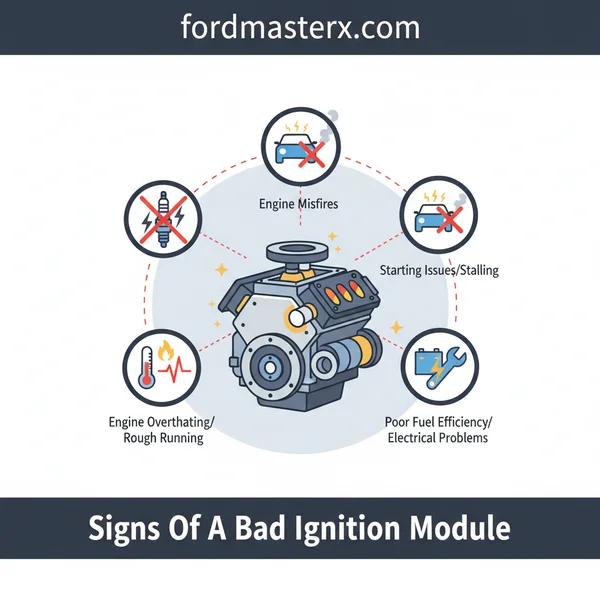
Identifying these symptoms early is critical because ignition module failure is rarely subtle and often leaves you stranded. Unlike a spark plug that wears out gradually over thousands of miles, an electronic module can fail instantly due to heat or internal circuitry degradation. Recognizing the specific patterns of a dying module—such as stalling only after the engine is warm—allows you to diagnose the issue before you are forced to pay for an expensive emergency tow.
Primary Mechanical Symptoms of a Failing Ignition Control Module
The most immediate signs of a bad ignition module are often mistaken for fuel system issues, but the mechanical “feel” of the failure is distinct. Because the module controls the timing of the spark, a fault usually results in a sharp, jagged interruption of power rather than the soft “bogging down” associated with a clogged fuel filter.
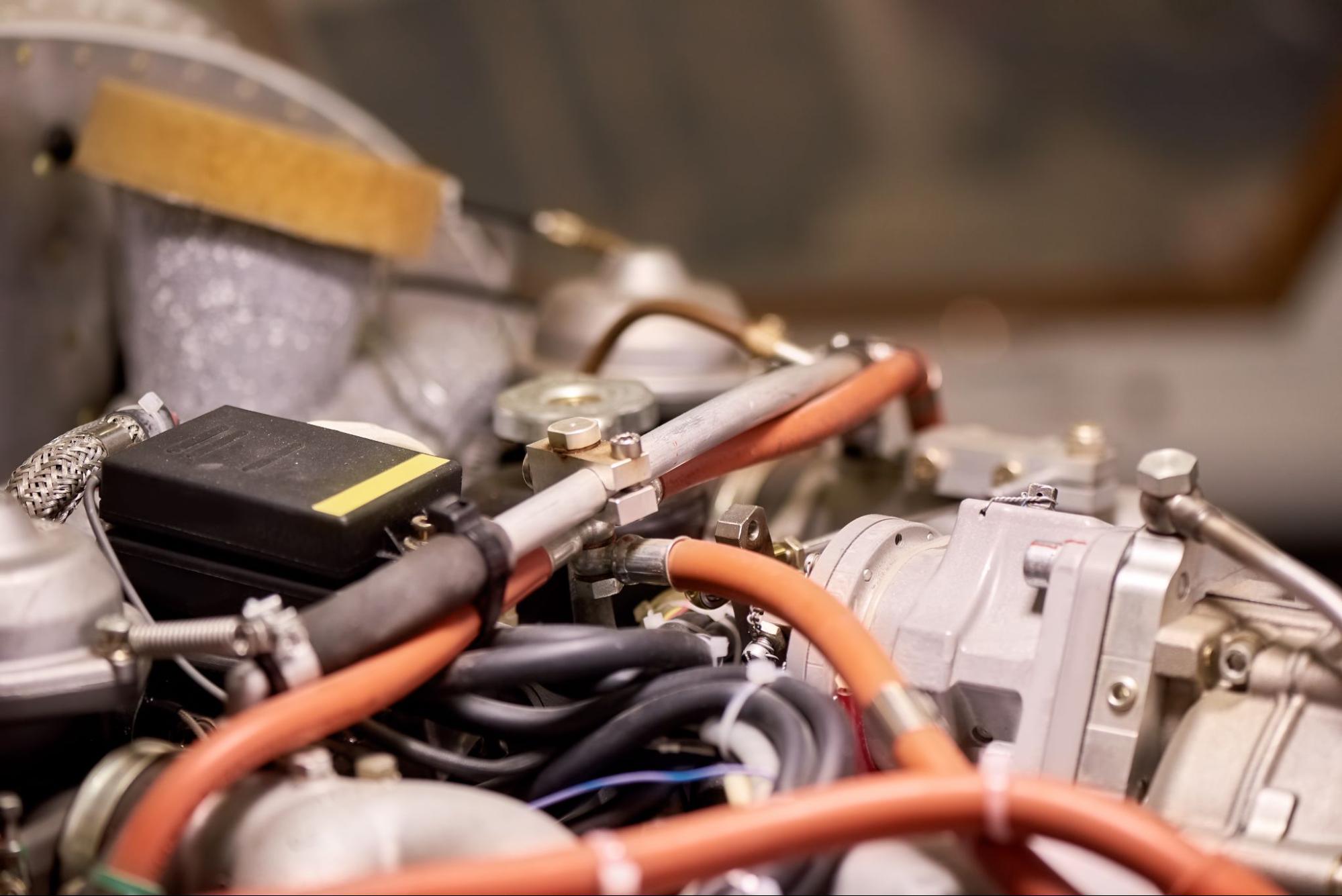
Engine Sputtering and Hesitation Under Load
You may notice your engine starts to “break up” or hesitate when you step on the gas to pass another vehicle. This happens because the weakened module cannot handle the increased electrical demand required to fire the plugs under high cylinder pressure. This often manifests as:
- Intermittent Misfiring: A rhythmic “pop” or jerk while cruising at highway speeds.
- Loss of Power: A feeling that the engine is fighting against itself during acceleration.
- Poor Fuel Economy: Unburnt fuel exiting the exhaust because the spark is too weak to complete combustion.
The “Crank but No Start” Scenario
Perhaps the most frustrating symptom is an engine that turns over energetically but never actually fires up. If your battery is strong and the starter is spinning the engine, the lack of combustion is often due to the ICM failing to send a signal to the coil. In this state, your spark plugs are essentially “dead,” receiving no electrical charge to ignite the air-fuel mixture in the cylinders. This often happens suddenly, with the car running perfectly one minute and refusing to start the next.
Understanding Heat Soak and Its Effect on Module Electronics
Recommended Best Deal Products


Heat is the primary enemy of any ignition control module. Most modules are mounted either inside the distributor or directly on the engine block, subjecting them to extreme thermal cycles. “Heat soak” occurs when the electronic components inside the module reach a temperature threshold that causes internal solder joints to expand and lose contact.
Stalling Once the Engine Reaches Operating Temperature
A classic hallmark of a bad ignition module is a car that starts and runs perfectly for 15 to 20 minutes but dies as soon as the engine gets hot. Once the module cools down—usually after sitting for 30 minutes with the hood up—the internal connections shrink back into place, and the car starts again as if nothing happened. If you experience this “start-stall-wait-start” cycle, the module’s internal transistors are almost certainly failing due to thermal stress.
Erratic Tachometer Behavior
Because many ignition modules provide the RPM signal to the dashboard, a failing module will often cause the tachometer needle to behave erratically. You should look for these specific visual cues:
- Bouncing Needle: The tachometer jumps up and down even when engine RPM is steady.
- Flatlining: The needle drops to zero while you are still moving, often just seconds before the engine stalls.
- Inaccuracy: The RPM readings seem much lower or higher than what the engine sound suggests.
This erratic behavior occurs because the module is “dropping” pulses. Each missed pulse represents a missed spark, leading to the engine stutters you feel in the driver’s seat. If your needle is dancing while your engine is stumbling, you have a direct link to a module or wiring fault.
Ignition Module Failure vs. Crankshaft Sensor Issues: Telling the Difference
One of the most frustrating aspects of automotive repair is “parts cannon” syndrome—replacing components blindly because symptoms overlap. A failing ignition module and a bad crankshaft position sensor (CKP) are often indistinguishable to the untrained ear. Both can cause a sudden engine stall while driving or a “crank, no-start” condition on a humid morning. Because both parts are vital for engine timing, misdiagnosing one for the other is a common and expensive mistake.

Audible — Listen Free for 30 Days
One free credit a month and thousands of titles included.
Listen Free for 30 Days As an Amazon Associate I earn from qualifying purchases.
The RPM Tachometer Tell
A quick way to narrow down the culprit involves watching your dashboard while trying to start the car. Because the crankshaft sensor provides the primary timing signal to the computer, a dead sensor usually means the computer doesn’t know the engine is spinning. If you crank the engine and the tachometer needle stays pinned at zero without moving a muscle, the crankshaft sensor is likely the ghost in the machine. However, if the needle bounces slightly or shows a low RPM reading but the engine won’t fire, your ignition module is the prime suspect.
Fuel vs. Spark Dynamics
While both parts affect the engine’s ability to run, their “failure signatures” differ slightly when you look at the secondary systems:
- Ignition Module: Usually results in a total loss of spark while fuel injectors continue to pulse. You might smell raw gasoline from the tailpipe after several failed start attempts because the fuel is still being delivered.
- Crankshaft Sensor: Often cuts off both spark and fuel delivery. The car’s computer thinks the engine isn’t turning, so it stops firing the injectors entirely to prevent flooding.
- Temperature Sensitivity: Ignition modules are notorious for failing specifically when they get hot, whereas a crank sensor might fail randomly regardless of the engine’s operating temperature.
Key Diagnostic Methods for Identifying Intermittent Electrical Faults
Recommended Best Deal Products


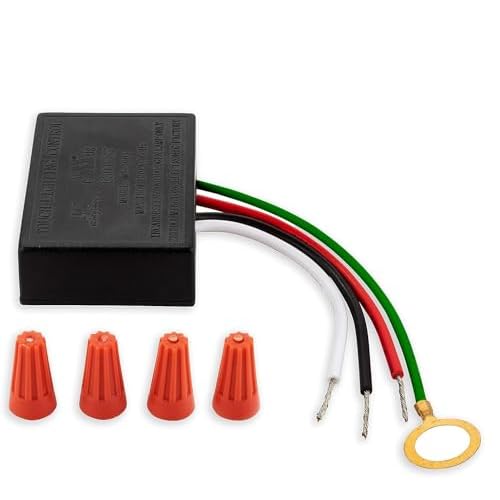
Intermittent faults are the “he-said, she-said” of the automotive world. One minute the car runs perfectly, and the next, it’s dead on the side of the road. Because ignition modules are solid-state electronic components, they rarely give a warning before they decide to take a nap. Identifying the fault requires looking beyond the surface and understanding how electricity reacts to environmental changes like heat and vibration.
Testing for Thermal Failure
Heat is the number one enemy of electronic circuitry. Over years of service, the internal transistors in an ignition module can expand and contract, eventually creating “cold solder joints” or micro-cracks. When the engine reaches operating temperature, these cracks expand, breaking the electrical path and killing the spark. If your car only stalls after 20 minutes of driving but starts perfectly after cooling down for an hour, you are dealing with a classic thermal failure. Professionals often use a non-conductive heat source to gently warm the module while testing for spark to see if the component fails under stress.
Inspecting Physical and Connection Integrity
Sometimes the module itself is functional, but the environment around it has degraded, leading to “false” module failure symptoms. Keep an eye out for these red flags during your inspection:
- Corroded Connector Pins: Look for green or white oxidation on the wiring plug. This adds electrical resistance and prevents the module from receiving the proper voltage signal.
- Dried Thermal Grease: Many modules rely on a special silicone-based heat-sink grease to dissipate heat into the distributor or chassis. If this grease has dried into a flaky powder, the module will overheat in minutes.
- Cracked Housing: Any visible hairline cracks in the plastic casing of the module can allow moisture to seep in, leading to internal short circuits during rainy weather or car washes.
Final Thoughts on Ignition Module Health
Your ignition module is the silent conductor of your engine’s orchestra. When it begins to fail, the harmony of your commute quickly turns into a chorus of misfires, poor fuel economy, and unexpected stalls. Recognizing the warning signs—like heat-related stalling and the “tachometer trick”—can save you from a costly tow truck bill or a dangerous situation on the highway. If you suspect your module is on its last legs, don’t wait for it to fail completely. Run a diagnostic scan for ignition-related trouble codes and closely inspect your electrical connections today. Keeping your ignition system in top shape ensures your vehicle remains reliable, efficient, and ready for the road ahead.
❓ Frequently Asked Questions
How can I tell if the ignition module or the ignition coil is bad?
If the coil has no power, the problem is likely the module or wiring; if the coil has power but no output, the coil itself is suspect. You can test the module’s switching signal using a test light or multimeter while cranking to see if it is actually triggering the coil.
Why does my tachometer jump around when the ignition module fails?
The ignition module often provides the RPM signal to the dashboard. When the module’s internal circuitry begins to short out or fail, it sends erratic pulses that cause the tachometer needle to bounce or drop to zero suddenly.
Can I still drive my car with a failing ignition module?
It is not recommended as the car can stall unexpectedly in traffic, creating a serious safety hazard. Since failure is often triggered by heat, you may find yourself stranded once the engine reaches operating temperature.
Is there a specific diagnostic code for a bad ignition module?
On OBD-II vehicles, you might see codes like P1351 or P0351. However, a module can fail without setting a specific code if the failure is intermittent or if the vehicle’s computer doesn’t monitor that specific circuit.
Audible Premium Plus — Annual Membership
12 audiobook credits up front, plus the full Audible catalogue.
See Annual Plans As an Amazon Associate I earn from qualifying purchases.What is the most common cause of ignition module failure?
Excessive heat is the primary killer of ignition modules, which is why they are often mounted on metal heat sinks. Over time, the thermal paste between the module and the sink dries out, leading to overheating.
How much does it typically cost to replace an ignition control module?
Replacement parts generally range from $50 to $150 depending on the vehicle make and model. If you take it to a professional, labor might add another $100 to $200 for a proper diagnostic and installation.