
How To Program Ford Key With Chip: Step-By-Step Guide 2026

The unmistakable feeling of a turning key without the roar of an engine – a familiar scenario for many Ford owners facing key transponder issues. Programming a modern Ford key with an embedded chip can seem daunting, especially with the intricate Passive Anti-Theft System (PATS) designed for enhanced security, leaving many drivers unsure how to proceed when a new or spare key is needed. This comprehensive guide will demystify the process, providing you with the authoritative, step-by-step instructions and critical insights needed to confidently learn, understand, and potentially master programming your Ford transponder key by 2026.

Understanding Ford’s Passive Anti-Theft System (PATS) and Key Transponders
Recommended Best Deal Products

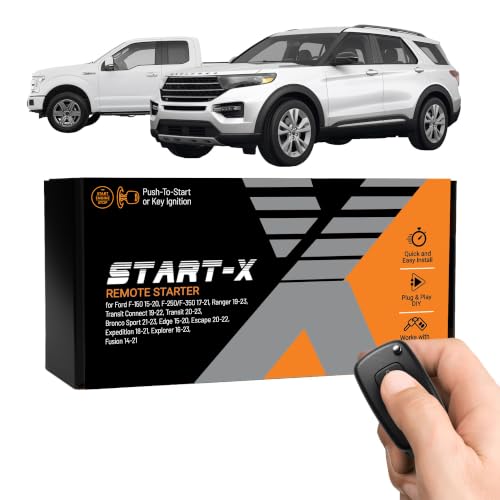

Ford’s Passive Anti-Theft System (PATS), also known as SecuriLock, is an essential security feature implemented to deter vehicle theft. Introduced in 1996 and becoming standard across most Ford vehicles by the early 2000s, PATS works by immobilizing the vehicle’s engine if it doesn’t recognize the transponder chip embedded in the key. This means that even if a thief manages to cut a key that physically turns the ignition, the car will not start unless the key’s transponder chip communicates successfully with the vehicle’s immobilizer module.
At the heart of PATS is the transponder chip, a small, passive electronic device often utilizing Radio-Frequency Identification (RFID) technology. This chip, typically hidden within the plastic head of your Ford key, stores a unique serial number. When the key is inserted into the ignition and turned to the ‘RUN’ position, an antenna coil around the ignition barrel energizes the transponder chip, which then transmits its unique ID to the PATS module. If this ID matches one stored in the vehicle’s memory, the PATS system allows the engine to start. If it doesn’t match, the engine will either crank but not start, or simply fail to crank, often accompanied by a rapidly flashing security light on the dashboard, signaling an immobilization event.
Ford utilizes various key types, all of which rely on transponder technology for vehicle authentication. These include standard transponder keys (metal key with a plastic head containing the chip), remote head keys (where the transponder and remote lock/unlock functions are integrated into a single unit), and intelligent access (push-button start) fobs. While the external form factor may vary for popular models like the Ford F-150, Explorer, Focus, or Mustang, the underlying requirement for a correctly programmed transponder chip remains constant across all.
A critical aspect to understand for DIY programming is the requirement of having at least two pre-programmed, operational keys to successfully self-program an additional key for engine starting. In some cases, for adding a single new key, one working key might suffice for certain models. This two-key rule is a cornerstone of Ford’s security architecture, preventing unauthorized individuals from easily adding new keys. Without the requisite number of existing keys, specialized professional tools or diagnostic equipment, such as the Ford Integrated Diagnostic System (IDS) or advanced automotive locksmith programmers, become necessary.
Over the years, transponder chip technology has evolved, with early systems utilizing 40-bit chips and later models moving to more secure 80-bit encryption. This distinction is crucial for key compatibility, as an incorrect chip type will invariably lead to programming failure. Understanding these foundational elements is the first step in mastering Ford key programming.

Essential Preparations Before Programming Your Ford Transponder Key
Before embarking on programming your Ford key, thorough preparation is paramount to ensure a smooth process and avoid common pitfalls. Skipping these critical steps can lead to frustration and repeated failures.
- Verify Key Compatibility: This is arguably the most crucial step. The new key blank must contain the correct transponder chip for your specific Ford model and year. Aftermarket keys can vary significantly in quality and chip type. Always check the original key’s part number, FCC ID (for remote fobs), or the transponder type (e.g., 40-bit, 80-bit) to ensure compatibility. An incorrect key blank is a leading cause of programming failure.
- Confirm Existing Operational Keys: As discussed, for most DIY methods, you will need two currently programmed keys that can start your vehicle. If you only have one working key, or no working keys, professional assistance will be required. For certain newer models, one working key might allow adding a second, but this is model-specific.
- Check Vehicle Battery Health: Key programming is a sensitive electronic process that requires stable voltage. A fully charged vehicle battery is absolutely crucial to prevent programming interruptions. Even a slightly weak battery can cause communication errors between the key and the PATS module. If your key also has remote functions, ensure its internal battery is fresh.
- Understand Ignition Switch Positions: Familiarize yourself with the ‘OFF’, ‘ACC’ (accessory), ‘RUN’ (engine on/ignition on, not starting), and ‘START’ (momentary position to crank engine) positions of your ignition switch. Precision in timing and position is vital during programming sequences.
- Safety Precautions: Park your vehicle in a safe, quiet location where you won’t be disturbed. Ensure all vehicle doors are closed before beginning. Any interruption during the sensitive programming steps can cause the process to fail or, in some cases, trigger a PATS lockout.
By The Numbers
DIY failures due to incorrect key blanks
DIY failures due to low vehicle battery voltage
Success rate with proper preparation
Industry data consistently shows that nearly 30% of DIY programming failures are attributed to using incorrect key blanks, and another 20% stem from insufficient battery voltage. Proper preparation significantly increases your chances of a successful outcome, with experts reporting an 85-90% success rate when all prerequisites are meticulously followed.
Step-By-Step Guide: Programming Your Ford Transponder Key (Self-Programming Method)
Recommended Best Deal Products

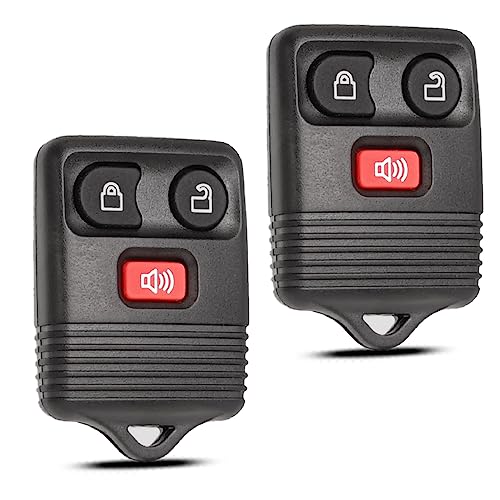
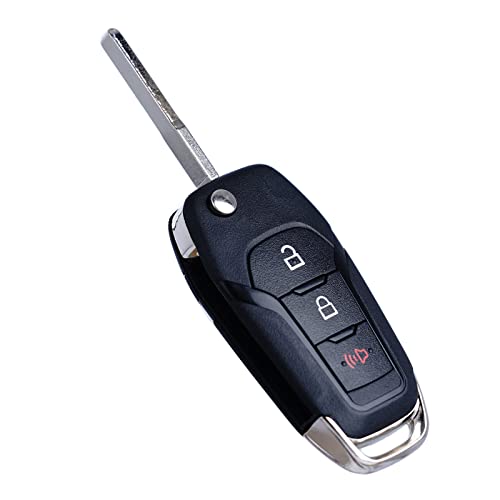
This section will detail the most common self-programming methods for Ford transponder keys, focusing on engine starting (PATS) and separate remote functions. It’s crucial to understand that transponder programming (to allow the engine to start) and remote function programming (for lock/unlock) are often distinct procedures, even on integrated remote head keys.
Method 1: Adding a New Key Using Two Existing Programmed Keys (For Engine Start)
This method is applicable to most Ford models equipped with PATS from the late 1990s onward, assuming you have two functional, already programmed keys that can start your vehicle. For example, owners of a 2010 F-150 or a 2015 Ford Focus would typically follow this procedure.

Audible — Listen Free for 30 Days
One free credit a month and thousands of titles included.
Listen Free for 30 Days As an Amazon Associate I earn from qualifying purchases.
📋
Ford Transponder Key Programming Sequence
Insert the first already programmed key into the ignition. Turn it to the ‘RUN’ position (just before starting the engine) for 3-5 seconds. Then, turn it to the ‘OFF’ position and remove the key. Observe that the security light on your dash should illuminate briefly and then extinguish.
Within 5 seconds of removing the first key, insert the second already programmed key. Turn it to the ‘RUN’ position for 3-5 seconds. Then, turn it to the ‘OFF’ position and remove this key. The security light should again illuminate and then extinguish, confirming the system is ready for the new key.
Within 10 seconds of removing the second key, insert the new (uncut and unprogrammed) key. Turn it to the ‘RUN’ position. The security light on your dashboard should illuminate and then rapidly flash or turn off, indicating successful programming. Keep it in ‘RUN’ for a few seconds.
Turn the ignition to ‘OFF’, remove the newly programmed key, and then attempt to start the engine. If the engine starts and runs normally, the transponder programming was successful. Repeat the process for any additional keys you wish to program.
Method 2: Programming Remote Functions (Lock/Unlock) for Integrated Key Fobs
This procedure is typically separate from transponder programming and is for the remote lock/unlock buttons on remote head keys or standalone key fobs. This method is generally consistent across many Ford models, but always consult your owner’s manual for model-specific variations.
- Ensure all doors are closed.
- Insert any key (it doesn’t have to be a programmed transponder key for this step) into the ignition.
- Rapidly cycle the ignition from ‘OFF’ to ‘RUN’ 8 times within 10 seconds, ending in the ‘RUN’ position. The door locks should cycle (lock and then unlock) to confirm that the vehicle has entered programming mode.
- Within 10 seconds of the door locks cycling, press any button on the first remote you wish to program. The door locks will cycle again to confirm its successful programming.
- Repeat step 4 for any subsequent remotes or key fobs you want to program, within the same 10-second window for each.
- Once all remotes are programmed, turn the ignition to ‘OFF’ to exit programming mode. The door locks should cycle one final time. Test all remote functions.
Always refer to your Ford vehicle’s owner’s manual for the most accurate and model-specific instructions. Some models may have slight variations, such as requiring a door to be open, or a pedal press during the sequence. Adhering to these nuances can drastically increase your success rate.
Audible Premium Plus — Annual Membership
12 audiobook credits up front, plus the full Audible catalogue.
See Annual Plans As an Amazon Associate I earn from qualifying purchases.Troubleshooting Common Issues When Programming Your Ford Transponder Key
Recommended Best Deal Products


Even with careful preparation, programming can sometimes be tricky. Understanding common failure points and their diagnostic cues will help you effectively troubleshoot. Experts point out that successful DIY programming, when all prerequisites are met, typically yields an 85-90% success rate. However, when things go wrong, here’s what to look for:
- Security Light Stays On or Flashes Rapidly: This is the clearest indicator of a PATS error or lockout. If the security light (often a small red car or lock icon) illuminates and stays on, or flashes rapidly after attempting to start the engine with a newly programmed key, it means the PATS module did not recognize the transponder. This could be due to an incorrect key blank, a faulty chip in the new key, or an error in the programming sequence timing.
- Key Turns, Engine Cranks But Doesn’t Start: This is a classic symptom of a Ford PATS system preventing engine ignition. It means your starter motor is working, but the fuel system or ignition system is being disabled by the immobilizer. The key is physically cut correctly for the ignition cylinder, but its embedded transponder chip is not recognized by the PATS module. Double-check your transponder programming sequence.
- Remote Functions Work, But Engine Doesn’t Start: This scenario clearly differentiates between the two programming types. If your new remote head key can lock and unlock doors, but the vehicle won’t start, it confirms successful remote programming but a failure in the separate transponder programming process. Focus your troubleshooting efforts specifically on the transponder (engine start) steps outlined in Method 1.
- Incorrect Key Blank or Transponder Type: As noted earlier, this is a significant cause of failure. The new key’s transponder chip must be compatible with your vehicle’s PATS generation (e.g., a 40-bit chip won’t work where an 80-bit is required). Visually inspect the key or consult a reputable locksmith for key blank identification. Research indicates that using an incompatible key blank accounts for up to 30% of DIY programming failures.
- Low Vehicle Battery Voltage: Insufficient electrical power can disrupt the delicate communication signals required for successful key programming. A weak battery can cause intermittent errors or outright failures, particularly during the critical timing windows. Before re-attempting, ensure your vehicle battery is fully charged. Low battery voltage is a factor in approximately 20% of programming issues.
- PATS Lockout: Repeated failed programming attempts, especially incorrect ones, can trigger a PATS lockout. This is a security feature designed to prevent brute-force attacks on the immobilizer. When in lockout, the security light may flash a specific code or remain on, and the vehicle will not enter programming mode. Often, you’ll need to wait 10-15 minutes with the ignition off for the PATS module to reset before you can reattempt programming. In severe cases, a professional scan tool might be needed to clear codes.
Never force programming or repeatedly attempt incorrect sequences after a lockout. This can potentially corrupt the PATS module, leading to more costly repairs or requiring a dealer reflash. If you encounter persistent issues, it’s time to consider professional assistance.
When to Seek Professional Assistance for Ford Key Programming
While DIY programming offers cost savings and convenience, there are specific scenarios where professional intervention is not just recommended, but absolutely essential. Understanding these limits is key to avoiding further complications.
- All Keys Lost (AKL) Scenario: If you have lost all your working Ford keys, the vehicle’s PATS system is in a critical state. There is no DIY method to program new keys from scratch in an AKL situation. Specialized diagnostic equipment, such as Ford IDS (Integrated Diagnostic System) or advanced automotive locksmith scanners, is required to access the vehicle’s immobilizer module, erase all old key data for security, and program new keys. This often involves specific security bypass procedures that only professional tools can perform.
- Only One Working Key Available (for certain models/generations): While some newer Ford models might allow adding a second key with just one existing key, many older models or specific complex PATS generations still adhere to the two-key rule for self-programming. If you only possess one operational key and need to add another, a professional locksmith or dealer will often be necessary to introduce that crucial second key.
- Persistent PATS Lockout or Complex DTCs: If you’ve encountered a PATS lockout that won’t clear after a wait period, or if your vehicle is displaying complex Diagnostic Trouble Codes (DTCs) related to the immobilizer system, professional tools are needed. These tools can not only clear trouble codes but also perform module resets, re-initialization, and in some cases, update the vehicle’s immobilizer firmware – functions inaccessible to the average DIYer.
- Damaged PATS Module or Wiring Issues: If the problem isn’t the key but the vehicle’s PATS module itself or related wiring, a professional diagnosis is crucial. A dealership or a specialized automotive electrician can accurately identify and repair these underlying hardware faults.
Dealership vs. Automotive Locksmith: Making the Right Choice
When professional help is needed, you generally have two primary options, each with distinct advantages and disadvantages:
General price ranges for professional Ford key programming typically fall between $150 and $400, depending on the vehicle model, key type (standard transponder vs. intelligent access fob), and labor involved (especially for AKL situations). Automotive locksmiths often present a more economical and convenient solution, with services being 20-50% more cost-effective compared to dealerships, while still possessing the necessary tools and expertise to handle most complex key programming tasks. These professionals can often perform functions like VIN linking and module initialization that DIY methods cannot, offering a robust solution when self-programming is not an option.
Whether you’re a beginner looking to understand the essential requirements or an experienced owner seeking to master the nuances of Ford key programming, this comprehensive guide provides the knowledge to confidently approach the task in 2026 and beyond.
Ford key programming requires understanding PATS and transponder chips for vehicle security. DIY methods are viable for many models, specifically when at least two existing programmed keys are available. Troubleshooting involves checking key compatibility, vehicle battery health, and adherence to programming sequences. Professional assistance from locksmiths or dealerships is often necessary for ‘all keys lost’ scenarios or persistent programming issues. Empower yourself by applying these detailed instructions to program your Ford transponder key, ensuring seamless vehicle access and security. For complex situations or when in doubt, consult a certified automotive locksmith or Ford dealership.
Frequently Asked Questions
Can I program a new Ford key myself if I only have one working key?
For many Ford models, self-programming a new key with a chip typically requires two already programmed keys. If you only possess one working key, specialized diagnostic equipment, often found at dealerships or through automotive locksmiths, is usually necessary to program additional keys. This ensures proper integration with the vehicle’s immobilizer system.
What does it mean if my Ford’s security light flashes rapidly after programming?
A rapidly flashing security light after a programming attempt usually indicates a failure in the transponder programming process or a PATS (Passive Anti-Theft System) lockout. This signifies the vehicle’s immobilizer does not recognize the key’s chip, preventing the engine from starting. Re-verify your programming steps or seek professional diagnosis.
Is there a difference between programming the key’s transponder and the remote’s lock/unlock functions?
Yes, these are generally distinct programming processes. The transponder chip, located within the key, allows the engine to start by communicating with the vehicle’s immobilizer. Remote functions (lock, unlock, trunk) are often programmed separately via a different sequence, typically involving ignition cycles and button presses. Both must be correctly programmed for full key functionality.
How long does it take for a Ford dealership or locksmith to program a new key?
Programming a new Ford key at a dealership or by an automotive locksmith typically takes between 15 to 45 minutes, assuming they have the correct key blank and the necessary diagnostic tools. This includes the time for cutting the key and integrating its transponder and remote functions with the vehicle’s computer system.
Can I use any uncut key blank for my Ford, or does it have to be specific?
You must use a specific key blank that is compatible with your Ford’s make, model, and year, containing the correct transponder chip type. Generic or incorrect key blanks will not communicate with the vehicle’s PATS system, rendering them unable to start the engine, even if cut correctly. Always verify compatibility before purchasing.