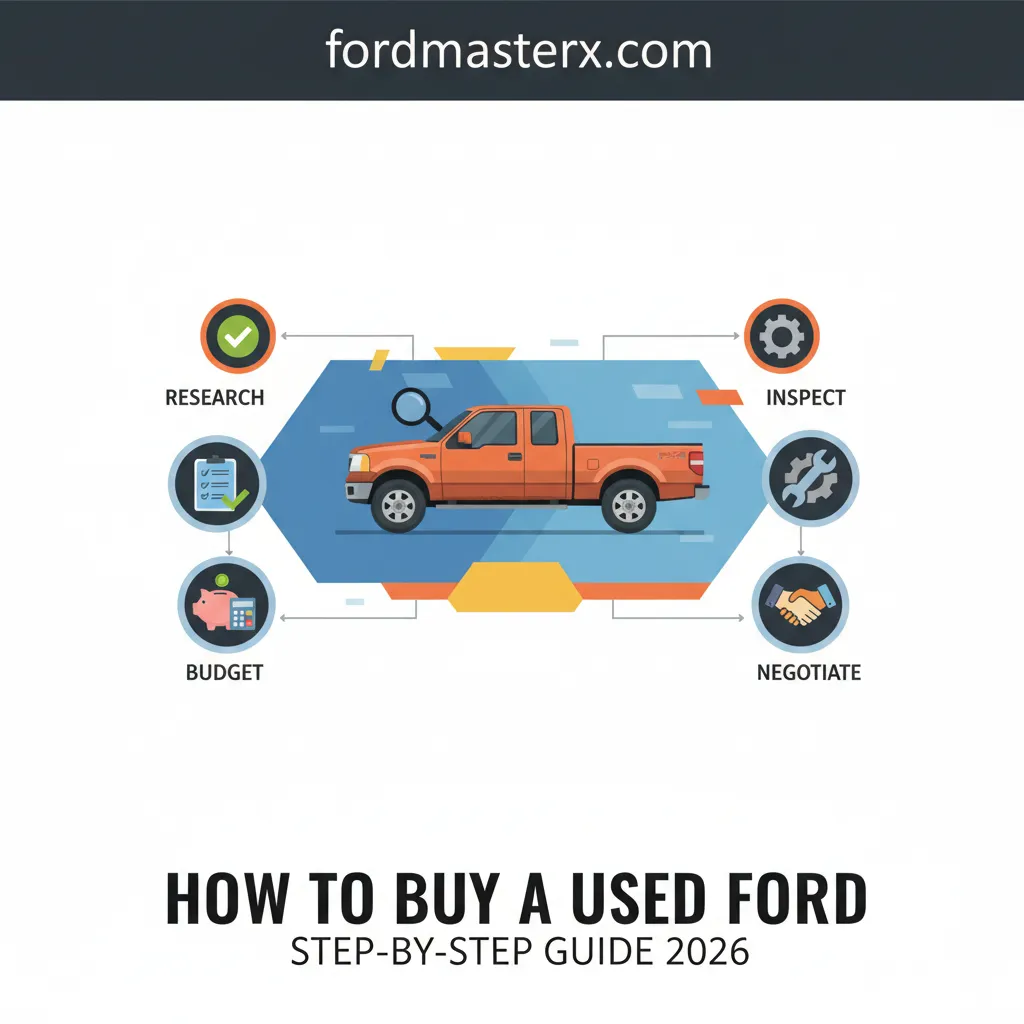
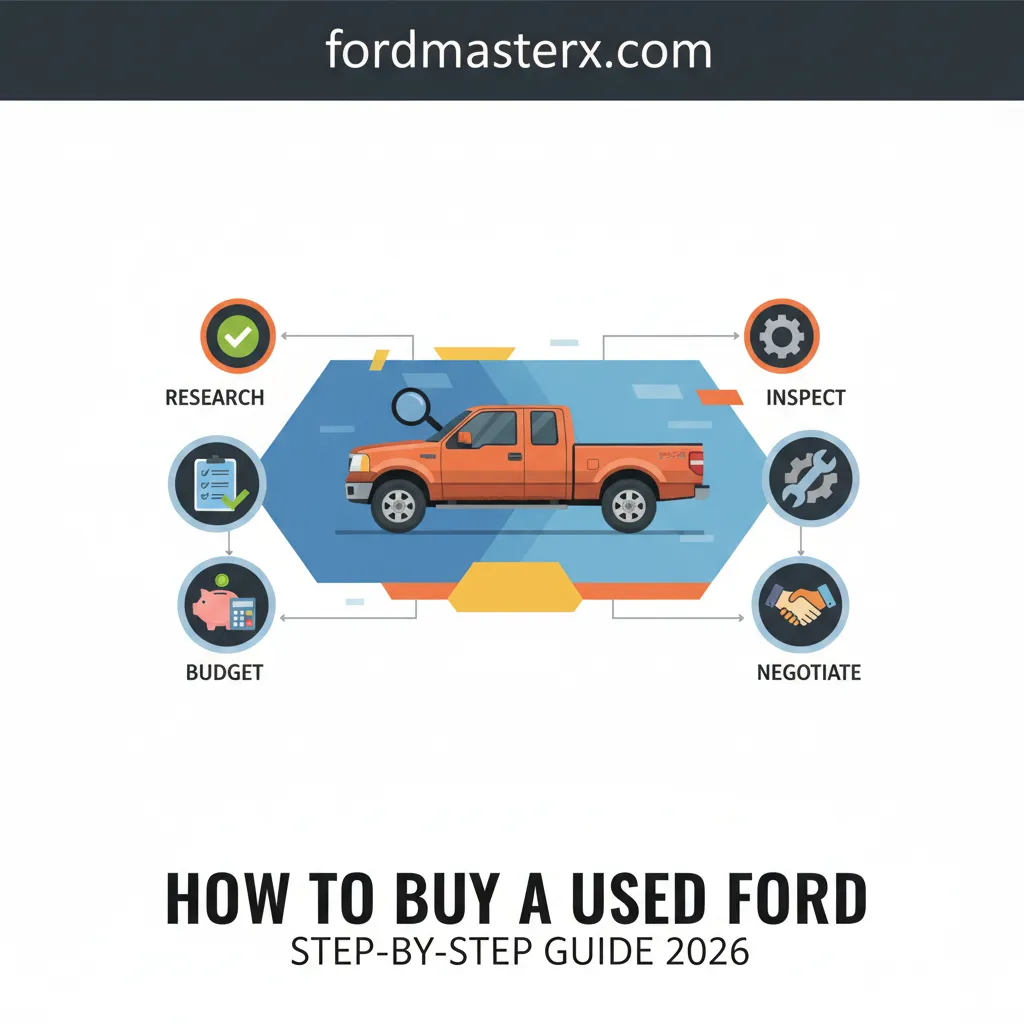
How To Buy A Used Ford: Step-By-Step Guide 2026

Acquiring a used Ford represents a prudent investment, offering substantial value and robust performance for discerning drivers. However, the process can be fraught with uncertainty, from identifying reliable models to navigating complex negotiations and legalities, leaving many buyers apprehensive about making an informed decision. This authoritative guide will meticulously detail every step involved in purchasing a used Ford in 2026, equipping you with the knowledge and strategy to secure a high-quality vehicle with confidence and minimal risk.

Understanding the Pre-Purchase Landscape for Used Fords
Before you even begin browsing listings, it’s essential to establish a clear framework for your used Ford acquisition. This preliminary phase allows you to learn about the market, understand your needs, and identify viable options, ensuring a strategic and informed decision from the outset.
📤 Share Image
Define Your Automotive Needs and Budget
Start by precisely defining what you require from your next vehicle. Do you need the robust towing capacity and utility of an F-150, or the family-friendly versatility of an Escape or Explorer? Consider factors like seating capacity, cargo space, fuel efficiency, and desired features (e.g., all-wheel drive, infotainment system). Equally critical is establishing a realistic financial framework. This isn’t just about the purchase price; it includes estimated insurance premiums, annual registration fees, and potential maintenance costs. A common oversight is neglecting the total cost of ownership, which can significantly impact your long-term budget. Thoroughly budgeting for these elements prevents unexpected financial strain post-purchase.
Research Specific Ford Models and Their Reliability
With your needs defined, you can now explore specific Ford models. Dive into detailed reliability reports and owner satisfaction scores from reputable sources such as J.D. Power and Consumer Reports. Pay close attention to common issues associated with particular model years. For instance, while the Ford Focus is generally reliable, specific model years, particularly 2012-2016, are known for widespread PowerShift automatic transmission issues. Identifying these model-specific exceptions is paramount. Conversely, iconic models like the F-Series trucks (F-150, F-250) consistently rank high in durability, though even they have specific components or engine variants (e.g., early EcoBoost turbos) that warrant closer inspection. Understanding the recall history for your target models is also a vital step in this research phase.
Assess Market Value and Depreciation Trends
To avoid overpaying, you must master the art of assessing market value. Utilize industry resources like Kelley Blue Book (KBB), Edmunds, and NADAguides to accurately gauge the fair market value of specific used Ford models. Input precise details including year, mileage, condition, and trim level (e.g., a 2020 Ford Explorer XLT with 60,000 miles). This provides a critical pricing benchmark. It’s also important to discover Ford’s general depreciation trends. Research indicates that Ford’s average depreciation rate typically ranges from 20-30% in the first year, subsequently declining by 10-15% annually. However, this varies significantly by model; specific Ford models like the F-Series trucks consistently retain higher resale value, often at 60% of their original value after 5 years, compared to some sedans like the Fusion or Focus. This data empowers you to negotiate effectively and recognize a genuinely good deal.
By The Numbers: Ford Depreciation & Resale
Average Depreciation (Year 1)
Annual Depreciation (Subsequent)
F-Series Resale Value (After 5 Years)

The Step-by-Step Process for Acquiring a Quality Used Ford
This section provides a structured, actionable procedure to master the process of identifying, evaluating, and securing a reliable used Ford, minimizing risks and maximizing value. Following these steps systematically will guide you through what can otherwise be a complex transaction.
📋
Step-by-Step Guide
Begin your search by identifying trustworthy sources. Authorized Ford dealerships often offer Certified Pre-Owned (CPO) programs, which include factory-backed warranties and rigorous inspections, providing an added layer of assurance. Independent dealerships and private sellers also present viable options, though they require more stringent due diligence. Online marketplaces such as AutoTrader, CarGurus, and local classifieds are excellent tools to discover a wide range of inventory. Prioritize sellers with transparent histories and positive reviews.
Never proceed without obtaining and meticulously reviewing the Vehicle History Report (VHR). Services like CARFAX and AutoCheck are indispensable here. Using the Vehicle Identification Number (VIN), you can understand the vehicle’s past. Look for critical indicators such as accident history, flood damage, structural repairs, consistent service records, the number of previous owners, and most importantly, any odometer discrepancies. An estimated 450,000 vehicles are sold annually with rolled-back odometers, a severe red flag. A VHR can identify a ‘salvage title’ alert or multiple lien entries, which can significantly impact vehicle value and future insurability.

Audible — Listen Free for 30 Days
One free credit a month and thousands of titles included.
Listen Free for 30 Days As an Amazon Associate I earn from qualifying purchases.This step is non-negotiable for any serious buyer. Arrange for an independent, certified mechanic specializing in Ford vehicles to perform a detailed Pre-Purchase Inspection. The average cost for a comprehensive PPI ranges from $100-$250, a modest investment that often saves buyers thousands in future repairs. This professional evaluation goes beyond a visual check, assessing mechanical, electrical, and structural integrity. A mechanic might identify worn ball joints, a leaking water pump, or developing transmission issues on a Ford Edge, all of which would be costly surprises if undetected. A PPI is the most reliable way to discover any latent defects or impending maintenance requirements.
A test drive is your opportunity to feel how the vehicle performs. Drive for at least 20-30 minutes under various conditions: city streets, highway speeds, and varied terrain if applicable. Pay meticulous attention to engine performance (acceleration, power delivery), transmission shifts (smoothness, responsiveness), braking (pedal feel, stopping power), steering (precision, looseness), and suspension (ride comfort, abnormal noises). Test all electronic systems, including climate control, infotainment, windows, and lights. Listen intently for unusual noises such as grinding, squealing, clunking, or vibrations that could indicate underlying issues. This comprehensive test drive is an essential step to truly understand the vehicle’s dynamic characteristics.
During your test drive, turn off the radio and listen for any abnormal sounds. Try parking on a slight incline to test the parking brake, and accelerate briskly to check for turbo lag or transmission hesitation common in some EcoBoost models.
Armed with market value data and any findings from the PPI, you are well-positioned to negotiate. Typical negotiation margins on used vehicles can be 5-10% of the asking price, varying by seller type and market demand. Use any identified deficiencies from the PPI (e.g., worn tires, minor oil leaks, upcoming brake service) as leverage to secure a more favorable price. For example, successfully negotiating a $750 reduction on a Ford F-150 based on observed tire wear and an identified minor oil leak is a common scenario. Be firm, polite, and always prepared to walk away if the deal does not meet your criteria or if the seller is unwilling to budge on unreasonable pricing. This comprehensive approach is key to a fair transaction.
Avoid revealing your maximum budget to the seller. Always negotiate from the seller’s asking price downwards, using objective data to support your offers. Emotional attachment during negotiation can lead to overpaying.
Navigating Legalities and Finalizing Your Used Ford Purchase
Once you’ve agreed on a price, the next crucial phase involves the administrative and legal procedures. This stage ensures you gain clear title and comply with all regulatory requirements for your newly acquired used Ford, whether it’s a beginner’s car or a seasoned workhorse.
Reviewing and Executing the Bill of Sale and Transfer of Title
Before signing anything, meticulously examine all purchase documents. The Bill of Sale must accurately reflect vehicle details (VIN, make, model, year, mileage), the agreed-upon purchase price, and both seller and buyer information. The Certificate of Title is your proof of ownership; ensure it’s free of liens and properly signed by the seller. Each jurisdiction has specific requirements for legally transferring vehicle ownership, so understand your state’s particular rules. Be aware of the difference between ‘as-is’ sales, where the buyer assumes all risks, and those with implied warranties, which vary by state law.
Audible Premium Plus — Annual Membership
12 audiobook credits up front, plus the full Audible catalogue.
See Annual Plans As an Amazon Associate I earn from qualifying purchases.Understanding Financing and Warranty Options
If you require financing, explore different avenues. Banks, credit unions, and dealer financing all have varying rates and terms. For borrowers with good credit (700+), the average APR for used car loans typically ranges from 6-10% as of late 2025, but this can fluctuate based on market conditions and individual credit scores. Always scrutinize loan terms, interest rates, and any associated fees before committing. Additionally, discover available extended warranty options or service contracts, especially for older or higher-mileage Fords. Carefully assess their coverage, exclusions, and cost-effectiveness, ensuring they truly add value.
Registration, Insurance, and State Compliance
The final administrative step is ensuring your vehicle is legal to drive. Complete the necessary steps for vehicle registration with your state’s Department of Motor Vehicles (DMV) or equivalent agency within the stipulated timeframe. Vehicle registration fees can vary significantly by state, from under $50 to several hundred dollars annually, depending on factors like vehicle value, weight, and age. Crucially, procure appropriate automotive insurance coverage prior to taking physical possession of the vehicle. Most states require minimum liability coverage, and comprehensive policies protect your investment. Successfully registering a newly purchased Ford Mustang with your state’s online DMV portal, for instance, confirms compliance.
By The Numbers: Financial & Registration
Average Used Car Loan APR (Good Credit, 2025)
Annual Vehicle Registration Fees (by State)
Post-Purchase Best Practices and Addressing Potential Issues with Your Used Ford
Congratulations on your used Ford purchase! The journey doesn’t end with the keys in hand. This section empowers you to master the initial ownership phase, outlining essential maintenance, proactive issue identification, and recourse options should unexpected problems arise.
Immediate Post-Purchase Maintenance Checklist
Even if the service records appear robust, it’s wise to establish a clean slate. Schedule immediate maintenance tasks to set a baseline for your vehicle’s health. This includes:
- Fluid Changes: Engine oil and filter, transmission fluid, coolant, brake fluid, and power steering fluid.
- Filter Replacements: Air filter, cabin air filter, and fuel filter (if applicable).
- Tire Inspection and Rotation: Check tire pressure, tread depth, and rotate if needed.
- Comprehensive Multi-Point Inspection: Have a trusted mechanic perform a thorough check of brakes, suspension, belts, hoses, and battery.
Performing a DIY oil change and tire rotation on a Ford Fusion according to the owner’s manual, for instance, is a great way to bond with your new vehicle and save on initial costs. Typical service intervals for most modern Ford models range from 7,500 to 10,000 miles for basic maintenance, so plan accordingly.
Monitoring for Common Post-Purchase Defects
Stay vigilant for any early warning signs of issues that might surface shortly after purchase. Learn to recognize symptoms such as:
- Electrical Glitches: Malfunctioning infotainment systems, non-responsive power windows, or flickering lights.
- Unusual Fluid Leaks: Puddles under the vehicle of any color (oil, coolant, transmission fluid).
- Abnormal Noises: Grinding brakes, squealing belts, clunking from the suspension, or a developing transmission shudder in a newly purchased Ford Explorer.
- Warning Lights: Check Engine, ABS, or SRS lights illuminating on the dashboard.
Approximately 15-20% of used car buyers report needing a significant repair within the first three months of ownership. Proactive monitoring can help address these issues before they escalate.
Understanding Consumer Protection and Dispute Resolution
If significant undisclosed defects emerge shortly after your purchase, discover your rights as a consumer. While ‘as-is’ sales offer limited protection, many states have specific Lemon Laws or implied warranty statutes that may apply to used vehicles. Understand avenues for dispute resolution:
- Contact the Seller: Always start by attempting to resolve the issue directly with the dealership or private seller.
- Manufacturer Goodwill Programs: For certain known issues, Ford might offer assistance even if the vehicle is out of warranty.
- State Consumer Protection Agencies: These bodies can mediate disputes and provide guidance on legal recourse.
- Legal Counsel: If all else fails, consulting an attorney specializing in consumer law for used car purchases may be necessary.
Contacting the Better Business Bureau regarding a misrepresentation by a used car dealer, for example, can often prompt a resolution. Being informed about your options is crucial for protecting your investment.
Conclusion
Navigating the used car market requires diligence, but a high-quality used Ford is a rewarding acquisition. This comprehensive guide has highlighted key stages:
- Thorough pre-purchase research into models and market value is paramount.
- A comprehensive vehicle history report and independent inspection are non-negotiable steps.
- Effective negotiation and diligent paperwork review protect your investment.
- Post-purchase diligence ensures long-term satisfaction and addresses potential issues.
By applying these step-by-step principles, you can confidently master the process of buying a used Ford, ensuring a confident and successful acquisition in 2026 that perfectly meets your needs and budget.
Frequently Asked Questions
What are the most reliable used Ford models to consider?
Historically, Ford F-Series trucks, particularly the F-150, consistently rank high in durability and resale value. The Ford Escape and Edge often receive positive marks for crossover reliability, while Mustang models are generally robust. However, reliability can vary by model year and specific powertrain configurations, so always consult recent consumer reports and model-specific forums.
How important is a pre-purchase inspection for a used Ford?
A pre-purchase inspection (PPI) is critically important for any used Ford. It provides an objective assessment of the vehicle’s mechanical and structural condition by an independent, certified mechanic. A PPI can uncover hidden issues, provide leverage for negotiation, and prevent costly post-purchase repairs, transforming an unknown risk into an informed decision.
What documentation should I ensure I receive when buying a used Ford?
You must receive a clear title free of liens, a complete bill of sale detailing the vehicle and purchase terms, and proof of emissions inspection (if required by your state). If the vehicle has an extended warranty, ensure all transfer paperwork is properly executed. Always verify the VIN on all documents matches the vehicle.
Are Certified Pre-Owned (CPO) Ford vehicles worth the extra cost?
CPO Ford vehicles typically undergo a rigorous multi-point inspection and come with a factory-backed warranty, often extending powertrain and comprehensive coverage. While they carry a higher price tag than non-CPO used cars, the added peace of mind, quality assurance, and extended warranty benefits can often justify the investment for many buyers.
What common issues should I look for in older used Ford models?
In older used Ford models, pay attention to common issues such as transmission irregularities (e.g., Focus, Fiesta), rust on frame or body panels (especially trucks), exhaust manifold leaks, and electronic system glitches (e.g., MyFord Touch). Always check for signs of fluid leaks and ensure all dashboard warning lights function correctly during the test drive.