F-150 Fuel Pump Driver Module: Troubleshooting & Fixes

The fuel pump driver module (FPDM) is a notorious failure point on Ford F-150s because its aluminum housing corrodes against the steel frame. Most failures result in a crank-but-no-start condition or sudden engine stalling, typically requiring the module to be replaced with a unit featuring protective standoffs.
🎯 Key Takeaways
Recommended Best Deal Products


- Check the crossmember above the spare tire to find the module.
- Visual inspection for a cracked or rotted housing is often sufficient diagnosis.
- Use rubber standoffs to prevent galvanic corrosion between the module and frame.
- A P1233 trouble code often points directly to a disabled FPDM.
- Lowering the spare tire is required to access the mounting bolts.
If your Ford F-150 cranks but refuses to start, or if it stalls unexpectedly while driving, the fuel pump driver module (FPDM) is the most likely culprit. This small electronic device sits on the frame rail and controls the voltage sent to your fuel pump. When it fails, the fuel pump stops delivering gas to the injectors, leaving you stranded. Before you spend hundreds of dollars on a new fuel pump or a tow to the dealership, you need to check this module first, as it is a notorious failure point for Ford trucks built between 2004 and 2014.

Prime for Young Adults — 6 Months Free
Students and 18–24s get six months of Prime free, then half price.
Start 6 Months Free As an Amazon Associate I earn from qualifying purchases.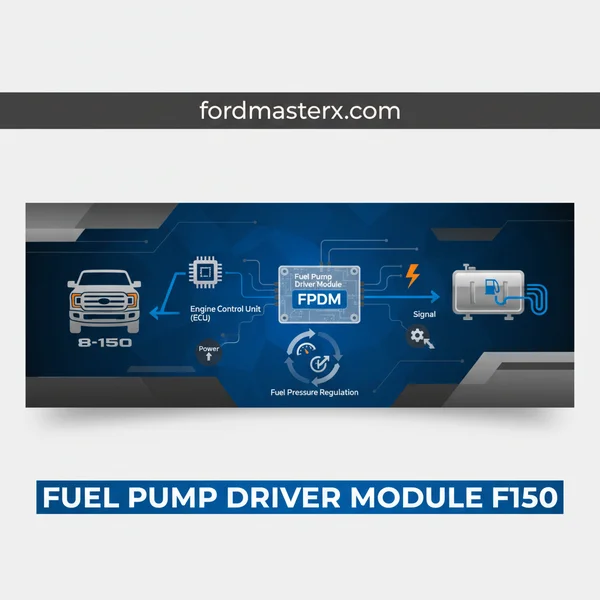
Practically speaking, diagnosing the FPDM can save you from an unnecessary and difficult fuel tank removal. Because this component is exposed to the elements under the truck, it suffers from a specific type of structural failure that is easy to identify with a simple visual inspection. Understanding how to pinpoint this failure allows you to fix your truck in your driveway with basic hand tools for a fraction of the cost of a professional shop repair.
Identifying Symptoms of a Failing F-150 Fuel Pump Driver Module
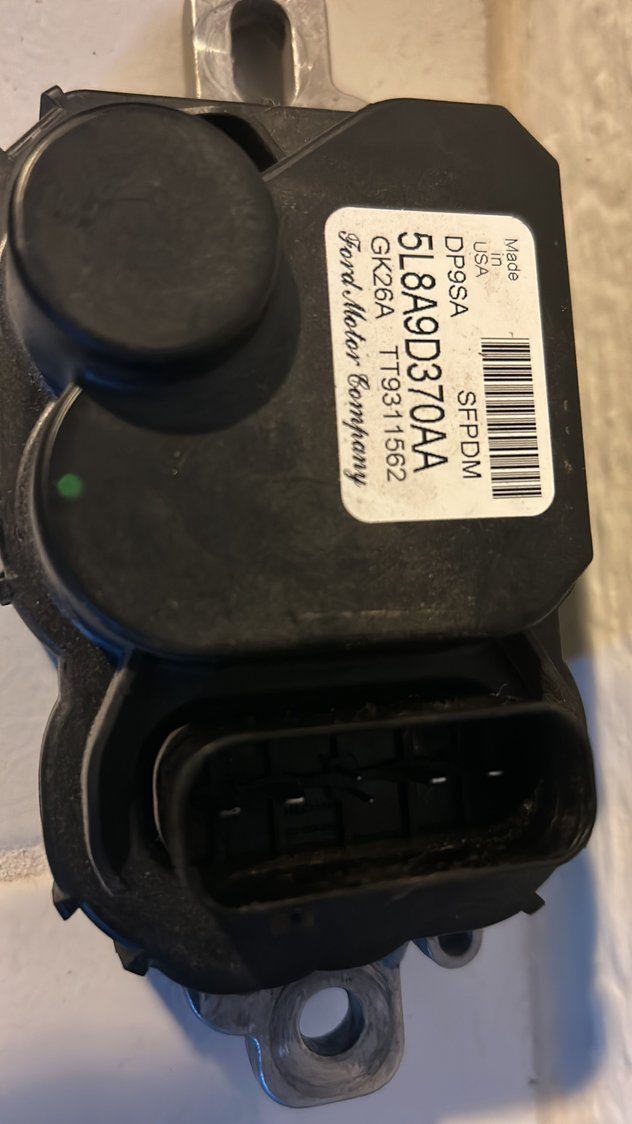
A failing fuel pump driver module rarely gives a long warning period. Instead, it typically manifests as a sudden loss of power or a “crank-no-start” condition. Because the FPDM translates signals from the Powertrain Control Module (PCM) into specific electrical pulses for the pump, any degradation in the circuitry results in erratic fuel pressure. You might notice the truck bucking or hesitating at highway speeds, which feels like a misfire but is actually fuel starvation.
Distinguishing Module Failure from Pump Failure
The easiest way to tell if the module has failed versus the pump itself is to check for specific Diagnostic Trouble Codes (DTCs) and the behavior of the fuel system. A dead fuel pump often dies silently, while a failing module may work intermittently as it reacts to heat or moisture. Use an OBD-II scanner to look for the following indicators:
- P1233: This is the most common code, indicating the Fuel Pump Driver Module is “offline” or disabled.
- P1235: Indicates a fuel pump control out of range, often caused by a failing circuit inside the module.
- Intermittent Stalling: If the truck starts when cold but dies after 20 minutes of driving, the module’s internal circuitry is likely overheating due to a cracked housing.
- Check the Inertia Switch: Always ensure your fuel pump shut-off switch (usually in the passenger kick panel) hasn’t been tripped before blaming the module.
If you have spark and your fuses are intact—specifically the fuel pump fuse which is known to melt in 2009-2014 models—but you hear no “hum” from the fuel tank when the key is turned to the “on” position, your diagnostic path leads directly to the module.
The Science of Galvanic Corrosion in Ford Chassis Components
Recommended Best Deal Products
The primary reason the F-150 fuel pump driver module fails is not due to electrical surges, but rather a fundamental flaw in its mounting design. The module is housed in a cast aluminum casing. On the assembly line, Ford mounted this aluminum housing directly against the steel frame of the truck. When two dissimilar metals touch in the presence of an electrolyte—like rain, road salt, or humidity—a chemical reaction called galvanic corrosion occurs.
Why the Original Design Was Flawed
In this chemical battle, the aluminum acts as a “sacrificial anode.” This means the aluminum housing of the module begins to oxidize and rot away to protect the steel frame. Over time, the back of the module becomes heavily pitted and eventually eaten through entirely. This creates several critical issues for your F-150’s fuel system:
- Housing Expansion: As the aluminum oxidizes, it expands and “puffs up.” This pressure eventually cracks the plastic cover or the internal circuit board.
- Moisture Ingress: Once the housing is breached, water and salt enter the module, shorting out the electronics and killing the fuel pump signal.
- Thermal Runaway: The corrosion prevents the module from properly dissipating heat against the frame, causing the internal components to cook themselves during long drives.
If you live in a “salt belt” state where roads are treated in the winter, this process is accelerated. By the time the module fails, it is common to find the back of the device completely missing, leaving the delicate green circuit board exposed to the mud and water kicked up by your rear tires. This is why modern replacement modules now come with rubber “stand-offs” or spacers. These spacers create a gap between the module and the frame, breaking the electrical contact between the aluminum and steel and stopping the galvanic process before it starts.
Checking for this is simple: if you look at the module and see white, powdery residue or if the metal looks like it is “peeling,” the structural integrity of the component has been compromised. In the next section, we will cover the specific tools and steps required to locate this module behind your spare tire and replace it effectively.
Diagnostic Testing: FPDM vs. Fuel Pump Failure
Distinguishing between a failed fuel pump driver module and a dead fuel pump is the most critical step in your repair process. While both issues lead to a “crank but no start” condition, their failure patterns usually differ significantly. A fuel pump often gives subtle warning signs over time—such as whining noises from the gas tank, long crank times, or sputtering under heavy load. Conversely, an FPDM failure is typically sudden and total, often triggered by a damp day or a particularly bumpy road that finally jars a corroded circuit loose.

Audible — Listen Free for 30 Days
One free credit a month and thousands of titles included.
Listen Free for 30 Days As an Amazon Associate I earn from qualifying purchases.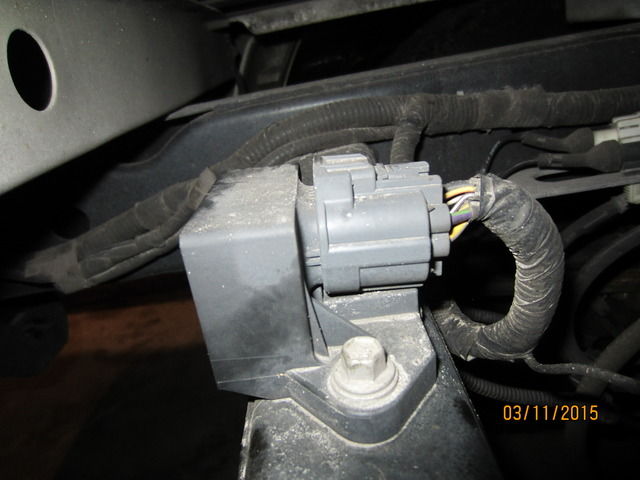
Scanning for Trouble Codes
Your F-150’s computer is remarkably efficient at pinpointing FPDM issues if you know what to look for. Using a standard OBD-II scanner can save you hours of physical labor. Look for specific codes that indicate a communication breakdown between the Powertrain Control Module (PCM) and the fuel delivery system. If you see these, the module is almost certainly the culprit rather than the pump itself.
- P0191: This code refers to the Fuel Rail Pressure Sensor. It often triggers when the FPDM is struggling to maintain the pressure requested by the engine.
- P1233: This is the “smoking gun” code. It specifically indicates that the Fuel Pump Driver Module is offline or not responding to the computer’s commands.
- P1235: Indicates the fuel pump control is out of range, often caused by a failing internal driver circuit.
The Visual and Physical Inspection
Sometimes, the best diagnostic tool is your own eyes. Because the module is mounted directly to the steel frame above the spare tire, it is the perfect victim of galvanic corrosion. If you notice the aluminum housing is cracked, swollen, or looks like it is “rotting” away from the frame, the internal circuitry has likely been compromised by moisture. In many cases, the module will literally crumble into dust when touched, confirming that it has reached the end of its service life.
Selection Criteria for Aftermarket Replacement Modules
Recommended Best Deal Products

Once you have confirmed the FPDM is the source of your trouble, the next step is choosing a replacement. You are not strictly limited to the original factory part. In fact, many modern aftermarket solutions offer design improvements that the original 2004–2008 versions lacked, specifically addressing the flaws that caused the failure in the first place.
Design Improvements and Spacers
The primary reason the original F-150 modules failed was their mounting position. They sat flush against the steel frame, trapping salt, dirt, and road moisture against the aluminum backing. When shopping for a new module, prioritize kits that include stand-off spacers. These small rubber or plastic bushings lift the module roughly half an inch off the frame. This allows air to circulate and water to drain behind the unit, effectively eliminating the risk of future corrosion.
Material Quality and Durability
Not all aftermarket modules are created equal. Since this component is exposed to the elements under the chassis, the housing material is vital. Consider these features when making your selection to ensure you don’t have to do the job again in two years:
- Powder-Coated Aluminum: Provides superior resistance to road salt and chemicals compared to raw, unfinished aluminum.
- Sealed Connectors: High-quality replacements feature robust weather stripping at the harness plug to prevent “green crust” corrosion on the electrical pins.
- Polymer Backing: Some newer designs use a reinforced plastic backplate which is entirely immune to the galvanic reaction between the module and the truck frame.
While bargain-bin modules are tempting, sticking with reputable brands ensures the electronics can handle the precise pulse-width modulation signals required by your F-150’s computer. A high-quality module will manage heat dissipation better, preventing the internal electronics from overheating during long hauls in hot weather.
Conclusion
Dealing with a sudden stall or a truck that refuses to start is incredibly frustrating, but the fuel pump driver module is one of the most manageable and affordable fixes on a modern Ford F-150. By understanding the signs of housing corrosion and knowing how to interpret diagnostic trouble codes, you can avoid the high cost and labor of an unnecessary fuel pump replacement. In many cases, a simple visual check of the module is all it takes to find the smoking gun.
If your truck is over a decade old and still running the original factory module, consider inspecting it today before it leaves you stranded. Your next step should be a quick look under the spare tire—catching a hairline crack now could save you a expensive tow truck bill later this winter. Stay proactive with your maintenance, choose a replacement with proper spacers, and keep your F-150 running strong!
❓ Frequently Asked Questions
How can I tell if the module or the fuel pump itself is bad?
Check for power at the module’s connector; if the module housing is physically cracked or salt-corroded, it is almost certainly the culprit. You can also bypass the module temporarily with a jumper wire to see if the pump runs, which confirms the pump is healthy.
Why is it important to use spacers when installing a new module?
Spacers, or standoffs, create an air gap between the module and the truck’s steel frame. This prevents moisture from being trapped and stops the galvanic corrosion process that destroys the aluminum housing.
Audible Premium Plus — Annual Membership
12 audiobook credits up front, plus the full Audible catalogue.
See Annual Plans As an Amazon Associate I earn from qualifying purchases.What diagnostic trouble codes (DTCs) are associated with the FPDM?
The most common codes are P1233 (Fuel System Disabled), P1237, or P0191. These codes indicate that the PCM is not receiving the correct feedback signal from the driver module.
Can I drive my F-150 if the fuel pump driver module is failing?
It is not recommended, as the module can fail completely at any moment, causing the engine to stall in traffic. Intermittent stalling is a primary warning sign that total failure is imminent.
Does the year of my F-150 affect the module location?
While the location above the spare tire is consistent for 2004–2014 models, the specific design of the module changed in 2009. Always verify the part number against your specific VIN.
Are aftermarket modules better than the original Ford factory units?
Many modern aftermarket modules are superior because they include the necessary standoff kit and improved powder coating to resist the corrosion issues that plagued the original factory parts.