6.7 Powerstroke Fuel Filter Change: Essential Tips & Tools

Always replace both the frame-mounted and engine-mounted filters simultaneously every 15,000 to 22,500 miles to ensure maximum engine protection. A proper ignition-priming sequence is mandatory to purge air and prevent catastrophic damage to the high-pressure fuel pump.
🎯 Key Takeaways
Recommended Best Deal Products

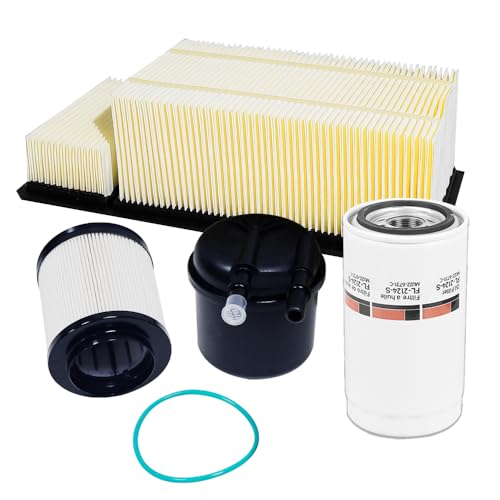

- Change both filters every 15,000 to 22,500 miles for optimal fuel system health.
- Use a 32mm socket for the lower housing to prevent stripping plastic components.
- Perform the 6-cycle priming sequence to protect the sensitive high-pressure fuel pump.
- Strictly utilize OEM Motorcraft FD-4615 filters to maintain factory warranty coverage.
- Drain the water-fuel separator monthly to prevent internal system corrosion.
To correctly replace the fuel filters on your 6.7L Powerstroke, you must swap both the frame-mounted water separator and the engine-bay secondary filter simultaneously. Neglecting either one, or failing to follow the precise priming sequence, risks introducing air or contaminants into the CP4 high-pressure fuel pump. This pump relies entirely on diesel for lubrication; even a few seconds of dry running due to improper priming can cause catastrophic internal failure and cost thousands in repairs.

Prime for Young Adults — 6 Months Free
Students and 18–24s get six months of Prime free, then half price.
Start 6 Months Free As an Amazon Associate I earn from qualifying purchases.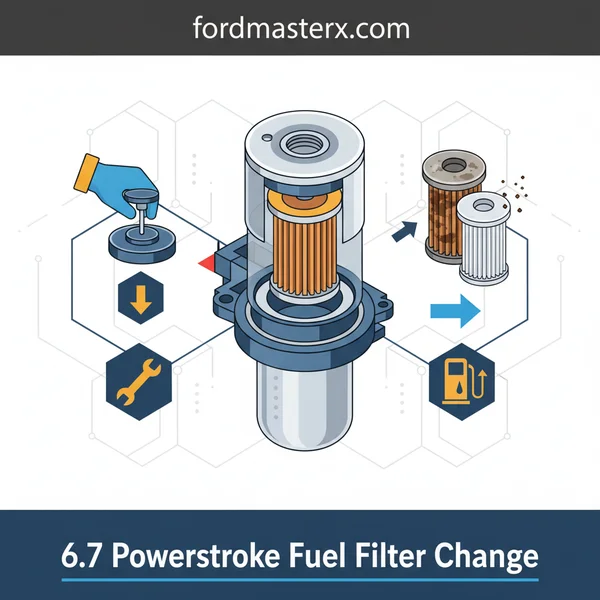
Performing this maintenance every 15,000 to 22,500 miles ensures your fuel system maintains the 55-70 PSI required for optimal operation. By handling the replacement yourself, you ensure the seals are seated perfectly and the system is fully purged of air before the engine ever turns over. This guide provides the exact steps and tool specifications you need to complete the job safely and efficiently.
Necessary Tools and Parts for 6.7 Powerstroke Maintenance
Before you crawl under the truck, gather the specific tools required for the 6.7L configuration. Unlike older diesel platforms, the 6.7 Powerstroke uses a specific housing size that requires high torque for removal but a delicate touch during reinstallation. Having the right socket size prevents rounding off the plastic nut on the bottom of the fuel-water separator.
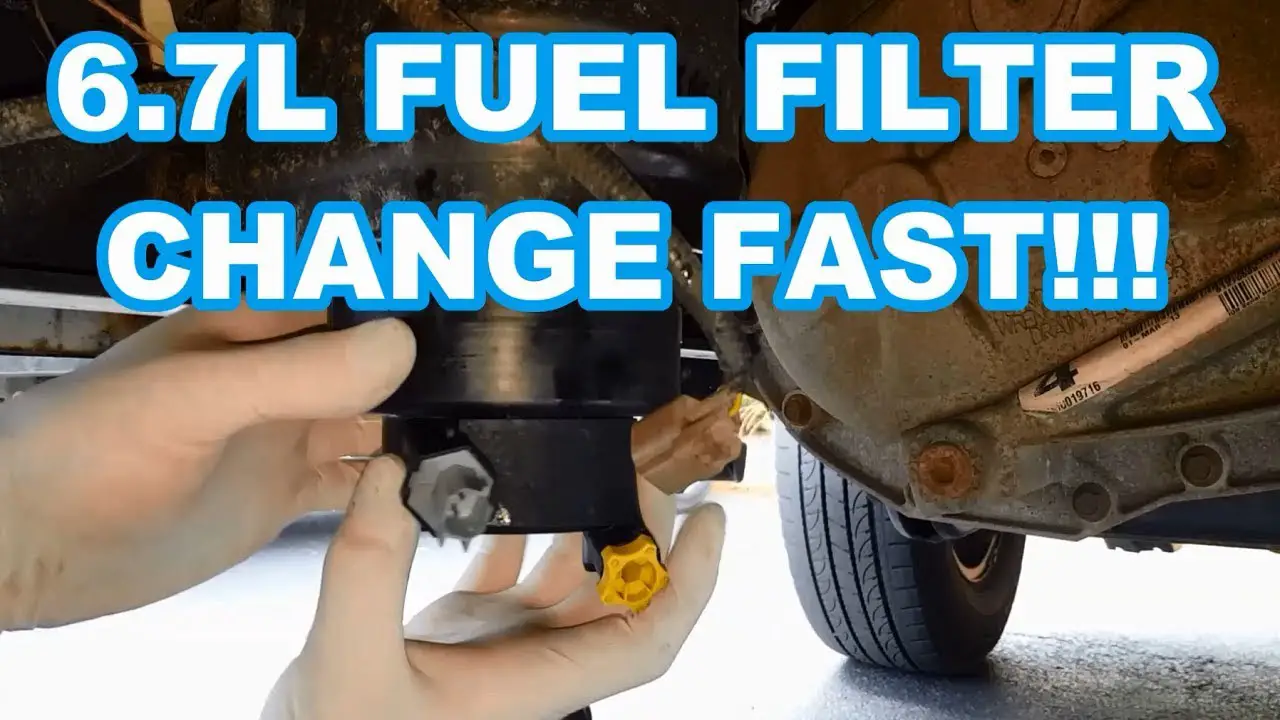
Essential Hardware Checklist
- 32mm 6-Point Socket: This is used for the frame-rail filter housing. A 1 1/4 inch socket can work in a pinch, but a 32mm provides a much tighter fit on the plastic nut.
- 1/2-inch Drive Ratchet and Extension: You will need the leverage of a larger ratchet to break the seal on the lower housing, especially if it was over-tightened during the last service.
- Fuel Drain Pan: Ensure it can hold at least two gallons of diesel. The frame-mounted reservoir holds a significant amount of fuel that drains rapidly once the valve is opened.
- Clean Shop Rags: Use these to wipe down the filter housings and ensure no dirt enters the fuel lines when the “quick-connect” fittings are removed.
- Diesel Fuel or Silicone Grease: You need this to lubricate the new rubber O-rings. Never install an O-ring dry, as it will bunch up and cause a high-pressure leak.
While the engine-bay filter often uses quick-release tabs that are finger-operated, having a small flat-head screwdriver handy can help depress the locking clips if they are stuck with road grime. Always work in a well-ventilated area and wear eye protection, as fuel lines may still be under residual pressure when first disconnected.
How to Change Your 6.7 Powerstroke Fuel Filters Like a Pro: A Practical Walkthrough
Recommended Best Deal Products


The 6.7L Powerstroke Diesel engine is a workhorse, but its high-pressure fuel system is incredibly sensitive to contaminants and water. To protect your investment and ensure the longevity of your Bosch CP4 high-pressure fuel pump, changing your fuel filters every 15,000 to 22,500 miles is non-negotiable. This guide covers the dual-filter setup found on Ford Super Duty trucks, including the frame-mounted Water Management Assembly and the engine-mounted secondary filter. Following these steps precisely will prevent air-lock issues and safeguard your engine from expensive repairs caused by debris or moisture.
Step 1: Gathering the Essential Tools and Parts
What you need: A genuine Motorcraft FD-4615 or FD-4625 fuel filter kit (depending on your model year), a 32mm (or 1-1/8 inch) socket, a long extension, a torque wrench, a 7mm or 8mm socket for the engine-mounted filter bolts, a drain pan capable of holding at least two gallons, and several clean shop rags.
Instructions: Before you turn a single bolt, ensure you have the correct parts. Ford redesigned the filters slightly over the years, so verify your VIN at the parts counter. Park your truck on a flat, level surface and engage the parking brake. Pop the hood to allow the engine-mounted filter to cool slightly if you have recently driven the vehicle. It is also a good idea to wear nitrile gloves, as diesel fuel can be an irritant and the smell lingers on skin for days. Place your drain pan directly under the driver-side frame rail, roughly beneath the area where the driver’s door meets the front fender, which is where the primary fuel conditioning module (DFCM) is located.
Pro Tip: Always use genuine Motorcraft filters. Aftermarket filters often have inferior sealing rings or different micron ratings that can lead to “low fuel pressure” codes or, worse, allow microscopic particles to reach your injectors.
Step 2: Draining the Water Separator
What you need: Your drain pan and a steady hand.
Instructions: Locate the yellow plastic drain lever on the side of the frame-mounted fuel filter housing. Position your drain pan carefully. Turn the yellow lever counter-clockwise to open the valve. Fuel will begin to pour out—sometimes with significant force. You need to drain roughly one to two quarts of fuel to ensure the housing is empty enough to remove the cap without a massive spill. Look at the fuel as it drains; if you see “bubbles” or a distinct layer at the bottom of the pan, that is water being successfully removed from your system. Once the flow slows to a drip, turn the yellow lever back to the closed position to prevent a mess during the next step.

Audible — Listen Free for 30 Days
One free credit a month and thousands of titles included.
Listen Free for 30 Days As an Amazon Associate I earn from qualifying purchases.Pro Tip: If no fuel comes out when you open the valve, the drain may be clogged with sediment or “diesel slime.” Carefully poke a small wire into the drain spout to clear the obstruction, but be prepared for a sudden rush of fuel.
Step 3: Removing the Primary Frame-Mounted Filter
What you need: 32mm socket, long extension, and a ratchet.
Instructions: Fit your 32mm socket onto the nut molded into the bottom of the black plastic filter cap. Using your ratchet, slowly unscrew the cap. Be prepared for some residual fuel to leak out as the seal breaks. Once the threads are clear, lower the cap and the internal filter element straight down. The filter element is usually snapped into the cap. Pull the old filter out of the cap and discard it. Take a clean, lint-free rag and wipe out the inside of the plastic cap and the threads on the housing assembly. Inspect the cap for any cracks or signs of stress, as these plastic components can become brittle over many heat cycles.
Pro Tip: Take a moment to inspect the bottom of the filter cap for metal shavings. If you see shiny silver “glitter,” it is often an early warning sign that your high-pressure fuel pump (CP4) is beginning to fail and “grenade” internally.
Step 4: Installing the New Lower Filter and Seal
What you need: New primary filter element, new large O-ring, and fresh diesel fuel for lubrication.
Instructions: Remove the new O-ring from the kit. Dip your finger in clean diesel fuel and coat the O-ring thoroughly; this prevents the seal from bunching or tearing during installation. Stretch the O-ring over the threads of the cap and seat it in the groove at the base of the threads. Take the new filter element and snap it firmly into the cap until you hear or feel a distinct “click.” Insert the assembly back into the housing and thread it by hand to avoid cross-threading. Tighten the cap until it bottoms out against the housing. Most professional technicians tighten until the plastic “stops” touch, which is approximately 18-20 lb-ft of torque.
Pro Tip: Never install a dry O-ring. A dry seal can “grab” the plastic housing and twist, creating a microscopic gap that allows air to enter the fuel system, causing the truck to stall later.
Step 5: Replacing the Engine-Mounted Secondary Filter
What you need: 7mm or 8mm socket, shop rags, and the new engine-mounted filter.
Instructions: Move to the engine bay. The secondary filter is located on the top driver’s side of the engine. It has three fuel lines connected to it with quick-connect clips. First, place rags around the base of the filter to catch spills. To disconnect the lines, squeeze the colored tabs on the connectors and pull them straight off. Be gentle; these plastic clips can break if forced. Once the lines are clear, use your socket to remove the two small bolts holding the filter bracket in place. Lift the old filter out. Take the new filter and place it into the bracket, ensuring the orientation matches the old one so the lines reach the ports. Reinstall the mounting bolts and tighten them until snug.
Pro Tip: When reconnecting the fuel lines, push them onto the filter nipples until you hear a “click.” Give each line a firm “tug test” to ensure it is locked. A loose line here will spray high-pressure fuel across your hot engine, creating a fire hazard.
Audible Premium Plus — Annual Membership
12 audiobook credits up front, plus the full Audible catalogue.
See Annual Plans As an Amazon Associate I earn from qualifying purchases.Step 6: The Critical Priming Procedure
What you need: Just your ignition key (or start button) and patience.
Instructions: This is the most important step. DO NOT attempt to start the engine yet. You must purge the air from the lines. Turn the ignition to the “On” position (the position just before cranking). You will hear the electric fuel pump on the frame rail buzzing. Let it run until it stops (usually 30 seconds). Turn the key to “Off.” Repeat this cycle 6 to 10 times. This process forces fuel from the tank, through the new filters, and pushes the air back into the fuel tank via the return lines. If you skip this, the air will hit the high-pressure pump, and the truck will either fail to start or die shortly after, requiring a much more difficult manual bleeding process.
Pro Tip: During the priming cycles, listen to the sound of the pump. It will initially sound high-pitched and “gurgly” as it moves air. Once the sound becomes a consistent, lower-pitched hum, you know the system is nearly full of fuel.
Step 7: Final Start and Leak Inspection
What you need: A flashlight and a second observer (optional).
Instructions: After completing the priming cycles, depress the brake and start the engine. It may take an extra second or two to fire up, which is normal. Once the engine is idling smoothly, let it run for 2-3 minutes. While it is running, take your flashlight and inspect the frame-mounted filter housing for any drips. Then, check the engine-mounted filter and the three quick-connect lines for any signs of “sweating” or spraying fuel. If everything looks dry, take the truck for a short 5-minute drive, including a few moderate accelerations, to ensure there are no “stumble” points caused by trapped air bubbles. Finally, check one last time for leaks after the test drive.
Pro Tip: If the engine starts and then dies after 10 seconds, there was still air in the lines. Go back to Step 6 and perform 5 more key cycles before attempting to restart.
✅ Final Checklist
- Verify that the yellow drain valve on the frame rail is fully closed and not dripping.
- Confirm the frame-mounted filter cap is tightened until the plastic tabs meet the housing.
- Ensure all three fuel lines on the engine-mounted filter are “clicked” and locked into place.
- Verify that at least 6 priming cycles were completed before the first engine start.
- Check that the “Water in Fuel” light on the dashboard is off.
Important Notes:
- Safety Warning: Diesel fuel is slippery and flammable. Clean up any spills on your driveway or garage floor immediately to prevent slips and fire risks. Dispose of old fuel and filters at an authorized hazardous waste facility.
- When to Seek Help: If you see heavy metal debris in the fuel or if the truck refuses to start after 15+ priming cycles, do not continue cranking the engine as this can damage the expensive high-pressure pump. Contact a diesel specialist.
- Estimated Time: 45 to 60 minutes for a beginner; 30 minutes for an experienced DIYer.
- Estimated Cost: $70 – $110 for the Motorcraft filter kit, depending on where you purchase it.
Comparing Motorcraft vs. Aftermarket Fuel Filters
Choosing the right filter kit is the most critical decision you will make for your engine’s longevity. The 6.7L Powerstroke fuel system is incredibly sensitive to micron ratings and water separation efficiency. Using a sub-par filter can allow microscopic debris or emulsified water to reach the injectors, leading to premature wear and balance issues.
Why OEM Motorcraft FD-4615 is Recommended
- Micron Rating: The Motorcraft FD-4615 kit is designed to capture particles as small as 4 microns. Many “budget” aftermarket filters only filter down to 10 or 20 microns.
- Water Separation Technology: The frame-mounted filter uses a specific hydrophobic media that forces water to beads and drop to the bottom of the bowl. Inferior filters may allow water to pass through the media under high-flow conditions.
- Proper Fitment: Aftermarket filters often have slight variations in the O-ring thickness or the “click-lock” connectors. A loose connection on the suction side of the pump can pull air into the system, causing intermittent stalling.
If you choose an aftermarket brand, ensure it is a reputable name like Donaldson or Baldwin that meets or exceeds Ford’s FD-4615 specifications. However, during the warranty period, sticking with Motorcraft parts provides an extra layer of protection against potential claim denials related to fuel system contamination. The cost difference is usually less than $20, which is cheap insurance for your high-pressure pump.
Step 1: Replacing the Frame-Rail Filter (Lower Separator)
Recommended Best Deal Products

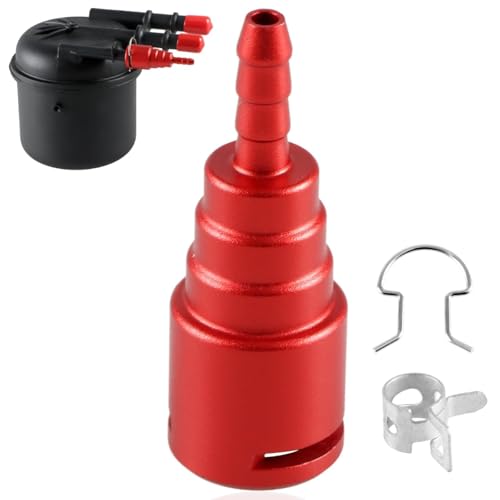

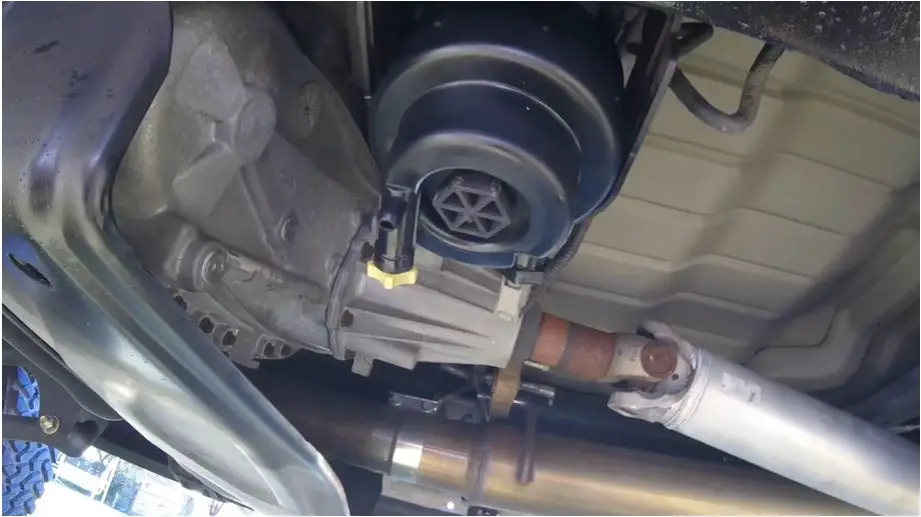
The first stage of the process begins at the Diesel Fuel Conditioning Module (DFCM), located on the driver-side frame rail. This is the primary filter and water separator. Because it is lower than the fuel tank, it is prone to continuous leaking if the drain process isn’t handled correctly. You must drain the reservoir completely before attempting to unscrew the housing cap.
Draining and Removing the Lower Housing
Position your drain pan directly under the yellow plastic drain valve. Turn the valve counter-clockwise. You may need to loosen the fuel cap on your tank to break the vacuum and allow the fuel to flow faster. Let the fuel drain until it slows to a drip. This usually takes about two to three minutes depending on your fuel level.
Once drained, fit your 32mm socket onto the nut at the bottom of the housing. Turn it counter-clockwise slowly. Be prepared for a small amount of residual fuel to spill as the O-ring clears the threads. Remove the old filter from the housing by pulling it straight out; it is held in by a small internal bypass clip. Wipe the inside of the housing with a lint-free rag to remove any sediment or “diesel algae” that may have settled at the bottom.
Install the new filter into the housing until you feel it click into place. Locate the new O-ring provided in your kit and coat it liberally with clean diesel fuel. Slip the O-ring into the groove on the housing, ensuring it isn’t twisted. Thread the housing back onto the DFCM by hand to avoid cross-threading. Tighten it with your 32mm socket until it bottoms out against the stop. Do not over-torque it; the plastic stop is designed to indicate when the seal is compressed perfectly.
Understanding the Risks of Improper Fuel System Priming
Changing the filters is only half the battle. If you do not respect the priming process, you might save five minutes but cost yourself thousands of dollars in repairs. The 6.7 Powerstroke utilizes a highly sophisticated common-rail fuel system that relies on diesel fuel not just for combustion, but for the vital lubrication and cooling of critical internal components.
The High-Pressure Fuel Pump (CP4) Vulnerability
The heart of the 6.7 system is the Bosch CP4.2 high-pressure fuel pump. While it provides incredible performance and efficiency, it has a “zero tolerance” policy for air. Unlike older diesel engines that might simply cough or sputter if air enters the lines, a CP4 pump can suffer internal scouring in seconds if it runs dry. Without the lubricating properties of diesel fuel, metal-on-metal contact occurs, leading to what many owners call “the glitter of death.” This refers to tiny metal shavings that contaminate the entire fuel system—from the high-pressure rails down to the fuel tank—effectively totaling the fuel system.
How Air Pockets Lead to Catastrophic Failure
Air pockets are the primary enemy of common-rail injectors. If air is trapped in the lines when you attempt to crank the engine, the pressure spikes can cause cavitation. This process effectively erodes the internal components of your injectors from the inside out. Practical Tip: Always listen to the electric lift pump during the priming sequence. If you still hear “gurgling,” “hissing,” or “rushing” sounds from the frame rail area, there is still air in the system. Do not be tempted to touch the ignition key until that pump sounds smooth, consistent, and pressurized.
Maintenance Intervals and Total Cost of Ownership
Owning a heavy-duty diesel truck means managing a stricter and more expensive maintenance schedule than a standard gasoline vehicle. While Ford provides a “maximum” interval, many experienced 6.7 owners find that following the manual to the letter can be risky depending on your specific driving habits and where you source your fuel.
Ford’s Recommendation vs. Real-World Usage
Ford generally recommends changing both fuel filters every 15,000 to 22,500 miles, or every third oil change. However, this assumes you are using high-quality, pristine diesel. If you frequently tow heavy loads, idle for long periods, or fill up at high-volume truck stops where water contamination is more common, you should shorten this interval significantly. Many enthusiasts prefer a “15,000-mile or every second oil change” rule to ensure maximum protection for the injectors.
- Severe Duty: Change every 10,000 miles if using Biodiesel blends (B20) or idling excessively at job sites.
- Standard Duty: Change every 15,000 to 20,000 miles for consistent highway driving and long-distance cruising.
- Visual Inspection: Get into the habit of checking the water separator drain bowl during every oil change, regardless of your current mileage.
Long-term Savings through Preventive Maintenance
It is easy to look at the price of a genuine Motorcraft fuel filter kit—usually between $70 and $100—and want to push the interval a little further. However, looking at the “Total Cost of Ownership” (TCO) paints a much clearer picture. A complete fuel system failure on a 6.7 Powerstroke (including the pump, eight injectors, and all fuel lines) can easily exceed $10,000 in parts and labor. Spending an extra $100 once or twice a year is essentially a cheap insurance policy for your engine’s longevity. Keeping a spare set of filters in the truck is also a wise move, as a single tank of “bad fuel” can clog filters and leave you stranded on the side of the road.
Protecting Your 6.7 Powerstroke for the Long Haul
Maintaining the fuel system on your 6.7 Powerstroke is one of the most impactful things you can do to ensure its reliability. By using high-quality OEM filters, respecting the sensitivity of the CP4 pump through thorough priming, and sticking to a proactive maintenance schedule, you avoid the most common causes of catastrophic engine failure. These trucks are built for the long haul, but they require clean, air-free fuel to get there.
Next Steps: Verify your last service date and order a fresh Motorcraft filter kit today. Do not wait for a “Water in Fuel” light or a low-pressure warning to take action. Keep your fuel clean, keep your pump lubricated, and your Powerstroke will keep working as hard as you do!
❓ Frequently Asked Questions
Why is it critical to use Motorcraft filters for the 6.7 Powerstroke?
Motorcraft filters feature specific media designed to trap microscopic contaminants and separate water with 98% efficiency. Aftermarket filters often lack the proper seals or micron ratings, which can lead to expensive CP4.2 pump failure.
What are the common symptoms of a clogged fuel filter?
Common indicators include a ‘Low Fuel Pressure’ warning on the dashboard, sluggish engine response, or the vehicle entering ‘Limp Mode.’ If the filters are severely restricted, the engine may stall or fail to start entirely.
How do I know if there is water in my fuel system?
The 6.7L Powerstroke features a Water-In-Fuel (WIF) sensor that triggers a light on the instrument cluster when the reservoir is full. It is best practice to manually drain the lower separator monthly via the yellow valve to avoid this.
Is it necessary to replace the O-rings during every filter change?
Yes, new O-rings are required for both the lower housing and the upper filter connections to maintain a vacuum-tight seal. Reusing old O-rings often leads to fuel leaks or air being drawn into the fuel system.
What is the cost difference between DIY and dealer fuel filter changes?
A DIY filter kit typically costs between $60 and $90, while a dealership service can range from $250 to $400. Performing the task yourself ensures the priming sequence is handled patiently and correctly.
Does the year of the 6.7 Powerstroke affect the filter type?
Yes, while the dual-filter concept remains, specific filter designs (such as FD-4615 or FD-4625) changed across different model years (2011-2016 vs. 2017+). Always verify your specific VIN to ensure correct fitment.