
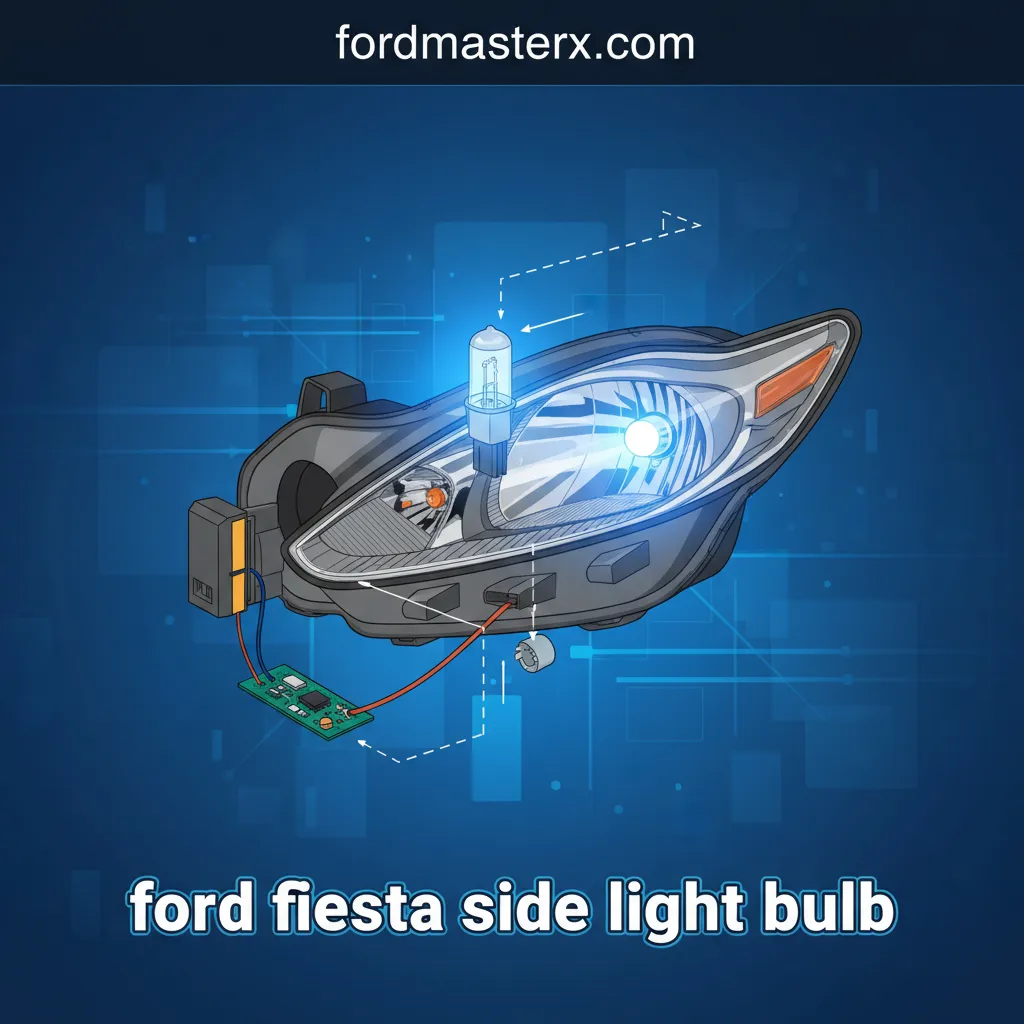
Ford Fiesta Side Light Bulb Specifications And Professional Replacement Procedures

For Ford Fiesta owners, the side light bulb is a small but critical component that ensures vehicle visibility and legal compliance during dawn, dusk, and inclement weather. Often overlooked until failure occurs, these peripheral lights—frequently referred to as parking lights—serve as a vital safety signal to other road users when full headlights are not yet required. Drivers often face frustration when a ‘bulb failure’ alert appears on the dashboard or when they realize the technical specifications of the W5W bulb vary slightly across different Fiesta generations. This professional guide provides an expert breakdown of bulb identification, quality sourcing, and a detailed replacement methodology to ensure your lighting system remains reliable and trusted.
Identifying the Correct Ford Fiesta Side Light Bulb Specifications
📤 Share Image
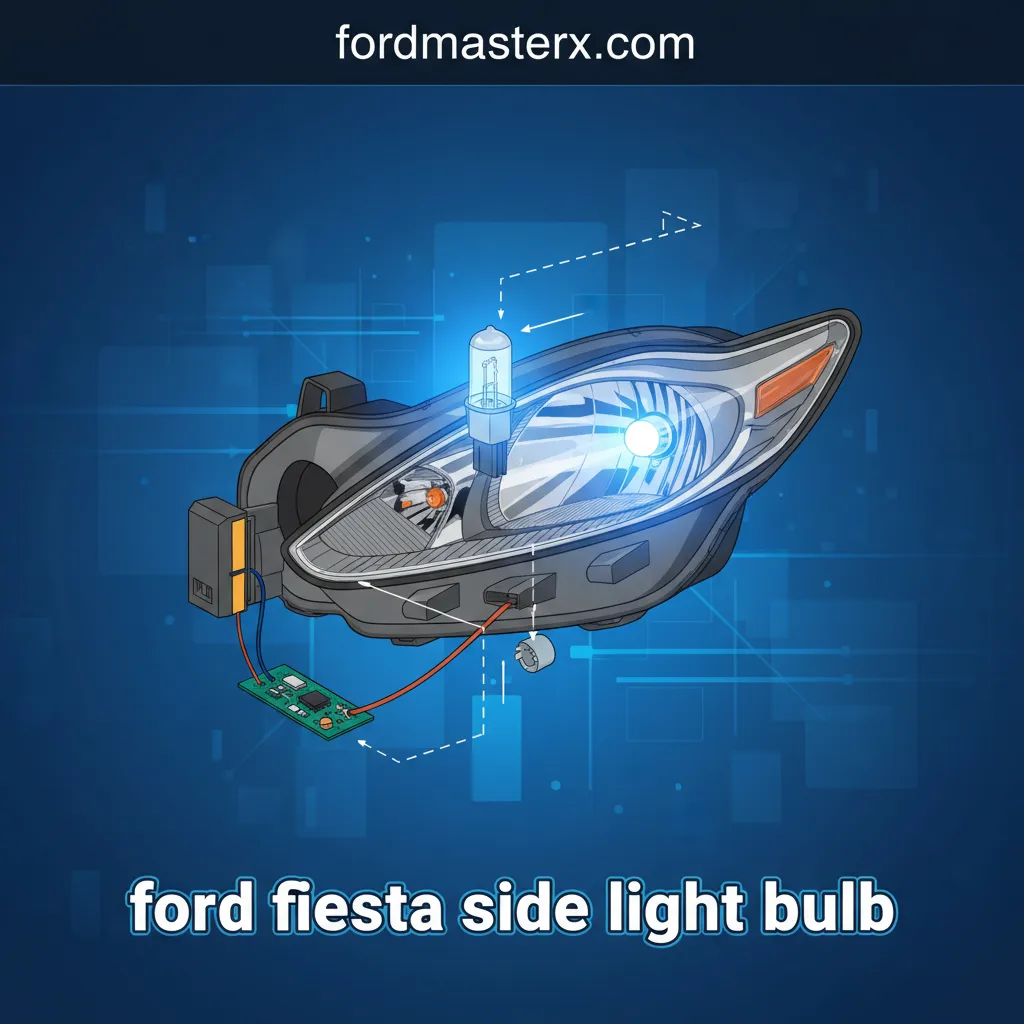
Selecting the correct bulb for a Ford Fiesta requires more than just a cursory glance at the owner’s manual. While the W5W (also known as the 501 fitting) is the standard for the Mark 6, Mark 7, and Mark 8 models, the nuances of electrical load and heat dissipation are paramount. The W5W is a “capless” or wedge-base bulb, meaning it lacks a metal twist-lock base and instead relies on two wire loops that make contact with the socket terminals.
Technical Power Parameters
Standard Ford Fiesta side lights operate on a 12V 5W configuration. A common pitfall among DIY enthusiasts is installing 10W variations, assuming “brighter is better.” In reality, the small internal volume of the Fiesta’s side light reflector housing is not designed to dissipate the additional thermal energy generated by higher-wattage bulbs. Exceeding the 5W limit can lead to thermal deformation of the plastic housing or, in extreme cases, melting the socket itself.
Halogen vs. CANBus LED Upgrades
Modern Fiestas, particularly from the Mk7.5 facelift onwards, utilize a Body Control Module (BCM) to monitor circuit resistance. If you choose to upgrade to LEDs, you must ensure they are CANBus compatible. Standard LEDs have significantly lower resistance than halogen filaments; without integrated load resistors, the car’s computer will interpret the low current draw as a “blown bulb,” triggering a persistent dashboard error or causing the lights to flicker.
By The Numbers
Rated Lifespan (Standard)
Average Light Output
Max Power Consumption
Selecting Quality Components from Trusted Lighting Manufacturers
The automotive lighting market is flooded with low-cost alternatives, yet professionals remain steadfast in recommending trusted brands like Osram, Philips, or Ring Automotive. A side light bulb may seem like a simple part, but its construction determines how well it withstands the harsh environment of a vehicle’s engine bay, including extreme temperature fluctuations and constant vibration.
The UV-Quartz Glass Advantage
High-quality bulbs use UV-cut quartz glass, a feature often absent in generic bulbs. Polycarbonate (plastic) headlight lenses, standard on all Ford Fiestas since the late 90s, are highly susceptible to UV degradation. Non-branded glass allows harmful ultraviolet radiation to escape, which can lead to premature yellowing or hazing of the headlight assembly from the inside out. Research indicates that UV-cut glass can reduce this radiation by up to 80%, preserving the clarity of your expensive headlight units.
Reliability and Lifespan
For drivers who frequently commute at night or use their side lights as DRLs (Daytime Running Lights) in older models, “Long Life” variants are the professional choice. The Osram Ultra Life series, for instance, offers up to four times the lifespan of a standard bulb. This is achieved through a more robust filament design and a specific gas mixture inside the bulb that slows down the evaporation of tungsten.
Vibration Resistance
Precision-engineered filaments stay centered even on rough roads, maintaining a consistent beam pattern.
Anti-Counterfeit
Authentic bulbs feature laser-etched batch codes and hologram packaging to ensure verified performance standards.

Professional Step-by-Step Installation for Ford Fiesta Headlight Units
Replacing the side light on a Ford Fiesta Mk7 or Mk8 is a task that requires careful handling of the headlight assembly. Unlike some vehicles where bulbs are accessed through the wheel arch, the Fiesta usually requires the partial or total removal of the headlight unit for a professional-grade installation.
📋
Step-by-Step Guide
Ensure the ignition is off and the light switch is in the ‘0’ position. Professional technicians always disconnect the headlight wiring loom connector first by depressing the locking tab. This prevents accidental short circuits during the bulb swap.
On a Mk7/Mk7.5, locate and remove the two T30 Torx bolts on the top of the unit and the single plastic push-pin rivet. Gently pull the headlight forward. Note: On facelift models, you may only need to tilt the unit forward to reach the rubber dust cover at the rear.
Pull the small plastic bulb holder (usually located next to the main beam) straight out. Do not twist unless the specific model features a bayonet lock. Wear gloves to avoid getting skin oils on the bulb, as these oils create localized hot spots that significantly shorten the bulb’s life.
Improper removal of the plastic push-pins can lead to headlight alignment issues. If a pin snaps, replace it immediately rather than leaving the headlight loose, as vibration will prematurely fail the new bulb.
Troubleshooting Common Electrical Issues and Reliability Concerns
In some instances, a new bulb fails to illuminate. This is often not a fault of the component but an issue within the Ford Fiesta’s electrical architecture. Professional diagnosis focuses on three key areas: connectivity, circuit protection, and module logic.
Corrosion and Socket Integrity
On older Mark 6 Fiestas, the side light socket is susceptible to moisture ingress. Over time, this causes copper oxidation (green residue) or “arcing.” Even a small amount of electrical resistance—as little as 2.0 Ohms—can cause a significant drop in voltage, making the bulb appear dim or preventing it from lighting entirely. Use a contact cleaner and a small wire brush to ensure the internal terminals are bright and conductive.
The Role of the Body Control Module (BCM)
Modern Ford Fiestas do not always rely on traditional fuses for every lighting circuit. The BCM acts as a digital fuse. If the module detects a short circuit or an incorrect current draw, it will cut power to that specific pin to protect the wiring loom. If you have replaced the bulb and checked the fuse (typically a 7.5A or 10A in the passenger compartment box) but still have no power, you may need to cycle the ignition or use an OBD-II scanner to clear the “lighting circuit low” fault code before the BCM restores power.
Use a multimeter to verify 12V at the plug. If you have 12V but the bulb won’t light, check the ground (earth) wire for continuity. A weak ground is a common culprit for intermittent side light failure.
Expert Recommendations for Side Light Maintenance and Safety
Maintaining the lighting system to a professional standard is about proactive prevention rather than reactive repair. Following industry-best practices ensures that your Ford Fiesta remains both roadworthy and visually consistent.
The Pair Replacement Protocol
Professionals always recommend replacing side light bulbs in pairs. If one bulb has reached the end of its service life, the other is likely close to failure. Furthermore, bulbs dim as they age due to tungsten deposits on the glass. Replacing only one side results in uneven brightness and color temperature, which can be distracting to other drivers and may even be noted as an advisory on vehicle inspections.
Preventing Moisture Ingress
The rubber dust cap on the back of the Fiesta headlight is the only barrier between the delicate internals and the elements. A poorly fitted cap is a leading cause of reflector oxidation and MOT failure. Ensure the seal is seated perfectly after your bulb change. In the UK, a non-functioning side light is categorized as a ‘Major’ defect under MOT testing standards, leading to an immediate failure.
✅ Pros of Quality Bulbs
- Consistent 50-lumen output
- Protection against lens yellowing
- Better resistance to voltage spikes
- Guaranteed legal compliance
❌ Cons of Cheap Alternatives
- High risk of thermal damage
- Inconsistent beam focus
- Frequent premature failures
- No UV protection for plastics
In summary, maintaining the side light bulbs on your Ford Fiesta is a straightforward but essential aspect of vehicle ownership. By utilizing high-quality W5W/501 bulbs from trusted manufacturers, following professional installation techniques—including the use of gloves and correct torque for headlight housing screws—and replacing bulbs in pairs, you ensure both longevity and safety. Inspect your Ford Fiesta side lights this evening to ensure both are functioning correctly, and keep a spare set of quality bulbs in your glove box for immediate replacement, keeping you safe and compliant on the road.
Frequently Asked Questions
What is the specific bulb code for a Ford Fiesta side light?
The most common bulb code for the Ford Fiesta side light is the W5W, also frequently referred to as the 501 wedge bulb. It is a 5-watt bulb with a push-fit base. However, it is always professional practice to verify the specific requirements in your owner’s manual, as some LED-equipped modern trims may have integrated units.
Can I replace my halogen side light bulbs with LEDs?
Yes, you can replace standard halogen bulbs with LED alternatives, provided they are CANBus compatible to avoid dashboard error codes. While LEDs offer a more modern look and improved reliability, ensure they are road-legal in your jurisdiction, as some aftermarket LEDs are intended for ‘off-road use only’ and may not meet certain lighting regulations.
Do I need to remove the whole headlight to change the side light bulb?
On many Ford Fiesta models, particularly the Mark 7 and Mark 8, removing the headlight assembly is the most professional and easiest way to access the bulb holders. This typically involves removing two or three screws. This method provides a clear view of the socket and prevents damage to the wiring or the bulb itself during installation.
Why does my Ford Fiesta side light keep blowing?
Frequent bulb failure is often caused by using low-quality bulbs, vibrations from a loose headlight housing, or an electrical surge within the vehicle’s charging system. Additionally, touching the glass of a new bulb with bare fingers can leave oils that cause the bulb to overheat. Investing in trusted, heavy-duty bulbs can often resolve these reliability issues.
How do I know if the side light fuse is blown?
If both side lights fail simultaneously, it is likely a fuse issue. Locate the fuse box (usually behind the glovebox or in the engine bay) and consult your Ford manual for the specific fuse number. A blown fuse will have a visible break in the metal wire inside the plastic casing. Always replace it with one of the same amperage.