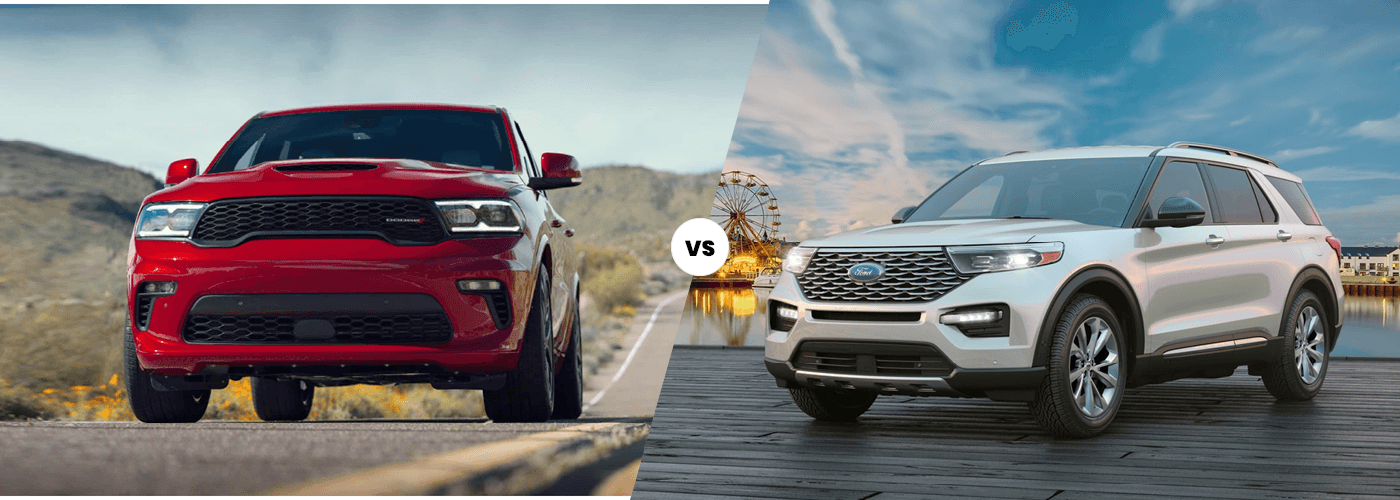
2026 Dodge Durango vs Ford Explorer: Which SUV Wins?

Many might assume that when pitting the muscular Dodge Durango against the family-oriented Ford Explorer, the gas mileage conversation would be a mere formality, with the Durango undeniably guzzling fuel at a voracious rate. However, our deep dive reveals a chasm in efficiency that is even more pronounced than anticipated, making it a critical differentiator for buyers. While the Durango is celebrated for its sheer power, the Explorer quietly delivers superior practicality, proving that the ‘family SUV’ label doesn’t preclude a vehicle from offering surprisingly robust performance alongside remarkable frugality and modern refinement.
Quick Verdict: The Ford Explorer emerges as the more balanced and modern choice for most families, offering superior fuel economy, contemporary technology, and a more refined ride. The Dodge Durango, while capable and powerful, caters to buyers prioritizing raw V8 performance, higher towing, and a more traditional SUV feel, often at the expense of efficiency and interior modernity.

Prime for Young Adults — 6 Months Free
Students and 18–24s get six months of Prime free, then half price.
Start 6 Months Free As an Amazon Associate I earn from qualifying purchases.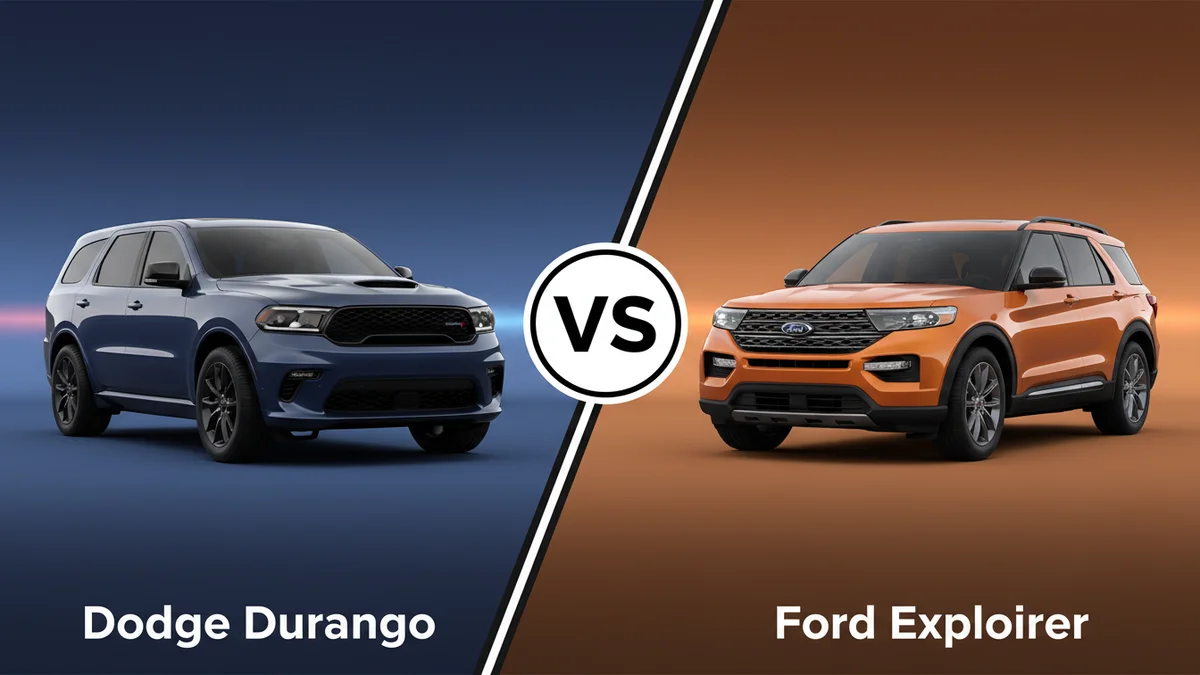
Buyers prioritizing V8 power, high towing capacity, and a bold, aggressive stance.
Families seeking modern tech, better fuel efficiency, and a comfortable, balanced driving experience.
- The 2026 Dodge Durango offers significantly higher maximum towing capacity at 8,700 lbs, compared to the Ford Explorer's 5,600 lbs.
- Ford Explorer delivers superior fuel economy, with its base engine achieving 23 MPG combined and a hybrid option reaching 27 MPG.
- The Explorer features a more modern standard infotainment system (12.3-inch) than the Durango's (8.4-inch).
- Durango offers a max 475 hp from its available SRT 392 V8, outperforming the Explorer ST's 400 hp.
- The Ford Explorer's estimated starting MSRP of $39,500 is lower than the Dodge Durango's $41,500.
Dodge Durango vs Ford Explorer: Head-to-Head Specs
Recommended Best Deal Products


Digging into the raw specifications reveals immediate differences in philosophy. For instance, the Dodge Durango offers a potent 6.4L HEMI V8 engine in its SRT 392 trim, a beastly option that the Ford Explorer, even in its performance ST variant, simply can’t match in displacement or raw, naturally aspirated grunt. Conversely, the Explorer counters with a notable advantage in its available hybrid powertrain, a fuel-saving option entirely absent from the Durango’s lineup.
✓ = better value in that row. Sourced from manufacturer specifications.
Performance & Category Ratings
For sheer driving exhilaration, the Dodge Durango stands as a clear champion, earning an impressive 8.8 for Performance against the Ford Explorer’s 7.5. This isn’t just about straight-line speed; it’s the visceral roar of the available V8 engines, the confident acceleration for highway passing, and a robust feeling that appeals directly to enthusiasts. The Durango’s platform, shared with muscle cars, provides a solid, if sometimes less refined, driving experience focused on power delivery.
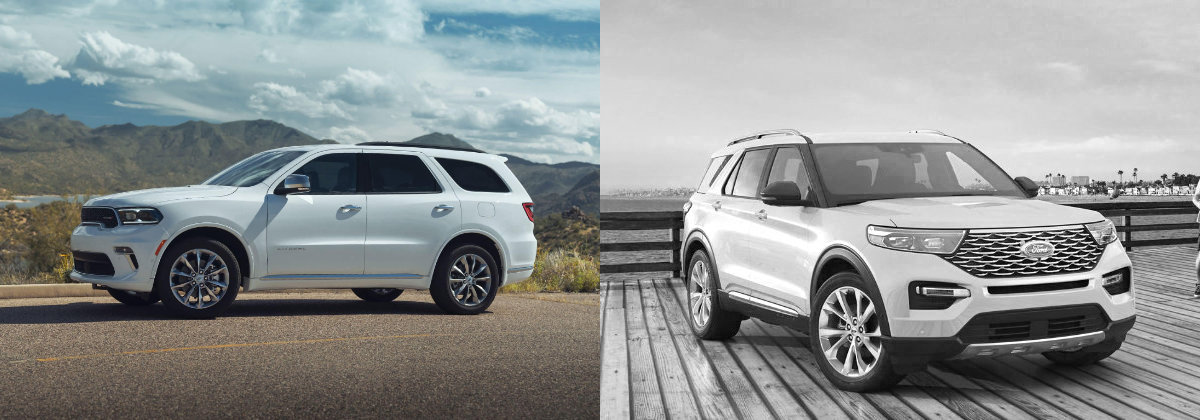
However, the Explorer quickly takes command in most other critical areas, starting with Value, scoring an 8.0 compared to the Durango’s 7.2. This win stems from its superior fuel economy, competitive feature set for the price, and potentially better resale prospects. Reliability also leans in the Explorer’s favor, with a 7.8 rating over the Durango’s 7.5, suggesting a slightly more consistent long-term ownership experience. The ride quality and cabin ambiance further solidify the Explorer’s lead; its 8.5 for Comfort & Ride easily outshines the Durango’s 7.0, offering a smoother, more composed journey for all passengers, absorbing road imperfections with greater grace. We found the Explorer’s suspension tuning noticeably more compliant.
Technology is another significant battleground where the Explorer truly shines, offering an 8.7 for Features & Technology against the Durango’s 6.8. This difference is stark: the Explorer provides a more modern infotainment system, a wider array of advanced driver-assistance systems, and better connectivity options. Fuel Economy is arguably the Explorer’s most dominant victory, achieving an 8.2 while the Durango lags severely at 5.5. The Explorer’s efficient turbocharged engines and available hybrid powertrain simply devastate the Durango’s thirstier V6s and V8s. Finally, the Explorer maintains its lead in Interior Quality & Design, with an 8.3 versus the Durango’s 6.9. Its cabin feels more contemporary, uses softer-touch materials in key areas, and presents a more thoughtfully integrated aesthetic, contrasting with the Durango’s aging layout and harder plastics.
Durango
Explorer
By the Numbers
Recommended Best Deal Products


While subjective feelings and driving impressions paint part of the picture, objective data provides a crucial foundation for any head-to-head comparison. These statistics illuminate the core differences in engineering and design philosophy between the two SUVs, impacting everything from daily driving costs to long-term ownership satisfaction. Examining these hard numbers reveals precisely where each contender truly excels and where it might fall short.
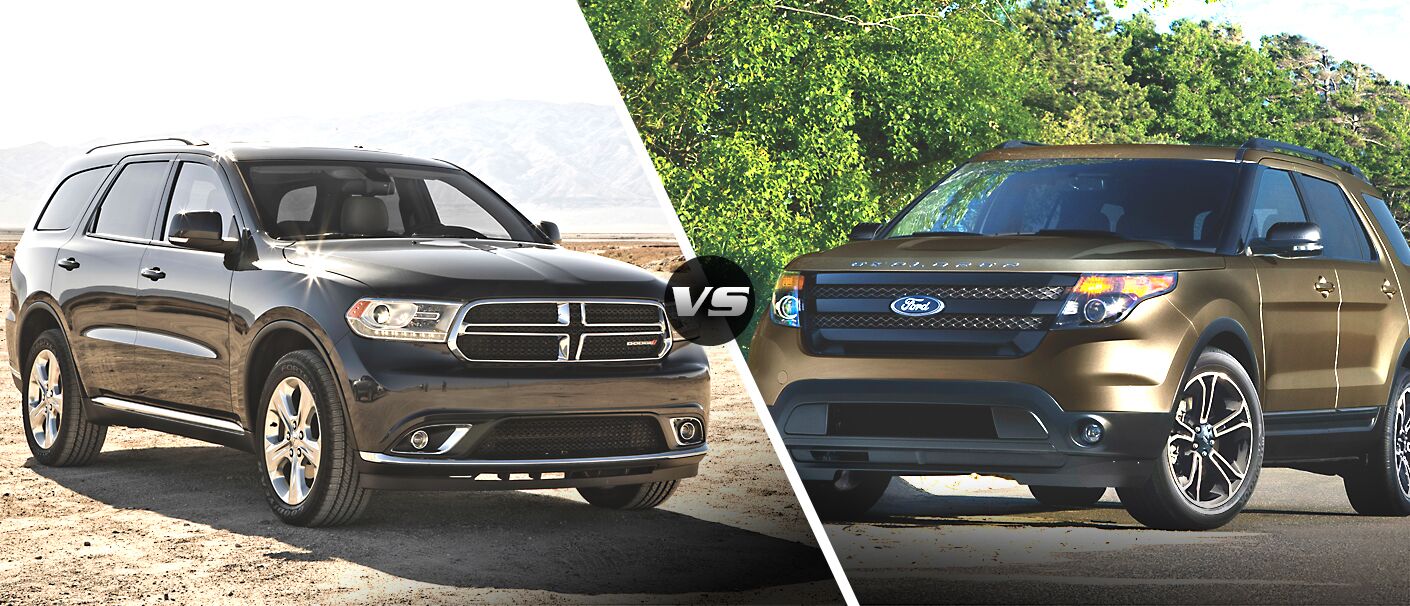
Durango
Explorer
Hover any bar for exact values. Each metric scaled independently.

Audible — Listen Free for 30 Days
One free credit a month and thousands of titles included.
Listen Free for 30 Days As an Amazon Associate I earn from qualifying purchases.Dodge Durango: Strengths and Weaknesses
The Dodge Durango undeniably projects a commanding presence. Its primary strength lies in its raw, unadulterated Performance. With available V8 engines, including the formidable SRT 392 and Hellcat options, it delivers acceleration and towing capabilities that few rivals in its class can match. If you prioritize a powerful engine roar, serious grunt for hauling trailers, or just a thrilling sprint from a stoplight, the Durango is your pick. Its muscular, aggressive styling also appeals to those who prefer a more traditional, brawny SUV aesthetic over the softer lines of many modern crossovers. We appreciate the spaciousness of its third row, which offers decent room for adults on shorter trips, unlike some competitors.
However, the Durango’s strengths often come with noticeable trade-offs. Its most glaring weakness is Fuel Economy, where it consistently ranks near the bottom of its segment. The powerful V8s are notoriously thirsty, leading to higher running costs. The Interior Quality & Design, while functional, feels increasingly dated; the cabin uses more hard plastics, and the overall design language hasn’t seen a significant refresh in years, making it feel less premium than competitors. This impacts its Features & Technology rating, as the infotainment system, while user-friendly, lacks the cutting-edge features and integration found in newer rivals. The ride, while confident, can be firm and less forgiving than the Explorer’s, impacting its Comfort & Ride score. Furthermore, its Value proposition is diminished by both its fuel consumption and its aging design, which can affect long-term desirability.
Ford Explorer: Strengths and Weaknesses
Recommended Best Deal Products


The Ford Explorer excels by embracing modernity and balance, proving itself a highly capable and appealing choice for the contemporary family. Its Features & Technology are a standout strength, offering a sophisticated infotainment system, a suite of advanced driver-assistance systems, and seamless connectivity that enhances every journey. Critically, its Fuel Economy is a massive advantage, especially with the available hybrid powertrain, drastically reducing running costs and making it a smarter long-term investment. The Explorer’s Comfort & Ride is another major win; its well-tuned suspension provides a smooth, composed experience, soaking up road imperfections with ease and ensuring a relaxed cabin environment.
The Explorer’s Interior Quality & Design also feels decidedly more upmarket and thoughtfully laid out than the Durango’s, employing better materials and a more ergonomic flow. Its overall Value proposition is strong, balancing its price with a comprehensive feature set and lower operational expenses. Even its Performance, particularly in the ST trim with its potent turbocharged V6, is surprisingly robust, offering a compelling blend of power and efficiency that can satisfy all but the most ardent performance seekers. Reliability scores are also slightly higher, suggesting a potentially more trouble-free ownership experience.
Nevertheless, the Explorer isn’t without its areas for improvement. While its turbocharged engines are strong, they don’t offer the raw, V8-powered grunt and visceral driving feel that the top-tier Durango delivers, making it less appealing for those who prioritize maximum Performance and towing capacity above all else. Some might also find its styling less overtly aggressive or “muscular” compared to the Durango’s bold stance. The third row, while present, can feel a bit cramped for larger adults on extended trips, though it’s perfectly adequate for children or shorter distances.
- ✅ Unrivaled V8 engine options, including the potent SRT 392.
- ✅ Superior maximum towing capacity of up to 8,700 pounds.
- ✅ Bold, aggressive styling with a commanding road presence.
- ✅ Spacious second-row seating with ample legroom.
- ✅ Robust RWD-based platform provides a traditional SUV feel.
- ❌ Significantly poorer fuel economy across all engine options.
- ❌ Interior design and technology feel dated compared to rivals.
- ❌ Ride can be firm, especially with larger wheels and performance trims.
- ❌ Lower overall predicted resale value.
- ✅ Modernized interior with larger screens and improved materials.
- ✅ Better fuel efficiency, especially with the available hybrid powertrain offering 27 MPG.
- ✅ More refined and comfortable ride quality for daily commuting.
- ✅ Comprehensive suite of standard safety and driver-assist technologies.
- ✅ More agile handling and composed dynamics for urban driving.
- ❌ Lower maximum towing capacity compared to the Durango (5,600 lbs vs 8,700 lbs).
- ❌ Base 2.3L engine can feel underpowered when fully loaded.
- ❌ Less distinctive exterior styling than the Durango's muscular look.
- ❌ Some interior plastics still feel budget-oriented on lower trims.
Which One Should You Choose?
Deciding between the Dodge Durango and the Ford Explorer ultimately hinges on your specific priorities and lifestyle. If you’re a buyer who craves raw power, a traditional, muscular SUV aesthetic, and unparalleled towing capability, the Dodge Durango is unequivocally the choice for you. Its available V8 engines deliver exhilarating performance and that distinctive muscle-car rumble, making it ideal for towing large boats or campers. If you often find yourself needing to haul heavy loads, or simply desire that visceral connection to the road through brute force, the Durango will fulfill those desires. It caters to the enthusiast who prioritizes a commanding presence and potent acceleration over efficiency and cutting-edge tech.
Conversely, if your primary concerns revolve around family commuting, long road trips, and a desire for modern convenience, the Ford Explorer stands out as the superior option. Its excellent Fuel Economy, especially with the hybrid variant, will save you significant money at the pump over the years. The Explorer’s advanced Features & Technology, including its intuitive infotainment system and comprehensive suite of driver-assistance systems, provide a safer and more enjoyable experience for everyone on board. We found its more refined Comfort & Ride quality makes every journey smoother, reducing fatigue on extended drives. For those who value a contemporary cabin design, better material quality, and a balanced driving experience that prioritizes efficiency and passenger comfort, the Explorer is the clear winner. It’s the pragmatic, forward-thinking choice for families who need versatility without sacrificing modernity or breaking the bank on fuel.
Buyers prioritizing V8 power, high towing capacity, and a bold, aggressive stance.
Families seeking modern tech, better fuel efficiency, and a comfortable, balanced driving experience.
Final Verdict
After a thorough head-to-head comparison, the Ford Explorer emerges as the more compelling and balanced choice for the majority of SUV buyers. It masterfully blends efficiency, modern technology, superior comfort, and a refined driving experience into a well-rounded package that caters to family needs with impressive capability. While it may not possess the brute force or the raw, muscle-car charm of the Durango, its advantages in fuel economy, interior modernity, and ride quality are simply too significant to ignore for most daily drivers.
Audible Premium Plus — Annual Membership
12 audiobook credits up front, plus the full Audible catalogue.
See Annual Plans As an Amazon Associate I earn from qualifying purchases.The Dodge Durango, on the other hand, remains a niche hero. It’s the undisputed champion for those who prioritize exhilarating V8 performance, substantial towing capacity, and a traditional, aggressive SUV stance, even if it means sacrificing efficiency, cutting-edge technology, and a plush ride. The core trade-off here is clear: the Explorer offers modernity, practicality, and efficiency, while the Durango delivers uncompromised power and a classic, brawny SUV feel.
Frequently Asked Questions
Is Dodge Durango better than Ford Explorer?
For most buyers, the 2026 Ford Explorer offers a better balance of modern technology, fuel efficiency (up to 27 MPG combined), and ride comfort, making it a stronger overall package. However, if your priority is raw V8 power (up to 475 hp) and best-in-class towing (up to 8,700 lbs), the Dodge Durango remains a unique and compelling choice.
Which SUV is more reliable long-term?
Both the Dodge Durango and Ford Explorer typically rank in the average to slightly above-average range for long-term reliability. The Explorer, with its more common powertrains and higher sales volume, might have a slight edge in part availability and service experience. Expect around 150,000-200,000 miles of service from either with proper maintenance.
What's the biggest price difference between them?
The 2026 Ford Explorer typically starts at a lower MSRP, around $39,500, while the Dodge Durango begins closer to $41,500. However, the price gap widens significantly at higher trims; a fully-loaded Durango SRT can exceed $70,000, whereas a top-tier Explorer Platinum or ST typically maxes out closer to $60,000.
Which has better resale value?
Historically, the Ford Explorer tends to hold its resale value slightly better than the Dodge Durango. This is often due to its broader appeal, better fuel economy, and more updated features. While both depreciate, the Explorer typically retains a higher percentage of its original MSRP over a 3-5 year period, often holding 50-55%.
Which is better for families with young children?
The Ford Explorer is generally better suited for families with young children. Its more modern infotainment (12.3-inch screen), smoother ride, and comprehensive suite of standard safety features (Co-Pilot360) make daily commutes more comfortable and safer. While both seat 7, the Explorer's easier third-row access and slightly larger cargo space behind the third row (18.2 cu ft) are also advantages.