Code Reader For Ford: Complete Guide 2026

The modern Ford vehicle is a marvel of engineering, packed with sophisticated electronics that manage everything from engine performance to advanced driver-assistance systems. But what happens when the dreaded check engine light illuminates, or a mysterious fault arises? Without the right diagnostic tools, you’re often left guessing, potentially facing costly repairs and unnecessary downtime. This comprehensive guide will equip you with the expert information needed to navigate the world of code readers for Ford vehicles in 2026, offering practical insights and reliable recommendations to keep your vehicle performing optimally.

Overview
Recommended Best Deal Products


A code reader for Ford is far more than a simple gadget; it’s a critical interface between you and your vehicle’s intricate electronic brain. By 2026, Ford vehicles, from the robust F-150 to the agile Mustang Mach-E and sophisticated Explorer, have evolved to incorporate highly advanced diagnostic capabilities. These vehicles rely on a network of Electronic Control Units (ECUs) to manage everything from engine combustion and transmission shifts to infotainment and safety features. When a fault occurs, these ECUs store Diagnostic Trouble Codes (DTCs), which a code reader retrieves and translates.
The evolution of Ford diagnostics has moved significantly beyond the initial OBD-II (On-Board Diagnostics, Second Generation) standard introduced in the mid-1990s. While OBD-II remains the foundation for emissions-related diagnostics across all manufacturers, Ford vehicles, particularly by 2026, extensively utilize more advanced protocols like CAN (Controller Area Network) and UDS (Unified Diagnostic Services). These protocols allow for faster data transfer, more granular fault reporting, and the ability to communicate with a broader range of vehicle modules beyond the powertrain.
There are primarily three categories of code readers relevant for Ford owners:
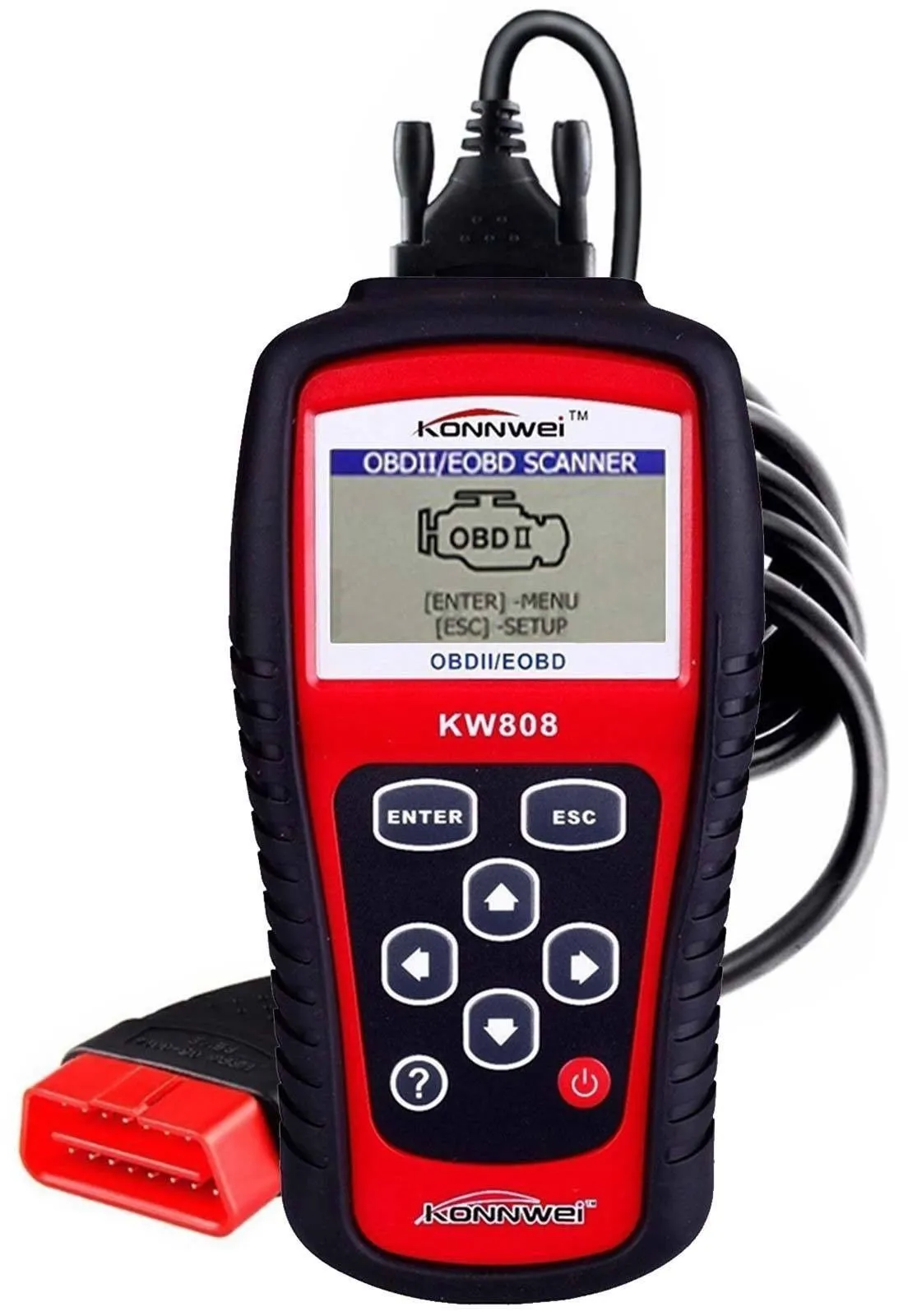
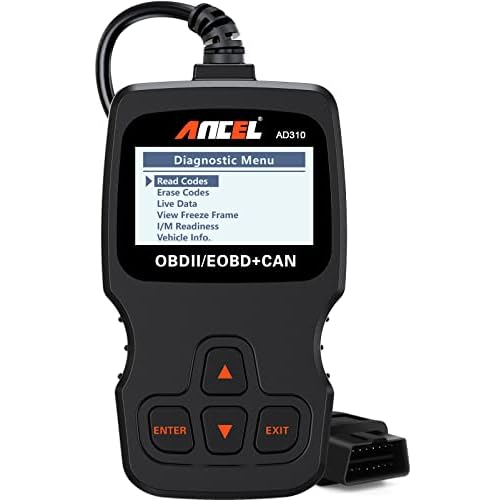
- Basic OBD-II Scanners: These entry-level devices read and clear generic powertrain DTCs (P0xxx codes) and provide basic live data. They are sufficient for diagnosing common check engine light issues on most Ford models, but often lack deeper system access.
- Mid-Range Ford-Specific Scanners: These tools offer enhanced capabilities, accessing manufacturer-specific codes (P1xxx, Bxxxx, Cxxxx, Uxxxx) for systems like ABS, airbags, transmission, body control, and climate control. They often support specific Ford live data parameters (PIDs) that generic scanners miss. This category often includes tools that work with software like FORScan, a popular and powerful diagnostic software for Ford, Lincoln, and Mercury vehicles.
- Professional/Dealer-Level Diagnostic Tools: These are the most advanced, offering bi-directional control, module programming, key programming, and in-depth troubleshooting for all vehicle systems. Examples include Ford’s own Integrated Diagnostic System (IDS) or Ford New Generation Diagnostic (FND), often paired with VCM-II or VCMM interface devices, or aftermarket tools with J2534 passthrough capabilities. These are essential for comprehensive diagnostics and repairs on 2026 and newer Ford models, handling their complex software and hardware integrations.
Research indicates that by 2026, over 70% of vehicle issues detected by professional technicians involve non-powertrain modules, underscoring the necessity of a Ford-specific code reader capable of reaching beyond generic OBD-II. For instance, diagnosing a fault in the blind-spot monitoring system of a 2026 Ford Explorer or recalibrating the adaptive cruise control on a Ford F-150 requires specialized functionality that only a mid-range or professional scanner can provide.

Key Benefits
Investing in a quality code reader for your Ford offers a multitude of advantages, transforming how you maintain and troubleshoot your vehicle. These benefits extend beyond merely reading codes, contributing to significant savings and peace of mind.
Cost Savings & DIY Empowerment
Avoid expensive dealership diagnostic fees. Research indicates that timely DIY diagnostics using a personal code reader can save Ford owners up to 30% in repair costs annually, primarily by identifying issues early and preventing unnecessary parts replacements. You gain the confidence to diagnose minor issues yourself.
Enhanced Vehicle Longevity & Performance
Early detection of minor faults before they escalate into major problems ensures your Ford runs efficiently and lasts longer. Monitoring live data, such as fuel trims or transmission temperatures (crucial for models like the Ford Super Duty), helps maintain optimal performance and prevent premature wear.
Improved Safety & Reliability
Diagnosing issues related to ABS, traction control, or airbag systems (B-codes, C-codes) allows you to address critical safety concerns promptly. A trusted code reader helps ensure your Ford’s safety systems are functioning as intended, providing peace of mind on the road.
Time Efficiency & Convenience
Instead of scheduling appointments and waiting at a service center, you can instantly read codes from your driveway. This immediate access to diagnostic information saves valuable time and allows for quicker resolution of issues.

Audible — Listen Free for 30 Days
One free credit a month and thousands of titles included.
Listen Free for 30 Days As an Amazon Associate I earn from qualifying purchases.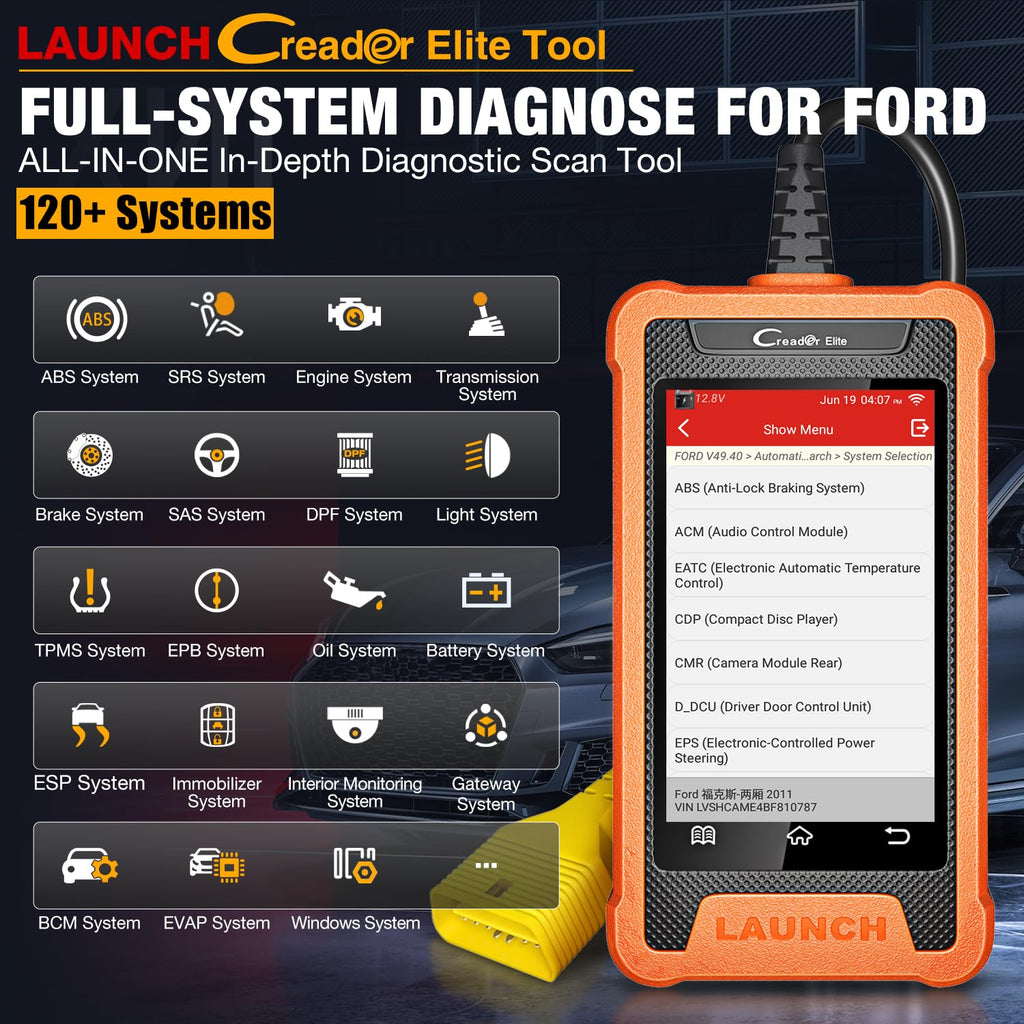
How It Works
Recommended Best Deal Products


Understanding how a code reader interfaces with your Ford is fundamental to leveraging its full potential. The process, while seemingly complex, follows a standardized communication protocol.
The OBD-II Standard & Beyond
Every Ford vehicle since 1996 is equipped with an OBD-II port, typically located under the dashboard on the driver’s side. This 16-pin trapezoidal connector serves as the gateway to the vehicle’s diagnostic systems. While the physical connection is standard, the underlying communication protocols and the depth of accessible data vary. Modern Ford vehicles, especially by 2026, utilize advanced CAN-based systems, offering rapid data exchange and supporting UDS for more intricate module communication. This allows access to Ford-specific PIDs (Parameter IDs) that generic tools often cannot interpret, such as cylinder head temperature on an EcoBoost engine or particulate filter saturation on a Power Stroke diesel.

📋
Step-by-Step Guide: Using Your Ford Code Reader
Locate the OBD-II port (usually under the dash, left of the steering column) and securely plug in your code reader. Ensure your Ford’s ignition is in the “ON” position (engine off for initial connection, or running for live data).
Follow the on-screen prompts of your scanner to “Read Codes.” The device will communicate with your Ford’s ECUs and retrieve any stored DTCs. Advanced Ford-specific scanners will access codes from multiple modules (e.g., PCM, TCM, ABS, BCM).
Each DTC provides a starting point for diagnosis. Many scanners offer built-in code definitions. For Ford-specific codes (e.g., P1xxx, Bxxxx), you might need to consult an online database or service manual. Freeze Frame Data captures sensor values at the moment a fault occurred, offering crucial context for diagnosis.
This is where professional diagnostics shine. Monitor real-time sensor readings such as engine RPM, coolant temperature, O2 sensor voltage, fuel pressure, and ignition timing. For Ford, specific PIDs like exhaust gas temperature (EGT) on Power Stroke engines or variable valve timing (VVT) parameters on EcoBoost engines offer critical insights into system health. Graphing multiple PIDs simultaneously can reveal intermittent issues.
Audible Premium Plus — Annual Membership
12 audiobook credits up front, plus the full Audible catalogue.
See Annual Plans As an Amazon Associate I earn from qualifying purchases.Once you’ve performed a repair, you can use the scanner to clear the DTCs and turn off the check engine light. It’s crucial to then drive the vehicle to allow its monitors to run and confirm the repair. If the code returns, further diagnosis is needed.
High-end Ford-specific tools offer bi-directional control, allowing you to command components (e.g., activate ABS pump, cycle solenoids, perform injector buzz tests on Power Stroke engines). Some can perform module programming, adaptation, and calibration, which is increasingly necessary for 2026 models with new component installations (e.g., configuring a new battery, recalibrating steering angle sensors).
When diagnosing a Ford, always cross-reference DTCs with Freeze Frame Data and live PID analysis. A P0420 (Catalyst System Efficiency Below Threshold) on its own is less helpful than knowing the engine load, RPM, and O2 sensor readings at the time the code was set. Ford’s proprietary PIDs are especially valuable here; for example, checking the boost pressure sensor (BPS) PID can quickly rule out turbo issues in an EcoBoost engine.
Clearing codes without addressing the underlying issue is a temporary fix that can lead to more severe damage. Furthermore, incorrect use of bi-directional control or module programming functions on advanced Ford systems can lead to vehicle immobilization or damage to expensive components. Always follow manufacturer guidelines and use reliable data sources.
Getting Started
Recommended Best Deal Products


Choosing the right code reader for your Ford, particularly considering models up to 2026, requires careful consideration of your specific needs, the vehicle’s complexity, and your technical proficiency. The market offers a wide array of options, each with its strengths.
Choosing the Right Reader for Your Ford
- Budget vs. Features: Basic OBD-II readers are inexpensive but limited. Mid-range Ford-specific tools offer a significant leap in capability for a reasonable investment, while professional systems command a premium for their extensive functionality.
- Compatibility (Model Years, Specific Systems): Always verify that the scanner supports your specific Ford model and year. For instance, a reader capable of diagnosing a 2010 F-150 might not fully support the advanced modules of a 2026 Bronco Sport. Look for tools that explicitly state support for Ford’s proprietary protocols and modules (e.g., ABS, SRS, BCM for newer Ford vehicles).
- User Interface & Ease of Use: Some readers have intuitive color screens and guided diagnostics, while others require connection to a laptop with specialized software (like FORScan). Choose a tool that matches your comfort level with technology.
- Updates & Support: Vehicle technology evolves rapidly. Ensure the manufacturer provides frequent software updates to maintain compatibility with newer Ford models and access the latest diagnostic features. Good customer support is also invaluable.
- Recommendations by User Level:
- Home User (Basic Check Engine Light): A basic handheld OBD-II scanner will suffice for simple P0xxx codes.
- Prosumer/Advanced DIYer (Multi-System Access, Live Data): A FORScan-compatible adapter (like an OBDLink EX or Vgate iCar Pro) combined with the FORScan software offers near-dealer level diagnostics for Ford at an accessible price point. This is an excellent choice for a professional DIY approach.
- Small Shop/Independent Mechanic (Bi-directional, Programming): Advanced multi-brand diagnostic scan tools or a J2534 passthrough device with a subscription to Ford’s factory diagnostic software (like IDS or FJDS) are necessary.
The Role of Software: FORScan and IDS/FND
For Ford vehicles, dedicated software plays a monumental role. FORScan is a powerful, community-supported software for Windows, iOS, and Android that, when paired with a compatible OBD-II adapter, allows users to access Ford-specific modules, read/clear proprietary codes, perform service functions, view extensive live data, and even modify certain vehicle parameters (known as “as-built” data changes). Its capabilities make it an incredibly reliable and popular choice for Ford enthusiasts and professionals alike.
For dealer-level functionality, Ford’s IDS (Integrated Diagnostic System) and its successor, FND (Ford New Generation Diagnostic), are the official factory tools. These require specialized hardware (like the VCM-II or VCMM interface) and a subscription to Ford’s online diagnostic resources. While costly, they provide ultimate capability, including module programming, software updates, and advanced calibrations for all Ford models, including the intricate systems of 2026 vehicles.
✅ Pros (Investing in a Ford-Specific Reader)
- Access to all Ford-specific DTCs (B, C, U codes)
- Deep insights with proprietary Ford PIDs and live data
- Ability to perform service resets and adaptations
- Potential for module coding/customization (e.g., FORScan)
- Significant cost savings over dealership diagnostics
❌ Cons (Investing in a Ford-Specific Reader)
- Higher initial investment compared to basic scanners
- Requires a learning curve for advanced features
- Potential for incorrect modifications if not used carefully
- Subscription costs for professional-grade software/updates
By The Numbers
Non-Powertrain Faults in Modern Fords
Average Repair Cost Savings with DIY Diagnostics
Ford Enthusiasts Relying on FORScan for Advanced Diagnosis
More ECUs in 2026 Fords vs. 2000 Models
As veteran Ford technician Sarah Chen states, “Understanding your Ford’s DTCs and live data is no longer a luxury; it’s a necessity for maintaining performance and safety, especially with the advanced systems in place by 2026. A quality Ford-specific code reader is the mechanic’s new wrench.” This sentiment perfectly encapsulates the shift in vehicle maintenance.
Conclusion
Navigating the intricate diagnostic landscape of modern Ford vehicles, particularly models up to 2026, necessitates a quality code reader. This guide has underscored several critical points:
- Ford vehicles’ increasing complexity demands tools beyond basic OBD-II scanners.
- Investing in a Ford-specific code reader offers substantial cost savings, improves safety, and enhances vehicle longevity.
- Understanding how to read, interpret, and act on diagnostic data is paramount for reliable vehicle maintenance.
Equip yourself with the right information and tools to confidently manage your Ford’s health. Choose a reader that aligns with your needs, leverage the power of Ford-specific software like FORScan, and take control of your vehicle’s diagnostics today.