2020 Ford Explorer TPMS Reset Button Location Solved

Are you currently staring at your dashboard, scanning every panel and menu for a hidden button to fix your persistent tire pressure light? You are not alone. Many 2020 Ford Explorer owners waste valuable time searching for a manual reset button that simply does not exist. In this guide, we clarify why there is no physical button, debunk common myths about system resets, and provide the correct electronic procedure to clear your TPMS warnings using factory-approved methods.
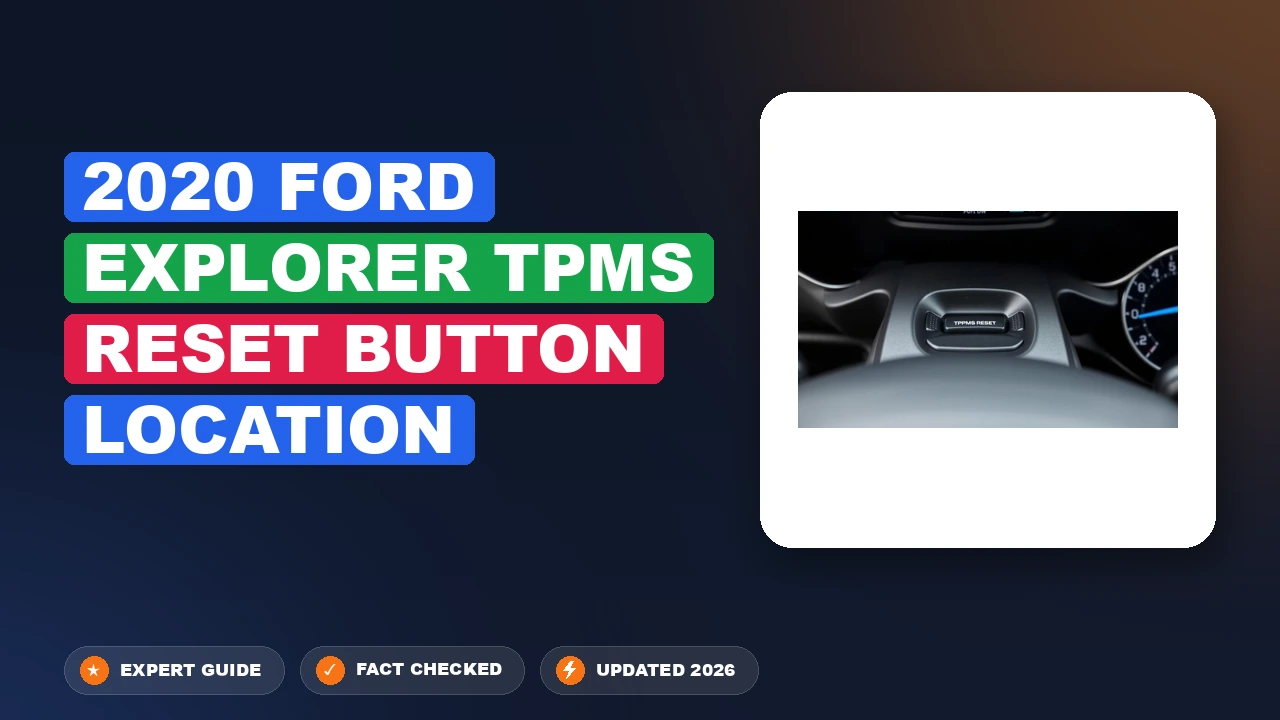
Why the 2020 Ford Explorer TPMS Reset Button Location Does Not Exist



📤 Share Image

Understanding the Direct TPMS Architecture
For those accustomed to older vehicle platforms, the transition to modern Ford electronics can be disorienting. In decades past, it was common to find a physical button tucked under the steering column or hidden in the glove box to trigger a reset. However, the 2020 Ford Explorer utilizes a Direct TPMS architecture. In this design, individual sensors mounted inside each wheel transmit real-time pressure data directly to the vehicle’s communication network. Because the system is automated, the “reset” function is handled by the software, rendering physical hardware switches obsolete.

The Role of the Body Control Module (BCM)
The Body Control Module (BCM) acts as the central brain for the TPMS. It continuously monitors the signal strength, battery health, and tire pressure values transmitted by the wheel sensors. When a discrepancy occurs, the BCM communicates with the instrument cluster to illuminate the warning light. Hunting for a non-existent physical button is not just a fruitless endeavor; it can lead to frustration and misdiagnosis of genuine hardware issues. The BCM is designed to perform a self-check every time the ignition is cycled, meaning a “soft reset” often occurs automatically when the vehicle satisfies its internal logic parameters.
Differentiating Between Low Pressure and System Faults
It is critical to distinguish between a “low pressure” warning and a “system fault.” If the tire pressure monitoring light remains solid while driving, it typically indicates that one or more tires have dropped below the recommended PSI. If the light flashes upon startup for approximately 60 seconds before remaining solid, the BCM has detected a technical fault, such as a dead sensor battery or a lost communication link. In the case of a flashing light, no reset button—even if one existed—would solve the underlying hardware failure.
Step-by-Step TPMS Relearn Procedure for 2020 Ford Explorer



📋
TPMS Initialization Process


Before attempting any reset, check all four tires with a high-quality tire pressure gauge. Inflate to the specifications found on the driver’s side door jamb sticker, not the number printed on the tire sidewall.
Navigate to the “Settings” menu on your dashboard instrument cluster. Select “Driver Assist,” then “Tire Pressure,” and trigger the “Relearn” command. The horn will honk to confirm the system is ready.
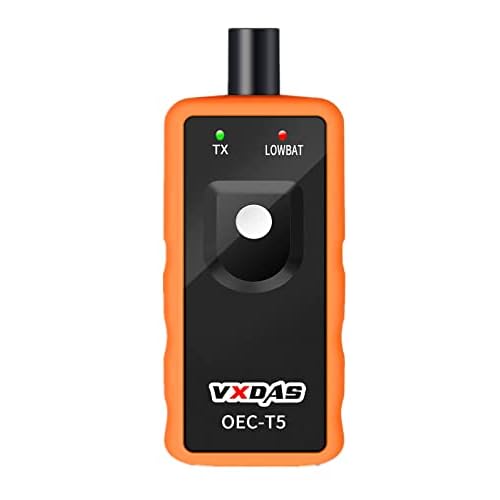
Starting at the driver-side front tire, point your TPMS activation tool at the sidewall near the valve stem. Press the trigger until the horn chirps. Repeat this for the passenger-front, passenger-rear, and driver-rear tires in order.
Troubleshooting 2020 Ford Explorer TPMS Reset Button Location Issues
When the system refuses to reset, hardware issues are often the culprit. Ignoring a flashing warning light can lead to degraded safety performance. Below are the common diagnostic pathways:
A Ford diagnostic scan tool can bridge the gap by pulling specific error codes from the BCM. This identifies which wheel sensor is unresponsive, saving you from trial-and-error replacements.
Be wary of cheap aftermarket sensors. Often, these units lack the correct frequency calibration, causing the BCM to reject the sensor during initialization, leading to a permanent fault light.
- Interpreting Light Patterns: A solid light means low pressure. A flashing light indicates a sensor fault, BCM communication failure, or a dead sensor battery.
- Valve-Stem Sensor Health: Standard OEM sensors have a lifespan of 5–10 years. If your 2020 model is showing frequent system faults, the sensor batteries may be nearing the end of their operational cycle.
- Professional Calibration: If the re-learn process fails repeatedly, the BCM may require a software refresh or “factory restore” from a certified technician to clear stuck error memory.
How Auto-Calibration Handles 2020 Ford Explorer TPMS Resets
Modern Ford vehicles are engineered with auto-calibration capabilities, which serve as a failsafe for the average driver. If you have inflated your tires to the correct pressure after a “low pressure” warning, the vehicle does not always require a manual relearn procedure.
Driving Conditions for Auto-Calibration
To trigger the system’s “fresh start” without a tool, you must drive the vehicle under specific conditions. Generally, this requires maintaining a speed above 20 mph (32 km/h) for approximately 15 to 20 minutes of continuous driving. During this time, the BCM samples the pressure data from each sensor. Once the sensors report values within the acceptable range for a consistent period, the system will automatically perform a “reboot” and extinguish the warning light.
Limitations of Passive Monitoring
While auto-calibration is convenient, it has limitations. If you have rotated your tires, the system may initially struggle to associate the sensors with their new positions. In such cases, the system will eventually map the positions correctly, but manual triggering via the diagnostic menu is the preferred method to ensure an immediate, accurate update.
If you frequently swap between summer and winter tire sets, investing in a mid-range TPMS activation tool is highly recommended. It saves time and ensures your sensors are properly registered to the BCM without needing a dealership visit.
By The Numbers
Required Drive Time for Auto-Relearn
Average Sensor Battery Life
The 2020 Ford Explorer uses an automated, electronic TPMS, meaning you will never find a physical reset button regardless of your trim level. For standard pressure adjustments, the system will often restore itself through normal driving; for tire rotations or sensor replacements, the digital relearn process is the standard. Always verify tire pressure with a manual gauge before assuming a system error, and remember that a flashing warning light warrants a professional diagnostic check to protect your vehicle’s BCM and sensor network. Refer to your owner’s manual for trim-specific menu navigation, and consider keeping a reliable TPMS activation tool in your kit for seamless maintenance.
2020 Ford Explorer Tpms Reset Button Location: Frequently Asked Questions
Can I reset the TPMS through the touchscreen menu?
No, the 2020 Ford Explorer does not include a TPMS reset option within the SYNC 3 touchscreen menu. The system is designed to be fully automated. Any interaction with the TPMS occurs strictly through the sensor-to-BCM communication process while the vehicle is in motion, meaning the touchscreen is not required for resetting the system after tire adjustments.
Do I need a tool to reset my tire pressure light?
For basic resets after pressure adjustment, you do not need a tool; you only need to drive the vehicle. However, if you are replacing a sensor, a professional TPMS activation/relearn tool is required to sync the new sensor ID to the vehicle’s computer. Without this tool, the BCM will not recognize the new hardware during the standard drive cycle.
Does rotating tires require a TPMS relearn procedure?
No manual relearn procedure is required. The 2020 Ford Explorer is equipped with an auto-location feature. Once you perform a rotation and drive the vehicle for several minutes at highway speeds, the system identifies the new position of each tire sensor automatically. You do not need to push buttons or use a tool to ‘tell’ the car that the tires have moved.
Why does my TPMS light stay on after inflating tires?
The light often stays on because the vehicle has not yet completed its ‘drive cycle’ required to confirm the pressure increase. The sensors typically update the BCM once the vehicle reaches speeds over 20 mph. If you have inflated the tires and driven for over 10 minutes without the light turning off, you may have a faulty sensor or an incorrect pressure reading.
What is the difference between a solid and flashing TPMS light?
A solid TPMS light indicates that one or more of your tires are significantly under-inflated. A flashing light, which usually persists for about 60 seconds before remaining solid, indicates a system fault. This means the onboard computer cannot communicate with one or more sensors, suggesting a dead sensor battery, damaged hardware, or a significant electrical interference issue that requires professional attention.