2013 Ford F150 Speaker Size: Complete Door & Cab Guide

The standard factory speaker size for the 2013 Ford F-150 is 6×8 inches for both the front and rear doors. This dimension remains consistent across Regular, SuperCab, and SuperCrew models, though Sony Premium systems add specific tweeters and a center channel.
🎯 Key Takeaways
Recommended Best Deal Products


- Standard factory speakers are 6×8 inches in all four doors.
- Cab configuration does not change the primary door speaker dimensions.
- 6.5-inch round speakers are compatible using standard adapter brackets.
- Sony Premium models include 1-inch A-pillar tweeters and a center speaker.
- 5×7 speakers are a direct-fit alternative to the 6×8 factory size.
- Wiring harnesses are recommended to avoid cutting factory speaker plugs.
If you are looking to upgrade the sound in your 2013 Ford F-150, the most important number you need to know is 6×8 inches. This is the standard factory speaker size for both the front and rear doors across almost every trim level and cab configuration. Whether you drive a work-ready XL or a luxury Limited, Ford utilized this oval-shaped footprint to provide a consistent audio experience throughout the cabin.

Prime for Young Adults — 6 Months Free
Students and 18–24s get six months of Prime free, then half price.
Start 6 Months Free As an Amazon Associate I earn from qualifying purchases.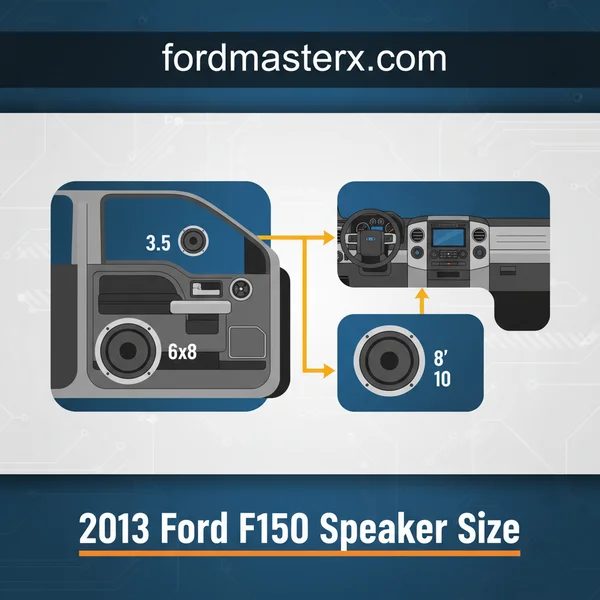
Getting this dimension right is the difference between a simple “drop-in” installation and a frustrating afternoon of cutting metal or drilling new holes. Because the factory speakers are often made of paper cones with small magnets, they tend to lose their punch after a decade of use. Replacing them with high-quality aftermarket speakers is the fastest way to improve your clarity and volume without needing to overhaul your entire dashboard or head unit.
Understanding Standard 2013 F-150 Speaker Dimensions
The 2013 Ford F-150 is famous for its “Ford-Standard” speaker sizing. For years, Ford utilized the 6×8-inch speaker as their go-to driver. In your 2013 model, this oval speaker is the primary source of audio for your mid-range and bass frequencies. It is important to note that while the speakers are technically 6×8, most 5×7-inch aftermarket speakers will also fit perfectly, as many manufacturers design them with multi-hole brackets to accommodate both sizes.

Front and Rear Door Locations
In the front doors, you will find a 6×8 speaker mounted toward the bottom front corner of the door panel. There is generally plenty of depth in the front doors, meaning you can install speakers with larger magnets without worrying about the window glass hitting the back of the speaker when rolled down. In the rear doors, the size remains a 6×8-inch oval. Consistency is key here; you can effectively buy two pairs of the same speakers to refresh all four main corners of your truck.
- Front Doors: 6×8 inches (5×7 compatible).
- Rear Doors (All Cabs): 6×8 inches (5×7 compatible).
- Mounting Depth: Approximately 3 to 3.5 inches, which fits most standard aftermarket drivers.
- Factory Shape: Oval, held in by four 5.5mm or 6mm screws.
Does Cab Style Change Speaker Size?
One of the most common questions is whether the Regular Cab, SuperCab (extended), or SuperCrew models use different speakers. The answer is a definitive no regarding the door speakers. While the physical shape of the rear door changes between the SuperCab (suicide-style doors) and the SuperCrew (full-size rear doors), the internal speaker mounting bracket remains a standard 6×8. You do not need to hunt for specialized “slim” speakers for the smaller rear doors of a SuperCab, as the internal cavity provides sufficient clearance for standard 6×8 upgrades.
2013 Ford F-150 Audio Upgrade Made Easy: Your Essential Action Plan
Recommended Best Deal Products



The 2013 Ford F-150 remains one of the most popular trucks on the road, but its factory audio system often leaves much to be desired, especially after a decade of use. Whether you have the base XL trim or a loaded Platinum with the Sony Sound System, upgrading your speakers is the single most effective way to improve your driving experience. This guide covers everything you need to know about the 2013 Ford F-150 speaker size, the specific tools required for the job, and a detailed walkthrough to ensure your installation looks and sounds professional. By following these steps, you will avoid common pitfalls like broken door clips or phase-reversed wiring, ensuring a crisp, punchy sound for miles to come.
Step 1: Confirming Speaker Sizes and Gathering Components
What you need: Research notes, four 6×8-inch coaxial speakers, and Metra 72-5600 wiring harnesses.
Instructions: Before you turn a single screw, you must confirm your hardware. The 2013 Ford F-150 uses 6×8-inch speakers in both the front and rear doors across all cab configurations (Regular, SuperCab, and SuperCrew). While many 5×7-inch speakers will also fit, 6×8 is the native size. If your truck features the premium Sony system, you also have a 3.5-inch center channel speaker in the dash and 1-inch tweeters in the A-pillars. For this walkthrough, we are focusing on the four main door speakers. Purchase a set of “plug-and-play” wiring adapters, such as the Metra 72-5600, which allow you to connect new speakers to the factory Ford harness without cutting or soldering any wires.
Pro Tip: Avoid “universal” speakers that require drilling new holes. Stick to high-quality 6×8-inch models from reputable brands to ensure the mounting holes align perfectly with the factory locations.
Step 2: Preparing Your Vehicle and Toolkit
What you need: 7mm socket, 8mm (or 5.5mm) socket, ratchet, plastic trim removal tools, and a small flat-head screwdriver.

Audible — Listen Free for 30 Days
One free credit a month and thousands of titles included.
Listen Free for 30 Days As an Amazon Associate I earn from qualifying purchases.Instructions: Safety and organization are paramount. Park your truck on a level surface and engage the parking brake. It is highly recommended to disconnect the negative terminal of your battery to prevent any electrical shorts while handling the speaker wires. Gather your tools and set up a clean workspace, such as a folding table or a clean patch of grass, to hold the door panels once they are removed. Using plastic trim tools instead of metal screwdrivers is essential; metal will mar the soft plastic of the F-150’s interior door panels, leaving permanent gouges. Ensure you have a small container to hold the various screws you will remove, as they are easily lost in the carpet.
Pro Tip: Place a moving blanket or a piece of cardboard on the ground next to the door to protect the interior panel’s finish when you set it down.
Step 3: Removing the Front Door Panel Screws
What you need: Plastic trim tool, 7mm socket, and a small flat-head screwdriver.
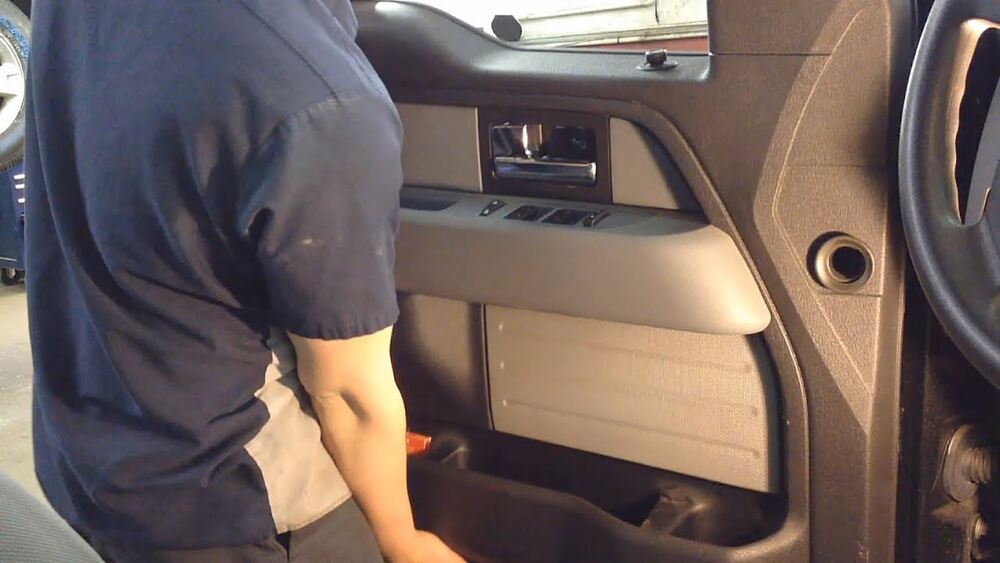
Instructions: The 2013 F-150 door panels are held by a combination of screws and plastic hooks. Start by using your small flat-head screwdriver to pop off the small plastic rectangular cover located directly behind the interior door handle. Behind this, you will find one 7mm screw. Next, look at the pull-cup (the handle you use to close the door); remove the small rubber mat at the bottom to reveal another 7mm screw. Finally, move to the very bottom of the door panel. There are two 7mm screws located on the bottom edge that secure the panel to the metal door frame. Carefully remove all four screws and place them in your container.
Pro Tip: If the screw behind the door handle doesn’t come out easily, use a magnetized socket to prevent it from falling into the door cavity.
Step 4: Detaching the Door Panel and Wiring
What you need: Physical strength and a steady hand.
Instructions: Unlike many vehicles that use “pop-in” clips, the 2013 F-150 door panels use “lift-off” hooks. Once the screws are out, grab the door handle and the bottom of the panel. Lift the entire panel vertically about two inches. You will feel the hooks release from the door frame. Do not pull the panel away too quickly! There are still several connections behind it. You will need to reach behind the panel and squeeze the tabs on the power window/lock wiring harnesses to disconnect them. Additionally, you must unclip the interior door handle cable. This is usually done by squeezing the plastic tabs on the cable housing and sliding the metal “ball” end out of the handle’s slot.
Pro Tip: Having a second person hold the panel while you disconnect the wires makes this step significantly safer and easier for your truck’s wiring.
Step 5: Removing the Factory Speaker
What you need: 5.5mm or 8mm socket (varies by trim) and a ratchet.
Instructions: With the door panel removed and set aside, the factory 6×8 speaker is now fully exposed. It is held in place by four screws. Depending on your specific build date, these will typically be 5.5mm or 8mm screws. Support the speaker with one hand while removing the final screw to prevent it from falling. Once the screws are removed, pull the speaker away from the door. You will see a single wiring plug connected to the back of the speaker. Press the release tab and pull the connector out. You can now discard the factory paper-cone speaker, which likely felt very light and flimsy compared to your new aftermarket replacements.
Audible Premium Plus — Annual Membership
12 audiobook credits up front, plus the full Audible catalogue.
See Annual Plans As an Amazon Associate I earn from qualifying purchases.Pro Tip: Inspect the speaker cavity for any signs of water or rust. This is the perfect time to wipe down the interior door skin if it has collected dust or debris.
Step 6: Installing the New Speaker and Harness
What you need: New 6×8 speakers, Metra 72-5600 adapters, and original mounting screws.
Instructions: Take your Metra 72-5600 wiring adapter and plug the white plastic end into the truck’s factory wiring harness. It should click into place securely. Connect the two slide-on terminals to your new speaker. Note that the larger terminal is usually positive (+) and the smaller one is negative (-). Once connected, seat the speaker into the factory hole. Align the four mounting holes in the speaker frame with the holes in the truck door. Hand-start all four of the original screws you removed in Step 5. Once they are all threaded, tighten them down with your ratchet. Do not over-tighten, as you are screwing into plastic clips that can strip if too much force is applied.
Pro Tip: Apply a small strip of foam weatherstripping tape around the edge of the speaker’s mounting surface to create an airtight seal, which significantly improves bass response.
Step 7: Testing the Audio and Reassembling the Door
What you need: Truck key and your favorite test track.
Instructions: Before putting the door panel back on, you must verify the speaker works. Temporarily reconnect the power window/lock switches to the door panel wiring (you don’t need to mount the panel yet). Turn the truck to the “ACC” position and play some music. Use the balance and fader controls on your head unit to isolate the speaker you just installed. Listen for clarity and check for any rattling. Once confirmed, reverse the disassembly process: reconnect the door handle cable and all electrical plugs, then line up the hooks on the back of the door panel with the slots in the door frame. Slide the panel down until it seats firmly. Replace the four 7mm screws and the plastic trim covers.
Pro Tip: Always test the window operation (roll it all the way down and up) before final assembly to ensure the new speaker or wiring isn’t obstructing the window glass path.
✅ Final Checklist
- Confirm all four 7mm screws (per door) are tightened and trim covers are snapped back into place.
- Verify that the interior door handle operates correctly and opens the door from the inside.
- Ensure power windows and lock switches function correctly on all upgraded doors.
- Check the fader/balance settings on the radio to ensure no speakers are “out of phase” (thin, hollow sound).
- Clear any tools or debris from the door pockets and cabin floor.
Important Notes:
- Safety: Always be careful of sharp metal edges inside the door cavity; wearing mechanic’s gloves is recommended.
- Professional Help: Seek a professional if you find custom wiring from a previous owner or if you wish to install 6.5-inch round speakers, which require custom adapter plates.
- Estimated Time: 45–60 minutes per door for beginners; 2 hours for the full truck.
- Cost Range: $60–$200 for a full set of four 6×8 speakers, plus $15–$25 for wiring harnesses.
Compatibility Variations: Sony Premium vs. Base Audio Systems
While the physical door speaker sizes are identical across trims, the type of speaker and the total count will vary depending on if your truck has the Sony Premium Audio package or the standard Base system. If your truck has the “Sony” logo on the door tweeters or the center dash tray, your wiring and speaker configuration are slightly more complex than the base model.
Identifying Your Factory Setup
The base audio system is a straightforward four-speaker setup (one in each door). In this configuration, the door speakers are “full-range,” meaning they try to handle all the high and low notes at once. If you have the Sony system, your truck likely has 10 speakers total. This includes a dedicated center channel, tweeters in the A-pillars, and a subwoofer under the rear seat. In the Sony system, the door speakers act more like “mid-bass” drivers because the higher frequencies are routed to the separate tweeters.
- Base System: 4 speakers total (all 6×8).
- Sony Premium System: 10 speakers total, including a 3.5-inch center channel and 1-inch tweeters.
- Amplification: Sony systems use an external amplifier (usually under the center console), whereas base systems are powered directly by the radio.
Using 6.5-inch Round Speakers with Adapters
If you are an audiophile, you might notice that there are more high-end options available in a 6.5-inch round format than the traditional 6×8 oval. You are not strictly limited to the factory size. By using an adapter plate (often made of plastic or MDF), you can mount a 6.5-inch round speaker into the 6×8 factory opening. Many enthusiasts prefer this because round speakers often provide better structural integrity for the cone, leading to more accurate sound reproduction. However, if you want the easiest possible installation, sticking with the 6×8 size ensures you won’t need these extra mounting brackets.
When choosing between 6×8 and 6.5-inch speakers, consider your goals. A 6×8 speaker provides more surface area, which can translate to slightly better bass response when running off a factory radio. A 6.5-inch round speaker, when paired with an aftermarket amplifier, often provides better “imaging” and clarity for high-fidelity listening.
Benefits of Upgrading to 6.5-inch Components with Adapters
Recommended Best Deal Products


While the 6×8-inch size is the direct factory replacement, many 2013 Ford F-150 owners choose to pivot toward 6.5-inch round speakers. This is a popular “pro-tip” in the car audio world because round speakers typically offer more uniform cone movement, which results in better sound accuracy and less distortion at higher volumes.
Superior Sound Imaging and Component Systems
The biggest advantage of moving to a 6.5-inch setup is the ability to use a component speaker system. In a component set, the woofer and the tweeter are separate pieces. This allows you to mount the woofer in the lower door and the tweeter higher up on the A-pillar or sail panel. This separation raises the “sound stage,” making it feel like the band is performing on your dashboard rather than playing at your ankles.
- Better Material Quality: Premium manufacturers like Focal, JL Audio, and Morel focus their best technology on 6.5-inch designs.
- Enhanced Customization: Using an adapter bracket (often made of durable ABS plastic) makes the 6.5-inch speaker fit perfectly into the 6×8-inch factory hole.
- Better Mid-Bass: High-end 6.5-inch drivers often feature larger magnets and better surrounds than their oval counterparts.
The Versatility of Adapter Brackets
Don’t let the different shape scare you off. Aftermarket adapter plates are inexpensive and often included with your purchase from reputable audio retailers. These plates ensure a weather-tight seal against the door panel, which is crucial for maintaining bass response. Plus, if you ever decide to sell the truck, you can easily swap the factory 6x8s back in and keep your premium 6.5-inch speakers for your next vehicle.
Key Factors When Selecting Aftermarket Speakers for Your F-150
Choosing the right size is only half the battle; you also need to ensure the technical specs of the speakers match the 2013 F-150’s electrical system. Whether you have the base stereo or the Sony Premium system, these factors will determine how much of a “wow” factor you get from your investment.
Power Handling: RMS vs. Peak
When browsing speakers, ignore the “Peak Power” number on the box—it’s mostly marketing fluff. Focus on the RMS (Root Mean Square) rating. This tells you how much continuous power the speaker can handle. If you are keeping the factory head unit, look for speakers with a lower RMS requirement (around 30-50 watts). If you plan to add an external amplifier, you can opt for high-performance speakers rated at 75-100 watts RMS or more.
Sensitivity and Impedance
For F-150 owners sticking with the factory radio, sensitivity is your best friend. A speaker with a high sensitivity rating (90dB or higher) requires less power to produce a clear, loud sound. In terms of impedance, almost all 2013 F-150 systems are designed for 4-ohm speakers. Installing 2-ohm speakers on a factory non-Sony head unit can cause overheating or damage to the internal amp.
- Mounting Depth: Ensure the speakers aren’t too deep (usually over 3 inches) or they may interfere with the window glass when it rolls down.
- Tweeter Material: Silk dome tweeters provide a warm, smooth sound, while metal or poly domes are brighter and crisper.
- Frequency Response: Look for a wide range (e.g., 50Hz to 20kHz) to ensure you aren’t missing the low-end thump or the high-end shimmer.
Conclusion: Transforming Your F-150’s Audio
Upgrading the speakers in your 2013 Ford F-150 is one of the most rewarding DIY projects you can tackle. By sticking with the standard 6×8-inch size for a drop-in fit or choosing 6.5-inch components for an audiophile-grade experience, you can finally eliminate the muddy, muffled sound of factory paper cones. Remember to always prioritize RMS ratings and check your mounting depth before clicking “buy.”
Ready to start? Your next steps are to set a budget and decide if you want the simplicity of coaxial speakers or the precision of a component system. Once you have your gear, grab a set of wiring harnesses to make the connection “plug and play.” Enjoy the clarity of your favorite tracks on your next drive!
❓ Frequently Asked Questions
Does the cab style (SuperCrew vs. SuperCab) affect speaker size?
The cab style does not affect the speaker dimensions; the 2013 F-150 uses 6×8-inch speakers in both front and rear doors across all configurations, including Regular Cab models.
What size are the tweeters in the Sony Premium sound system?
The Sony Premium system features 1-inch tweeters located in the A-pillars. While most aftermarket 1-inch tweeters fit, you may need to use a backstrap or adhesive to secure them in the factory housing.
Is there a difference between 5×7 and 6×8 speakers for this truck?
In most Ford vehicles, including the 2013 F-150, 5×7 and 6×8 speakers are interchangeable because they share the same mounting bolt pattern and physical footprint.
What is the factory subwoofer size in the 2013 F-150?
For trucks equipped with the Sony system, the factory subwoofer is an 8-inch driver located in an enclosure beneath the rear passenger-side seat.
Will I need to cut my factory wiring to install new speakers?
No, you can purchase vehicle-specific wiring adapters (like the Metra 72-5600) that plug directly into the factory harness, allowing for a completely reversible installation.
What are the depth limitations for the front door speakers?
The 2013 F-150 front doors have ample space, accommodating most speakers with a mounting depth up to 3 inches without interfering with the window mechanism.