Engine Warming Wait to Start: Causes & Safety Guide

The ‘Engine Warming, Wait to Start’ message is a vital safety protocol, primarily in diesel vehicles, indicating that glow plugs or intake heaters are pre-conditioning the combustion chamber. Ignoring this message can lead to difficult starts, excessive battery drain, and long-term damage to the starter motor and engine components.
🎯 Key Takeaways
- Wait for the indicator to turn off before cranking the engine.
- Glow plugs are essential for diesel combustion in cold weather.
- Warming cycles typically last between 2 and 15 seconds.
- Bypassing the wait cycle increases wear on the starter motor.
- Frequent messages in warm weather may indicate a sensor fault.
The “Engine Warming, Wait to Start” message is a direct communication from your vehicle’s Engine Control Unit (ECU) stating that the combustion chambers are currently too cold to support ignition. Unlike gasoline engines that use spark plugs to create a localized explosion, diesel engines rely on high-pressure compression to generate heat. When the engine block and the intake air are freezing, the heat generated by compression is instantly absorbed by the cold metal, preventing the diesel fuel from reaching its flash point. Starting your car immediately when this light is active usually results in a “no-start” condition or a very rough, smoky idle.

Prime for Young Adults — 6 Months Free
Students and 18–24s get six months of Prime free, then half price.
Start 6 Months Free As an Amazon Associate I earn from qualifying purchases.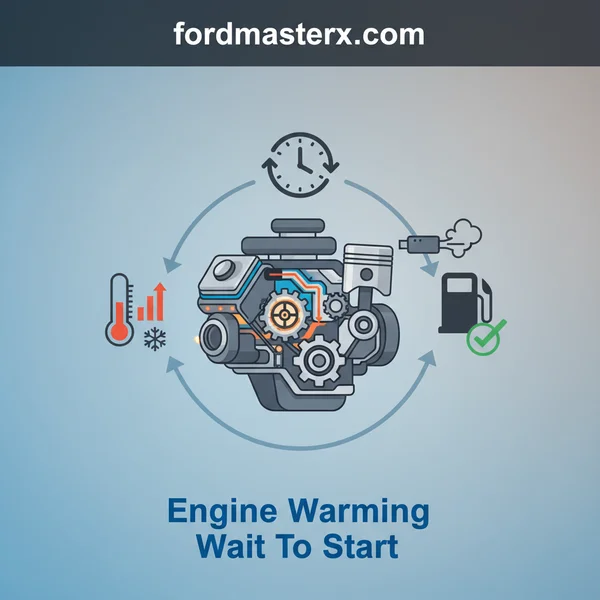
Waiting for this message to clear is essential for the long-term health of your powertrain. When you try to bypass this pre-heating phase, you force your starter motor to crank for an extended period, which drains your battery and creates excessive wear on the flywheel. By allowing the system to complete its heating cycle, you ensure that the fuel atomizes correctly and ignites the moment the piston reaches the top of its stroke. This simple pause saves your electrical system from unnecessary strain and prevents unburnt fuel from coating your exhaust sensors.
The Science of Pre-Heating: Glow Plugs and Intake Heaters
Your engine uses one of two primary methods to overcome cold ambient temperatures: glow plugs or intake air heaters. These components act like the heating elements in a toaster, converting electrical energy from your battery into intense thermal energy within seconds. Their goal is to raise the internal temperature of the cylinders to at least 400°F to 500°F, which is the threshold required for diesel fuel to ignite under pressure during a cold start.

How Glow Plugs Create Instant Heat
Glow plugs are small, pencil-shaped heaters located inside each individual cylinder. When you turn your key to the “on” position, the ECU sends a high-amperage current to these plugs. Within three to five seconds, the tips of the glow plugs can reach temperatures exceeding 1,800°F. This creates a “hot spot” in the combustion chamber. When the fuel injector sprays a fine mist of diesel, it hits this glowing tip and ignites instantly, regardless of how cold the surrounding engine block is.
- Direct Heating: Glow plugs heat the air and the cylinder walls simultaneously.
- After-Glow Phase: In many modern trucks, glow plugs remain active for several minutes after the engine starts to reduce white smoke and engine noise.
- Individual Failure: If one glow plug fails, your engine might start but will likely stumble or “miss” on that specific cylinder until the block warms up.
Intake Air Heaters: Warming the Breath of the Engine
Some larger diesel engines, particularly those from Cummins, use a single intake air heater (or grid heater) instead of individual glow plugs. This is a large heating element located in the intake manifold. Instead of heating the cylinder itself, it heats the massive volume of air passing into the engine. Because it has to warm a large flow of air, it often pulls a massive amount of current from your batteries, which is why you may notice your interior lights or dashboard dim while the “Wait to Start” light is active.
Impact of Ambient Temperature on Engine Ignition Cycles
The duration of the “Wait to Start” message is not a fixed timer; it is a dynamic calculation based on current environmental conditions. Your vehicle uses an ambient air temperature sensor and an engine coolant temperature sensor to determine exactly how much pre-heating is required. The colder the weather, the longer the wait. Understanding this relationship helps you anticipate how your vehicle will behave in different seasons.
The Relationship Between Degrees and Delay
In mild weather, such as 50°F (10°C), you may not see the warning at all, or it may flash for less than a second. However, as temperatures drop toward the freezing point and below, the heating requirements increase exponentially. This is because cold air is denser and requires more energy to reach ignition temperature. Additionally, cold oil provides more resistance, making it harder for the engine to reach the “cranking speed” necessary to assist in the heating process.
- Above 40°F (4°C): Expect a 0 to 2-second wait time.
- 32°F to 10°F (0°C to -12°C): Expect a 5 to 10-second wait time.
- Below 0°F (-18°C): The system may require 15 to 30 seconds of pre-heating.
- Extreme Cold: In sub-zero temperatures, the ECU may even cycle the heaters twice before allowing a start attempt.
Why Modern Systems Are Faster But Still Essential
You might notice that older diesel trucks required a 30-second wait, while modern systems are ready in under five seconds. This is due to “rapid-glow” technology and high-pressure common rail fuel systems. Modern glow plugs use ceramic materials that heat up much faster than the old metallic versions. Furthermore, modern injectors spray fuel at much higher pressures (up to 30,000 PSI), creating a finer mist that ignites more easily. Even with these advancements, the physics of cold metal remains the same. The system still needs that brief window of time to counteract the “heat sink” effect of a frozen engine block.
If you ignore the light in modern vehicles, the ECU may actually delay the starter engagement automatically. This is a built-in safety feature to prevent you from “dry cranking” the engine and damaging the high-pressure fuel pump, which relies on consistent engine rotation to maintain lubrication and pressure. Always let the computer finish its diagnostic and heating routine before you attempt to turn the engine over.
Risks Associated with Bypassing the Pre-Warm Sequence
When you see that “Wait to Start” light, your engine is asking for a few moments to prepare for the intense friction and heat of operation. Bypassing this sequence might save you thirty seconds now, but it often leads to expensive repairs down the road. Ignoring the pre-warm phase is essentially forcing an engine to run before its components are physically ready to work together.

Audible — Listen Free for 30 Days
One free credit a month and thousands of titles included.
Listen Free for 30 Days As an Amazon Associate I earn from qualifying purchases.
Accelerated Internal Engine Wear
Modern diesel engines rely on tight tolerances. When the engine is cold, internal components like pistons and cylinder walls haven’t expanded to their optimal operating size. Cranking the engine prematurely causes metal-on-metal friction that wouldn’t occur if the combustion chamber were properly pre-heated. Over time, this results in a loss of compression and reduced engine life.
- Cylinder Wash: Unburnt fuel from a cold start can wash away the lubricating oil on cylinder walls, leading to “scuffing.”
- Thermal Shock: Rapidly heating a freezing engine block by forcing a start can cause microscopic cracks in the cylinder head.
- Piston Damage: Incomplete combustion causes soot buildup, which can stick to piston rings and cause them to fail prematurely.
Strain on the Electrical System
Your battery and starter motor bear the brunt of a bypassed warming sequence. Diesel fuel is harder to ignite when cold, meaning the starter has to spin the engine longer and faster to achieve internal combustion. This creates a massive “amp draw” that can drain a battery’s remaining life in just a few attempts.
- Starter Overheating: Prolonged cranking sessions can burn out the internal copper windings of your starter motor.
- Battery Sulfation: Repeatedly draining the battery to its limits during cold starts significantly shortens its overall lifespan.
- Solenoid Fatigue: The clicking sound you hear during a failed start is often the result of the starter solenoid struggling under low voltage.
Identifying Symptoms of a Failing Engine Heating System
Understanding when your engine’s heating system is on the fritz is the best way to avoid being stranded on a freezing morning. Most systems, whether they use glow plugs or intake heaters, will give you subtle “warning shots” before they fail completely. Keeping an eye—and an ear—out for these signs can save you from a costly tow truck bill.
Hard Starts and Abnormal Exhaust Smoke
If your engine eventually starts but takes several tries or sounds like a “bag of hammers” for the first minute, your heating system is likely compromised. This is often accompanied by clouds of smoke from the tailpipe. The color of this smoke is a major clue to what is happening inside the combustion chamber.
- White Smoke: This is often unburnt fuel misting out of the exhaust because the cylinders weren’t hot enough to ignite it properly.
- Rough Idling: A “stumbling” idle immediately after starting suggests that one or more glow plugs aren’t working, leaving certain cylinders cold.
- Engine “Galloping”: This rhythmic surging occurs when the engine is fighting to stay running while cold.
Irregular Dashboard Indicators
The “Wait to Start” light is your primary diagnostic tool. While it normally turns off after a few seconds, any change in its behavior is a red flag. If the light behaves erratically, the problem might be the heater itself or the relay that controls it.
- Flashing Light: In many vehicles, a flashing “Wait to Start” or glow plug light indicates a stored error code in the Engine Control Unit (ECU).
- No Light at All: If the light never appears, even in freezing weather, you may have a blown fuse, a dead bulb, or a failed heater controller.
- Extended Stay: If the light stays on for several minutes without turning off, the system may have a short circuit, which can actually melt the heaters if left unaddressed.
Conclusion
Patience is a virtue, especially when it comes to the health of your engine. The “Wait to Start” sequence isn’t just a suggestion; it is a critical safety and maintenance procedure designed to protect your vehicle’s most expensive components. By respecting the pre-warm phase and keeping an eye out for symptoms of failure, you ensure that your engine remains reliable, efficient, and powerful for years to come.
Next Steps: Take a moment tomorrow morning to really listen to your engine during its startup sequence. If you notice any of the smoke or sound symptoms mentioned above, schedule a diagnostic check-up for your glow plugs or heater grid. A small investment in maintenance today prevents a massive headache during the next cold snap. Stay safe and keep those engines warm!
❓ Frequently Asked Questions
What is actually happening when the ‘Wait to Start’ message appears?
The vehicle’s Engine Control Unit (ECU) is activating glow plugs or an intake air heater. These components rapidly heat the air or the cylinder walls to ensure the fuel-air mixture reaches the auto-ignition temperature required for a smooth start.
Why does my car only show this message during the winter months?
In cold weather, the metal engine block acts as a heat sink, pulling heat away from the compressed air inside the cylinders. The pre-heating system compensates for this thermal loss, and the ECU only triggers it when sensors detect low ambient temperatures.
Can I damage my battery by waiting for the engine to warm up?
No, the power draw for glow plugs is managed by the system and is significantly less taxing than the high-amperage draw of a ‘hard start’ caused by trying to crank a cold, un-prepped engine.
Audible Premium Plus — Annual Membership
12 audiobook credits up front, plus the full Audible catalogue.
See Annual Plans As an Amazon Associate I earn from qualifying purchases.What does it mean if the ‘Wait to Start’ light flashes while I’m driving?
A flashing light usually indicates a diagnostic fault within the pre-heating system, such as a burnt-out glow plug or a control module error. It is distinct from the solid light seen during the initial startup sequence.
Does the ‘Wait to Start’ message affect fuel economy?
Indirectly, yes. By ensuring a complete and clean combustion cycle from the moment of ignition, the pre-heating system prevents the engine from running ‘rich’ and wasting fuel during the first few minutes of operation.
Are there any modern alternatives to traditional glow plug warming?
Some high-end modern diesels use ceramic glow plugs that reach peak temperature in less than two seconds, or advanced intake grid heaters that warm the entire volume of air entering the engine, making the wait time almost unnoticeable.