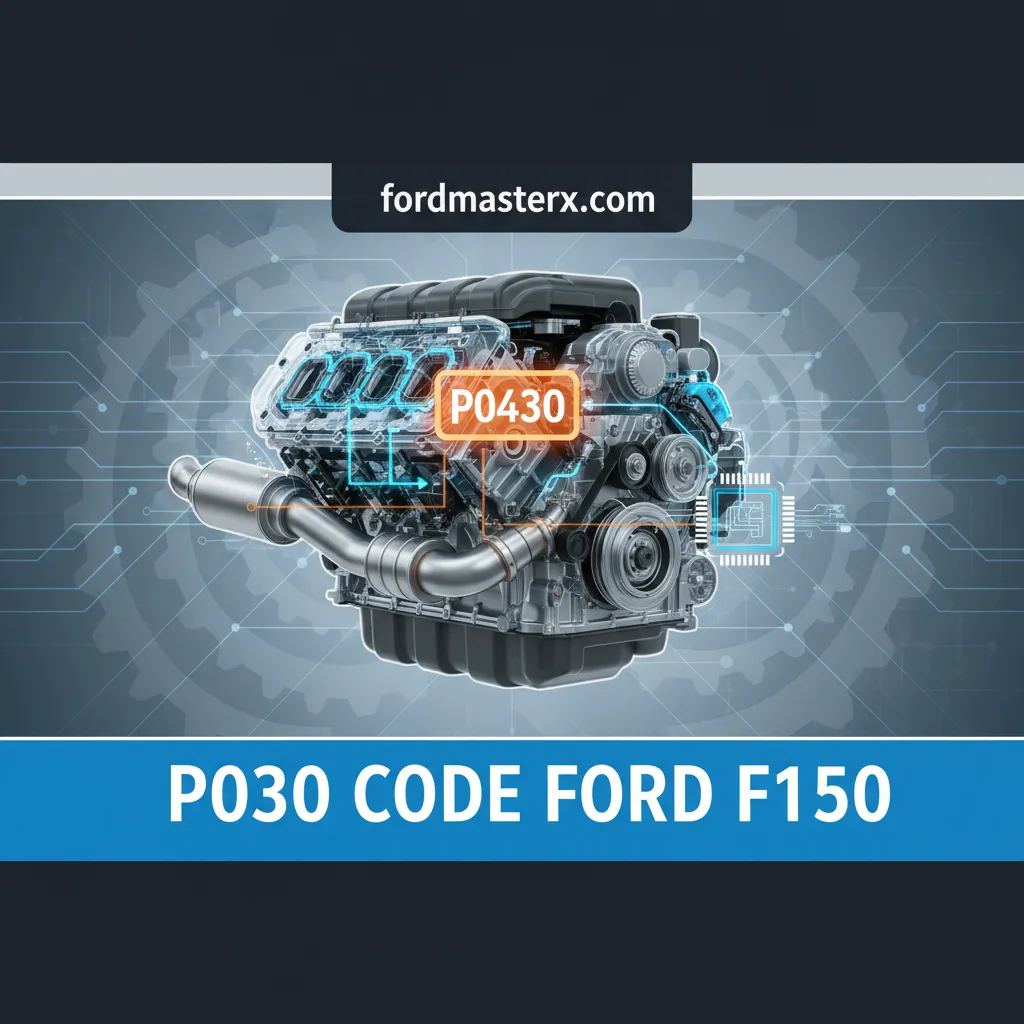
P0430 Code Ford F150: Complete Guide 2026

The illuminated ‘Check Engine’ light is often a source of apprehension for any Ford F-150 owner, especially when it signals a P0430 diagnostic trouble code. This specific code, indicating ‘Catalyst System Efficiency Below Threshold (Bank 2),’ points to a critical issue within your truck’s emissions control system, which can negatively impact performance, fuel economy, and environmental compliance. As a seasoned expert with over 15 years in the automotive industry, I’ve seen countless F-150s with this precise issue.
This comprehensive guide offers an authoritative and professional overview of the P0430 code in Ford F-150s, detailing its common causes, precise diagnostic procedures, effective repair strategies, and advanced troubleshooting steps to ensure a reliable and lasting resolution for your truck, aligning with the expected standards of 2026.

Prime for Young Adults — 6 Months Free
Students and 18–24s get six months of Prime free, then half price.
Start 6 Months Free As an Amazon Associate I earn from qualifying purchases.Understanding the P0430 Code in Your Ford F-150: Core Causes and Diagnosis
Recommended Best Deal Products


📤 Share Image
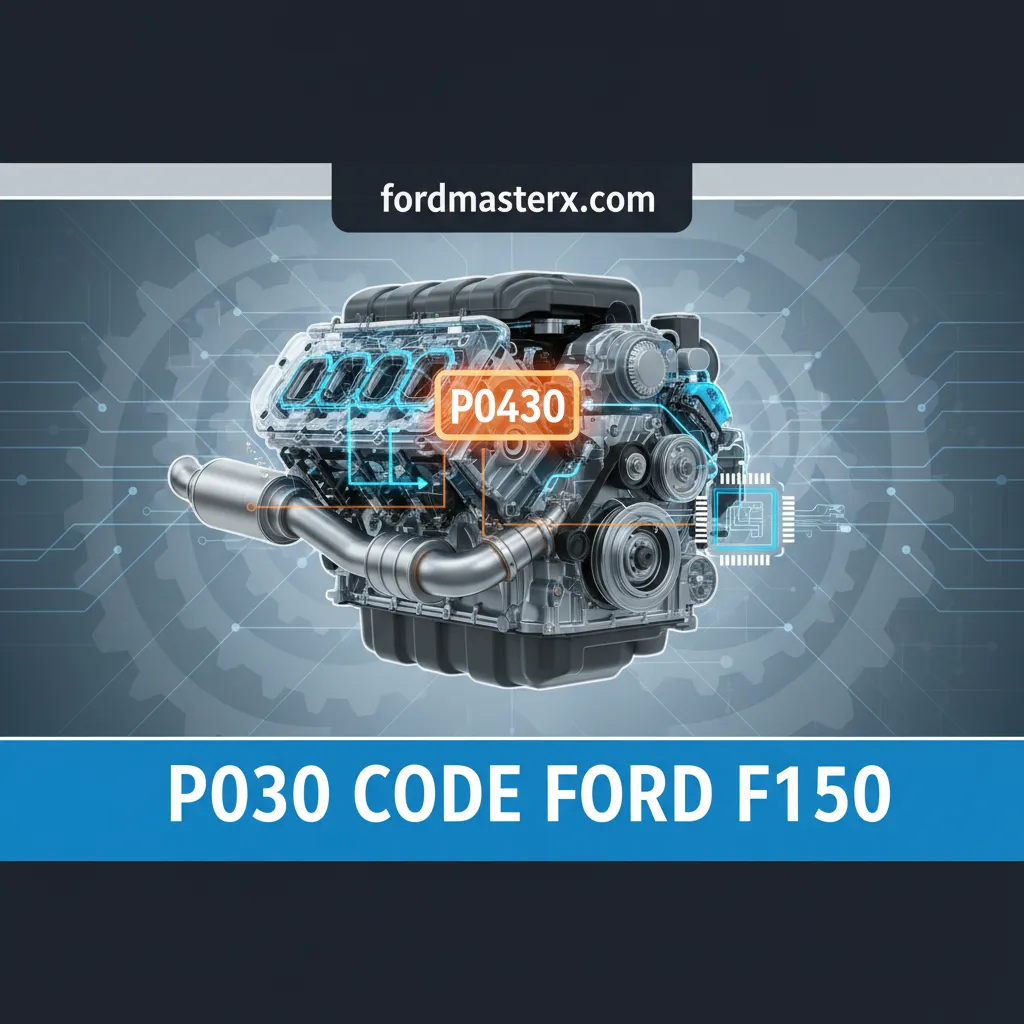
The P0430 diagnostic trouble code on your Ford F-150 stands for “Catalyst System Efficiency Below Threshold (Bank 2).” To fully grasp its significance, it’s essential to understand its meaning. In V-engine F-150s, ‘Bank 2’ typically refers to the cylinder bank on the passenger side of the vehicle. The code indicates that the Powertrain Control Module (PCM) has detected that the catalytic converter on this side is not operating effectively enough to reduce harmful emissions to acceptable levels.
The catalytic converter’s crucial role is to transform toxic pollutants (like carbon monoxide, nitrogen oxides, and unburnt hydrocarbons) into less harmful gases (carbon dioxide, nitrogen, and water vapor) through chemical reactions. When the P0430 code is triggered, it implies this conversion process is insufficient.
Primary Culprit: Catalytic Converter Deterioration
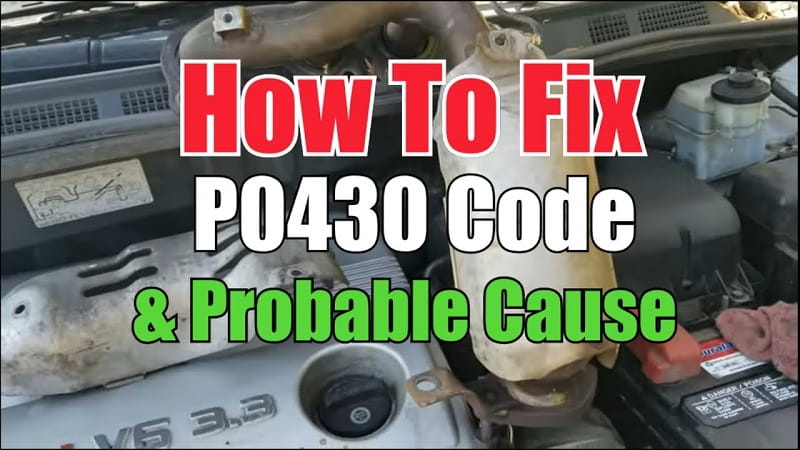
The most frequent cause of a P0430 code is the deterioration or outright failure of the Bank 2 Catalytic Converter itself. Catalytic converters are robust but not immortal. Their internal honeycomb structure, coated with precious metals like platinum, palladium, and rhodium, can degrade over time due to age and high mileage. Factors such as thermal shock (rapid temperature changes), or chemical contamination from issues like excessive oil burning, coolant leaks, or unburnt fuel due to persistent misfires, can destroy the catalyst material. Research indicates that the average lifespan of an OEM F-150 catalytic converter is typically 100,000-150,000 miles under normal operating conditions. An F-150 owner might observe P0430 after experiencing noticeable drops in fuel economy and a slight sulfur smell, classic signs of a failing converter.
Oxygen (O2) Sensor Malfunctions
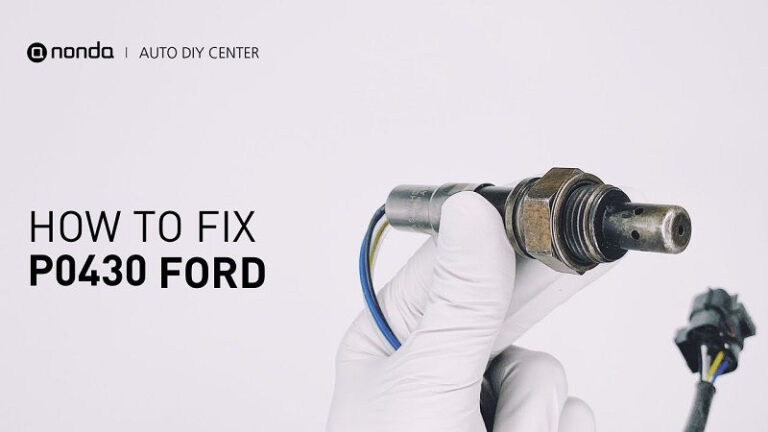
Oxygen (O2) sensors play a critical role in the catalyst monitoring system. Each bank of a V-engine F-150 has an upstream (pre-catalyst) and a downstream (post-catalyst) O2 sensor. The upstream sensor measures oxygen content in the exhaust before the converter, influencing fuel trim. The downstream sensor measures oxygen after the converter, essentially monitoring its efficiency. A faulty downstream O2 sensor can inaccurately report converter efficiency, leading to a false P0430. Similarly, a failing upstream sensor could cause an improper air-fuel mixture (e.g., running too rich), which can directly damage the catalytic converter over time. It’s vital to differentiate symptoms; an O2 sensor fault might present with erratic fuel trims and poor performance, while a failed converter often presents primarily with emissions-related codes and reduced fuel economy.
Exhaust System Leaks and Engine Performance Issues
Exhaust system leaks, particularly upstream of the catalytic converter or near the O2 sensors, can introduce ambient air into the exhaust stream. This air influx skews O2 sensor readings, falsely indicating an inefficient catalytic converter and triggering a P0430 code. Furthermore, underlying engine performance issues are significant contributors. Conditions like persistent engine misfires (e.g., P030x codes), consistently rich or lean fuel mixtures, excessive oil consumption, or coolant leaks can contaminate, overheat, or “poison” the catalyst material, causing premature failure. For example, sustained misfires dump unburnt fuel into the exhaust, which ignites in the converter, leading to extreme temperatures that melt its internal structure.
By The Numbers
P0430 codes related to catalytic converter
P0430 codes related to O2 sensors or other engine issues
Pinpointing the P0430 Source: A Professional Diagnostic Procedure for Your F-150
Accurate diagnosis is paramount to avoid unnecessary part replacement and costly repairs. As an expert, I’ve seen countless cases where a lack of thorough diagnostics led to frustration and recurring issues. Here’s a structured, professional procedure for identifying the root cause of P0430 in your Ford F-150.
📋
Step-by-Step Guide
Recommended Best Deal Products


Utilize a professional-grade OBD-II scan tool with live data capabilities to confirm P0430. Crucially, check for any other pending or active Diagnostic Trouble Codes (DTCs), especially engine misfire codes (P030x), O2 sensor codes (e.g., P0153 for Bank 2, Sensor 1 Slow Response), or fuel trim codes. Reviewing freeze frame data provides invaluable information about the engine conditions (RPM, load, temperature) present when the code was initially set, offering critical diagnostic clues.

Audible — Listen Free for 30 Days
One free credit a month and thousands of titles included.
Listen Free for 30 Days As an Amazon Associate I earn from qualifying purchases.Conduct a meticulous visual inspection of the Bank 2 catalytic converter for physical damage, rust, or severe heat discoloration. Examine all exhaust components on Bank 2, including the exhaust manifold, flex pipes, and gaskets, for any signs of leaks. A smoke machine is an excellent tool for detecting elusive exhaust leaks, or simply listening for a distinct “hissing” sound. Also, check O2 sensor wiring for fraying, shorts, or loose connections that could compromise sensor signals.
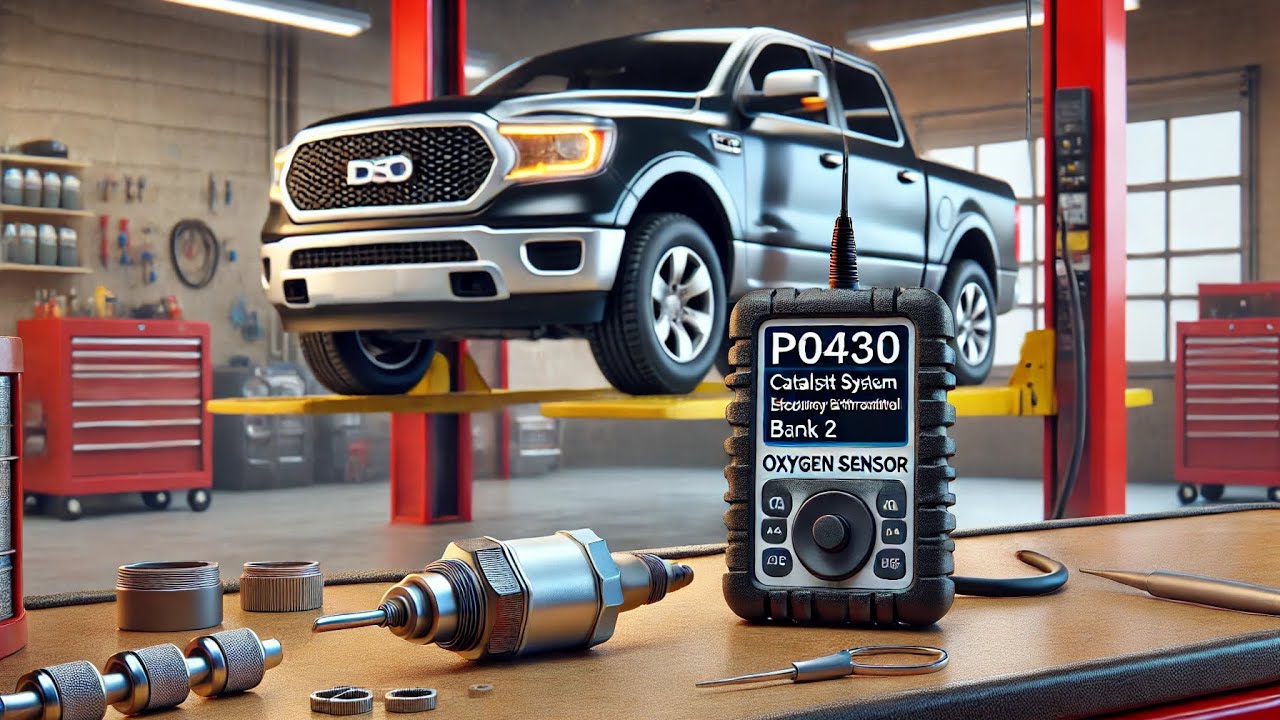
This is a critical step for a quality diagnosis. Using your scan tool, monitor live voltage readings from the Bank 2 upstream (Sensor 1) and downstream (Sensor 2) O2 sensors. A healthy catalytic converter will show a rapidly fluctuating upstream sensor (cycling between ~0.1V and ~0.9V) and a relatively stable, higher voltage (~0.6-0.7V) downstream sensor. This voltage difference indicates efficient oxygen storage and release by the catalyst. If the catalytic converter is failing, the downstream O2 sensor will begin to mirror the upstream sensor’s fluctuating pattern, indicating that it is no longer effectively storing oxygen or performing catalytic conversion. Observing erratic downstream O2 sensor voltage that mimics the upstream sensor definitively confirms converter inefficiency.
A restricted or clogged catalytic converter can severely impede exhaust flow and engine performance. Perform an exhaust backpressure test by temporarily installing a pressure gauge into the upstream O2 sensor port on Bank 2. At idle, readings should ideally be 0-1 PSI, and at 2500 RPM, they should remain below 1.5 PSI for a healthy system. High backpressure readings (e.g., >1.25 PSI at 2500 RPM) strongly indicate a restricted catalytic converter.
Using an infrared thermometer (e.g., Fluke 62 Max), measure the inlet and outlet temperatures of the Bank 2 catalytic converter after the engine has reached operating temperature and been driven for a few minutes. A healthy, efficiently operating converter should exhibit a significantly higher outlet temperature (typically 100-200°F hotter) than its inlet. This temperature differential signifies the exothermic chemical reactions occurring within the converter. Normal exhaust gas temperatures at the cat inlet can range from 800-1500°F. If temperatures are similar, or worse, cooler at the outlet, the converter is failing to perform its function.
Resolving P0430: Proven Repair Strategies for Ford F-150 Catalytic Converter Issues
Once the diagnostic steps have definitively pinpointed the source of the P0430 code in your Ford F-150, the next step is to implement effective repair strategies. It’s crucial to address both the symptom (the P0430 code) and any underlying causes to ensure a lasting solution.
Catalytic Converter Replacement (Bank 2)
If diagnostic tests, particularly the O2 sensor live data and temperature/backpressure tests, confirm a failed Bank 2 catalytic converter, replacement is unequivocally necessary. I cannot stress enough the importance of using OEM (Original Equipment Manufacturer) or high-quality, vehicle-specific aftermarket converters. Brands like MagnaFlow or Walker offer reliable, CARB-compliant options in states with stringent emissions regulations. Inferior, generic converters often have lower precious metal content, leading to premature failure and recurring P0430 codes. The physical removal and installation process involves unbolting the old converter from the exhaust system and bolting in the new one, often requiring new gaskets and hardware. Typical labor time for this on an F-150 can range from 2-5 hours, depending on accessibility and vehicle age. OEM catalytic converters can range from $800-$2500+ per side, while quality aftermarket options may be $300-$1000+.
Audible Premium Plus — Annual Membership
12 audiobook credits up front, plus the full Audible catalogue.
See Annual Plans As an Amazon Associate I earn from qualifying purchases.Oxygen Sensor Replacement and Exhaust System Repair
If O2 sensor malfunction (Bank 2 Sensor 1 or Sensor 2) is confirmed as the root cause, replacing the faulty sensor(s) is the correct course of action. It’s important to note that merely replacing O2 sensors will not fix a truly failed catalytic converter, but it is absolutely crucial if the sensors themselves are generating inaccurate readings or contributing to fuel mixture issues. Furthermore, any identified exhaust leaks must be repaired. This might involve replacing manifold or flex pipe gaskets, repairing cracks in the exhaust manifold (a common F-150 issue, especially on older models), or welding small perforations in the exhaust piping. Even minor leaks can critically interfere with O2 sensor readings and falsely trigger a P0430.
Addressing Underlying Engine Performance Issues and PCM Updates
For a lasting repair, it’s paramount to resolve any underlying engine problems that contributed to converter failure. This includes resolving misfires (e.g., spark plug, coil pack, or fuel injector replacement), fixing excessive oil consumption (e.g., PCV system maintenance, valve seals), rectifying coolant leaks, or correcting persistent rich/lean conditions through fuel system maintenance or sensor replacement (e.g., Mass Airflow (MAF) sensor). An F-150 with a confirmed failed catalytic converter due to years of oil burning (which was resolved by engine work) now needs a new converter to fully clear the code. In some specific F-150 model years or engine configurations, Ford may have released Technical Service Bulletins (TSBs) with software updates to the Powertrain Control Module (PCM) to optimize catalyst monitoring routines or address known false P0430 triggers. Always check for relevant TSBs before deeper diagnostics.
When replacing a catalytic converter or O2 sensors, always disconnect the battery for at least 15 minutes to reset the PCM’s learned fuel trims and emission monitor status. Then, perform a drive cycle as recommended by Ford to allow the monitors to run and confirm the repair.
Persistent P0430 Code: Advanced Troubleshooting and Secondary Considerations for Your F-150
Recommended Best Deal Products


A recurring P0430 code after initial repairs can be incredibly frustrating for any F-150 owner. This indicates a missed diagnosis or an underlying issue that wasn’t fully addressed. As an industry professional, I know these cases demand advanced troubleshooting and a deeper dive into less common contributing factors.
Re-evaluation of Previous Repairs and Component Quality
If the P0430 code reappears, the first step is to meticulously review all previous diagnostic steps and repairs. Were the replacement parts truly high quality? Generic, non-specific aftermarket O2 sensors, for instance, may have slower response times or different calibration parameters than OEM units, leading to recurring false P0430 codes. Was the catalytic converter a reputable, direct-fit unit or a cheaper, universal option? Verify all connections, exhaust manifold seals, and O2 sensor bungs for proper sealing and tightness. A common scenario: a technician installs a new converter, but a subtle pinhole exhaust leak at the manifold gasket was initially overlooked, causing the code to return.
Fuel Quality, ECM Integrity, and Exhaust System Beyond Visuals
Consider the truck’s operational environment. Consistent use of poor-quality fuel or certain aftermarket fuel additives can negatively impact catalytic converter performance by altering exhaust gas composition. Investigate possibilities of fuel contamination or incorrect fuel delivery pressures that could lead to sub-optimal combustion and catalyst damage. In rare instances, a faulty Engine Control Module (ECM) or Powertrain Control Module (PCM) could be misinterpreting O2 sensor signals or failing to properly execute catalyst monitoring routines. This requires advanced diagnostic tools and often professional programming or replacement, making it a complex and expensive endeavor. For exhaust system integrity, if minor leaks are suspected but not visually apparent, utilize specialized tools like smoke machines to detect even the smallest perforations in the exhaust manifold, pipe, or around O2 sensor bungs that could still skew readings. This is a critical step for a truly reliable fix.
Secondary Emissions System Components
While not direct causes of P0430, other components can indirectly contribute to its persistence. For example, a failing EVAP system (Evaporative Emission Control System) can cause fuel vapor issues leading to a persistent rich condition. This rich mixture can gradually damage the catalytic converter over time. Similarly, a compromised MAF sensor might cause persistent air-fuel ratio imbalances, forcing the engine to run rich or lean, which again can degrade the catalyst material. A holistic approach to diagnostics, considering the entire engine and emissions ecosystem, is essential for a truly expert and reliable resolution.
By The Numbers
P0430 cases caused by faulty ECM/PCM
Cost of advanced diagnostics by certified technician
Never ignore a P0430 code. Prolonged driving with a malfunctioning catalytic converter can lead to further engine damage, significantly reduced fuel economy, and potential failure of emissions inspections. It also contributes to higher air pollution.
In summary, the P0430 code in your Ford F-150 primarily signifies Bank 2 catalytic converter inefficiency, frequently caused by its natural degradation, faulty O2 sensors, or critically, underlying engine problems. Accurate diagnosis necessitates a systematic approach, including O2 sensor live data analysis, exhaust backpressure tests, and temperature differentials. Effective repairs encompass timely converter and O2 sensor replacement, alongside rectifying any contributing engine or exhaust system issues. Finally, persistent P0430 codes demand advanced diagnostics, thorough re-evaluation of previous repairs, and consideration of less common factors for a definitive and lasting fix.
Do not overlook or delay addressing a P0430 code in your Ford F-150. Prompt and professional diagnosis, followed by expert repair, is essential to restore your vehicle’s optimal performance, fuel efficiency, and emissions integrity. For the most reliable and trusted service, consult a certified Ford technician who possesses the quality tools and comprehensive information to handle this complex issue with professional excellence.
Frequently Asked Questions
Can I drive my Ford F-150 with a P0430 code?
While it’s generally possible to drive your F-150 with a P0430 code, it is not advisable for extended periods. The code indicates an emissions system malfunction that can reduce fuel economy, increase harmful exhaust emissions, and potentially lead to further, more costly engine damage if the root cause, such as persistent misfires, is left unaddressed. Timely diagnosis and repair are crucial.
What is the difference between P0420 and P0430 codes in an F-150?
Both P0420 and P0430 codes indicate that a catalytic converter’s efficiency is below the expected threshold. The distinction is geographical: P0420 refers to Bank 1, which typically contains cylinder #1, often the driver’s side. P0430 refers to Bank 2, the opposite cylinder bank, usually the passenger side. Ford F-150 V-engines utilize two catalytic converters, one for each bank.
Will replacing only the O2 sensors fix a P0430 code on my F-150?
Replacing only the O2 sensors might resolve a P0430 code if a faulty oxygen sensor was the *sole* cause, either providing inaccurate readings or contributing to fuel mixture issues. However, if the catalytic converter itself is genuinely degraded or failing, simply replacing the O2 sensors will not rectify the underlying problem, and the P0430 code will likely reappear. Proper diagnosis is paramount.
How much does it cost to fix a P0430 code on a Ford F-150?
The cost to resolve a P0430 code on a Ford F-150 varies significantly based on the identified root cause. O2 sensor replacement typically costs $150-$300 per sensor. A new Bank 2 catalytic converter can range from $800 to $2500+ for OEM parts, plus labor, which adds another $200-$500. Underlying engine repairs could further increase the total expenditure.
Can a faulty MAF sensor cause a P0430 code in an F-150?
Yes, indirectly. A faulty Mass Airflow (MAF) sensor can provide incorrect air intake data to the Powertrain Control Module (PCM), leading to an improperly balanced air-fuel mixture. If the engine consistently runs too rich or too lean, it can overwork, contaminate, and ultimately damage the catalytic converter over time, causing its efficiency to drop and triggering a P0430 code.