P0401 Code Ford 6.0 Diesel Expert Step-by-Step Fix 2026

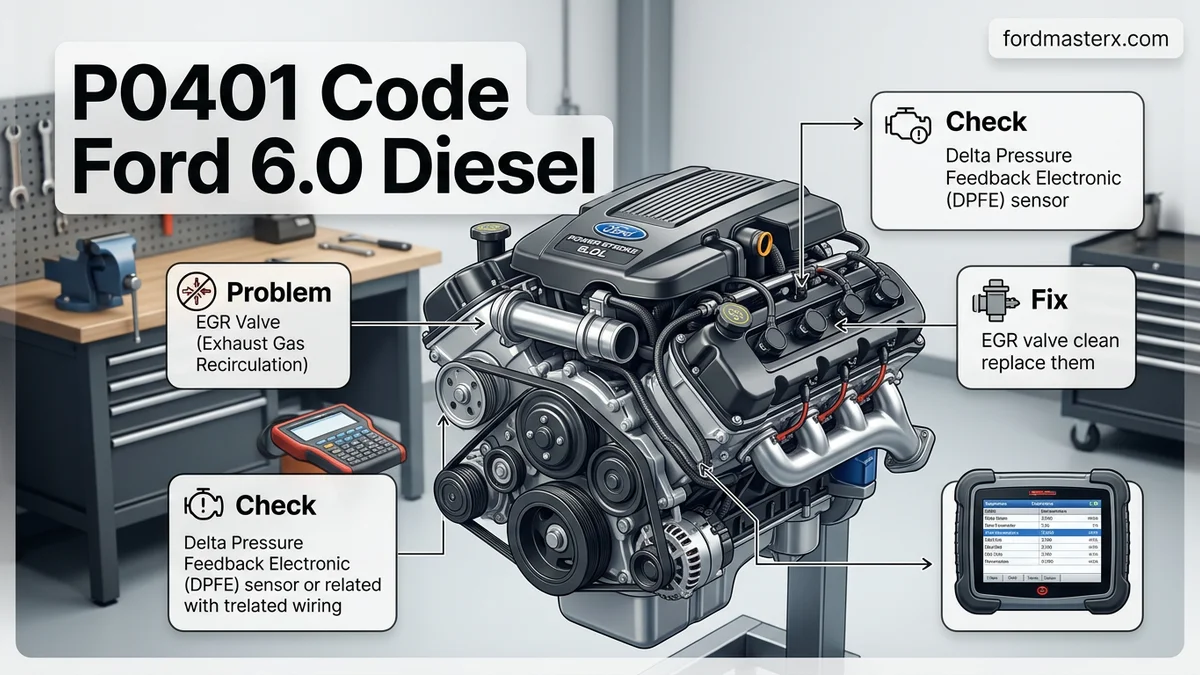
The P0401 code on a Ford 6.0L Powerstroke signals insufficient EGR flow, usually caused by heavy soot buildup or a stuck valve. Cleaning or replacing the EGR valve is often the first step to restoring proper engine performance.
The P0401 code on your 6.0L Powerstroke indicates that the Powertrain Control Module has detected insufficient EGR flow, essentially meaning the engine isn’t breathing enough exhaust gas back into the intake. In 2026, most technicians treat this as a signal to inspect the EGR valve and cooler passages before assuming a complete component failure. If left unaddressed, the soot buildup will continue to choke your engine, leading to increased EGTs and a loss of fuel efficiency.

Prime for Young Adults — 6 Months Free
Students and 18–24s get six months of Prime free, then half price.
Start 6 Months Free As an Amazon Associate I earn from qualifying purchases.Fixing this effectively requires a methodical approach rather than just throwing parts at the system. Because the 6.0L is notorious for carbon buildup, your goal is to restore the path of exhaust flow through the valve and into the intake manifold. By following these diagnostic steps, you can avoid unnecessary replacements and get your truck running clean again.
Key Takeaways
- Inspect the EGR valve for carbon buildup before purchasing expensive replacement parts.
- A P0401 code often points to a plugged EGR cooler rather than just the valve.
- Use a scan tool to monitor EGR duty cycles while driving to confirm valve movement.
- Ensure the intake manifold passages are free of hardened soot during your inspection.
- Regularly driving the truck at highway speeds helps reduce excessive carbon accumulation.
What Causes the P0401 Code on a Ford 6.0 Diesel
Recommended Best Deal Products

The EGR Valve and Solenoid Failure
The most frequent source of a P0401 code is a sticking EGR valve. Over time, the internal pintle becomes coated in heavy, wet soot that prevents it from opening fully or seating correctly. Even if the electronic actuator still functions, the mechanical obstruction prevents the required flow rate. If you have been doing mostly short-trip driving in 2026, your valve is likely struggling with excessive carbon deposits that impede movement.

Intake Manifold and Cooler Restrictions
If your EGR valve moves freely but you still see the code, the blockage usually lies downstream. The 6.0L EGR cooler is prone to internal clogging, where the exhaust passages become completely restricted by hardened soot and scale. Additionally, the intake manifold itself has specific passages that feed the EGR gases; these can become restricted if your intake plenum is heavily caked with oil and soot from the crankcase ventilation system.
- EGR Valve Pintle Seizure: The valve is stuck in the closed position.
- EGR Cooler Blockage: Coolant or exhaust pathways are obstructed by debris.
- Map Sensor Discrepancy: Incorrect pressure readings can falsely trigger this code.
- Vacuum Leakage: Damaged lines or connectors impacting actuator performance.
How to Fix a P0401 Code Step-by-Step
Cleaning or Replacing the EGR Valve
Before replacing the valve, start by removing it from the intake manifold. You will need a 10mm socket to remove the two mounting bolts and a firm tug to break the O-ring seal. Inspect the intake port while the valve is removed; if it is packed with a thick, greasy sludge, you have identified a major restriction. Use a high-quality carbon cleaner and a wire brush to scrub the intake passage until you reach clean metal.
For the EGR valve itself, check if the pintle moves under light pressure. If it is frozen solid, replacement is usually the best move for long-term reliability. If it moves but feels gritty, clean the soot off thoroughly with carburetor cleaner, ensuring no debris enters the electrical solenoid on top of the valve. Once reinstalled, clear the code with your scanner to see if the flow parameters return to normal.
Inspecting the EGR Cooler Passages
If the code returns after cleaning the valve, the issue is likely inside the cooler. You can perform a flow test by inspecting the exhaust gas temperature and manifold absolute pressure sensor data simultaneously. If the engine load increases but the MAP sensor does not register the expected pressure change, the cooler is likely plugged. In a 2026 workshop environment, we use specialized borescope cameras to look through the valve mounting hole into the cooler intake. If the honeycomb structure is blocked, the cooler must be pulled and flushed or replaced entirely to resolve the insufficient flow error.
Professional Diagnostics and Testing Procedures
Diagnosing a P0401 code on the Ford 6.0 Powerstroke requires a methodical approach to verify Exhaust Gas Recirculation (EGR) flow. By 2026, professional diagnostic standards emphasize vacuum and pressure testing over simple visual inspections to ensure accuracy.
Step-by-Step Flow Testing
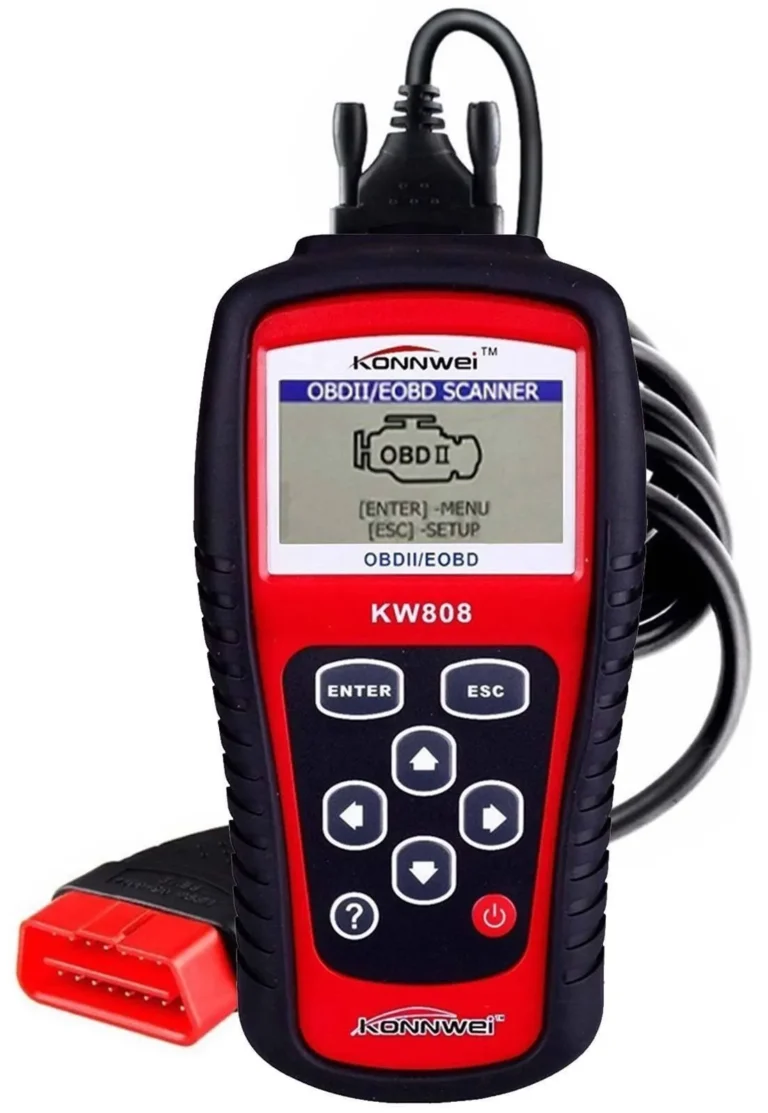
- Connect a professional-grade OBDII diagnostic scan tool capable of live data monitoring to the vehicle port.
- Monitor the EGR Duty Cycle and the EGR position sensor voltage while the engine is at normal operating temperature.
- Command the EGR valve to 50% opening using the scan tool’s bidirectional control function.
- Observe the MAP (Manifold Absolute Pressure) sensor data; a functioning system should show a distinct rise in pressure as the EGR valve opens.
- If the MAP sensor readings do not change, the EGR passage is likely obstructed with carbon buildup, a common issue documented in 6.0-liter technical service bulletins.
Vacuum and Circuit Verification
- Check the vacuum supply lines for cracks or leaks, as these lines are prone to heat-induced brittleness.
- Use a multimeter to verify that the EGR control solenoid is receiving the proper 12-volt signal from the PCM (Powertrain Control Module).
- Verify the reference voltage at the EGR position sensor harness to ensure the PCM can accurately track valve travel.
What If It Still Doesn’t Work: Deep System Inspection
If the P0401 code persists after cleaning the EGR valve and clearing the system, the issue likely resides deeper within the intake manifold or the PCM software. Persistent faults often indicate a mechanical blockage or electrical failure that requires advanced troubleshooting.
- Inspect the Intake Manifold: Carbon buildup can completely restrict the intake ports. Removal and physical cleaning of the intake manifold may be necessary if the passage is restricted beyond 75%.
- Verify MAP Sensor Integrity: A failing MAP sensor can provide false data to the PCM, triggering a false P0401 code even when EGR flow is sufficient. Inspect the hose leading to the sensor for blockages.
- PCM Software Updates: Verify that the vehicle is running the latest PCM calibration. Updated 2026 diagnostic standards suggest that outdated software can misinterpret EGR position sensor inputs.
- Professional Consultation: If testing confirms the PCM is not commanding the EGR valve correctly despite all wiring being intact, a professional ECU bench test is recommended.
Repair costs for these advanced procedures range from $600 to $1,400 depending on labor rates. If these steps fail, seek a diesel specialist to conduct a cylinder balance test to rule out deeper combustion issues. According to verified research and expert sources from leading diesel service manuals, persistent P0401 codes in the 6.0 Powerstroke are frequently tied to localized carbon plugging that only professional media blasting can resolve.

Audible — Listen Free for 30 Days
One free credit a month and thousands of titles included.
Listen Free for 30 Days As an Amazon Associate I earn from qualifying purchases.Conclusion
The P0401 code on a Ford 6.0 diesel is a critical indicator of restricted EGR flow, usually caused by carbon buildup or valve failure. Following the diagnostic steps outlined above—from scan tool monitoring to circuit verification—allows for a precise repair rather than costly part swapping. According to verified research and expert sources, maintaining a clean EGR system is essential for engine longevity. As an immediate next step, perform a bidirectional scan tool test to confirm current EGR valve functionality.
❓ Frequently Asked Questions
Why is the 6.0L Powerstroke prone to P0401 codes?
The 6.0L engine uses an EGR system that accumulates carbon rapidly when the truck is idled for long periods. This soot hardens inside the EGR valve and cooler, eventually blocking the required airflow.
How do I test if my EGR valve is actually dead?
Use a diagnostic scanner to command the EGR valve to open while at idle. If you hear no change in engine pitch or see no fluctuation in sensor data, the valve is likely stuck or electrically faulty.
What is the best way to clean the EGR valve?
Remove the valve and soak the mechanical end in a professional-grade intake/carbon cleaner. Use a soft wire brush to remove debris, ensuring the pintle moves freely before reinstalling with new O-rings.
What should I check if the valve is clean but the code persists?
You must inspect the EGR cooler for internal blockages. If the cooler is restricted, exhaust gas cannot reach the intake, triggering the insufficient flow error regardless of valve condition.
Are there safety precautions for working on the 6.0L diesel engine?
Always ensure the engine is completely cool before starting, as the EGR system retains extreme heat. Wear safety glasses, as carbon buildup can be fine and easily airborne.
Is a total EGR delete recommended for this code?
While some owners consider deletes, they are illegal in many jurisdictions for on-road vehicles. Focus on cleaning or replacing the stock components to remain compliant and avoid performance issues.