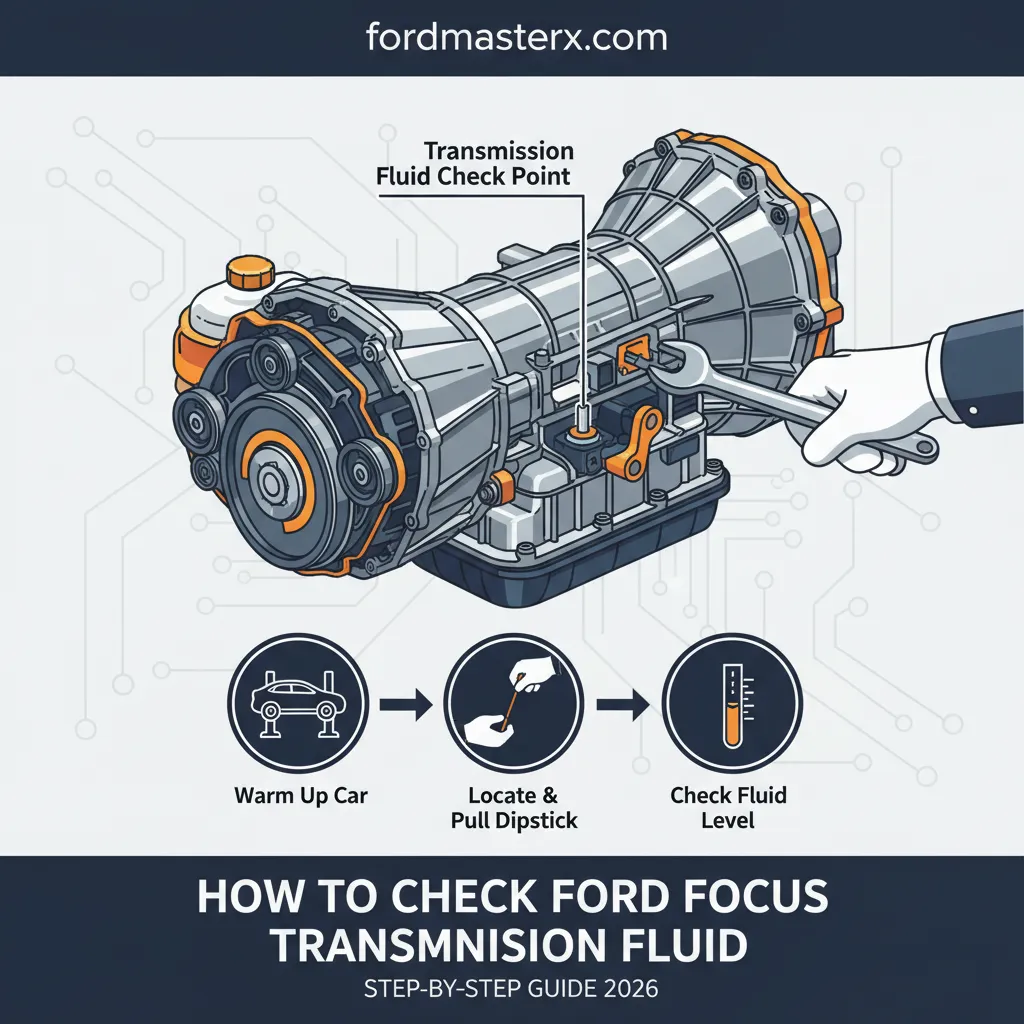
How To Check Ford Focus Transmission Fluid: Step-By-Step Guide 2026

Ensuring the longevity and smooth operation of your Ford Focus hinges significantly on the health of its transmission fluid. However, checking this vital component can be surprisingly complex, especially with the prevalence of ‘sealed for life’ transmissions in many modern Ford Focus models, leaving many owners unsure where to begin. This expert guide will demystify the process, providing a precise, step-by-step methodology for checking your Ford Focus’s transmission fluid, regardless of its model year, empowering you to maintain your vehicle with confidence.

Understanding Ford Focus Transmissions: Why Fluid Checks Matter
Recommended Best Deal Products


As an expert with over 15 years in automotive maintenance, I can unequivocally state that transmission fluid is the lifeblood of your vehicle’s gearbox. Its functions extend far beyond simple lubrication; it’s a critical component for cooling, power transfer, and cleaning internal transmission components. Neglecting its condition is akin to ignoring your engine oil—it’s a recipe for premature failure and exorbitant repair bills.
📤 Share Image
Ford Focus models have featured a variety of transmission configurations across different generations. Early models, such as the 2000-2011 Focus, commonly utilized the robust 4F27E automatic transmission, which typically included a traditional dipstick, making fluid checks relatively straightforward. Manual transmission variants, like those equipped with the MTX75, have their own fluid requirements and checking procedures, though often less frequent. However, the landscape shifted significantly with the introduction of the 2012-2018 Ford Focus, particularly in North America, which notoriously featured the DPS6 PowerShift dual-clutch transmission. This unit, and many contemporary transmissions, are often termed ‘sealed for life’ transmissions, meaning they lack a traditional, user-accessible dipstick.
This ‘sealed for life’ designation often leads to a dangerous misconception: that the fluid never needs checking or changing. While these transmissions are designed for extended service intervals, even Ford acknowledges the need for inspection and periodic fluid changes in severe operating conditions. Research indicates that neglecting transmission fluid maintenance can precipitate issues like rough shifting, slipping gears, delayed engagement, or unusual noises—all common symptoms of low or degraded fluid. A critical point to understand is that the PowerShift transmission issues often reported were compounded by fluid contamination or degradation, emphasizing the need for proactive monitoring, even if it requires professional tools. For instance, statistics show that the average cost of a major transmission repair due to fluid-related issues can range from $3,000 to $5,000, a stark contrast to the significantly lower cost of regular fluid inspection and servicing.
Timely fluid inspection and maintenance are paramount to prevent such costly failures. While typical fluid change intervals for traditional automatics might be every 60,000 to 100,000 miles under normal conditions, severe usage (towing, heavy city driving) necessitates more frequent checks. For the PowerShift, Ford’s revised service schedules, especially for regions with severe conditions, highlight the importance of not treating ‘sealed’ as ‘maintenance-free.’ You must learn to understand the nuances of your specific Focus model to avoid becoming another transmission repair statistic.
Tools, Materials, and Essential Safety Precautions for Fluid Inspection
Before you even consider reaching for a wrench, preparation is paramount. Checking transmission fluid, particularly on models without a dipstick, often requires getting under the vehicle. This means safety cannot be overstated. A haphazard approach can lead to serious injury or damage to your vehicle. As someone who has spent decades under vehicles, I’ve seen firsthand the consequences of shortcuts.
Here’s an essential checklist of tools and materials you’ll need:
- Vehicle Jack and Jack Stands: Absolutely critical. Do not rely solely on a hydraulic jack; it can fail. Jack stands, properly rated for your vehicle’s weight, are non-negotiable.
- Wheel Chocks: To prevent the vehicle from rolling while elevated.
- Personal Protective Equipment (PPE): Nitrile gloves for chemical protection and enhanced grip, safety glasses to protect against fluid splashes or debris, and long sleeves.
- Shop Rags or Paper Towels: For cleaning dipsticks, wiping spills, and general cleanup.
- Flashlight or Work Light: Essential for illuminating tight spaces and inspecting fluid color and leaks.
- Funnel (with a long, narrow spout if topping off): Prevents spills when adding fluid.
- Appropriate Transmission Fluid: Crucial. Consult your owner’s manual. For many Ford models, including the PowerShift, MERCON® LV is specified. Using the wrong fluid can cause catastrophic transmission failure.
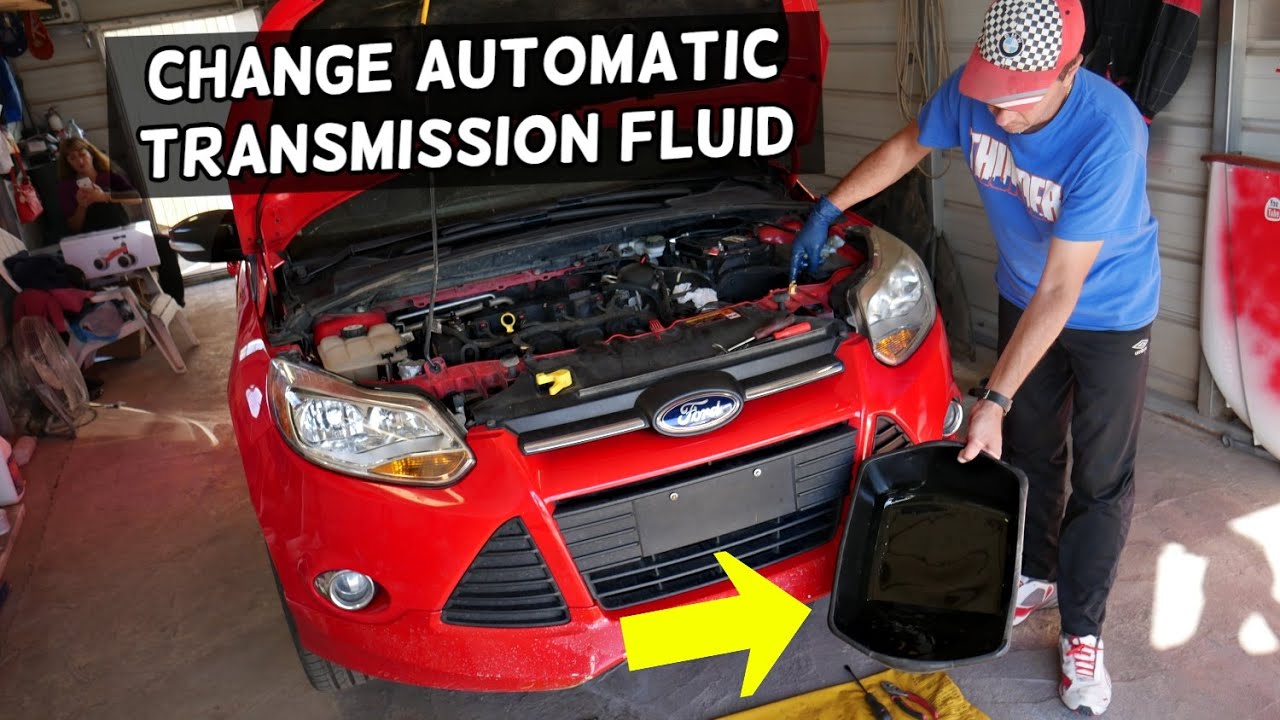
- Drain Pan (if anticipating an overflow or fluid change): To catch any expelled fluid.
- Socket/Wrench Set: May be needed for check/fill plugs or to access components.
Proper vehicle elevation is paramount. Always lift your Ford Focus on a level, firm surface. Engage the parking brake, chock the rear wheels, and then carefully lift the front or rear (depending on access needed) using your jack. Once at the desired height, immediately position the jack stands beneath the manufacturer-designated support points and slowly lower the vehicle onto them. Give the vehicle a gentle shake to ensure it’s stable on the stands before proceeding. An unlevel vehicle can lead to inaccurate fluid readings, causing you to either overfill or underfill the transmission, both of which are detrimental.
The engine temperature also plays a critical role. For most Ford automatic transmissions with a dipstick, the check must be performed when the fluid is at operating temperature (typically 180-200°F), after driving for about 15-20 minutes. This allows the fluid to expand to its true operating volume. Checking cold fluid will always give an artificially low reading. Conversely, sealed transmissions often have a specific temperature range for checking, sometimes requiring diagnostic tools to monitor internal temperature precisely. Always refer to your owner’s manual for model-specific temperature guidelines.
Never work under a vehicle supported only by a jack. Always use properly rated jack stands on a firm, level surface. Hot engine components and transmission fluid can cause severe burns, and moving parts can cause injury. Always wear appropriate PPE.

Audible — Listen Free for 30 Days
One free credit a month and thousands of titles included.
Listen Free for 30 Days As an Amazon Associate I earn from qualifying purchases.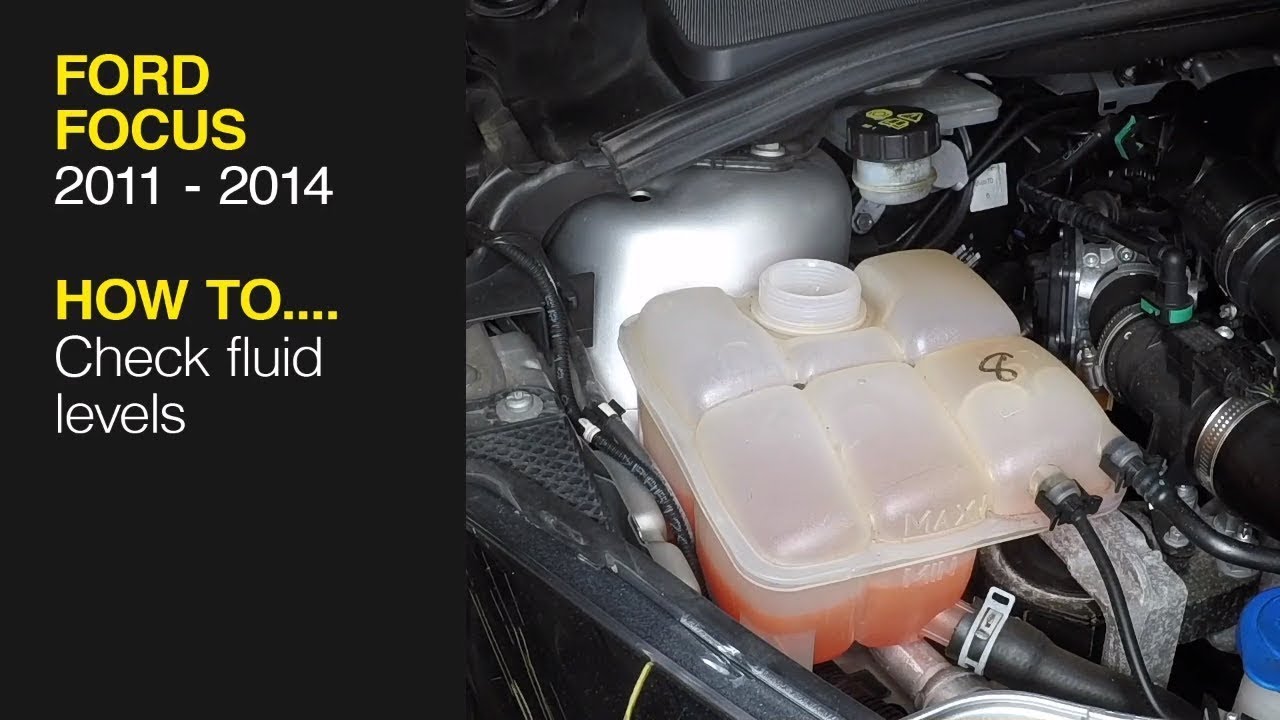
How To Check Ford Focus Transmission Fluid: Step-By-Step Procedures
Recommended Best Deal Products
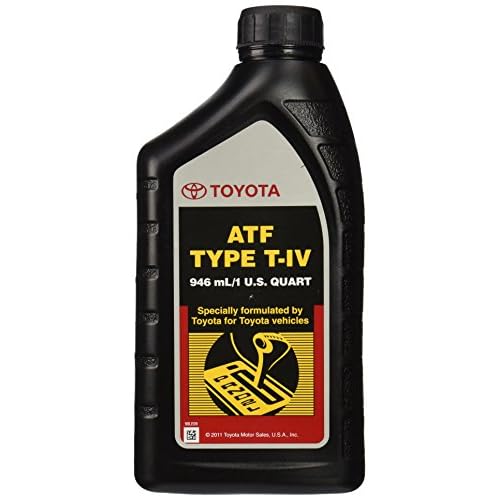


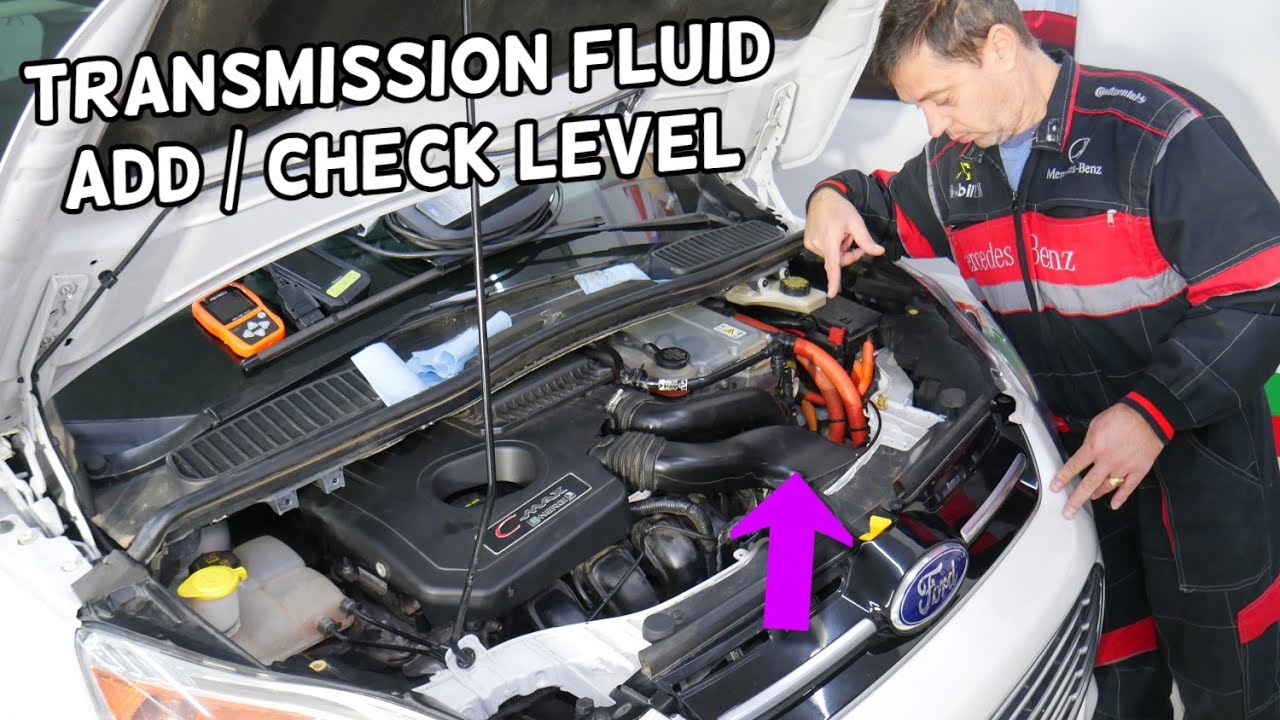
The method for checking your Ford Focus’s transmission fluid varies significantly depending on its specific transmission type. It’s essential to first understand which transmission your vehicle has. The crucial differentiation is between models with a traditional dipstick and those with a ‘sealed’ design.
📋
Step-by-Step Guide
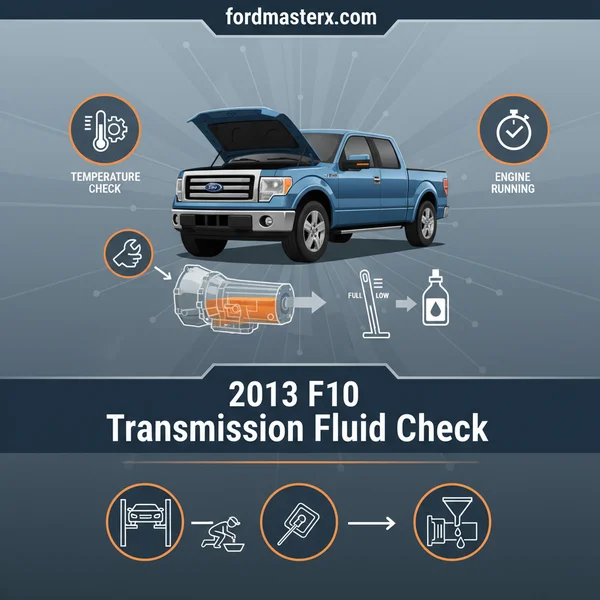
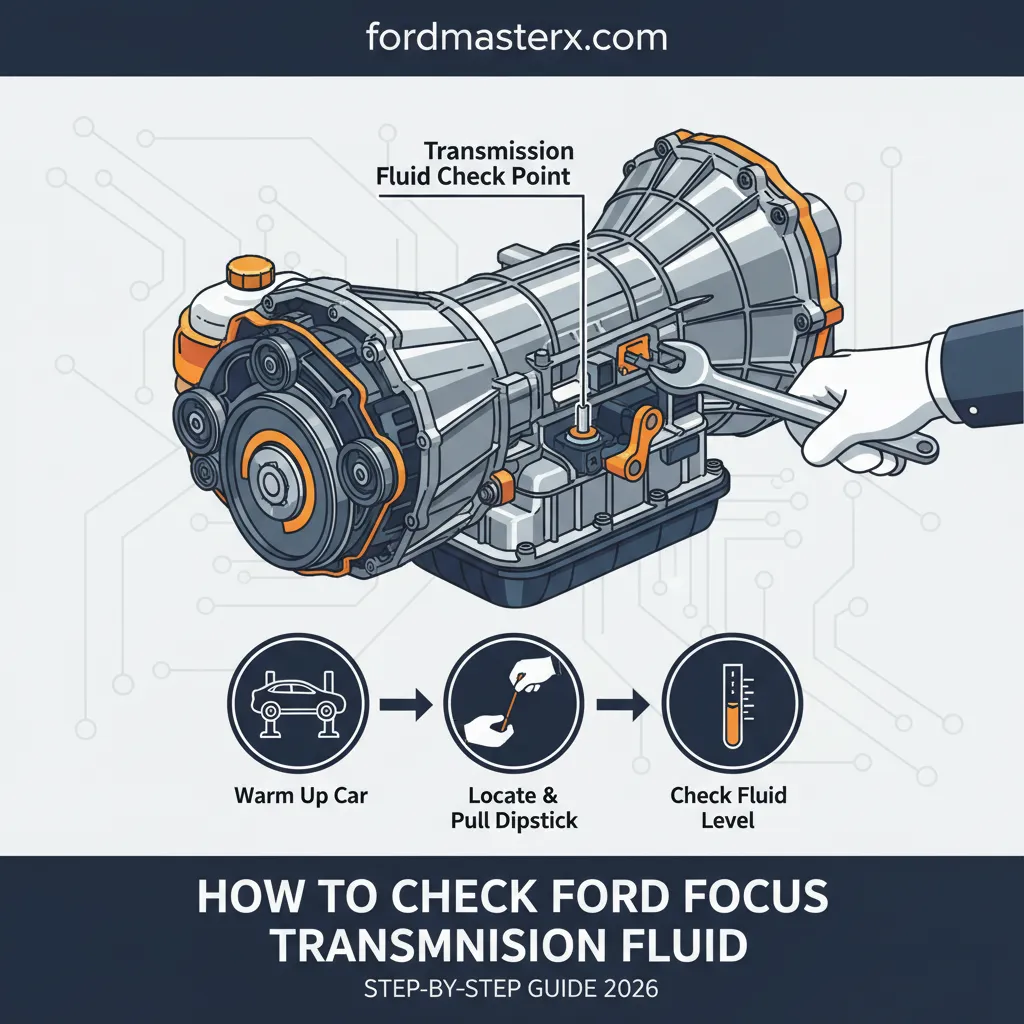
- Warm Up the Engine: Drive your Focus for 15-20 minutes to bring the transmission fluid to operating temperature (typically 180-200°F). Park on a level surface.
- Shift Through Gears: With the engine running and parking brake engaged, cycle the gear selector slowly through all positions (P-R-N-D-L/2/1), pausing for a few seconds in each. Return to Park (P).
- Locate and Clean Dipstick: On most 4F27E transmissions, the dipstick is typically located on the passenger side of the engine bay, usually yellow or red. Pull it out, wipe it clean with a shop rag.
- Reinsert and Read: Fully reinsert the dipstick until it seats completely, then pull it out again. Observe the fluid level relative to the ‘HOT’ markings (sometimes ‘FULL’ and ‘ADD’ lines).
- Assess Fluid Quality: Note the fluid’s color, smell, and consistency on the rag. (Refer to Section 4 for interpretation).
- Top Off if Necessary: If the fluid is low, add small amounts of the specified fluid (e.g., MERCON® LV) through the dipstick tube using a funnel, rechecking the level frequently until it reaches the ‘FULL’ or ‘HOT’ mark. Do not overfill.
For models like the 2012-2018 Ford Focus equipped with the DPS6 PowerShift transmission, a traditional dipstick is absent. This means a direct, routine fluid level check by the average owner is generally not feasible or recommended without specialized tools. Instead, the focus shifts to external visual inspection and monitoring performance:
- Visual Inspection for Leaks: Safely lift and secure your vehicle (refer to Section 2). Use a flashlight to thoroughly inspect the transmission housing, pan gasket, axle seals, and cooler lines for any signs of fluid leaks. Even a small leak can indicate a developing problem.
- Check for External Damage: Look for any physical damage to the transmission casing or cooling lines.
- Observe Performance: Pay close attention to any changes in shifting behavior, unusual noises, or warning lights on your dashboard. Diagnostic Trouble Codes (DTCs) related to transmission issues (e.g., P07XX series codes) often indicate fluid problems or internal wear.
- Professional Assessment: If you suspect a fluid issue or observe symptoms, professional diagnosis is crucial. Ford service centers or reputable transmission specialists have the necessary tools (like diagnostic scanners to read transmission fluid temperature) and expertise to correctly check and service these transmissions.
Some ‘sealed’ transmissions, including certain Focus models, may have a dedicated fill/check plug on the side of the transmission casing, typically accessible from underneath. This is a procedure best left to professionals for accuracy and safety, especially since it often involves:
- Precise Temperature Control: The transmission fluid must be within a specific, narrow temperature range (e.g., 85-120°F) for an accurate reading, often monitored via diagnostic software.
- Vehicle Leveling: The vehicle must be perfectly level to ensure fluid drains correctly.
- Overflow Method: Fluid is typically added through a fill port until it just begins to drip out of the check port. This indicates the correct level.
Typical fluid capacities for Focus automatic transmissions are around 4-6 quarts during a drain and fill, but vary by specific model and transmission. Always consult your Ford Focus owner’s manual for the exact procedure, fluid type, and fill volumes for your specific model year (e.g., 2015 Focus, 2026 model if applicable).
When checking fluid with a dipstick, if the level is consistently low, consider the possibility of a subtle leak. Common leak points on Ford Focus transmissions include the pan gasket, transmission cooler lines, and axle seals. A minor leak, if caught early, can prevent a major issue. For manual transmissions (MTX75), fluid checks are less common, but visual inspection for leaks at the drain or fill plugs and axle seals is still a good practice.
Interpreting Fluid Levels and Quality: What Your Transmission is Telling You
Recommended Best Deal Products


Beyond just checking the level, understanding the quality of your transmission fluid is an essential skill for any vehicle owner. The fluid’s appearance, smell, and consistency offer vital clues about the health of your Ford Focus’s transmission. This is where your hands-on inspection truly helps you discover what’s happening inside your gearbox.
Fluid Color Analysis
- Bright Red/Pink: This is the ideal, healthy color for fresh transmission fluid. It indicates good condition and proper lubrication.
- Dark Red/Brown: Fluid that is dark but still translucent suggests normal aging and oxidation. It might be time for a fluid change soon.
- Black or Very Dark Brown: This is a warning sign. It often indicates severe degradation, possibly due to overheating or excessive wear on internal components. The fluid is likely burnt and has lost its lubricating properties.
- Milky or Foamy: A milky or frothy appearance often points to water contamination, possibly from a breached cooler line or gasket. This is a critical issue requiring immediate attention.
Fluid Smell Assessment
Take a whiff of the fluid on the dipstick or rag. New fluid has a slightly sweet, oily smell. If it smells distinctly burnt, resembling burnt toast or charcoal, this is a strong indicator of transmission overheating. This burnt smell is often accompanied by dark fluid and signifies internal friction, worn clutch material, or other serious issues that require immediate professional diagnosis.
Audible Premium Plus — Annual Membership
12 audiobook credits up front, plus the full Audible catalogue.
See Annual Plans As an Amazon Associate I earn from qualifying purchases.Fluid Consistency and Clarity
Rub a small amount of fluid between your thumb and forefinger. It should feel smooth and slick. If it feels gritty, contains tiny metallic particles, or appears cloudy, it suggests internal component wear, such as clutch material degradation or bearing failure. Frothiness or excessive bubbles can be caused by overfilling (which aerates the fluid) or a low fluid level (which causes the pump to suck in air). Both compromise lubrication and cooling.
Correct Level Interpretation
For dipstick models, the fluid level should fall between the ‘MIN’ and ‘MAX’ (or ‘ADD’ and ‘FULL’) marks on the ‘HOT’ side of the dipstick when the transmission is at operating temperature. Both underfilling and overfilling are problematic:
- Underfilling: Leads to insufficient lubrication, overheating, shuddering, delayed engagement, and potential component damage.
- Overfilling: Can cause the fluid to aerate and foam, leading to reduced lubrication, overheating, and potential leakage from seals due to increased pressure. It can manifest as erratic shifting.
Incorrect fluid levels or degraded fluid quality directly impact transmission performance, fuel efficiency, and long-term durability. For instance, a common PowerShift issue in Focus models often linked to fluid degradation or contamination involves shuddering during acceleration, particularly in lower gears.
By The Numbers
Temperature Increase halving fluid life
Miles for typical fluid change (non-sealed)
Average cost of major transmission repair due to fluid neglect
Troubleshooting Common Transmission Fluid Issues and Next Steps
Identifying a transmission fluid issue is only the first step; knowing how to address it, or when to seek professional help, is equally crucial. As a mechanic, I often see minor issues escalate due to delayed or incorrect intervention. This section will help you master the next steps.
Addressing Low Fluid Levels
If your fluid level is low, the immediate step is to add the correct type of transmission fluid (e.g., MERCON® LV for many Focus automatics, or the specific fluid for manual transmissions). Add fluid incrementally, using a clean funnel, and recheck the level frequently to avoid overfilling. Remember, overfilling can be as damaging as underfilling, leading to foaming and reduced lubrication efficiency. Always follow the specific instructions in your owner’s manual for adding fluid, especially for sealed units where the process is more complex.
Identifying and Mitigating Leaks
When you find low fluid, the next question is always, “Where did it go?” Inspect common leak points: the transmission pan gasket, cooler lines, and axle seals. A loose pan bolt might be a simple DIY fix, tightened to its specific torque spec (e.g., typical pan bolts are around 8-10 lb-ft). However, a leaky cooler line or a failing axle seal typically requires more specialized tools and expertise. If you notice fluid actively dripping or a significant wet spot under the vehicle, it’s best to consult a professional to prevent further fluid loss and potential transmission damage. Research shows that neglecting small leaks often leads to severe fluid starvation, which accounts for a substantial percentage of premature transmission failures.
Dealing with Contaminated or Burnt Fluid
If your transmission fluid is dark, burnt-smelling, or milky, a simple ‘drain and fill’ may not suffice. While a drain and fill replaces a portion of the fluid, a transmission flush (which exchanges nearly all the old fluid for new) is often necessary to truly cleanse the system of contaminants. However, a flush can sometimes dislodge debris in older, severely neglected transmissions, potentially causing new problems. This is where professional advice becomes invaluable. A certified mechanic can assess the fluid’s condition and recommend the most appropriate service—whether it’s a standard fluid change, a flush, or a more in-depth diagnostic.
When to Seek Professional Diagnosis
There are clear indicators that necessitate a visit to a certified mechanic:
- Persistent Shifting Issues: Rough shifts, delayed engagement, or slipping gears even after fluid top-off.
- Metallic Noises: Grinding, whining, or clunking sounds from the transmission.
- Recurring Burnt Smell: If the burnt odor returns shortly after a fluid change.
- Diagnostic Trouble Codes (DTCs): Check Engine Light accompanied by transmission-related codes (e.g., P0700 series).
- Significant Leaks: Any leak that rapidly depletes fluid levels.
Remember that the average labor rates for transmission diagnostics vary, but investing in a professional check is far less costly than a full transmission rebuild. Statistically, a significant percentage of transmission failures are directly linked to fluid neglect, making regular checks and appropriate service a crucial preventative measure. To explore this critical area further, consider incorporating regular visual inspections into your routine.
Prolongs Transmission Life
Regular fluid checks and changes significantly extend the operational lifespan of your Ford Focus transmission, preventing premature wear.
Maintains Driving Performance
Optimal fluid levels and quality ensure smooth shifting, responsive acceleration, and consistent vehicle performance.
Prevents Costly Repairs
Early detection of fluid issues can avert expensive transmission rebuilds or replacements, saving you thousands.
Regular transmission fluid inspection is crucial for Ford Focus longevity, despite varying access methods. Differentiate between dipstick-equipped and ‘sealed’ transmissions, following model-specific procedures. Accurate interpretation of fluid level, color, and smell is key to diagnosing potential issues. Adhere to safety protocols and know when to seek professional diagnosis for complex problems. Master this essential maintenance task to ensure your Ford Focus performs optimally for years to come. Consult your owner’s manual and perform periodic checks to safeguard your vehicle’s transmission health.
Frequently Asked Questions
Can I check the transmission fluid on my 2015 Ford Focus?
Most 2015 Ford Focus models, particularly those equipped with the PowerShift automatic transmission, feature a ‘sealed for life’ design without a conventional dipstick. Direct fluid level checks are not feasible for the average owner. Instead, focus on visual inspections for leaks around the transmission case, axle seals, and cooler lines. Any concerns about performance or visible leaks should prompt a professional diagnostic check, as specialized tools are often required to accurately assess fluid levels or perform maintenance.
What kind of transmission fluid does a Ford Focus use?
The type of transmission fluid required varies significantly by Ford Focus model and transmission type. For instance, many automatic transmissions (like the 4F27E in earlier models) often use MERCON® V, while later models with the PowerShift (DPS6) typically require MERCON® LV. Manual transmissions will have their own specific fluid requirements, often a synthetic gear oil. Always consult your vehicle’s owner’s manual or the specifications on the dipstick/fill cap to ensure you use the exact manufacturer-recommended fluid, as incorrect fluid can cause severe damage.
How often should Ford Focus transmission fluid be changed?
Transmission fluid change intervals vary depending on your Ford Focus model, transmission type, and driving conditions. For ‘sealed for life’ transmissions like the PowerShift, Ford often states no scheduled fluid change under normal conditions, though many experts recommend inspection around 60,000-100,000 miles, especially under severe driving. For earlier models with serviceable transmissions, intervals typically range from 30,000 to 100,000 miles. Always refer to your specific owner’s manual for Ford’s official service schedule, as deviations can impact warranty and transmission longevity.
What are the signs of low transmission fluid in a Ford Focus?
Signs of low transmission fluid in a Ford Focus can manifest as various performance issues. These include delayed engagement or slow response when shifting gears, rough or hard shifts, slipping out of gear, a burning smell, or unusual whining or clunking noises originating from the transmission. You might also notice visible red or brown fluid leaks underneath the vehicle. If any of these symptoms appear, it’s crucial to investigate the fluid level (if possible) and seek professional diagnosis promptly to prevent further transmission damage.
Is it normal for Ford Focus transmission fluid to be dark brown?
No, it is generally not normal for Ford Focus transmission fluid to be dark brown. Healthy automatic transmission fluid is typically bright red or pink and translucent. As fluid ages, it may darken slightly due to oxidation and accumulated wear particles, turning a reddish-brown. However, dark brown or black fluid, especially if accompanied by a burnt odor, indicates severe degradation, overheating, or contamination. This condition signals an urgent need for fluid service or professional inspection, as it can lead to significant transmission problems.