6.0 Powerstroke Oil Cooler Relocation Kit Comparison Guide

Relocating the oil cooler is the most effective way to prevent repetitive clogging and catastrophic engine failure in 6.0 Powerstroke engines. Choosing between air-to-oil and liquid-to-liquid relocation kits depends on your specific towing needs and your priority for maintenance accessibility.
🎯 Key Takeaways
Recommended Best Deal Products


- Relocating prevents the stock ‘clog-and-rupture’ cycle common in the engine valley.
- Air-to-oil systems offer superior cooling capacity but require more mounting space.
- Liquid-to-liquid kits maintain factory cooling styles while moving components for easy access.
- Bulletproof Diesel and IPR are industry leaders in durability and component quality.
- Always verify EGR compatibility before purchasing to ensure seamless system integration.
Relocating your 6.0 Powerstroke oil cooler is the single most effective way to prevent the dreaded oil/coolant temperature delta spread and future engine failure. By moving the cooler out of the cramped engine valley, you eliminate the risk of tiny cooling passages clogging with casting sand or coolant scale. This modification transforms a high-maintenance failure point into a reliable, accessible system that protects your fuel injectors and turbocharger from heat-related damage.

Prime for Young Adults — 6 Months Free
Students and 18–24s get six months of Prime free, then half price.
Start 6 Months Free As an Amazon Associate I earn from qualifying purchases.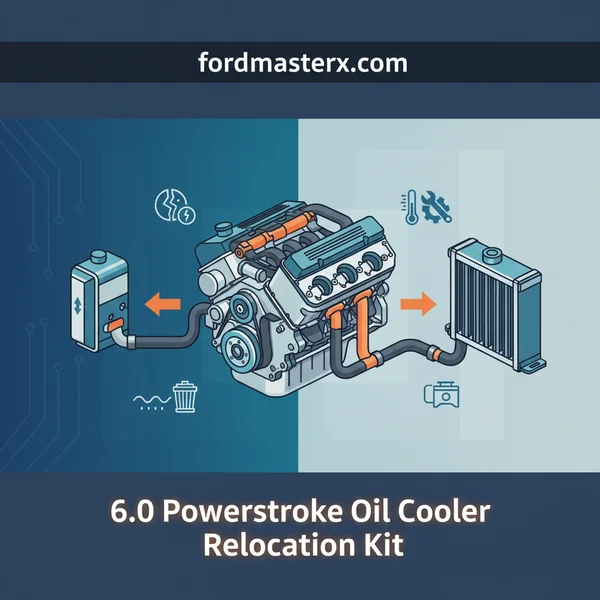
The best relocation kit for you depends on whether you want to stick with a liquid-to-liquid cooling method or upgrade to an air-to-oil system. While the initial investment is higher than a standard OEM replacement, the long-term savings in labor and “bulletproofing” make these kits essential for any 6.0 owner. This guide compares the industry-leading options to help you choose the right balance of cooling efficiency and installation complexity.
Top 6.0 Powerstroke Oil Cooler Relocation Kits Compared
When choosing a relocation kit, you are primarily looking at build quality, hose durability, and the quality of the relocation block. The relocation block replaces the factory oil cooler cover and redirects oil and coolant flow through heavy-duty lines. High-quality kits use CNC-machined aluminum plates and braided stainless steel or high-pressure hydraulic hoses to ensure zero leaks under the high-pressure conditions of the 6.0 system.
📤 Share
💾 Download
Bullet Proof Diesel (BPD) Remote Oil Cooler Systems
Bullet Proof Diesel is widely considered the gold standard for 6.0 Powerstroke reliability. Their remote systems are designed for owners who never want to touch their oil cooler again. Unlike other kits, BPD offers a full conversion that often eliminates the factory-style cooler in favor of a heavy-duty heat exchanger. This is the most robust option on the market, though it carries the highest price tag.
- Build Quality: Features thick, CNC-machined bypass blocks and high-grade mounting brackets.
- Price Point: Typically ranges from $1,800 to $2,500 depending on the specific configuration.
- Ease of Installation: Moderate to high. It requires significant front-end disassembly to mount the external heat exchanger.
- Reliability: Exceptional. It removes the potential for internal mixing of oil and coolant entirely in their air-cooled models.
IPR Research (International Performance Research) External Oil Cooler Kit
IPR offers a unique take by keeping a liquid-to-liquid cooling design but moving it to a location that is easy to service. This kit is favored by those who want to retain the efficiency of liquid cooling without the “valley-buried” headache. It utilizes a high-flow, stainless steel heat exchanger that is much more resistant to clogging than the factory aluminum unit.
- Build Quality: Uses a stainless steel stack-plate heat exchanger which is far more durable than the OEM aluminum unit.
- Price Point: Usually sits between $700 and $1,200, making it a mid-tier financial investment.
- Ease of Installation: Moderate. The system mounts near the radiator or frame rail, making future swaps a 30-minute job instead of a 10-hour teardown.
- Reliability: High. The increased flow diameter prevents the “clogging” issue that kills stock coolers.
The Ultimate 6.0 Powerstroke Oil Cooler Relocation Walkthrough
Recommended Best Deal Products


The 6.0L Powerstroke engine is notorious for oil cooler failures, which often lead to catastrophic EGR cooler ruptures and engine overheating. Relocating the oil cooler to an external position not only prevents the factory “sand-casting” debris from clogging the tiny cooling veins but also makes future maintenance significantly easier. This guide provides a comprehensive walkthrough for installing a relocation kit, typically moving the heat exchanger from the engine valley to a more accessible location behind the grille. Following these steps precisely is critical to ensuring your high-pressure oil system remains sealed and your cooling system functions at peak efficiency.
Step 1: System Drainage and Workspace Preparation
What you need: Large drain pans (5+ gallon capacity), 19mm socket, radiator drain tool, and shop towels.
Instructions: Start with a cool engine. Place your drain pans beneath the radiator and the oil pan. Open the radiator drain petcock to remove the engine coolant. Simultaneously, remove the oil pan drain plug with a 19mm socket to empty the crankcase. While the fluids are draining, remove the air intake assembly, the batteries, and the battery trays to create ample room to work. Labeling your battery connections is helpful if you aren’t familiar with the dual-battery layout. Once the fluids have slowed to a drip, remove the primary oil filter and the cap to allow the remaining oil in the housing to drain back into the pan. This prevents a massive mess when you eventually lift the oil cooler cover.
Pro Tip: Use a clear container to catch the first bit of coolant; if you see gold or white flakes, your oil cooler has likely already started to fail or “puke,” and you may need to perform a chemical flush before proceeding with the relocation.
Step 2: Turbocharger and Intake Manifold Removal
What you need: 10mm, 11mm, and 13mm deep sockets, 12-point 10mm socket, and a penetrant spray like PB Blaster.

Audible — Listen Free for 30 Days
One free credit a month and thousands of titles included.
Listen Free for 30 Days As an Amazon Associate I earn from qualifying purchases.Instructions: To access the oil cooler valley, you must remove the turbocharger. Spray the exhaust flange bolts with penetrant 30 minutes prior. Remove the V-band clamps on the downpipe and the turbo inlet. Use a 12-point 10mm socket to remove the three mounting bolts holding the turbo to the pedestal. Carefully lift the turbo out—it is heavy, so use a hoist or a second set of hands. Once the turbo is clear, remove the intake manifold by unbolting the various 10mm bolts securing it to the heads. You will also need to disconnect the FICM (Fuel Injection Control Module) wiring harness and the fuel lines. Be extremely careful not to drop any bolts into the open intake ports of the cylinder heads; use painters tape to cover the ports immediately upon removal.
Pro Tip: The rear turbo mounting bolt is notoriously difficult to reach. Use a long extension and a swivel joint, and approach it from the passenger side for the best leverage.
Step 3: Factory Oil Cooler Extraction and Valley Cleanup
What you need: T30 Torx bit, brake cleaner, shop vacuum, and a lint-free rag.
Instructions: With the intake manifold gone, the oil cooler cover is exposed in the center of the engine “V.” Use a T30 Torx bit to remove the bolts securing the cover. Pry the cover up gently; be prepared for residual oil and coolant to spill. Lift the old cooler assembly out and discard it according to your kit’s instructions. Now comes the most important part: cleaning. Use a shop vacuum to suck out any debris or standing fluid in the valley. Clean the gasket mating surfaces on the engine block until they are shiny and smooth using brake cleaner and a lint-free rag. Any dirt left here will cause an oil leak that requires a full teardown to fix later.
Pro Tip: Inspect the high-pressure oil pump (HPOP) screen located in the floor of the reservoir under the cooler. If it is torn or clogged with stainless steel mesh, replace it now with an upgraded stainless steel version.
Step 4: Installing the Relocation Base Plate
What you need: Relocation kit base plate, new O-rings/gaskets, and a torque wrench (inch-pounds).
Instructions: Lubricate the new O-rings with clean engine oil and seat them into the grooves of your relocation base plate. This plate replaces the factory oil cooler cover and features ports for the external lines. Carefully lower the base plate onto the block, ensuring the gaskets stay in their tracks. Hand-start all the mounting bolts to avoid cross-threading. Using a torque wrench, tighten the bolts in a criss-cross pattern to 120 inch-pounds (10 foot-pounds). Do not over-torque, as the aluminum housing can crack or strip easily. Once the plate is secure, install the provided AN-style fittings or hose barbs into the plate ports, using a thread sealant if specified by the manufacturer.
Pro Tip: Double-check that the bypass valve in the new plate is seated correctly. Some kits require you to transfer the old valve, while others provide a high-flow replacement.
Step 5: Mounting the External Heat Exchanger
What you need: External oil cooler core, mounting brackets, drill, and self-tapping screws (if not using factory holes).
Instructions: Most relocation kits place the new air-to-oil cooler in front of the AC condenser. Remove the plastic trim or “shroud” above the radiator. Position the new cooler core so it receives maximum airflow but does not rub against the radiator or condenser fins. Use the brackets provided in your kit to secure the cooler to the core support. Ensure there is at least a 1/2-inch gap between the new cooler and the condenser to prevent vibration damage. If your kit includes a thermostat housing, mount it in an accessible location along the frame rail or near the radiator support, ensuring it is oriented correctly for oil flow (look for “In” and “Out” markings).
Audible Premium Plus — Annual Membership
12 audiobook credits up front, plus the full Audible catalogue.
See Annual Plans As an Amazon Associate I earn from qualifying purchases.Pro Tip: Use rubber isolators or grommets when mounting the brackets. The 6.0L diesel vibrates significantly, and rigid mounting can lead to stress cracks in the aluminum cooler core over time.
Step 6: Routing and Securing Hydraulic Lines
What you need: High-pressure hydraulic hoses, AN wrenches, zip ties, and protective loom.
Instructions: Route the hoses from the engine base plate to the external cooler. Avoid sharp bends and keep the lines away from the exhaust manifolds and the steering shaft. If the hoses must pass through the radiator shroud, use a hole saw to create a clean passage and install a rubber grommet to prevent chafing. Tighten the AN fittings “snug plus a quarter turn”—over-tightening AN fittings can deform the flare and cause permanent leaks. Secure the lines every 12-18 inches using heavy-duty zip ties or cushioned P-clamps. Ensure the hoses have enough slack to account for engine movement under torque but are not loose enough to dangle or catch on moving parts like the cooling fan.
Pro Tip: Use heat-reflective fire sleeve or plastic loom on any section of the hose that passes within 4 inches of the exhaust or turbocharger. High heat will eventually degrade even the toughest hydraulic hoses.
Step 7: Reassembly and Fluid Replenishment
What you need: 15 quarts of 15W-40 oil, 4 gallons of concentrated ELC (Extended Life Coolant), and distilled water.
Instructions: Reinstall the intake manifold and turbocharger in the reverse order of removal. Ensure all V-band clamps are seated perfectly to prevent boost leaks. Reconnect the FICM and all electrical sensors. Once the engine is back together, fill the crankcase with 15 quarts of high-quality oil. Because you have added an external cooler and long hoses, you will likely need an extra 1-2 quarts beyond the factory capacity. Fill the cooling system with a 50/50 mix of ELC and distilled water. Leave the degas bottle cap off for the initial start-up to allow air to escape the system.
Pro Tip: Before trying to start the truck, disconnect the FICM relay. Crank the engine in 15-second intervals to build oil pressure and fill the new cooler/lines without the engine firing. This prevents a “dry start” on the bearings.
Step 8: System Priming and Leak Check
What you need: Flashlight, infrared thermometer, and an OBDII monitor (like Edge Insight or Forscan).
Instructions: Reconnect the FICM relay and start the engine. It may run roughly for a few minutes as air is purged from the high-pressure oil rails. Let the engine idle and use a flashlight to inspect every fitting on the base plate, the external cooler, and the hose connections. Once the engine reaches operating temperature (190°F+), use your OBDII monitor to check the “Delta”—the temperature difference between the Oil Temp (EOT) and Coolant Temp (ECT). With an external relocation kit, your EOT should stay very close to or even below your ECT during normal driving. Check the fluid levels again after the first 20-mile test drive, as the air in the cooling system will eventually settle, requiring a small top-off.
Pro Tip: Check your hose fittings again after 500 miles. Thermal expansion and vibration can sometimes loosen a fitting that seemed tight during the initial install.
✅ Final Checklist
- Verify all 120 in-lb torque specs on the base plate bolts.
- Confirm the turbo V-band clamps are flush and tight (no soot leaks).
- Ensure hydraulic lines are not touching the steering shaft or exhaust.
- Check that the coolant level is at the “Minimum” line when hot (to allow for expansion).
- Monitor EOT vs. ECT deltas to ensure they are within 15 degrees of each other.
Important Notes:
- Safety: Always wear eye protection when working with pressurized systems and never open a hot degas bottle.
- Professional Help: If you find heavy metal shavings in the oil reservoir or the engine valley is cracked, stop and consult a diesel specialist.
- Estimated Time: 8–12 hours for an experienced DIYer; 15+ hours for a beginner.
- Cost Range: $600 – $2,500 depending on the brand and whether it includes a new filtration system.
Air-to-Oil vs. Remote Liquid-to-Liquid Systems
Understanding the difference between these two systems is critical for your truck’s specific use case. The factory 6.0 design uses a liquid-to-liquid cooler, meaning engine coolant absorbs heat from the oil. When you relocate this system, you must choose whether to continue using coolant as the cooling medium or switch to the ambient air flowing through your grille.

The Air-to-Oil Advantage (The BPD Style)
Air-to-oil systems function like a secondary radiator specifically for your engine oil. By mounting a large heat exchanger in front of the A/C condenser, you decouple the oil cooling from the engine’s coolant system. This is a massive reliability boost because even if your coolant becomes contaminated, it cannot clog your oil cooling passages. This setup is ideal for trucks that spend a lot of time on the highway or in extremely hot climates.
- Pro: Eliminates the risk of coolant-side clogging affecting oil temperatures.
- Pro: Simplifies the cooling system by reducing the load on the primary radiator.
- Con: Oil may take longer to reach operating temperature in sub-zero winter climates without a thermostat.
Maintaining Liquid-to-Liquid Efficiency (The IPR/Remote OEM Style)
Remote liquid-to-liquid systems keep the factory’s cooling logic but move the hardware to an accessible spot. Liquid-to-liquid cooling is generally more efficient at stabilizing temperatures quickly. This is beneficial for trucks that perform frequent short trips or operate in extremely cold environments, as the engine coolant helps “warm up” the oil faster during a cold start. By relocating this unit, you retain that efficiency while gaining the ability to swap the cooler out in minutes if it ever does become restricted.
- Reliability Fix: Most remote kits use “high-flow” coolers with larger internal passages than the stock Ford unit.
- Maintenance Benefit: If a delta spread develops, you can back-flush the cooler easily since it is no longer buried under the intake manifold.
- Installation: Generally requires less modification to the front cooling stack than air-to-oil kits.
Technical Advantages of External Cooler Placement
Recommended Best Deal Products


Moving your oil cooler away from the engine valley isn’t just about making it easier to reach; it’s about smarter thermal management. In the stock configuration, the oil cooler is buried deep within the engine block, where it is surrounded by high-temperature components and trapped fluids that hold onto heat long after the engine is shut off.
Optimized Airflow and Heat Dissipation
By relocating the cooler to an external position—often behind the front bumper or integrated with the radiator stack—you expose the unit to direct, high-velocity airflow. This shift significantly reduces the Engine Oil Temperature (EOT) by ensuring the heat has a clear path to escape rather than being re-absorbed into the heavy cast-iron engine block.
- Lower Operating Temperatures: External setups can drop peak oil temperatures by 10 to 20 degrees during heavy towing or steep climbs.
- Reduced Heat Soak: After shutting down the engine, an external cooler sheds heat much faster, preventing oil degradation from prolonged high-heat exposure.
- Protection Against Fluid Cross-Contamination: If an external air-to-oil cooler fails, you avoid the catastrophic scenario where oil and coolant mix inside the block, which is a common failure point for the factory unit.
Enhanced Component Longevity
Keeping your oil cooler away from the engine’s “hot zone” protects your fuel injectors and turbocharger. Since the 6.0 Powerstroke uses high-pressure oil to fire the injectors, cooler, cleaner oil directly translates to a smoother-running engine and fewer expensive repairs over the life of the vehicle. By keeping the oil within a stable temperature range, you also preserve the integrity of your engine’s seals and gaskets.
Critical Factors When Selecting a Relocation Kit
Not all relocation kits are created equal. Since you are trusting this system with the lifeblood of your engine, choosing high-quality components is non-negotiable. A budget kit might save money upfront, but a failed hose or fitting can lead to total engine failure in seconds.
Hose Durability and Fitting Quality
The hoses in these kits must withstand extreme pressures and constant heat cycles without softening or leaking. Look for kits that utilize braided stainless steel lines or heavy-duty hydraulic hoses rated for at least 300°F and high PSI. The fittings should be high-quality AN fittings or crimped hydraulic ends to ensure a leak-proof seal under the high-pressure demands of the Powerstroke oil system.
- Billet Aluminum Adapters: Ensure the base plates and transfer blocks are CNC-machined from billet aluminum for maximum strength and a perfect seal against the block.
- Filtration Options: Many premium kits allow you to integrate a spin-on oil filter. This makes oil changes much faster and offers superior filtration compared to the factory plastic housing.
- Coolant Filtration Integration: Some advanced kits include ports to easily add a coolant filter, which helps remove the sand and debris that typically clog stock coolers.
Ease of Maintenance and Access
The primary reason most owners switch is for serviceability. A well-designed kit places the oil filter and cooler in a location that can be reached without tearing down the top half of the engine. For example, kits that mount the filter in the fender-well or on the frame rail allow for a 15-minute oil change rather than a multi-hour ordeal involving the removal of the intake and turbo components.
Conclusion
Upgrading to a 6.0 Powerstroke oil cooler relocation kit is one of the most effective ways to “bulletproof” your engine and ensure long-term reliability. By moving the cooling process outside the engine valley, you achieve better thermal management, easier maintenance, and protection against the dreaded oil cooler clog. Whether you choose an air-to-oil or a relocated liquid-to-liquid system, the improvement in engine health and owner peace of mind is undeniable.
Your next steps should be to monitor your current Engine Oil Temperature (EOT) and Engine Coolant Temperature (ECT) deltas using a digital monitor. If you see a consistent difference of more than 15 degrees during normal driving, it’s time to invest in a high-quality relocation kit. Don’t wait for a cooling failure to leave you stranded—take control of your truck’s longevity today and keep your Powerstroke running cool for years to come.
❓ Frequently Asked Questions
What is the main difference between Bulletproof Diesel and IPR kits?
Bulletproof Diesel uses an air-to-oil heat exchanger mounted behind the grille, whereas IPR offers a remote liquid-to-liquid system that keeps the heat exchange process similar to stock but externally located.
How does a relocation kit improve the Delta between EOT and ECT?
By moving the cooler away from engine valley debris and utilizing high-efficiency exchangers, these kits maintain a tighter temperature spread, preventing oil breakdown.
Are there any specific tools required for installing a relocation kit?
Beyond basic mechanics tools, you may need specialized fuel line disconnect tools and a high-quality torque wrench for the manifold bolts.
Will these kits fit on a truck with an aftermarket front bumper?
Air-to-oil coolers mounted in front of the radiator may require minor bracket modifications if a heavy-duty winch bumper or brush guard is present.
Does relocating the oil cooler affect oil pressure?
High-quality kits are engineered with high-flow lines and manifolds to ensure that oil pressure remains within factory specifications or is slightly improved.
Can I install a coolant filtration system alongside a relocation kit?
Absolutely, many relocation kits are designed to integrate seamlessly with bypass oil or coolant filtration systems for maximum engine longevity.