Ford Explorer Tire Pressure Sensor Fault Reset: All Models Step-By-Step Guide 2026

The illuminated Tire Pressure Monitoring System (TPMS) light on your Ford Explorer’s dashboard is more than just an annoyance; it signals a crucial safety concern. When this warning persists despite checking your tire pressure, it often indicates a deeper ‘Tire Pressure Sensor Fault’ that requires specific diagnostic and reset procedures. This comprehensive guide for all Ford Explorer models up to 2026 will meticulously detail the causes, provide step-by-step reset instructions, and offer expert troubleshooting to resolve your TPMS fault efficiently and effectively.

Understanding Your Ford Explorer’s Tire Pressure Monitoring System (TPMS) Functionality
Recommended Best Deal Products


📤 Share Image
The Tire Pressure Monitoring System (TPMS) in your Ford Explorer is a critical safety feature designed to alert you when one or more of your tires are significantly under-inflated. Ford Explorers predominantly utilize a direct TPMS, which means each tire, including often the spare, is equipped with a battery-powered sensor located inside the tire, usually integrated with the valve stem. These sensors constantly measure the real-time pressure and temperature within each tire.
These individual sensors transmit data wirelessly to the vehicle’s central control unit, typically the Body Control Module (BCM) or a dedicated TPMS module. This system’s continuous monitoring provides highly accurate pressure readings, distinguishing it from indirect TPMS, which relies on the ABS wheel speed sensors to infer tire pressure changes. When the system detects a significant deviation from the recommended pressure (usually 25% below placard pressure), it triggers the TPMS warning light on your dashboard – an amber icon resembling a tire cross-section with an exclamation point.
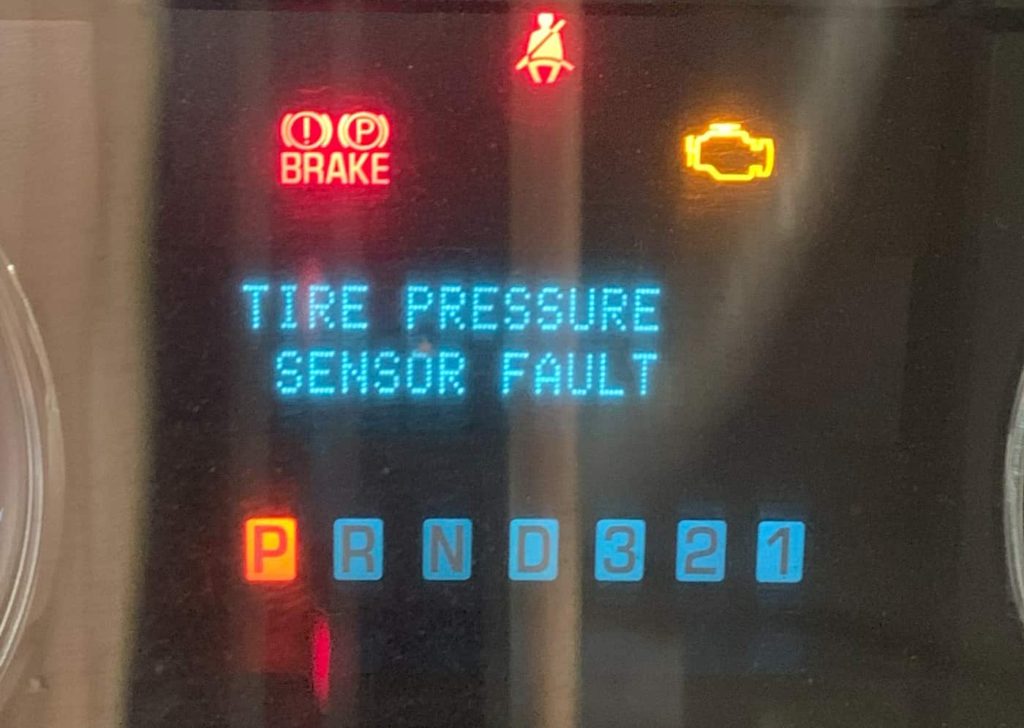
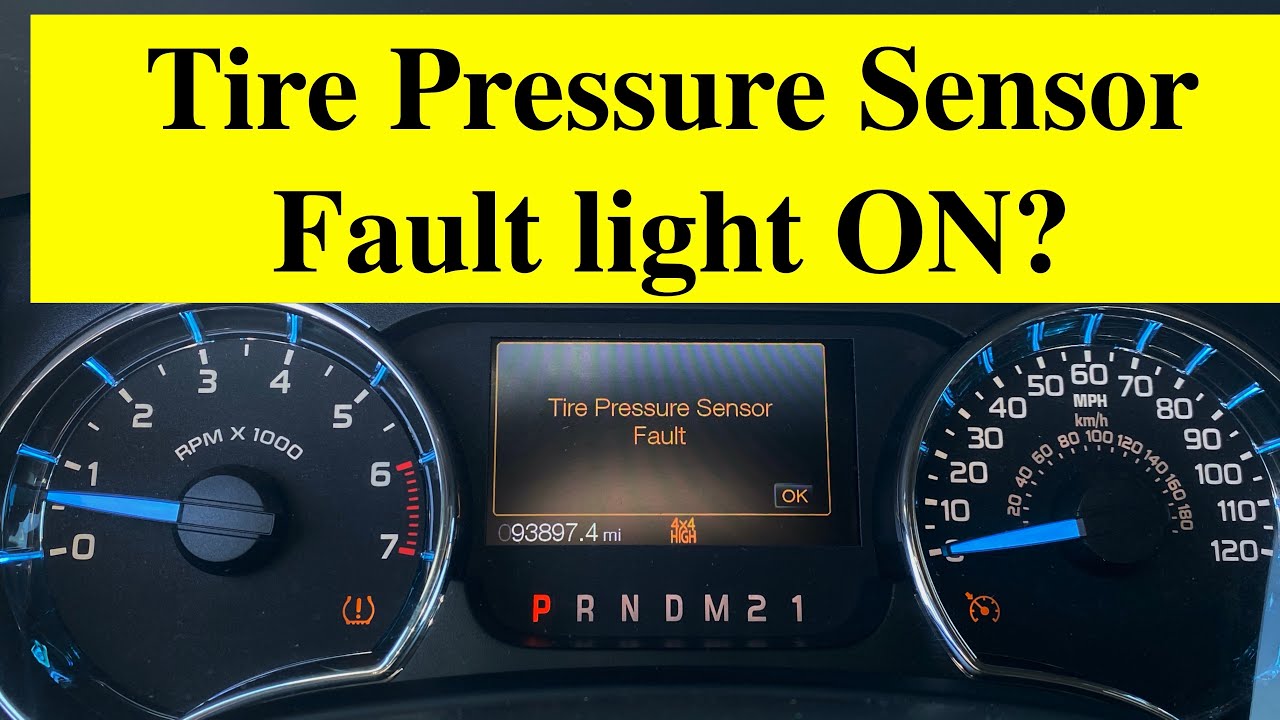
In addition to the warning light, newer Ford Explorer models (typically 2011 and later, especially with Sync systems) will display specific messages in the instrument cluster, such as ‘Tire Pressure Sensor Fault’, ‘Check Tire Pressure System’, or ‘TPMS Malfunction’. For instance, a 2010 Explorer might simply show the amber light, while a 2020 Explorer with Sync 3 or 4 will provide detailed alerts and often even show individual tire pressures.
The safety role of TPMS is paramount. Research indicates that the TREAD Act of 2000 mandated TPMS on all new vehicles in the US by 2007 due to its proven efficacy. Studies show that TPMS reduces accident rates related to underinflated tires by 9% for light trucks and SUVs, categories in which the Ford Explorer falls. This system helps prevent blowouts, improves braking performance, and enhances fuel efficiency. A common cause of a TPMS fault, particularly in older vehicles, is the depletion of the sensor’s internal battery, which typically has a lifespan of 5-10 years.
By The Numbers
Accident Rate Reduction (SUVs)
Typical Sensor Battery Lifespan
Mandatory TPMS in US Vehicles

Diagnosing Common Causes of a Ford Explorer TPMS Fault
When your Ford Explorer’s TPMS warning light illuminates or a ‘Tire Pressure Sensor Fault’ message appears, it’s crucial to understand the potential underlying causes. Distinguishing between a simple pressure issue and a more complex component malfunction is key to an effective troubleshoot.
Low Tire Pressure
The most frequent cause, accounting for approximately 85% of TPMS warnings according to NHTSA data, is simply low tire pressure. Tire pressure naturally fluctuates with ambient temperature; a drop of 10°F (5.5°C) can result in a loss of about 1 PSI. This is why the TPMS light often appears on a cold morning. Always check all four tires, and the spare if your model includes it in the TPMS, against the recommended pressure found on your driver’s side door jamb placard.
Sensor Battery Depletion
As mentioned, TPMS sensors are battery-powered. Sensor battery life typically ranges from 7 to 10 years or 100,000 miles. When a battery begins to fail, the sensor might send intermittent signals, causing the TPMS light to come on and off, before failing completely. This often mimics a sensor malfunction and is a very common cause of faults in Explorers over six years old. A dying battery often appears as a permanent ‘Tire Pressure Sensor Fault’ message when the sensor can no longer transmit any data.
Sensor Damage or Malfunction
Sensors are delicate electronic components located inside the tire. They can be damaged during tire service (mounting or dismounting), especially if not handled correctly. Impacts from potholes, curbing, or even minor accidents can also damage the sensor housing or internal components. Internal component failure, although less common than battery depletion, can also cause a sensor to cease functioning, leading to a fault. In some cases, a single tire consistently showing a low-pressure warning despite being correctly inflated points to a faulty sensor in that wheel.
TPMS Module Issues or Wiring Problems
While less common than sensor issues, the central TPMS control unit (module) or its electrical connections can also develop faults. These can be more complex to diagnose and often require specialized Ford diagnostic tools to identify communication errors or internal module failures. Symptoms might include multiple sensors reporting issues or intermittent warnings that don’t correlate with individual tire problems.

Audible — Listen Free for 30 Days
One free credit a month and thousands of titles included.
Listen Free for 30 Days As an Amazon Associate I earn from qualifying purchases.Recent Tire Service
A common scenario is a TPMS light appearing immediately after a tire shop visit for a rotation, replacement, or repair. If sensors are not properly relearned, reinstalled, or if a new sensor is not programmed to the vehicle, the system will register a fault. This is often a procedural oversight rather than a component failure, requiring a proper relearn procedure to resolve.
Always use a high-quality, accurate tire pressure gauge, not just the one at the gas station. Many digital gauges offer superior precision. Inaccurate initial pressure readings can lead to misdiagnosis and unnecessary resets.
Step-by-Step: Resetting Your Ford Explorer’s TPMS System (All Models)
Recommended Best Deal Products


Resetting your Ford Explorer’s TPMS fault light can often be a straightforward process, provided the underlying issue is resolved. Here’s a comprehensive guide applicable to a wide range of Explorer models, from older generations to the latest 2026 models.
📋
Step-by-Step Guide
Before attempting any reset, ensure all tires are inflated to the manufacturer’s recommended PSI. This specification is typically found on a placard inside the driver’s side door jamb. Use a reliable tire pressure gauge. Do not rely on gas station gauges as they can be inaccurate. This includes the spare tire if your Explorer model (e.g., some Limited or Platinum trims) has a TPMS sensor in the spare. Inconsistent or incorrect pressure readings are the leading cause of TPMS warnings.
After correcting all tire pressures, take your Explorer for a drive. The system typically requires driving at speeds above 20 mph (32 km/h) for a duration of 10-20 minutes to allow the sensors to transmit updated data and the system to self-relearn. For some Ford models, this relearn process can take up to 20 miles of driving. Ensure the drive is consistent, without too many stops or starts. This method is universal across virtually all Ford Explorer models with direct TPMS, from a 2008 XLT to a 2024 Timberline.
For newer Ford Explorer models (typically 2011 onwards, especially those with Sync 2, 3, or 4), you might find a dedicated reset option through the dashboard menu.
Procedure:
1. Turn the ignition ON (engine can be off).
2. Navigate to the vehicle’s infotainment screen or instrument cluster display using steering wheel controls.
3. Go to Settings > Vehicle > Tire Pressure Monitoring System > Reset (exact path may vary slightly by model year and software version, e.g., a 2023 Explorer might have it under ‘Driver Assistance’).
4. Confirm the reset. Then, follow up with the driving cycle mentioned in Step 2.
Audible Premium Plus — Annual Membership
12 audiobook credits up front, plus the full Audible catalogue.
See Annual Plans As an Amazon Associate I earn from qualifying purchases.Some older Ford Explorer models (typically pre-2010) or specific scenarios might respond to an ignition cycle reset.
Procedure:
1. Inflate all tires to the recommended pressure.
2. Turn the ignition to the ON position (engine off).
3. Press and hold the brake pedal for a few seconds.
4. Turn the ignition OFF.
5. Repeat steps 2-4 three times.
6. Start the engine and drive for at least 10 minutes above 20 mph. This method is less common for newer models but serves as a viable workaround for some early direct TPMS systems.
If a sensor has been replaced or tires have been rotated (and the vehicle requires a manual relearn for rotation, which many Explorers do not as they auto-locate), a specific relearn procedure is required. Ford’s official service bulletins recommend using a dedicated TPMS activation tool (e.g., Motorcraft TPMS-19 or a universal relearn tool).
Procedure (simplified):
1. Turn the ignition ON, then OFF.
2. Press and release the brake pedal.
3. Turn the ignition to ON, then OFF.
4. Press and release the brake pedal.
5. Turn the ignition to ON (system should enter “TPMS training mode,” indicated by horn honking once).
6. Using the TPMS tool, activate the sensor in the Left Front (LF) tire.
7. Once the horn honks, activate the Right Front (RF) tire.
8. Repeat for Right Rear (RR) and Left Rear (LR) tires in sequence.
9. The horn will honk twice to confirm completion. This ensures the vehicle’s computer recognizes the new sensor IDs and their correct locations.
Advanced Troubleshooting: When Your Ford Explorer’s TPMS Fault Persists
Recommended Best Deal Products


If, after performing the basic reset procedures, your Ford Explorer’s TPMS fault light remains illuminated or reappears, it’s time for more advanced diagnose and repair steps. This usually indicates a component failure rather than a simple pressure issue.
Pinpointing the Faulty Sensor
A professional TPMS scan tool is invaluable here. Unlike basic OBD-II scanners, a dedicated TPMS tool can communicate directly with individual sensors. It can read each sensor’s unique ID, current pressure, temperature, and crucially, its battery status. This allows a technician to quickly identify which specific sensor is malfunctioning or has a depleted battery. For example, if a 2018 Explorer consistently shows a fault despite proper inflation, a scan tool can reveal that the “Right Rear Sensor Battery Low” is the root cause.
Sensor Replacement Best Practices
Once a faulty sensor is identified, replacement is necessary. You have options between Original Equipment Manufacturer (OEM) sensors and aftermarket alternatives. While aftermarket sensors can be more affordable (a single TPMS sensor can cost between $30-$100), OEM sensors generally offer guaranteed compatibility and performance. The critical aspect is professional installation, which involves dismounting the tire, replacing the sensor, remounting and balancing the tire, and then performing the Ford-specific relearn procedure (as outlined in Step 5 above). Labor for replacement and relearn typically adds $50-$150 per wheel.
Inspecting the TPMS Module
If all sensors check out, the issue might lie with the TPMS control module itself. In many Ford Explorers, this module is integrated into the BCM, while in others, it’s a standalone unit. Symptoms of module failure can be erratic readings from multiple sensors, or the system failing to reset even after all sensors are confirmed good. Diagnosing a module fault requires advanced scan tools (like Ford IDS/FDRS software) to check for communication errors. The TPMS module itself can cost upwards of $200-$500 if replacement is necessary, plus labor.
Professional Diagnostics
When basic resets and simple sensor replacements don’t resolve the fault, it’s time to seek assistance from a Ford dealership or a certified automotive technician. They possess the specialized Ford IDS (Integrated Diagnostic System) or FDRS (Ford Diagnostic and Repair System) software, which can perform deep-level diagnostics, check firmware, and identify complex electrical issues, wiring problems, or even Engine Control Unit (ECU) communication faults that might be impacting the TPMS. A scenario where, after replacing all tires, the TPMS light remains on despite driving, despite all sensors being new, often points to an issue requiring professional-grade debug.
Addressing False Readings
Occasionally, external factors can cause what appear to be false readings. Aftermarket wheel modifications, especially those that alter sensor placement or use non-compatible materials, can interfere. Certain tire sealants or slime products can clog or damage TPMS sensors. Less commonly, strong radio interference from external sources could temporarily affect sensor communication, though Ford systems are generally robust against this. If such issues are suspected, addressing the external factor is the first step in a workaround.
Never ignore a persistent TPMS warning. While it might seem like a minor electronic glitch, it’s a safety system designed to prevent accidents. Driving on significantly underinflated tires can lead to tire failure, loss of vehicle control, and severe injury or fatality. Seek professional diagnosis if the fault cannot be resolved with basic resets.
Preventative Maintenance for Your Ford Explorer’s TPMS and Tires
Proactive maintenance is the best defense against TPMS faults and extends the lifespan of your tires and sensors. Implementing a routine maintenance schedule can significantly reduce the likelihood of encountering a TPMS issue on your Ford Explorer.
Regular Tire Pressure Checks
Even with a functional TPMS, manual checks are crucial. Make it a habit to check your tire pressure weekly or bi-weekly using a reliable gauge, especially before long trips or during significant temperature fluctuations. Driving with properly inflated tires can improve fuel efficiency by up to 3% and extend tire life by thousands of miles, while underinflated tires are a factor in over 600 fatalities and 33,000 injuries annually.
Proper Tire Rotation and Balancing
Adhere to Ford’s recommended tire rotation schedule (typically every 5,000-7,500 miles). This ensures even tire wear, prolongs tire life, and helps maintain balanced pressure distribution across all wheels. While many newer Explorers can auto-locate sensors after rotation, ensuring a proper balance also reduces stress on the entire wheel assembly, including the sensor.
Mindful Driving Habits
Avoid potholes, curbing, and sudden impacts that can physically damage sensors mounted inside the wheels. These actions can not only damage the tire and rim but also cause internal trauma to the delicate electronics of the TPMS sensor, leading to premature failure.
Scheduled TPMS Inspection During Service
Advise your tire technician to inspect your TPMS sensors during routine tire services, such as rotations or tire replacements. They can visually check for damage and use a TPMS scan tool to check battery health, especially as your Explorer ages. This preventative measure can catch a dying sensor before it becomes a fault.
Understanding Sensor Lifespan
Be prepared for eventual sensor battery depletion. As discussed, sensors have a finite life of typically 7-10 years. If your Explorer is approaching or beyond this age, it’s wise to budget for potential sensor replacements during your next tire change, as replacing them proactively during tire service is more cost-effective than doing them individually later.
Enhanced Safety
Properly maintained TPMS alerts you to dangerous low-pressure conditions, preventing blowouts and improving vehicle control.
Improved Fuel Economy
Correct tire inflation, ensured by a working TPMS, can significantly boost your Ford Explorer’s gas mileage.
Extended Tire Life
Maintaining optimal pressure prevents premature and uneven tire wear, saving you money on early replacements.
In summary, TPMS faults in your Ford Explorer are primarily caused by low pressure, sensor battery depletion, or physical damage. The initial solution involves ensuring correct tire inflation followed by a driving cycle or a manual reset. Persistent faults often necessitate professional diagnosis to pinpoint and repair a faulty sensor or module. Regular tire maintenance is crucial for preventing future TPMS issues and ensuring your vehicle’s safety and optimal performance.
By following these detailed steps, Ford Explorer owners can confidently diagnose and reset their TPMS fault. If the issue persists, consult a certified technician to ensure your vehicle’s safety and proper operation. A functional TPMS is not just a convenience; it’s a vital component of your vehicle’s active safety system.
Frequently Asked Questions
Why does my Ford Explorer TPMS light come on after a tire rotation?
A TPMS light after rotation typically indicates the vehicle’s system needs to relearn the new sensor positions. While some Explorers self-relearn after driving, others, especially after sensor replacement, require a manual relearn procedure or a specialized TPMS activation tool to correctly register each sensor’s new location and signal.
How long do Ford Explorer TPMS sensors last?
Ford Explorer TPMS sensors generally last between 7 to 10 years, or approximately 100,000 miles. Their lifespan is primarily limited by the internal, non-replaceable battery. Once the battery depletes, the sensor will cease transmitting data, triggering a fault light that necessitates sensor replacement.
Can I drive my Ford Explorer with the TPMS light on?
While technically possible, driving with the TPMS light on is not recommended. It signifies that your tire pressure monitoring system is not functioning correctly, potentially masking dangerously low tire pressure. This can compromise vehicle handling, fuel efficiency, tire longevity, and overall safety, increasing accident risk.
Do I need a special tool to reset my Ford Explorer’s TPMS?
For most basic TPMS fault resets due to low pressure, a special tool is not required; driving or manual menu resets suffice. However, if a sensor has been replaced or moved, some Ford Explorer models, particularly newer ones, will require a dedicated TPMS activation tool for the system to ‘relearn’ the new sensor IDs and locations.
What is the typical cost to replace a Ford Explorer TPMS sensor?
The typical cost to replace a single Ford Explorer TPMS sensor ranges from $30 to $100 for the part itself. Labor costs for installation and the necessary relearn procedure can add another $50 to $150 per wheel. Prices vary based on sensor type (OEM vs. aftermarket) and the service provider.