Ford 7.3 Powerstroke Years to Avoid – Before You Buy 2026

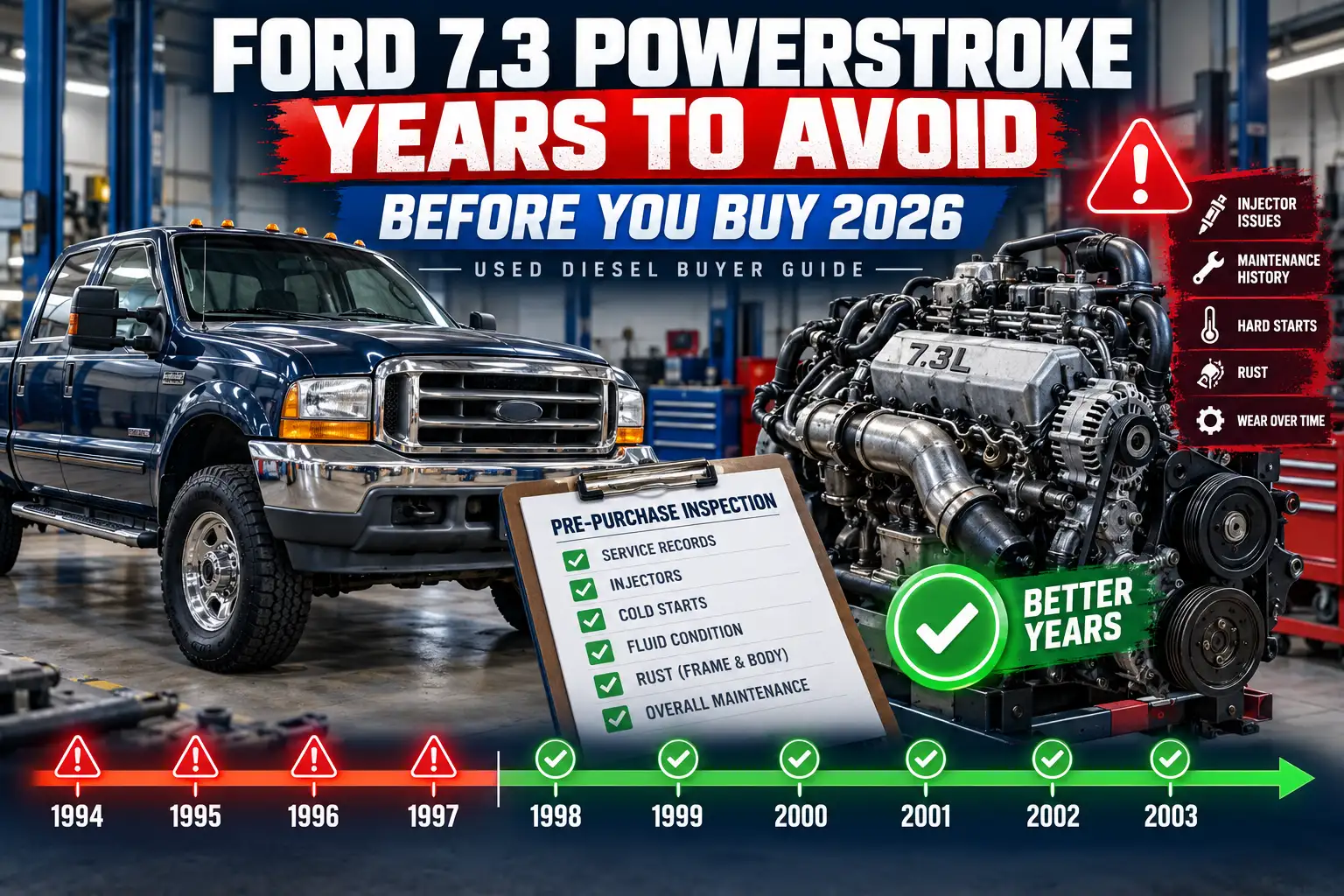
The Ford 7.3 Powerstroke years to avoid are not a simple list of bad model years. The clearest documented warning concerns certain 2001 trucks with 4R100 automatic transmissions built from July 27, 2000, through March 23, 2001. Other 2001–2003 trucks deserve a closer look if they have aggressive engine modifications or missing maintenance records, but a stock, well-maintained example should not be rejected solely because of its year.


Ford offered the 7.3L Power Stroke for the 1994–2003 model years, according to Ford’s official Power Stroke history. For a used F-250, F-350, Excursion, or E-Series, verify the build, repair history, and condition.
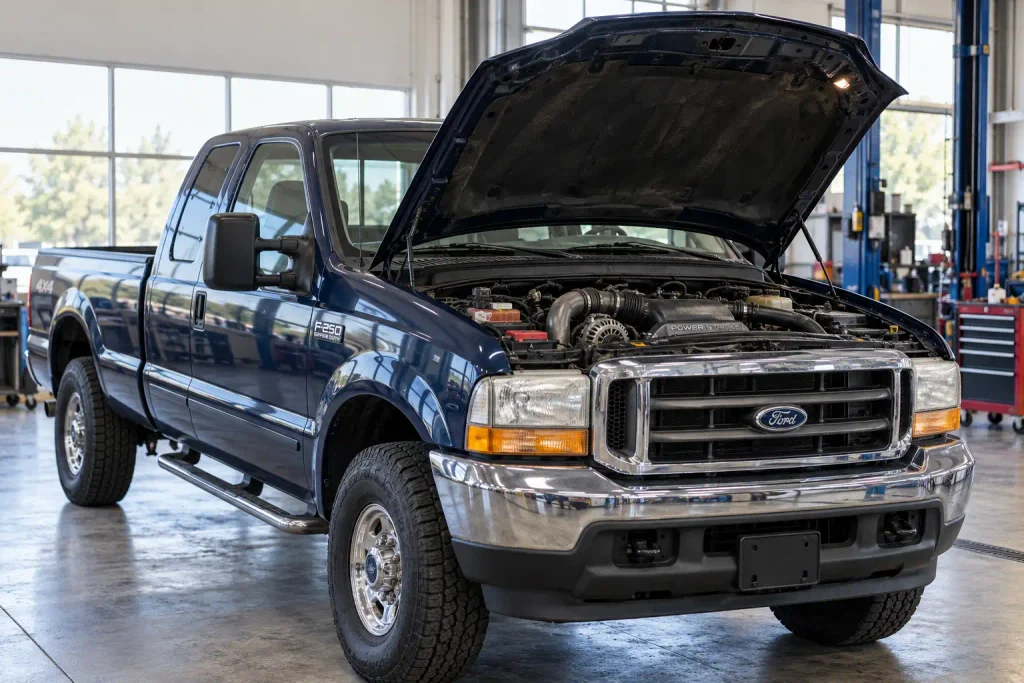
Ford 7.3L Power Stroke · 1994–2003
Used-Truck Buyer Decision Flow
A model year is a starting point, not a verdict. Follow the evidence before committing to a used diesel truck.
First · Verify these 3 things
-
Identify the Drivetrain
Confirm the actual 7.3L engine, VIN, transmission type, build details, and any swapped components.
-
Review the Evidence
Examine maintenance invoices, previous repairs, tuning history, and applicable transmission build dates.
-
Inspect Cold and Warm
Check starts, shifting, leaks, structural corrosion, fault codes, and a specialist’s pre-purchase findings.
✕ Walk Away
Unsafe frame corrosion, major unresolved shift failure, title or identity misrepresentation, or a seller refusing inspection.
? Inspect Further
Unclear affected 4R100 history, unknown high-power tuning, unexplained hard starts, leaks, or unusual shifts.
✓ Consider Buying
Sound frame and drivetrain, acceptable cold and warm operation, documented maintenance, and no major open concerns.
Which Ford 7.3 Powerstroke Years to Avoid First
Early 2001 4R100-equipped vehicles require the most specific build-date check. The rest should be judged by their actual configuration and condition, rather than a claim that an entire year is unreliable.
| Year or Build Group | Main Buying Concern | Initial Verdict | What to Verify |
|---|---|---|---|
| 1994.5–1997 F-Series pickups | Age, corrosion, older fuel and electrical systems | Consider after inspection | Cold starts, wiring, frame, maintenance |
| 1998 E-Series vans | Application-specific parts and older components | Inspect carefully | Exact van configuration and service records |
| Early 1999 Super Duty | Running-production component differences | Consider if properly identified | Turbo, intake, injector and replacement-part compatibility |
| Late 1999–2000 Super Duty | Wear, prior towing and possible engine changes | Good candidate if maintained | Transmission, engine serial number, modifications |
| Certain 2001 vehicles with 4R100 | Documented intermediate one-way clutch concern | Inspect carefully before buying | Transmission build date, shift operation, repairs |
| Other 2001–2003 7.3L vehicles | Modification history and age-related wear | Consider after inspection | Engine internals when relevant, injection system, service history |
These are buying judgments, not measured failure-rate rankings. Not every 2001 transmission is defective, and 2003 is not inherently a bad engine year.
There was no U.S. 1998-model-year 7.3L F-250/F-350 pickup: the 1997 heavy-duty pickups were followed by the 1999 Super Duty. However, 1998 E-Series vans offered the engine.
The model year narrows your search, but four other factors determine whether a particular truck is worth buying.
What 4 Factors Decide 7.3 Powerstroke Risk
Two same-year trucks can have very different histories. Check these four factors.
Verify the Exact Configuration
Confirm the VIN, engine, transmission, and build information. For replaced drivetrains, check their individual identifiers and invoices.
Review the Maintenance Records
Look for oil, fuel-filter, cooling-system, injector, high-pressure oil, and transmission service records. Demand invoices for claimed repairs.
Investigate Previous Modifications
Identify tunes, larger injectors, turbo upgrades, and transmission modifications. Ask who installed and calibrated them.
Evaluate the Current Condition
Check starting, shifting, leaks, frame corrosion, and codes. A good year cannot excuse serious faults.
The most specific documented transmission warning concerns certain early 2001 builds.
Why Early 2001 4R100 Trucks Need Extra Checks
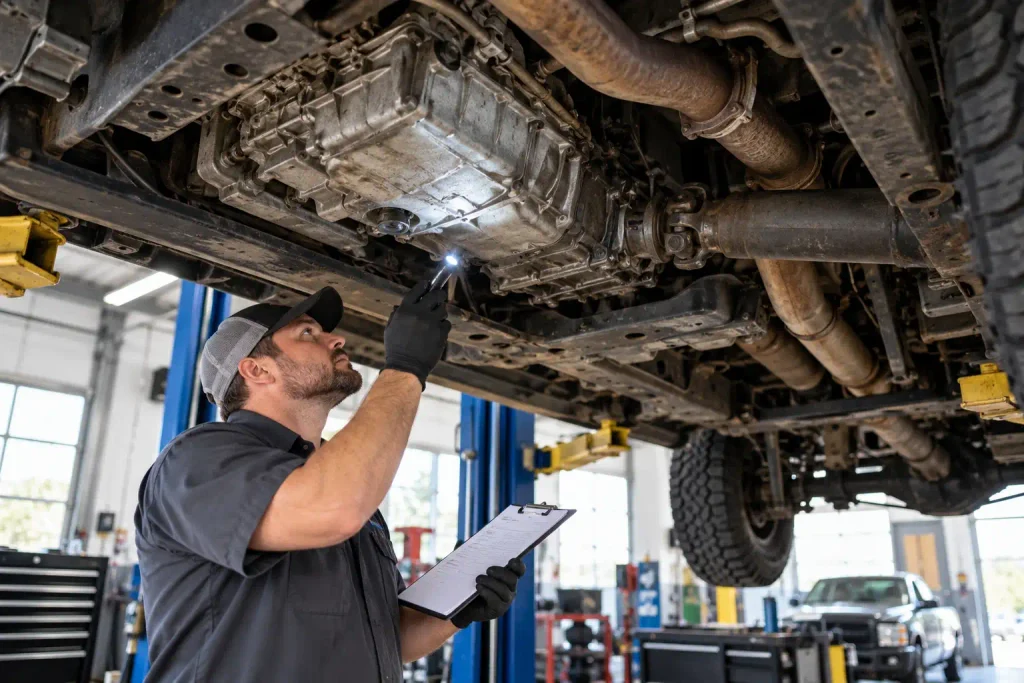
Ford Technical Service Bulletin 01-13-5, issued July 9, 2001, identifies some 2001 vehicles with a 4R100 transmission built between July 27, 2000, and March 23, 2001. These transmissions may develop delayed, intermittent, or missing second-gear engagement because of an intermediate one-way clutch problem.
Possible codes include P0781, P0755, and P0756. The dates refer to the transmission, not every 2001 truck. See Ford transmission service bulletin 01-13-5.
Check the Transmission Build
Request transmission identification and rebuild paperwork. A specialist can verify an original or replacement unit; vehicle assembly date alone is not enough.
If the transmission falls within the affected period and has no documented correction, require a specialist inspection before making an offer. This is a reason to investigate, not proof that the clutch has failed.
Check the Shift Behavior
On a safe road test, watch for delayed first-to-second shifts, slipping, engine-speed flare, and warning lights. Scan stored and pending codes.
If second gear is missing or shifts are repeatedly abnormal, stop treating the truck as a ready-to-drive purchase. The symptoms require diagnosis; a trouble code alone does not prove a particular internal transmission part has failed.
Check the Repair Records
Ask for itemized repair orders and proof of normal post-repair operation.
If the problem remains unresolved, walk away or wait until the seller completes a verifiable repair. If it was repaired and the transmission passes inspection, judge the truck on its remaining merits.
Transmission risk is only one part of the decision, especially if the engine has been modified.
When 2001 Through 2003 7.3 Engines Need Caution
The 2001–2003 7.3L Power Stroke is not inherently a bad engine. The key distinction for performance-minded buyers is whether it has forged-steel or powdered-metal connecting rods and whether it has been subjected to demanding engine modifications.
Verify the Engine Internals
Connecting-rod design changed during production. These are the engine serial number ranges:
- Below 1425747: Forged-steel connecting rods.
- 1425747–1440712: Powdered-metal connecting rods.
- 1440713–1498318: Forged-steel rods returned during an inventory transition.
- 1498319 and later: Powdered-metal connecting rods through the end of production.
These numbers and the way the rods can be identified are described in MotorTrend’s 7.3L engine rebuild analysis. These identify engine serial numbers, not VINs. Replacement or rebuilt engines can differ.
Powdered-metal rods alone do not disqualify a stock work truck. Prior high-power tuning increases concern. Leave invasive inspection to a professional.
Verify the Modification History
Request tuner, injector, turbo, and internal engine-work records. Unknown high-power modifications increase buying risk.


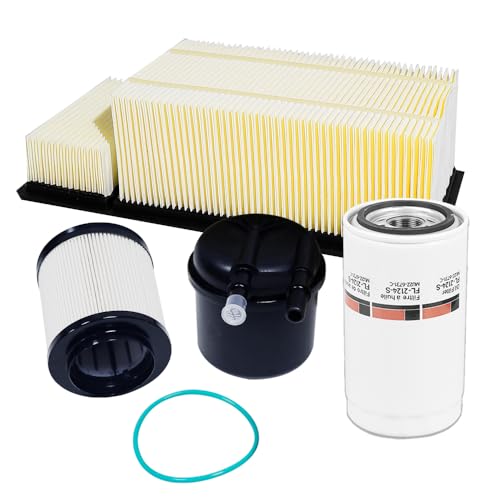
FordMasterX’s 7.3 Powerstroke injector size chart by year helps identify the stock-versus-upgraded injector context without turning this buying guide into a complete fuel-system reference.
Confirm the engine in any 2003 truck: the 6.0L also arrived in that model year.
For buyers who prefer an earlier Super Duty configuration, the 1999 and 2000 trucks deserve comparison.
When 1999 and 2000 Powerstroke Trucks Make Sense
A well-documented 1999 or 2000 Super Duty is a strong used-buying candidate for someone seeking the 7.3L in a more modern heavy-duty Ford platform. That is a recommendation based on equipment and inspectability, not a claim that these years have the lowest verified failure rate.
The 1999 redesign brought the Super Duty platform, charge-air cooling, updated fuel delivery, and new drivetrain combinations. Early 1999 and later 1999 engines have meaningful production differences, including turbo and intake hardware. Check the actual components before ordering replacement parts or planning upgrades.
A stock, maintained 2000 truck may beat a modified one. A well-kept 2002 may be preferable to either. Do not assume every 2000 engine has forged rods.
Test automatics for shift quality and manuals for clutch condition. Inspect the chassis, brakes, steering, and cooling system on either.
Older OBS trucks offer a different ownership tradeoff, particularly for buyers who prefer simpler cabins and classic styling.
Which 1994 Through 1998 7.3 Trucks Suit You
The 1994.5–1997 OBS F-250 and F-350 pickups suit buyers who want an older, less refined Ford work truck and are willing to maintain aging wiring, suspension, fuel-system parts, and bodywork. They are not automatically more dependable simply because their design is older.
Expect fewer comforts than in a Super Duty. Inspect the fuel system, glow plugs, wiring, cooling system, body mounts, and frame. Serious corrosion outweighs minor repairable leaks.
For 1998, the relevant U.S. 7.3L application is the E-Series van, not a 1998-model F-250/F-350 Power Stroke pickup. Confirm the vehicle type before using any pickup-specific reliability or parts advice.
For 1994 trucks, also confirm that the engine really is a Power Stroke rather than the earlier indirect-injection 7.3L diesel. FordMasterX explains those differences in its 7.3 IDI vs 7.3 Powerstroke comparison.
Regardless of generation, the final purchase decision should come from a repeatable inspection.
How to Inspect Any Used 7.3 Powerstroke
See the truck before its first start, then test it warm. A seller-prewarmed engine can hide symptoms. These checks do not replace a diesel-specialist inspection.
Check the Cold Start
- Request a genuine cold start; inspect battery condition and visible leaks.
- Note cranking time, startup quality, and idle stability.
- Record persistent roughness, unusual knocks, or heavy smoke.
Cold weather affects starting. Weak batteries, glow plugs, fuel delivery, or high-pressure oil control may explain prolonged cranking.
Check the Warm Restart
After the road test, restart it warm. Extended cranking or stalling warrants high-pressure oil and sensor diagnostics.
A specialist should review live injection-control-pressure data before naming a failed part.
Check the Transmission
On a safe road test, check engagement, shifts, slipping, and unexpected loss of drive.
Apply the 2001 4R100 checks where relevant. For manuals, assess clutch slip and engagement.
Check for Fuel and Oil Leaks
Check the engine valley, fuel bowl, high-pressure oil lines, turbo plumbing, and ground for leaks. Identify the fluid before diagnosing.
For the fuel-filter housing and its common leak areas, use the 7.3 Powerstroke fuel bowl diagnosis guide. If there is active spraying, a major leak, or a suspected exhaust or fire hazard, do not proceed with a road test.
Check the Truck and Records
Inspect the frame, mounts, brakes, steering, cooling system, and collision repairs. Cross-check VIN, title, and service records.
Ford’s 07S57 camshaft position sensor safety recall covered certain 1997–2003 7.3L-equipped vehicles because sensor failure could cause an engine stall. The original Ford recall notice filed with NHTSA documents the affected applications and inspection or replacement remedy.
Ask a Ford dealer to verify historical campaign completion by VIN. Current public recall searches can omit completed or older campaigns.
Some findings justify a repair estimate, while others should stop the purchase.
When to Reject a 7.3 Powerstroke Truck
An unresolved major fault matters more than the model year.
- Walk away: Severe structural frame corrosion, major safety defects the seller will not address, a repeatedly slipping or nonfunctional transmission, or obvious misrepresentation of vehicle identity and title history.
- Pause for specialist diagnosis: Hot no-starts, unexplained coolant loss, persistent heavy smoke, low power, unusual engine noise, or an unidentified fluid leak.
- Consider after verified repair: An otherwise sound truck with a documented component problem that can be diagnosed, repaired correctly, and rechecked before purchase.
A warm no-start does not automatically mean a failed pump. The 7.3 Powerstroke IPR failure symptoms guide covers one possible cause; specialist testing must determine the actual fault.
If the seller refuses a genuine cold start, independent inspection, or access to meaningful repair documents, that lack of cooperation is itself a reason to decline.
These findings lead to a straightforward final buying decision.
How to Choose Your 7.3 in 3 Steps
Decide using evidence, not a “best years” list.
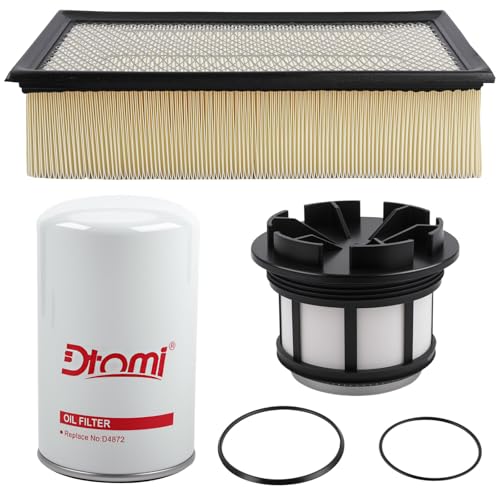
- Identify the truck. Verify the engine, model year, transmission type, and any build or engine serial numbers relevant to known issues.
- Verify the evidence. Review maintenance and modification records, inspect the vehicle cold and warm, scan for faults, and obtain a qualified pre-purchase inspection.
- Choose a buying verdict. Match the evidence to the decision table below and account for the price of any verified needed repair.
| What You Find | Buying Verdict | Next Action |
|---|---|---|
| Documented stock or well-engineered setup, sound frame, healthy operation, no major unresolved issues | Consider Buying | Confirm price and complete normal due diligence |
| Unclear early 2001 4R100 history, unknown tune, minor leak, or undiagnosed starting concern | Inspect Before Deciding | Obtain records, test results, and a written repair estimate |
| Serious unresolved transmission fault, unsafe corrosion, major misrepresentation, or refused inspection | Walk Away | Find a different candidate |
Consider Buying is not a reliability guarantee. Deferred maintenance can outweigh model-year reputation.
A well-documented truck with acceptable inspection results is a stronger candidate than a favored year with unresolved problems.
Which 7.3 Powerstroke Year Is Worth Buying
If you are comparing Ford 7.3 Powerstroke years to avoid, focus first on affected early 2001 4R100 transmission builds, then review the engine’s modification history, maintenance, and overall truck condition. Do not reject every 2001–2003 Power Stroke because of a generalized online ranking.
For many buyers, a sound 1999–2000 Super Duty is an appealing place to start. A documented 2002 or 2003 truck can be just as sensible when its engine and transmission check out. Older OBS pickups remain worthwhile for buyers comfortable with their age and equipment.
The next step is practical: verify the specific drivetrain, request repair documentation, and pay for an independent diesel pre-purchase inspection before committing to the sale.
What Buyers Ask About 7.3 Powerstroke Years
What Is the Worst Year for the 7.3 Powerstroke?
There is no verified universal worst year based on comparable model-year failure rates. Certain early 2001 vehicles with 4R100 transmissions deserve particular scrutiny because Ford documented a build-specific second-gear concern. A different year with serious neglected repairs may be a worse purchase.
Is the 2001 7.3 Powerstroke a Bad Engine?
No. The well-documented early 2001 warning concerns certain 4R100 transmissions, not every 7.3L engine installed that year. Confirm the transmission build and repair history, then judge the engine’s actual condition and modification history separately.
Should I Avoid a 2003 7.3 Powerstroke?
No, not solely because it was made in 2003. Verify that the truck actually has the 7.3L rather than the 6.0L introduced during the same model-year transition. Inspect for age-related wear, prior modifications, and unresolved faults before making an offer.
Which Year of the 7.3 Powerstroke Is Most Reliable?
No single year has been established here as the statistically most reliable. A maintained 1999–2000 truck is often a practical starting point, but a properly documented 2001–2003 example can be an equally sensible choice. Inspection results matter more than a model-year label.
How Many Miles Is Too Many for a Used 7.3 Powerstroke?
There is no dependable universal odometer cutoff for rejecting a 7.3L truck. A higher-mileage example with documented maintenance and sound mechanical condition may be a better purchase than a lower-mileage truck with serious neglect. Pay particular attention to service history, corrosion, drivetrain behavior, and inspection findings.