
6.7 Powerstroke CP4 High Pressure Fuel Pump Replacement Guide

Replacing the CP4 high-pressure fuel pump on a 6.7L Powerstroke is a critical repair that requires absolute cleanliness to avoid catastrophic fuel system contamination. Ensuring proper pump timing and thorough air bleeding is essential to prevent immediate failure of the new unit and protect your injectors.
🎯 Key Takeaways
- Maintain surgical cleanliness to prevent microscopic debris from destroying the new high-pressure pump.
- Always replace high-pressure fuel lines once removed to ensure a leak-free metal-to-metal seal.
- Verify CP4 pump timing marks align with the crankshaft to prevent excessive torsional vibration.
- Perform a minimum of six priming cycles to remove all air before attempting to start.
- Inspect the Volume Control Valve for metal shavings to determine if injectors need replacement.
Replacing a CP4 high-pressure fuel pump (HPFP) on your 6.7L Powerstroke is a high-stakes job where precision is mandatory. Failure of this pump often sends metal shards through the entire fuel system, so a clean, methodical installation is the only way to prevent a repeat failure. This guide skips the fluff and dives straight into the technical steps you need to swap the pump, time it correctly, and seal the high-pressure lines to withstand extreme rail pressures.
You are working in the “valley” of the engine, which is notorious for collecting dirt, debris, and oil. Success depends on your ability to maintain a surgical environment while maneuvering heavy components in tight spaces. By following the correct torque sequences and using the right specialty tools, you can avoid the common pitfalls of fuel leaks or pump gear misalignment that plague DIY installs.
Essential Tools and Specialty Equipment for CP4 Replacement
You cannot complete this job with a basic socket set from a big-box store. The 6.7L engine bay is crowded, and the CP4 pump sits tucked under the upper intake manifold and various coolant lines. To reach the mounting bolts and fuel line nuts without rounding them off, you need specific geometry in your tools.
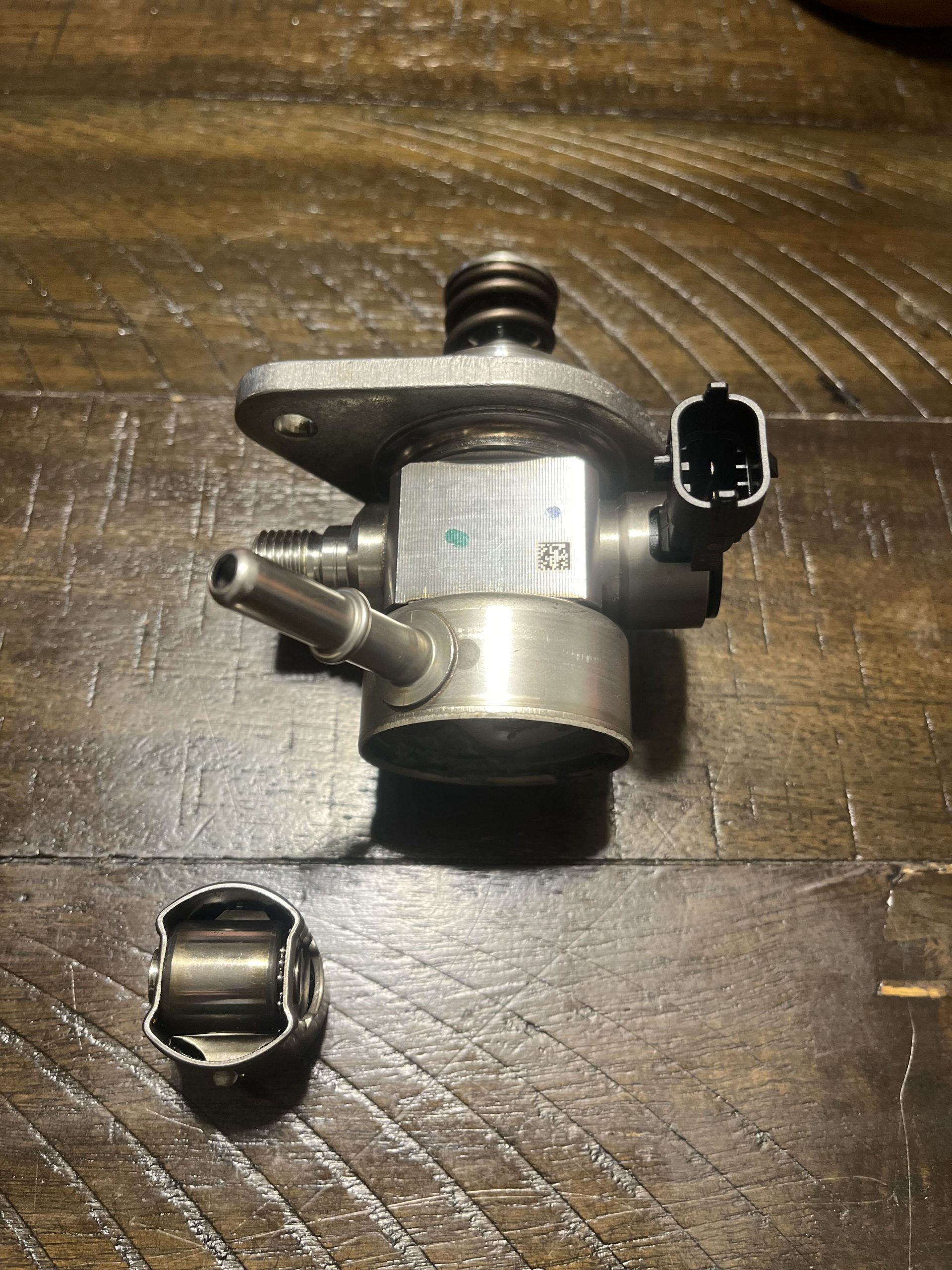
Specialized Wrenches and Sockets
- 17mm Flare Nut Socket: Also known as a “fuel line socket,” this is non-negotiable. It allows you to torque the high-pressure fuel lines properly without slipping.
- Long Reach T30 Torx: Required for the bolts securing the plastic intake components and wire loom brackets.
- 10mm and 13mm Deep Sockets: Most of the pump mounting hardware and bracketry use these sizes. Use a 1/4-inch drive for better clearance.
- Telescoping Magnet and Mirror: You will drop bolts into the valley. A mirror is essential for verifying the O-ring seat on the back of the pump where you cannot see directly.
Cleaning and Contamination Control
Contamination is the primary reason new CP4 pumps fail shortly after installation. Even a single grain of sand entering the high-pressure inlet can ruin the pump. Keep these items on hand:
- Non-chlorinated Brake Cleaner: Use several cans to blast the valley clean before you open any fuel lines.
- Compressed Air: Use this to dry the area and blow out hidden debris from around the pump base.
- Fuel System Caps: As soon as a line is disconnected, cap it. Do not leave the fuel rails or the new pump ports open to the air for any longer than necessary.
- Lint-Free Rags: Never use standard shop towels, as they shed fibers that can clog fuel injectors.
How to Replace Your 6.7 Powerstroke High Pressure Fuel Pump Like a Pro: A Practical Walkthrough
Replacing the high-pressure fuel pump (HPFP), often referred to as the CP4 pump, on a 6.7L Powerstroke is a significant undertaking that requires precision, cleanliness, and patience. Whether you are performing a preventative upgrade or recovering from a pump failure that has sent metal shavings through your fuel system, this guide provides the technical roadmap needed to navigate the engine valley. Following these steps correctly is vital to ensure your Bosch CP4 or upgraded CP4.2 functions perfectly without introducing catastrophic air pockets or contaminants into the sensitive common-rail system.
Step 1: Preparation, Safety, and Secondary Cooling Drainage
What you need: 8mm and 10mm sockets, a coolant drain pan, and clean rags.
Instructions: Start by disconnecting both negative battery terminals to prevent any electrical arcs while working near fuel vapors. Since the 6.7 Powerstroke utilizes a dual-cooling system, you must partially drain the secondary (low-temp) cooling system. Locate the drain petcock on the lower driver-side of the radiator and drain approximately two gallons of coolant. This step is necessary because you will be removing the EGR cooler, which is integrated into this cooling loop. Once drained, remove the plastic air intake ducting and the crankcase ventilation (CCV) tube to clear the path to the upper engine components. Label any sensors you disconnect to ensure an easier reassembly process later.
Pro Tip: Use compressed air to blow off the top of the engine before removing any components. Even a tiny grain of sand entering the high-pressure fuel ports during the swap can ruin a brand-new set of injectors.
Step 2: Upper Intake Manifold and EGR Cooler Removal
What you need: 8mm, 10mm, and 13mm sockets, extensions, and a torque wrench.
Instructions: The HPFP is buried deep in the engine valley. Begin by removing the bolts securing the plastic upper intake manifold. Carefully disconnect the MAP sensor and the various vacuum lines attached to the manifold. Once the intake is out of the way, move to the EGR cooler. You will need to remove the mounting bolts and the exhaust feed pipes. Be extremely careful with the EGR gaskets; they are often brittle. Lift the cooler assembly out of the engine bay. This will finally expose the fuel rails and the high-pressure pump located at the front of the “V” of the engine block. Cover the open intake ports with masking tape immediately to prevent hardware from falling into the valves.
Pro Tip: The rear bolts on the EGR cooler are notorious for being difficult to reach. Use a 1/4-inch drive ratchet with a long extension and a universal joint to get the correct angle without stripping the bolt heads.
Step 3: Disconnecting High-Pressure Fuel Lines
What you need: 17mm flare nut wrench (line wrench) and clean plastic caps.
Instructions: You must now remove the steel high-pressure lines that connect the pump to the fuel rails. Using a 17mm flare nut wrench is non-negotiable here; a standard open-end wrench can easily round off the nuts. Loosen the nuts at the pump discharge ports and at the rails. Once the lines are removed, immediately cap the open ports on the fuel rails with specialized plastic caps or clean lint-free plastic. You will also need to disconnect the low-pressure supply line and the return line from the pump. These often use quick-connect fittings; use a specialized fuel line tool if they are stubborn to avoid breaking the plastic clips.
Pro Tip: Inspect the ends of the steel lines. If there is any sign of “mushrooming” or pitting on the flared ends, replace the lines. High-pressure leaks at 30,000 PSI are dangerous and can cause engine fires.
Step 4: Wiring Harness and Fuel Volume Control Valve
What you need: Small flat-head screwdriver and needle-nose pliers.
Instructions: The main engine wiring harness runs directly over the fuel pump. You do not need to remove the entire harness, but you must unclip it from its mounting brackets and push it toward the firewall. Disconnect the electrical connector for the Fuel Volume Control Valve (VCV) located on the top of the pump. This is a critical sensor that the PCM uses to regulate fuel pressure. Also, disconnect the Fuel Pressure Control Valve (PCV) if your specific model year requires it. Carefully pull the harness back and secure it with a bungee cord to keep your workspace clear. Ensure no wires are pinched against the sharp edges of the cylinder heads.
Pro Tip: If the VCV connector clip is brittle and breaks, do not rely on friction to hold it in place. Order a replacement pigtail immediately, as a loose connection here will cause the truck to enter “limp mode” or fail to start.
Step 5: Extracting the High-Pressure Pump
What you need: 13mm socket, deep well, and a pry bar.
Instructions: The HPFP is held in place by three 13mm bolts. Two are easily visible at the front, while the third is tucked underneath the pump body toward the rear. Once the bolts are removed, the pump may still feel stuck due to the O-ring seal and the gear engagement. Gently use a pry bar under the mounting flange to wiggle the pump upward. The pump is gear-driven by the camshaft, but unlike older mechanical pumps, the 6.7 CP4 is not “timed” to the engine in the traditional sense; however, you should still lift it straight up to avoid damaging the drive gear. Once the pump is free, lift it out of the valley, being careful not to drip residual diesel onto the engine block.
Pro Tip: Place a thick wad of paper towels in the valley area before pulling the pump. There is always a small amount of oil and fuel that spills out of the mounting hole, and keeping the valley clean is essential for the longevity of the new seals.
Step 6: Inspection and Valley Cleaning
What you need: Brake cleaner, lint-free shop towels, and a bright flashlight.
Instructions: With the pump removed, this is the most critical diagnostic moment. Inspect the bottom of the old pump and the gear. If you are replacing the pump due to a failure, look inside the pump’s inlet for “glitter”—fine metallic shavings. If shavings are present, the entire fuel system (rails, injectors, and lines) must be replaced or professionally cleaned. Clean the mounting surface in the engine valley thoroughly using brake cleaner on a rag. Ensure no debris has fallen into the oiling hole that lubricates the pump drive. Check the O-ring mating surface for any scratches or gouges that could cause an oil leak after installation.
Pro Tip: If you find metal shavings, do not simply install the new pump. The debris in the rails will travel straight into your new pump and destroy it within minutes of the first start.
Step 7: Installing the New High-Pressure Pump
What you need: New HPFP, clean engine oil, and a torque wrench.
Instructions: Lubricate the new O-ring on the base of the replacement pump with clean engine oil. Carefully lower the pump into the valley, ensuring the drive gear meshes smoothly with the camshaft gear. You may need to rotate the pump slightly to get the bolt holes to align. Hand-start all three 13mm mounting bolts to ensure they are not cross-threaded. Once hand-snug, torque the bolts in a crisscross pattern to 22 lb-ft (30 Nm). Reinstall the Fuel Volume Control Valve connector. If your new pump came with a protective shipping cap on the high-pressure ports, leave them on until the very second you are ready to attach the steel lines.
Pro Tip: Always use a new mounting gasket/O-ring. Reusing the old one is the number one cause of “mystery” oil leaks in the engine valley that require tearing the whole top end down again to fix.
Step 8: Reinstalling Lines and Reassembling the Top End
What you need: Torque wrench, 17mm flare nut socket, and new EGR gaskets.
Instructions: Reconnect the high-pressure steel lines. Thread the nuts by hand first to ensure perfect alignment. Using a torque wrench and a flare nut crowfoot, torque the fuel line nuts to 30 lb-ft (41 Nm). Reconnect the low-pressure supply and return lines, ensuring the clips “click” into place. Next, reinstall the EGR cooler using new gaskets. It is highly recommended to use a small amount of anti-seize on the EGR mounting bolts. Reinstall the upper intake manifold, ensuring the rubber gaskets are seated in their grooves. Torque the intake manifold bolts to 89 lb-in (10 Nm)—be careful not to over-tighten, as the manifold is plastic.
Pro Tip: When reinstalling the EGR cooler, start all the bolts loosely before tightening any of them. This allows the cooler to shift into the optimal position for the exhaust feed pipes to align without tension.
Step 9: Priming the Fuel System and First Start
What you need: Fully charged batteries and a helper (optional).
Instructions: Do not attempt to start the engine immediately. The high-pressure pump is lubricated by fuel, and running it dry will cause instant internal damage. Turn the ignition key to the “ON” position (do not crank) and let the electric lift pump run for 30 seconds. You will hear air bubbling back into the tank. Turn the key off and repeat this process at least 6 to 10 times. This cycles fuel through the secondary filter and into the CP4 pump. After the 10th cycle, attempt to start the engine. It may stumble or take several seconds of cranking to fire as the remaining air is purged through the injectors. Once started, let it idle for 15 minutes and check for any fuel or coolant leaks.
Pro Tip: If the truck fails to start after three 10-second cranking attempts, stop. Re-prime the system another 5 times. Excessive cranking without fuel will overheat the starter and damage the new pump’s internal cam.
✅ Final Checklist
- Verify all 17mm fuel line nuts are torqued to 30 lb-ft to prevent high-pressure leaks.
- Ensure the secondary cooling system is refilled and the air is bled from the EGR cooler.
- Check that the VCV electrical connector is fully seated and locked.
- Confirm that no tools or rags were left in the engine valley or near the intake.
- Verify that the batteries are fully tightened and the engine starts without an extended crank.
Important Notes:
- Safety Warning: Diesel fuel in the high-pressure rails can reach 30,000 PSI. Never loosen a fuel line while the engine is running or immediately after shutdown.
- When to Seek Help: If you find heavy metal contamination in the fuel system, this job expands significantly to include the tank, lines, and injectors, which may require professional specialized equipment.
- Estimated Time: 6 to 10 hours depending on experience level.
- Cost Range: $800 – $1,500 for the pump and gaskets; $4,000+ if a full system “disaster kit” is required.
Critical Torque Specifications and Technical Clearances
High-pressure fuel systems operate at upwards of 30,000 PSI. At these pressures, “hand-tight” is not a measurement. If you under-torque a line, it will leak; if you over-torque it, you can deform the flare and cause a permanent failure of the fuel rail or pump fitting.
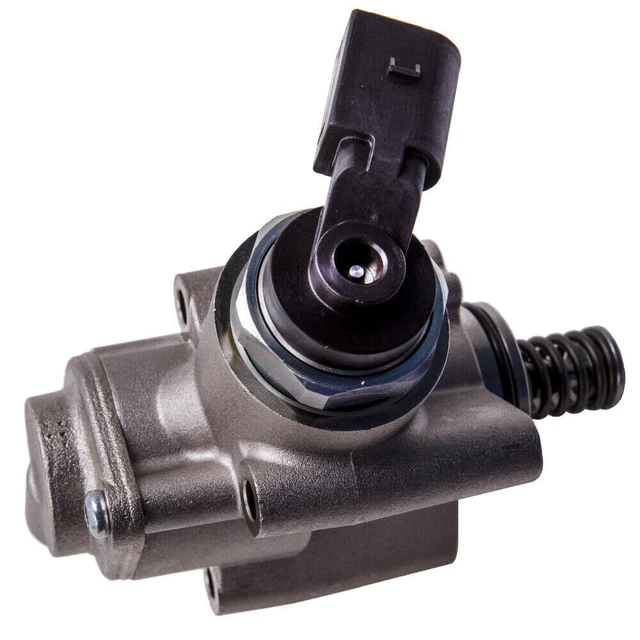
High-Pressure Line and Mounting Bolt Values
Precision is key when securing the pump to the engine block. The CP4 is gear-driven, and any vibration or movement will lead to gear wear or timing issues. Follow these specific Ford-recommended values:
- HPFP Mounting Bolts (4 total): 18 lb-ft (25 Nm). Tighten these in a crisscross pattern to ensure the pump seats evenly against the gasket.
- High-Pressure Fuel Lines: 22 lb-ft (30 Nm). Use your 17mm fuel line socket and a torque wrench.
- Fuel Volume Control Valve (VCV) Bolts: 62 lb-in (7 Nm). Note that this is inch-pounds, not foot-pounds.
- Pump Drive Gear Bolt: 52 lb-ft (70 Nm). This requires a holding tool to prevent the engine from turning while you torque it.
Sealing and Alignment Requirements
The CP4 pump uses a specific O-ring to seal the pump body to the engine cover. Before installation, lightly lubricate this O-ring with clean motor oil. This prevents the rubber from “rolling” or tearing as you slide the pump into the bore. Ensure the mating surface on the engine is perfectly smooth; any pitting or leftover gasket material will cause an oil leak.
When seating the high-pressure lines, you must ensure the flare is perfectly centered in the fitting before you begin threading the nut. These nuts should be finger-tight all the way down. If you feel resistance early on, the line is misaligned. Forcing it with a wrench will cross-thread the pump, which is an expensive mistake you cannot easily fix.
Understanding the Risks of Fuel System Contamination
The Bosch CP4 high-pressure fuel pump is a marvel of engineering, but it is also notoriously sensitive to its environment. Unlike older pump designs, the CP4 relies entirely on the diesel fuel itself for lubrication of its internal cam and plunger. This design choice makes the 6.7 Powerstroke fuel system highly susceptible to catastrophic failure if the environment inside the pump is compromised.
The “Glitter” Effect and Downstream Damage
When a CP4 pump fails, it often undergoes what technicians call a “grenade” event. The internal components begin to shave against each other, creating fine metallic debris that looks like silver glitter. This debris doesn’t stay inside the pump; it is sent directly into the fuel rails and the high-precision fuel injectors.
- System-Wide Contamination: If you find metal shavings in the fuel pressure regulator (FPR) screen, the entire fuel system—including lines, rails, and injectors—is likely compromised.
- The Cost of Cutting Corners: Replacing only the pump after a failure without cleaning the tank and replacing the injectors is a recipe for a second, much more expensive repair.
- Water: The Silent Killer: Water is the primary enemy of the CP4. Even a small amount of moisture can cause the lubrication film to break down, leading to immediate metal-on-metal contact.
Implementing Disaster Prevention Measures
Because the risk of contamination is so high, many 6.7 Powerstroke owners choose to install a “disaster prevention kit” or “bypass kit” during the pump replacement process. These kits are designed to reroute the fuel flow so that if the pump does fail, the metallic debris is sent back to the fuel tank and through the filters rather than into the injectors. It is a proactive way to turn a $10,000 repair into a $1,000 repair.
Post-Installation Priming and Air Bleeding Requirements
The most dangerous moment for a brand-new high-pressure fuel pump is the very first second it starts to spin. If the pump is dry, the internal metal components will rub together without lubrication, causing “scoring” before the engine even fires. Proper priming is the only way to ensure the longevity of your new investment.
The Critical Nature of Lubrication
Air is the enemy of the 6.7 Powerstroke fuel system. Because air is compressible and diesel fuel is not, air pockets can cause significant pressure spikes and “hammering” within the pump. More importantly, air provides zero lubrication. A “dry start” can take thousands of miles off the life of a pump in just a few seconds.
- Lift Pump Efficiency: The 6.7 Powerstroke features an electric lift pump that does the heavy lifting of moving fuel from the tank, but it requires multiple cycles to fully purge the high-pressure side.
- Battery Health: Ensure your batteries are fully charged before beginning the priming process. Slow cranking speeds can lead to poor pressure build-up and extended air-bleed times.
- Fuel Volume: Always ensure the fuel tank is at least half full before priming to prevent the lift pump from picking up any settled air at the bottom of the tank.
Best Practices for Purging Air
While the truck’s computer handles much of the work, the technician must be patient. A common mistake is attempting to start the engine too soon. Most professional guides recommend cycling the ignition to the “Run” position (without engaging the starter) for at least 30 seconds at a time. This allows the electric lift pump to push fuel through the primary and secondary filters and into the CP4 inlet.
For the best results, repeating this cycle 6 to 10 times is often necessary. If you have access to a diagnostic scan tool, you can often command the fuel pump to run continuously, which is the most effective way to ensure every bubble of air is pushed back to the return line. Never use starting fluid to force the engine to fire; the sudden combustion shock can damage the pump’s internal timing.
Conclusion
Replacing the CP4 high-pressure fuel pump on a 6.7 Powerstroke is a complex task that demands a high level of cleanliness and technical precision. By understanding the risks of contamination and the absolute necessity of a thorough priming sequence, you can avoid the common pitfalls that lead to repeat failures. Whether you are performing this as preventative maintenance or as a response to a failure, the health of your fuel system is the heartbeat of your truck’s performance.
Next Steps:
- Always use a high-quality fuel additive with every fill-up to increase lubricity and protect your new pump.
- Stick to a strict fuel filter replacement interval of every 15,000 miles using only OEM-grade filters.
Stay proactive with your maintenance, and your Powerstroke will remain a reliable workhorse for years to come. Do you have questions about fuel system upgrades? Leave a comment below!
❓ Frequently Asked Questions
What are the symptoms of a failing 6.7 Powerstroke high-pressure fuel pump?
Common symptoms include long cranking times, sudden loss of power under load, or a ‘Low Fuel Pressure’ warning on the dash. In many cases, the truck will simply stall and refuse to restart if the internal components have disintegrated.
Why is cleanliness so emphasized during this specific repair?
The CP4 pump operates at pressures up to 30,000 PSI with incredibly tight tolerances. Even a microscopic speck of dust can score the internal pistons or clog an injector, leading to catastrophic engine damage.
Do I have to remove the turbocharger to access the fuel pump?
While you don’t have to remove the turbo itself, you must remove the upper and lower intake manifolds and several cooling lines. Removing the fan shroud and upper cooling components is usually necessary for sufficient access.
What happens if I don’t prime the fuel system correctly after replacement?
Attempting to start the engine with air in the lines causes ‘dry-fire,’ where the pump lacks lubrication from the diesel fuel. This can cause immediate internal scuffing and significantly shorten the lifespan of the new pump.
How do I check for metal contamination before installing the new pump?
Remove the Volume Control Valve (VCV) on top of the old pump and inspect the screen for fine metal shavings. If silver ‘glitter’ is present, the entire fuel system—including injectors and rails—must be replaced.
Are there any reliability upgrades available for the CP4 pump?
Many owners opt for a CP4 to CP3 conversion kit, which replaces the Bosch CP4 with a more robust pump design. Others install a disaster prevention kit to ensure that if the pump fails, debris does not reach the injectors.