2012 F150 Cabin Air Filter Location & Hidden Truth

The 2012 Ford F-150 does not have a factory-installed cabin air filter. Most owners are surprised to find that Ford omitted this feature for the 2009-2014 model years, relying instead on a basic mesh screen in the cowl area.
🎯 Key Takeaways
Recommended Best Deal Products


- 2012 F-150s were never equipped with factory cabin air filters.
- Musty odors usually stem from mold on the AC evaporator.
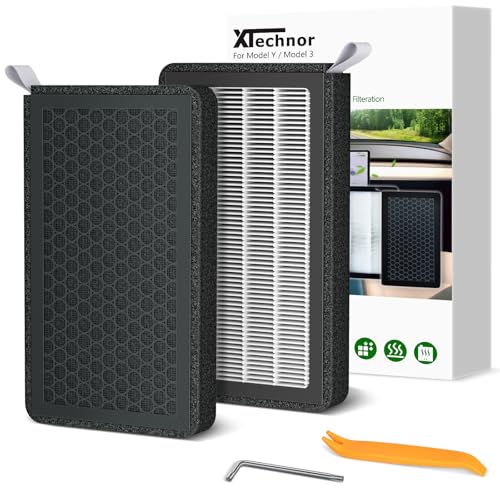
- Aftermarket retrofit kits are available to add filtration capability.
- Cleaning the exterior cowl prevents debris from entering vents.
- Aerosol cleaners can sanitize the system without a filter.
If you are searching for the cabin air filter location on your 2012 Ford F-150, you can stop taking your glovebox apart right now. The definitive truth is that your truck was not equipped with a cabin air filter from the factory. From 2009 to 2014, Ford designed the 12th-generation F-150 with an open-intake HVAC system that lacks any replaceable filtration media for the interior air.

Prime for Young Adults — 6 Months Free
Students and 18–24s get six months of Prime free, then half price.
Start 6 Months Free As an Amazon Associate I earn from qualifying purchases.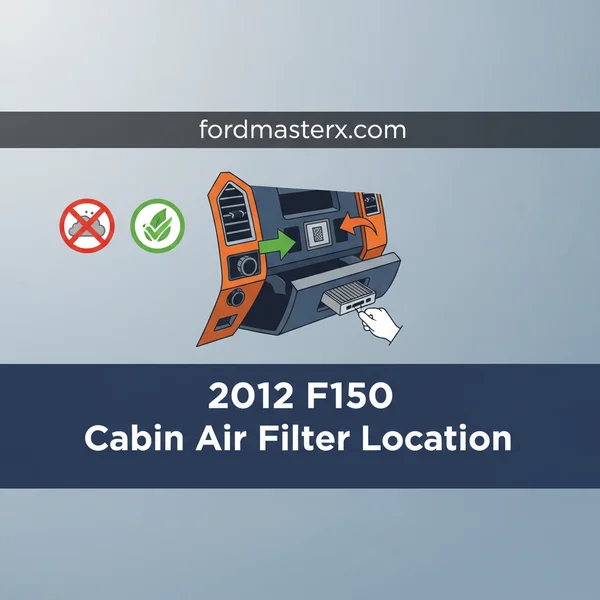
This realization is often a shock to owners who are dealing with dusty dashboards or strange smells coming from their vents. Understanding that your 2012 F-150 lacks this feature is the first step to properly maintaining your climate control system. Instead of looking for a filter to swap out, you must focus on cleaning the physical components of the system to ensure the air you breathe remains fresh and the airflow stays strong.
Why the 2012 F-150 Lacks a Factory Cabin Air Filter
It seems counterintuitive for a modern pickup truck to lack a basic cabin filter, but Ford made a specific engineering choice for the 12th-generation F-Series. During the 2009-2014 production run, Ford prioritized maximum airflow and cooling efficiency for heavy-duty work environments. They moved away from the filter designs found in some older models and didn’t reintroduce the feature until the aluminum-bodied 13th-generation trucks debuted in 2015.

The Engineering Gap in 12th Gen Trucks
In your 2012 F-150, the space behind the glovebox—where most vehicles house their filter—is completely sealed. The HVAC housing is a solid plastic unit containing the blower motor and the evaporator core. Because there is no slot or access door designed into this unit, there is nowhere to slide a standard pleated filter. Ford’s engineers relied on the external cowl grilles to act as a “large debris” screen, but they did not include a way to trap fine particulates like pollen or road dust.
The Confusion Created by Auto Parts Stores
You may be confused because many online retailers and local auto parts stores still list a cabin air filter part number for the 2012 F-150. This is a common error in parts databases. These stores often conflate the F-150 with the Ford Expedition or Lincoln Navigator of the same era, which sometimes utilized different HVAC configurations. Unless a previous owner has performed a permanent modification by cutting into the plastic air box with a specialized aftermarket retrofit kit, your truck remains a filter-less system.
- Standard 2012 F-150: No factory filter, no access door, solid HVAC housing.
- Common Myth: That the filter is located under the hood near the cowl (this is only for engine air).
- The Reality: Any air entering the cabin is only “filtered” by the plastic mesh of the exterior windshield cowl.
2012 F150 Cabin Air Maintenance Made Easy: Your Essential Action Plan
Recommended Best Deal Products


If you have been searching your 2012 Ford F-150’s glovebox or dashboard for a cabin air filter, you are likely feeling a bit frustrated. This guide covers a critical technical reality for this specific model year: from 2009 to 2014, Ford F-150 trucks were not equipped with a factory-installed cabin air filter. However, maintaining your vehicle’s air quality is still possible and necessary. This walkthrough will explain where the air intake “location” is, how to clean the debris-prone intake area to eliminate odors, and how to address the common misconceptions regarding this part. Following these steps ensures your HVAC system remains efficient and your cabin air stays fresh despite the lack of a traditional replaceable filter element.
Step 1: Confirming the Absence of a Factory Filter
What you need: Your vehicle’s owner’s manual (optional) and a flashlight.
Instructions: Before you begin tearing apart your dashboard, it is vital to understand that the 2012 Ford F-150 does not have a standard cabin air filter slot behind the glovebox, a design choice Ford made for this generation of trucks. Open your glovebox and empty its contents. Squeeze the sides of the glovebox bin inward to allow the stops to clear the dash frame, letting the door hang down. Use your flashlight to inspect the black plastic HVAC housing behind it. You will notice a solid plastic casing without the typical rectangular access door found in newer models. Understanding this prevents you from accidentally breaking plastic components while searching for a part that simply does not exist in a stock configuration.
Pro Tip: Many online retailers mistakenly list cabin air filters for the 2012 F-150. Do not purchase these unless you are planning an extensive aftermarket “retrofit” kit installation, as there is no factory hole to slide them into.
Step 2: Accessing the Fresh Air Intake Area
What you need: A clean workspace and the hood of your truck popped open.

Audible — Listen Free for 30 Days
One free credit a month and thousands of titles included.
Listen Free for 30 Days As an Amazon Associate I earn from qualifying purchases.Instructions: Since there is no filter to catch dust and pollen, the fresh air intake located at the base of your windshield becomes the primary area for maintenance. Park your truck in a well-lit area and pop the hood. Locate the black plastic trim (the cowl) that runs along the bottom of the windshield. This is where your truck pulls in outside air for the heater and air conditioning. Over time, leaves, pine needles, and road grime accumulate in the recesses of this cowl. If left uncleaned, this organic matter rots, creating a “musty sock” smell that blows directly into your cabin whenever the fan is turned on. This is the “location” you must service in lieu of changing a filter.
Pro Tip: Perform this inspection every fall, especially if you park under trees, as wet leaves are the leading cause of HVAC odors in the 2012 model.
Step 3: Removing the Cowl Grille Fasteners
What you need: A flathead screwdriver or a specialized plastic trim removal tool.
Instructions: To properly clean the intake area, you need to partially lift the passenger-side cowl grille. Locate the small plastic push-pins or clips that secure the black plastic trim to the firewall area. Carefully insert your trim tool or flathead screwdriver under the head of the plastic clip and pry upward. There are typically three or four clips that need to be loosened to gain enough clearance. Be gentle, as these plastic components can become brittle with age and heat exposure. You do not necessarily need to remove the windshield wiper arms if you are just doing a routine cleaning, but loosening the clips allows you to lift the edge of the cowl enough to see the intake ducting underneath.
Pro Tip: If the plastic clips break, they are very inexpensive to replace at any local auto parts store. It is often better to snap a clip than to crack the expensive cowl plastic.
Step 4: Clearing Debris from the Intake Plenum
What you need: A shop vacuum with a narrow crevice tool attachment and a pair of gloves.
Instructions: With the passenger-side cowl lifted, look down into the cavity near the firewall. You will see a large opening—this is the plenum where air enters the HVAC system. Use your shop vac to suck out all loose debris, including leaves, twigs, and dirt. It is common to find several handfuls of material trapped here. If the debris is damp, use your gloved hand to pull out as much as possible before vacuuming. Ensure that the drainage holes at the bottom of this cavity are clear; if these holes are plugged, water can back up and leak into your passenger-side floorboard, leading to mold growth and electronic issues. This step effectively mimics the “replacement” of a filter by removing the contaminants before they enter the system.
Pro Tip: Use a long, soft-bristled brush to agitate stubborn dirt in the corners so the vacuum can pick it up more easily.
Step 5: Disinfecting the Evaporator and Ductwork
What you need: An aerosol HVAC disinfectant spray (such as Lysol or a specialized automotive evaporator cleaner).
Instructions: Since there is no filter to trap microbes, bacteria can grow on the AC evaporator coils. Start your engine and turn the AC to the “Fresh Air” setting (not recirculate) with the fan on the highest speed. Go back to the exterior intake area you just cleaned. Spray the disinfectant directly into the intake opening in short, controlled bursts. The fan will suck the mist through the entire ductwork and across the evaporator. This kills the bacteria and mold responsible for persistent odors. Let the system run for at least 10 minutes with the windows open to allow the chemicals to circulate and then dissipate. This is the most effective way to “refresh” the 2012 F-150’s air system without a physical filter element.
Audible Premium Plus — Annual Membership
12 audiobook credits up front, plus the full Audible catalogue.
See Annual Plans As an Amazon Associate I earn from qualifying purchases.Pro Tip: Avoid using heavy perfumes; look for “Odor Eliminator” sprays that actually neutralize the organic compounds rather than just masking them.
Step 6: Inspecting for the Rare Aftermarket Retrofit
What you need: A flashlight and a 7mm or 8mm socket set.
Instructions: While rare, a previous owner may have installed an aftermarket cabin air filter kit. To check for this, return to the area behind the glovebox that you inspected in Step 1. Look for a rectangular section of the plastic housing that appears to have been cut out and replaced with a plastic door held on by screws. If you see a non-factory door with screws or clips, your truck has been “retrofitted.” In this case, use your socket set to remove the screws, pull the door off, and slide out the filter. If you find one, measure it or look for a part number, as these are custom kits (often from companies like Dorman or specialized Ford enthusiasts) and do not use a standard 2012 F-150 part number.
Pro Tip: If you decide to install one of these kits yourself, it involves cutting the HVAC box with a hot knife, which requires extreme precision to avoid damaging the internal components.
Step 7: Reassembling the Exterior Cowl
What you need: The plastic clips removed in Step 3.
Instructions: Once the intake area is clean and the system has been disinfected, carefully lower the cowl trim back into its original position. Align the holes in the plastic trim with the mounting points on the truck’s frame. Push the plastic clips back into place; you should hear a distinct “click” as they seat properly. Ensure the rubber weatherstripping that runs along the top of the cowl is seated flush against the windshield glass. If this seal is not tight, water can bypass the cowl and enter the intake plenum you just cleaned, causing the smell to return quickly. Double-check that no tools or rags were left in the engine bay before closing the hood firmly.
Pro Tip: Wipe the rubber weatherstripping with a bit of silicone protectant to keep it supple and ensure a watertight seal against the glass.
✅ Final Checklist
- Confirmed that the glovebox area is clear and no factory filter slot exists.
- Removed all organic debris (leaves/needles) from the exterior cowl intake.
- Verified that the cowl drainage holes are clear of obstructions.
- Ran the HVAC system with disinfectant spray to neutralize odors.
- Ensured all plastic cowl clips are securely reinstalled and the weatherstrip is flush.
Important Notes:
- Safety Warning: Never spray cleaners into the intake while the engine is off; the fan must be running to pull the mist through the system and prevent liquid pooling.
- Professional Help: If you still experience a heavy rotting smell after cleaning the intake, you may have a dead rodent in the ductwork or a mold-clogged evaporator, which requires professional disassembly.
- Estimated Time: 30–45 minutes.
- Estimated Cost: $0 – $20 (cost of cleaning spray).
Identifying the Source of Odors in 12th Gen F-150s
Since your 2012 F-150 does not have a filter to trap contaminants, everything drawn into the vents stays in the system. When you notice a “dirty sock” smell or a musty odor when you turn on the AC, it is a sign that organic material has bypassed the cowl and settled deep inside your dashboard. Without a filter acting as a sacrificial barrier, the internal components themselves become the site of odor-causing growth.
📤 Share
💾 Download
Debris Accumulation in the External Cowl
The air for your cabin is pulled in through the plastic grates at the base of your windshield. Over time, small leaves, pine needles, and maple “helicopters” can slip through these grates. This debris gets trapped in the tray area beneath the cowl. When this organic matter gets wet from rain or car washes, it begins to rot. This creates a compost-like smell that is sucked directly into your vents every time the blower motor turns on.
- Clogged Drains: Rotting debris can plug the small drain holes in the cowl area.
- Standing Water: Blocked drains lead to standing water, which increases humidity and promotes mold.
- Direct Intake: Because there is no filter, the smell of decaying leaves enters the cabin instantly.
The Evaporator Coil and Mold Growth
The most significant “hidden” source of odors in your 2012 F-150 is the evaporator coil. This component gets freezing cold to remove heat from the air. As it cools, it naturally produces condensation, meaning the coil is almost always wet while the AC is running. In a vehicle with a filter, the air reaching the coil is clean. In your 2012 F-150, the air is full of fine dust and pollen.
This dust sticks to the wet fins of the evaporator, creating a thin layer of “mud.” This layer provides the perfect food source for bacteria and mold to thrive in the dark, damp environment of your dashboard. If you notice a sharp, musty smell the moment the compressor kicks on, your evaporator coil is likely the culprit. You cannot simply swap a filter to fix this; you must treat the coil itself with a specialized foaming cleaner to kill the growth and restore air quality.
Aftermarket Retrofit Options for Better Air Quality
Recommended Best Deal Products

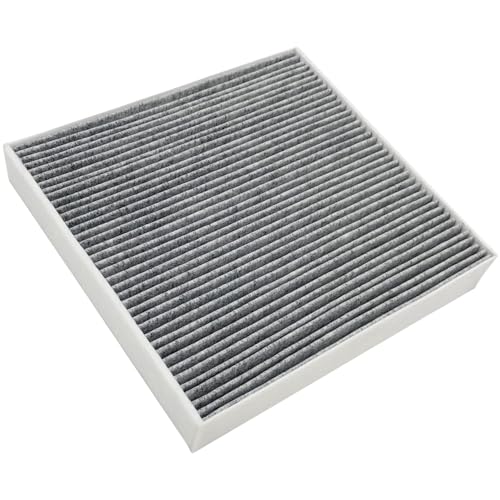
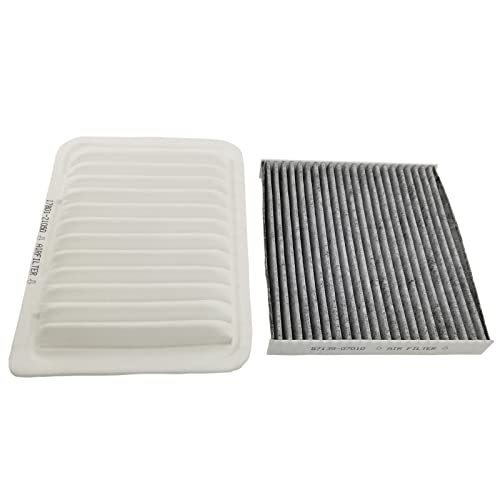
While the 2012 F150 rolled off the assembly line without a factory-installed filter, the “hidden truth” is that the infrastructure for one is already there. Ford utilized a global HVAC housing design, meaning the molded slot for a filter exists behind your glovebox—it is simply sealed shut with a plastic bypass plate. Because of this, a robust aftermarket industry has emerged to provide owners with the filtration Ford omitted.
The Retrofit Modification Kit
The most common way to address the lack of filtration is through a retrofit kit. These kits typically include a high-quality filter and a brand-new access door. Because the internal architecture of the 2012 model is nearly identical to later F150s that did include filters, these kits allow for a professional-grade upgrade. This modification is highly popular among truck owners who spend a significant amount of time on dirt roads or job sites where dust intrusion is a constant battle. By “unlocking” this hidden compartment, you transform your HVAC system from a simple blower into a legitimate air purification system.
Choosing the Right Filter Material
Once you have opted for a retrofit solution, you have the freedom to choose a filter media that suits your specific environment. Unlike standard vehicles that often use basic paper filters, the F150 aftermarket offers several specialized options:
- HEPA Filtration: These are the gold standard for drivers with severe seasonal allergies, as they can trap 99.97% of dust, pollen, and mold spores.
- Activated Carbon: If you frequently drive in heavy stop-and-go traffic, carbon filters are essential. They use a layer of charcoal to neutralize exhaust fumes and outdoor odors before they reach your nose.
- Baking Soda Infused: Some aftermarket brands include baking soda layers to help keep the interior of the truck smelling neutral, which is particularly helpful for work trucks that may carry damp gear or tools.
Maintenance Strategies for Trucks Without Filters
If you prefer to keep your truck in its original factory condition without performing a retrofit, you must be more proactive about maintenance. Without a filter to act as a gatekeeper, every piece of dust, leaf fragment, and insect that enters your external intake goes directly into your HVAC components. This can lead to the dreaded “dirty gym bag” smell or, worse, a clogged evaporator coil that reduces cooling efficiency.
Protecting the External Air Intake Cowl
The air your F150 breathes comes from the cowl area at the base of the windshield. In the 2012 model, this area is a magnet for organic debris. When leaves and pine needles collect here, they eventually break down into a fine compost that can be sucked into the vents. Periodically clearing this area is your first line of defense. Keeping the cowl clean ensures that the air entering the cabin is as fresh as possible and prevents moisture-trapping debris from causing rust or mold growth in the hidden corners of the intake ducting.
Chemical Evaporator Cleaning
Since there is no filter to catch particulates, the wet surface of the AC evaporator coil often becomes a landing pad for dust. Over time, this creates a layer of grime that can harbor bacteria. Since you cannot easily reach this part of the dash, many F150 owners utilize specialized aerosol cleaning foams. These cleaners are typically injected through the AC drain tube under the truck. The foam expands to coat the coils, dissolves the buildup, and then liquefies, carrying the dirt out through the drain. This is an excellent annual maintenance task to perform every spring to ensure your air stays clean.
- Dry the System: Before turning off your truck, run the fan on high with the AC off for 60 seconds to dry out any moisture on the coils.
- Vacuum the Vents: Use a shop vac with a brush attachment to regularly clean the interior vents where dust tends to settle.
- Monitor Drain Plugs: Ensure the AC condensate drain is clear; if it clogs, water can back up into the cab, leading to permanent mildew smells in the carpet.
Conclusion
The 2012 F150 is a legendary workhorse, but its lack of a factory cabin air filter is a quirk that every owner should be aware of. Whether you decide to perform a retrofit to “unlock” the hidden filter compartment or you choose to stay on top of cowl maintenance and evaporator cleaning, taking action is key to a comfortable ride. Clean air doesn’t just make the drive more pleasant—it protects your HVAC system from long-term wear and tear. Your next step is simple: check your cowl for debris today, and consider if a retrofit kit is the right upgrade for your health and your truck’s longevity. Drive safe and breathe easy!
❓ Frequently Asked Questions
Why did Ford exclude cabin air filters in the 2012 F-150?
During the 2009–2014 production run, Ford opted for a simplified HVAC design that excluded the filter to reduce maintenance requirements and manufacturing costs for the F-150 platform.
How do I stop my 2012 F-150 from smelling like mold?
You can use a specialized HVAC foaming cleaner sprayed directly into the evaporator drain tube or through the intake vents to kill bacteria and mold growing on the internal coils.
Is the engine air filter the same as the cabin air filter?
No, many people confuse the two. The engine air filter is under the hood and cleans air for the motor, whereas the cabin filter is intended to clean the air inside the passenger compartment.
What tools are needed for a 2012 F-150 cabin filter retrofit?
A typical retrofit requires a utility knife or Dremel to cut the plastic housing behind the glovebox, the retrofit kit itself, and basic hand tools to remove the glovebox door.
Will an aftermarket cabin filter reduce my AC’s airflow?
Adding a filter where none existed may cause a very slight decrease in maximum airflow, but most owners find the improved air purity and dust reduction worth the minor trade-off.
How often should I clean my F-150’s cowl area?
It is recommended to clear leaves and debris from the base of the windshield every few months, especially during autumn, to prevent blockages in the HVAC intake duct.