2004 Ford F150 Oil Filter Guide: Part Numbers & Specs

The Motorcraft FL-820S is the standard OEM filter for the 4.6L and 5.4L V8 engines, while the 4.2L V6 engine typically requires the FL-400S. It is critical to select a filter with a silicone anti-drain back valve to prevent dry starts in these specific modular engines.
🎯 Key Takeaways
Recommended Best Deal Products

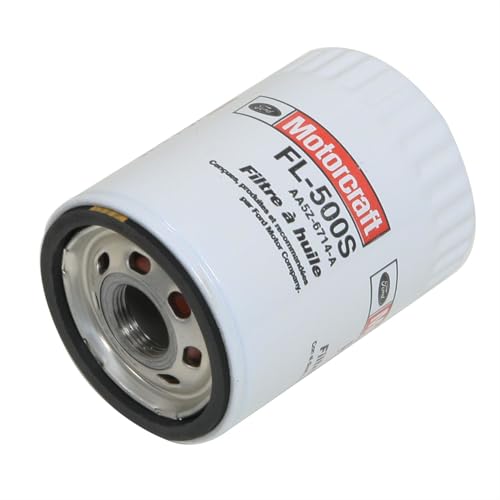

- V8 models (4.6L/5.4L) use the Motorcraft FL-820S filter.
- V6 models (4.2L) require the Motorcraft FL-400S filter.
- V8 filter thread size is M22 x 1.5 metric.
- V6 filter thread size is 3/4-16 SAE.
- Wix 51372 and Fram PH820 are popular aftermarket V8 alternatives.
Finding the right oil filter for your 2004 Ford F-150 is straightforward once you identify your specific engine size. For those running the 4.6L or 5.4L V8 engines, your standard go-to is the Motorcraft FL-820S. If you are driving the 4.2L V6 model, you will need the Motorcraft FL-400S. These two filters cover the entire 2004 lineup, ensuring your engine maintains proper oil pressure and filtration throughout your service interval.

Prime for Young Adults — 6 Months Free
Students and 18–24s get six months of Prime free, then half price.
Start 6 Months Free As an Amazon Associate I earn from qualifying purchases.
Using the correct part number is vital for protecting your engine’s internal components, especially the sensitive cam phasers on the 5.4L 3-valve engines. The wrong filter can lead to improper fitment at the mounting base or a failure in the bypass valve, which can starve the upper valvetrain of oil. This guide eliminates the guesswork by providing direct OEM matches and reliable aftermarket alternatives for every 2004 F-150 configuration.
Official OEM Part Numbers by Engine Size
Ford designed the 2004 F-150 with three primary engine options, and while the V8s share a filter, the V6 requires a completely different specification. Motorcraft is the original equipment manufacturer (OEM) for Ford, and their filters are specifically engineered to meet the high flow rates required by these Triton and Essex engines. Using the OEM filter is often recommended by Ford technicians due to the internal valve design.
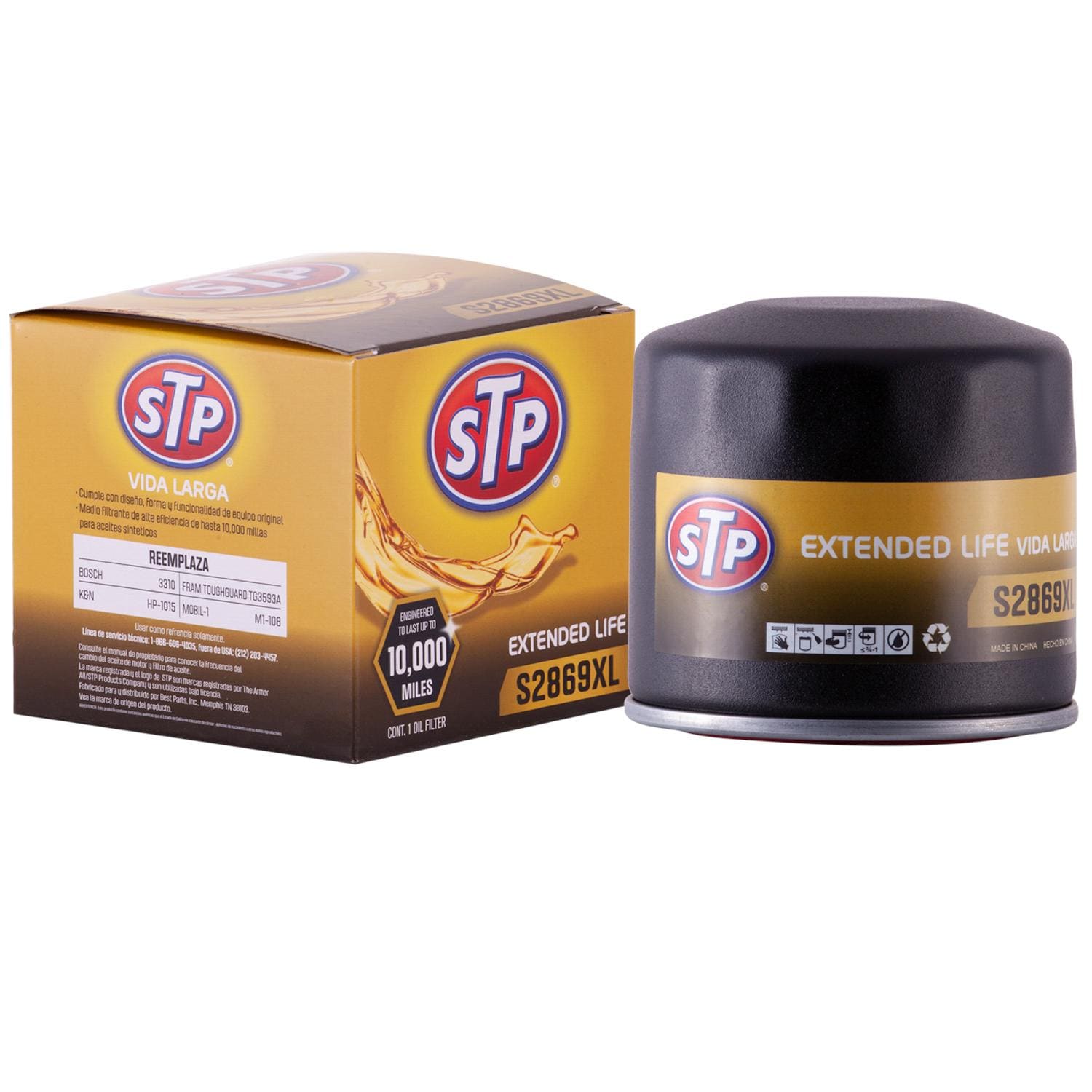
Motorcraft Compatibility Chart
- 4.2L V6 Engine: Motorcraft FL-400S (Part Number: F1AZ-6731-BD)
- 4.6L V8 Engine: Motorcraft FL-820S (Part Number: F1AZ-6731-BD / 820S)
- 5.4L V8 Engine: Motorcraft FL-820S (Part Number: F1AZ-6731-BD / 820S)
The Motorcraft FL-820S is the most common filter you will encounter for this truck. It features a silicone anti-drainback valve, which is critical for the 4.6L and 5.4L V8 engines. This valve keeps oil in the filter when the engine is off, preventing a “dry start” that can cause premature wear on the timing chains and tensioners. It uses an M22 x 1.5 thread size and a relief valve setting of 16 PSI. Even if you use an aftermarket brand, ensuring it has a silicone valve (rather than nitrile) is a smart move for engine longevity.
The Motorcraft FL-400S used in the 4.2L V6 is slightly longer and narrower than the V8 counterpart. It utilizes a 3/4-16 thread size. While it looks similar to other Ford filters used on smaller cars, substituting it for a smaller capacity filter can reduce the oil volume available to your engine during high-load situations. Always verify the “S” suffix on these part numbers, as it denotes the upgraded silicone valve technology.
Master 2004 Ford F150 Oil Filter Maintenance in 8 Simple Steps
Recommended Best Deal Products


The 2004 Ford F-150 is a legendary workhorse, but its longevity depends heavily on the cleanliness of its internal components. Changing your oil filter is arguably the most critical part of routine maintenance, as it ensures that abrasive contaminants do not circulate through your engine’s tight tolerances. This guide provides a comprehensive walkthrough specifically for the 2004 model year, covering the nuances of the 4.6L and 5.4L Triton engines. By following these steps, you will not only save money on shop labor but also gain the peace of mind that comes with knowing the job was done correctly and with the highest quality parts.
Step 1: Gather Your Tools and Specifications
What you need: A new oil filter (Motorcraft FL-820S is highly recommended for the V8 engines), 6 quarts of 5W-20 synthetic blend oil, a 16mm or 5/8-inch wrench/socket, an oil filter wrench, a drain pan (minimum 7-quart capacity), a funnel, clean rags, and nitrile gloves.
Instructions: Before you even touch your truck, ensure you have the correct filter. For the 2004 F-150 with the 4.6L or 5.4L V8, the Motorcraft FL-820S is the gold standard because it features a silicone anti-drainback valve that prevents dry starts—a common issue with these modular engines. If you have the 4.2L V6, you will likely need the FL-400S. Park the vehicle on a level surface, engage the parking brake, and organize your tools within arm’s reach of the front bumper. Having everything ready prevents the common “mid-job sprint” to the auto parts store when the truck is already drained of oil.
Pro Tip: Always check the rubber gasket on your new filter before starting. If the gasket is pinched or missing from the box, do not use it, as it will cause a high-pressure leak immediately upon starting the engine.
Step 2: Warm the Engine and Prepare for Drainage
What you need: The vehicle’s ignition key and about 5 to 10 minutes of time.

Audible — Listen Free for 30 Days
One free credit a month and thousands of titles included.
Listen Free for 30 Days As an Amazon Associate I earn from qualifying purchases.Instructions: Cold oil is thick and viscous, meaning it won’t drain completely and will leave old contaminants trapped in the bottom of the pan. Start your F-150 and let it idle for about 5 to 10 minutes, or take a quick drive around the block. You want the oil to be warm to the touch but not scalding hot. Once warmed, shut off the engine and wait 2 minutes for the oil to settle into the oil pan. This balance ensures the oil flows freely out of the drain hole, carrying away more sludge and debris than it would if the engine were stone cold.
Pro Tip: Be extremely careful when touching the exhaust components near the oil pan after the engine has been running. The 2004 F-150 exhaust manifolds get exceptionally hot very quickly.
Step 3: Position the Pan and Remove the Drain Plug
What you need: 16mm or 5/8-inch socket/wrench, oil drain pan, and protective eyewear.
Instructions: Slide under the front of the truck. Locate the oil pan—it’s the large metal reservoir at the bottom of the engine. The drain plug is located at the rear of this pan. Position your drain pan slightly behind the plug, as the oil will shoot out with some force initially before settling into a vertical stream. Using your wrench, loosen the plug counter-clockwise. Once it’s loose, use your fingers to unscrew it the rest of the way. Apply inward pressure on the plug as you unscrew it to prevent oil from leaking onto your hands until the very last thread is clear, then pull it away quickly.
Pro Tip: Inspect the drain plug’s integrated rubber seal. If it looks cracked or flattened, replace the entire plug. These are inexpensive and are the primary defense against “nuisance drips” in your driveway.
Step 4: Locate and Remove the Old Oil Filter
What you need: Oil filter wrench and a clean rag.
Instructions: On the 2004 F-150, the oil filter is located on the driver’s side of the engine, near the front. One unique feature of this truck is the small plastic drip tray/funnel located directly beneath the filter. This tray is designed to catch the oil that spills out when the filter is loosened and direct it forward. Position your drain pan under the front of this tray. Use your filter wrench to loosen the filter counter-clockwise. Once it moves freely, unscrew it by hand. Allow the oil to drain down the tray into your pan. Once the flow slows, remove the filter completely and set it face-down in the drain pan.
Pro Tip: The “Double Gasket” trap: Check the old filter to ensure the circular rubber gasket is still attached to it. Sometimes the gasket sticks to the engine block. If you install a new filter over an old gasket, it will fail under pressure and spray oil everywhere.
Step 5: Prepare and Install the New Filter
What you need: New Motorcraft oil filter and a small amount of fresh 5W-20 oil.
Instructions: Wipe the mounting surface on the engine block (the “filter boss”) with a clean rag to remove any old oil, grit, or residue. Dip your finger into a bottle of fresh oil and smear a thin, even layer over the rubber gasket of the new filter. This “pre-lubing” ensures the gasket slides into place without bunching or tearing and allows for easier removal during your next oil change. Carefully thread the new filter onto the mounting stud. Spin it on until the gasket makes contact with the metal base, then tighten it exactly 1/2 to 3/4 of a turn further by hand. Do NOT use a wrench to tighten the new filter.
Audible Premium Plus — Annual Membership
12 audiobook credits up front, plus the full Audible catalogue.
See Annual Plans As an Amazon Associate I earn from qualifying purchases.Pro Tip: Avoid over-tightening. Using a wrench to install a filter can crush the gasket or strip the threads, making it nearly impossible to remove next time and potentially causing a leak.
Step 6: Reinstall the Drain Plug and Clean Up
What you need: The original drain plug and a clean rag.
Instructions: Once the oil has slowed to a very occasional drip from the pan, wipe the drain hole area clean. Reinsert the drain plug by hand to ensure you don’t cross-thread it. Tighten it clockwise with your 16mm wrench until it is snug, then give it a firm “tug” to seat it. You are looking for about 15-20 lb-ft of torque; it should be tight enough to not vibrate loose, but you shouldn’t have to strain your muscles to get it there. Finally, use a rag to wipe down the plastic drip tray under the oil filter. If you leave oil there, it will eventually drip onto your driveway, making you think you have a fresh leak.
Pro Tip: If the drip tray is excessively dirty, use a quick spray of brake cleaner to dissolve the oil residue, ensuring a bone-dry finish that won’t attract road dust.
Step 7: Refill the Engine with Fresh Oil
What you need: 6 quarts of 5W-20 oil and a funnel.
Instructions: Move to the engine bay and locate the oil fill cap on the passenger side valve cover. Remove the cap and insert your funnel. Pour in 6 quarts of oil (verify your specific engine capacity in the owner’s manual, but 6 is standard for the V8s). Pour slowly to avoid air pockets that can cause the funnel to overflow. Once finished, replace the oil cap securely. Check the area around the cap for any spills and wipe them up immediately to prevent the smell of burning oil once the engine reaches operating temperature.
Pro Tip: Using a 5-quart jug plus one individual quart is often cheaper than buying six individual quarts. Just be sure to track your volume accurately.
Step 8: Verify and Reset
What you need: Ignition key and the dipstick.
Instructions: Start the engine and let it run for about 60 seconds. While it’s running, look under the truck with a flashlight to ensure there are no leaks from the drain plug or the filter. Shut the engine off and let it sit for 5 minutes to allow the oil to drain back into the pan. Pull the dipstick (located on the driver’s side), wipe it clean, reinsert it fully, and pull it out again. The oil level should be within the crosshatched “Full” range. Finally, if your 2004 F-150 is equipped with a Message Center, use the “Setup” and “Reset” buttons on the dashboard to reset your oil life percentage to 100%.
Pro Tip: Always check the oil level one last time the next morning after the truck has sat overnight. This provides the most accurate “cold” reading possible.
✅ Final Checklist
- Confirm the old oil filter gasket was removed from the engine block and didn’t stay stuck.
- Verify the drain plug is tightened to a snug fit (approx. 15-20 lb-ft).
- Check that the oil level on the dipstick is between the “Min” and “Max” marks.
- Ensure the oil fill cap and dipstick are fully seated before closing the hood.
- Inspect the ground under the vehicle after the first test drive for any signs of seepage.
Important Notes:
- Safety First: Always use jack stands if you are lifting the vehicle; never rely on a floor jack alone while crawling underneath.
- Waste Disposal: Never pour used oil down the drain or into the trash. Take your old oil and filter to a local auto parts store or recycling center.
- Professional Help: If you notice metal shavings in your old oil or if the drain plug threads are stripped, consult a professional mechanic immediately.
- Estimated Time: 30 to 45 minutes.
- Cost Range: $40 – $65 (depending on oil type and brand).
Aftermarket Cross-Reference: Wix, Fram, and Mobil 1
While Motorcraft is the recommended brand for the 2004 F-150, many owners prefer using high-performance synthetic filters or need a quick replacement from a local parts store like AutoZone, O’Reilly, or NAPA. When switching to an aftermarket brand, you must ensure the bypass valve setting and thread pitch match the OEM specs perfectly to avoid leaks or oil starvation during cold starts.
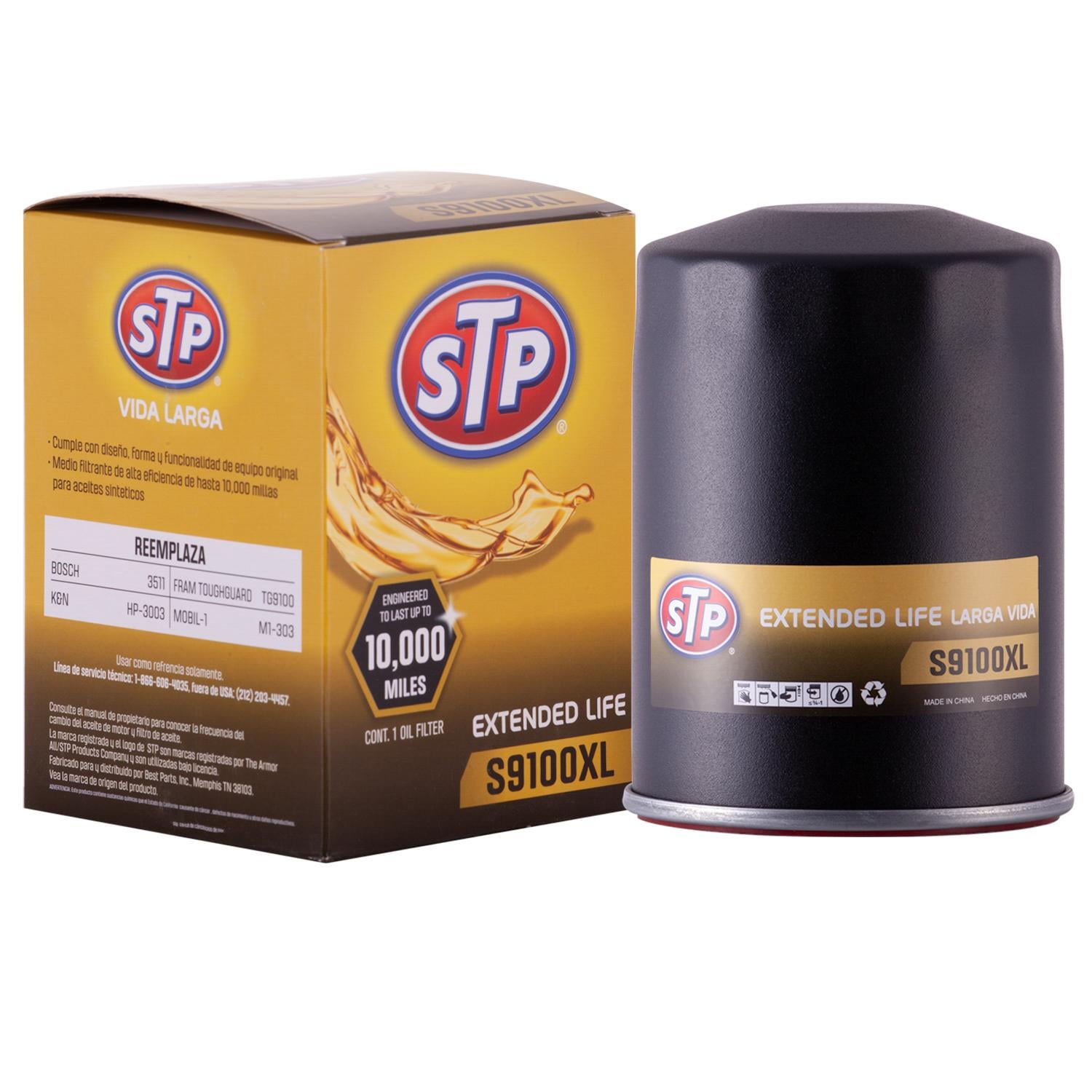
Cross-Reference for 4.6L and 5.4L V8 Engines
If you are shopping for the 4.6L or 5.4L V8 and cannot find an FL-820S, use these common cross-reference numbers. These are sorted by popular brands found in most retail locations:
- Wix: 51372 (Standard) or 51372XP (Synthetic)
- Fram: PH2 (Extra Guard), TG2 (Tough Guard), or XG2 (Ultra Synthetic)
- Mobil 1: M1-210 or M1-210A
- Purolator: L24651 (Classic) or PL24651 (ONE)
- K&N: HP-2010 (includes a nut for easy removal)
- Bosch: 3410 (Premium)
Cross-Reference for 4.2L V6 Engine
For the 4.2L V6 engine, the following aftermarket filters are direct replacements for the Motorcraft FL-400S. These filters accommodate the specific 3/4-16 thread pitch required for the Essex engine block:
- Wix: 51516 (Standard) or 51516XP (Synthetic)
- Fram: PH3600 (Extra Guard) or XG3600 (Ultra Synthetic)
- Mobil 1: M1-209 or M1-209A
- Purolator: L20195 (Classic) or PL20195 (ONE)
- K&N: HP-2009
When choosing between these aftermarket options, consider your oil type and change interval. If you are running full synthetic oil for 7,500 to 10,000 miles, choosing a “synthetic” grade filter like the Wix XP or Fram Ultra Synthetic is highly recommended. These filters use synthetic media that does not break down as quickly as standard cellulose paper filters, providing better protection over long distances.
Technical Specifications: Threads, Dimensions, and Bypass Ratings
Recommended Best Deal Products


When you are looking for a replacement filter for your 2004 Ford F150, the physical dimensions are just as important as the brand name. The 4.6L and 5.4L Triton engines utilize a specific thread pitch and gasket diameter to ensure a leak-free seal. For these V8 engines, the standard thread size is M22 x 1.5. Using a filter with the wrong thread pitch—even if it looks similar—can lead to cross-threading the oil filter housing or catastrophic oil loss while driving.
Thread Pitch and Gasket Integrity
Precision is key when dealing with Ford’s modular engines. Most compatible filters for the 2004 model year feature an outer diameter of approximately 2.9 to 3 inches. This ensures that the rubber gasket seats perfectly against the engine block. A common pro-tip among F150 owners is to always verify the anti-drainback valve material. High-quality filters use silicone valves, which remain flexible in extreme temperatures, preventing oil from draining out of the filter when the engine is off. This is vital for protecting your engine during those first few seconds of a “dry” start.
Bypass Valve Ratings
The bypass valve is your engine’s internal safety net. If the filter media becomes clogged or the oil is too thick during a cold winter morning, this valve opens to allow oil to bypass the filter and keep the engine lubricated. For the 2004 F150, you should look for a filter with a bypass setting of approximately 12 to 15 PSI.
- Thread Size: M22 x 1.5
- Bypass Valve: 12-15 PSI
- Anti-Drainback Valve: Silicone preferred for long-term durability
- Filter Media: Look for 20-micron efficiency ratings
Performance vs. Economy Oil Filter Comparisons
Choosing between a performance-grade filter and an economy version often comes down to your driving habits and the type of oil you use. If you are running full synthetic oil and pushing your 2004 F150 to the 7,500-mile mark between changes, a budget filter may not be up to the task. Economy filters typically use cellulose (paper) media, which can break down over time and offers lower filtration efficiency for microscopic particles.
Premium Synthetic Filtration
Performance filters, such as the Mobil 1 Extended Performance or Royal Purple series, utilize synthetic blend or 100% synthetic micro-glass media. These filters are often wire-backed to prevent the pleats from collapsing under high pressure. They are designed to trap up to 99% of contaminants as small as 20 microns. If you use your truck for heavy towing or frequent stop-and-go driving in the city, the extra investment in a premium filter provides significantly better protection for your engine’s bearings and lifters.
Standard and Economy Options
Standard filters, like the Motorcraft FL-820S or Purolator Classic, are excellent choices for daily drivers following a traditional 3,000 to 5,000-mile service interval. These filters are cost-effective and meet all Ford factory specifications.
- Performance Filters: Best for synthetic oil, towing, and long drain intervals.
- Economy Filters: Best for budget-conscious owners and frequent oil changes.
- High-Mileage Filters: Often include thicker gaskets to help seal older, slightly warped filter housings.
Example Tip: If you notice a “ticking” sound on cold starts, switching from an economy filter to a premium filter with a silicone anti-drainback valve can often solve the issue by keeping oil in the upper engine longer.
Conclusion
Finding the right oil filter for your 2004 Ford F150 is a small task that pays huge dividends in engine longevity. By matching the correct M22 x 1.5 thread size and choosing between premium synthetic or reliable economy media, you ensure your Triton engine stays lubricated under any condition. Whether you stick with the tried-and-true Motorcraft FL-820S or upgrade to a high-performance alternative, the key is consistency and quality.
Ready to get started? Your next step is to check your current oil type and choose a filter that matches your expected mileage. Don’t forget to inspect the mounting surface for any old gasket residue before you spin on your new filter. Keep your truck running strong—pick up your high-quality replacement filter today!
❓ Frequently Asked Questions
What are the best aftermarket oil filters for a 2004 F-150?
Top aftermarket choices include the Wix 51372 for high-quality filtration, the Mobil 1 M1-210 for synthetic oil users, and the Bosch 3410 for balanced performance and efficiency.
Why is the Motorcraft FL-820S recommended over generic brands?
Motorcraft filters feature a pressure-relief valve located on the threaded end, which ensures oil bypasses the dirty media efficiently without washing debris back into the engine.
What is the specific thread size for the 2004 F-150 4.2L V6?
The 4.2L V6 engine uses a 3/4-16 thread size, which is an SAE standard and is not interchangeable with the metric threads on the V8 models.
Can I use a larger filter than the stock FL-820S?
While some oversized filters may fit the threads, it is risky due to potential chassis clearance issues and differences in internal bypass valve pressure settings.
How do I identify if my 2004 F-150 is a Heritage or New Body Style?
The Heritage model shares the rounded 1997-2003 body style, while the New Body Style has a more squared-off design; however, filter fitment remains identical for matching engine sizes.
What bypass valve rating is required for the 5.4L Triton engine?
The filter should have a bypass valve rating of approximately 16 PSI to ensure adequate oil flow during cold starts or high-load conditions.