
Why Is My Tire Pressure Light Still On After Filling Tires? 7 Proven Fixes for 2026

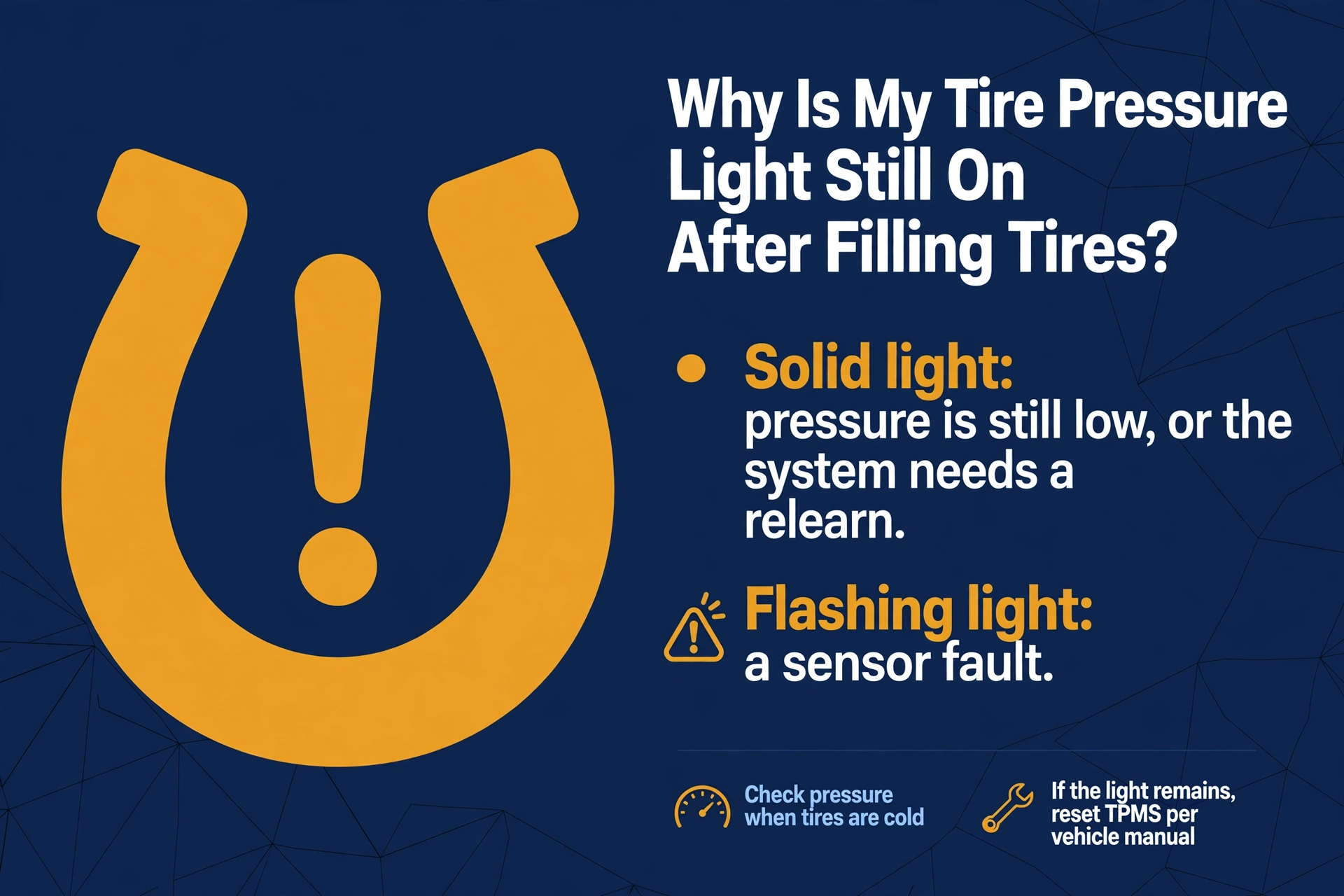
Your tire pressure light stays on after filling your tires because the pressure is still low in at least one tire, the system has not finished its relearn yet, or a sensor or system fault is present. A solid light points to low pressure or a pending relearn. A flashing light points to a fault in the system itself. This guide applies to Ford cars, trucks, and SUVs with direct TPMS, including the F-150, Explorer, Escape, Edge, Bronco, and Super Duty. Work through the checks below in order, and you will find the cause before you spend money on parts.
Solid or Flashing? 2 Light Patterns That Change the Fix
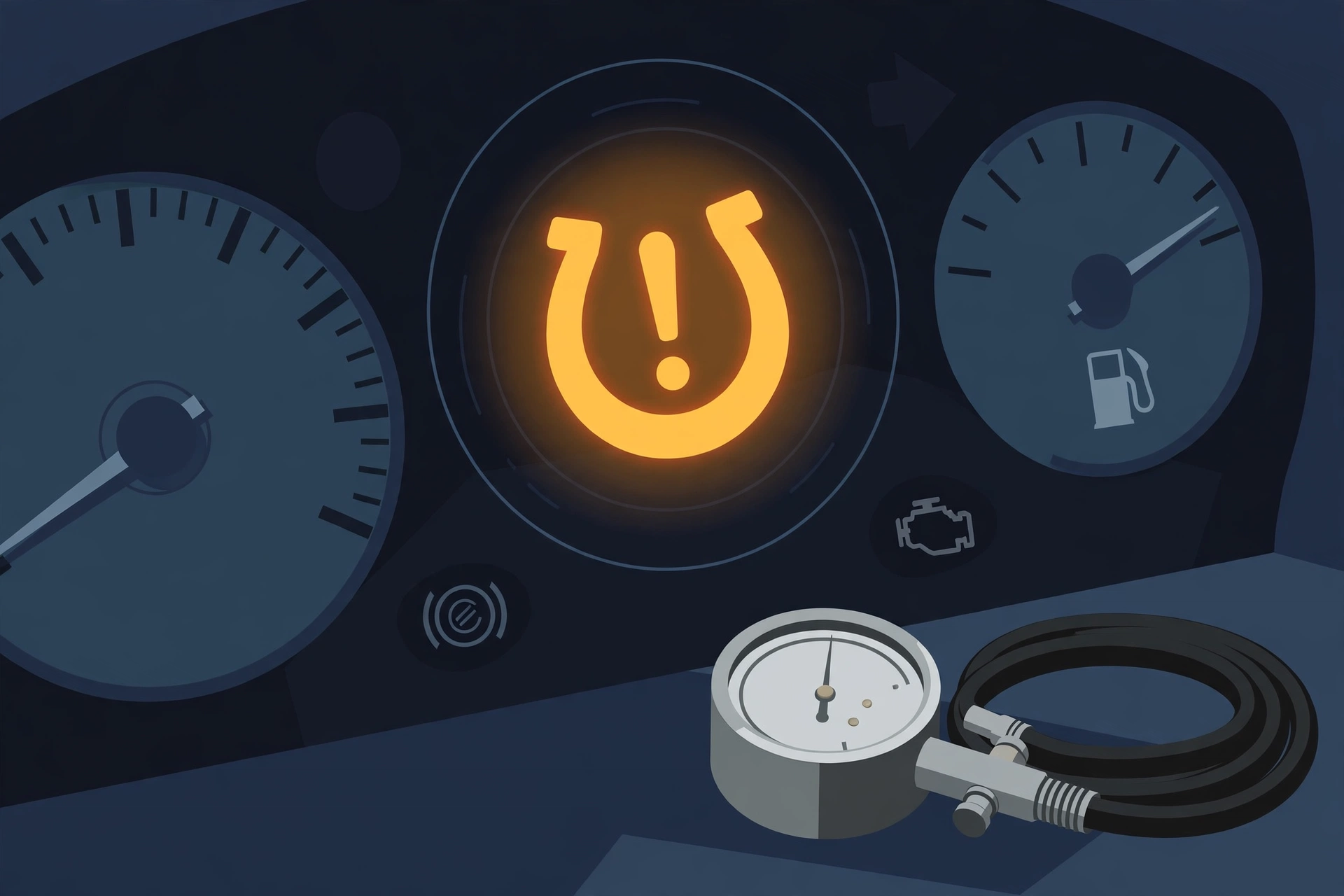
Start with the light itself, because the pattern tells you which half of the problem you face. A solid light means the system believes at least one tire is low. A light that flashes for 60 to 90 seconds after you start the car and then stays solid means the system itself has a fault.


The distinction comes from Federal Motor Vehicle Safety Standard No. 138 (49 CFR 571.138). The standard requires the solid light to come on within 20 minutes once a tire drops 25 percent or more below the pressure on the door placard. On a 35 PSI placard, that threshold is about 26 PSI. A tire can sit well below its recommended pressure and still look normal, so only a gauge gives you the truth.
TPMS has been mandatory on vehicles built on or after September 1, 2007, so nearly every Ford on the road today carries it.
A NHTSA study of tire pressure monitoring (DOT HS 813 617, November 2024) found direct TPMS cut the likelihood of severe underinflation by 55.6 percent. The same study shows why the light deserves respect: it is a floor, not a maintenance plan. Monthly gauge checks still matter, because the light only warns you after pressure has already fallen far.
If your light is solid, move to the seven causes below. If it flashes, skip to the red flags near the end, because a flashing light means the system may not warn you about low pressure at all.
TPMS Light Still On? Follow These Steps
Start at the top. Answer each question, then follow the step that matches your Ford.
Solid means the system thinks a tire is low. Flashing for 60 to 90 seconds at startup, then solid, means the system itself has a fault.
Check all four tires and the spare. Fill each tire to the door placard pressure when the tires are cold.
Did the light turn off? Yes: done. Recheck pressure monthly. No: go to step 4.
Did the relearn clear the light? Yes: done. No: one sensor may be dead, or the system has a fault. Book a diagnostic scan.
Check for a sensor fault message in the information display. Book a scan to find the silent sensor. Do not rely on the light to warn you about low pressure.


7 Reasons the Light Stays On After Filling Tires


Work through these seven causes in order. Most drivers find the answer in the first three.
One Tire Is Still Low


The most common cause is also the simplest. You filled three tires and missed the fourth, or you filled all four but one was so low that a short burst of air did not bring it up to the placard number. Check every tire with a gauge, including the spare if your Ford carries a full-size spare with a sensor.

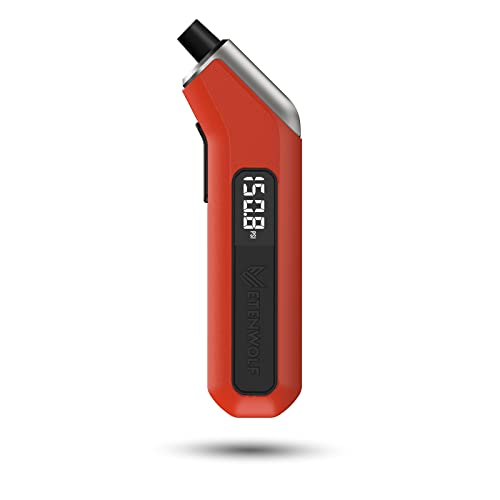

Fill each tire to the number on the driver door placard, not the number on the tire sidewall. The sidewall number is a maximum, not a target. Check pressure when the tires are cold, after the car has sat for at least three hours, because a warm tire reads higher than its true cold pressure.
A Slow Leak Keeps Draining Pressure
A tire can lose a few PSI a day and still look fine. The usual suspects are a nail or screw in the tread, a cracked valve stem, a bead seal that no longer holds, or a hairline crack in the wheel. Spray soapy water on the tread, the valve stem, and the bead, then watch for bubbles. A missing valve stem cap lets dirt reach the valve core, which can then leak slowly, so replace a lost cap.
If one tire keeps dropping while the others hold steady, that tire has a leak. No amount of refilling will keep the light off until you fix it. A plug or patch works for a small tread puncture, but sidewall damage means the tire must be replaced.


Cold Weather Dropped the Pressure Overnight


Air contracts as it cools, about 1 PSI for every 10 degrees Fahrenheit. A tire filled to 35 PSI on a 60-degree afternoon can read near 31 PSI on a 20-degree morning. If the tire was already close to the 25 percent threshold, the cold snap trips the light.
Fill the tires to placard pressure in the cold morning, not in a warm garage, and the light should clear after a drive. This is the most common cause of a light that appears overnight in fall and winter and vanishes by spring.
The System Has Not Relearned Yet
Filling the tires does not turn the light off at once. The sensors send pressure readings only while the wheels turn, so the vehicle needs a drive above 20 mph for at least two minutes before the module sees the corrected pressure. If the light is still on after that drive, a manual relearn may be needed after a tire rotation or a sensor swap.
If the light is still on after a proper drive, run the relearn in the next section. Do not keep adding air while you wait, or you will end up with overinflated tires and a light that still will not clear.
A Sensor Battery Is Dead

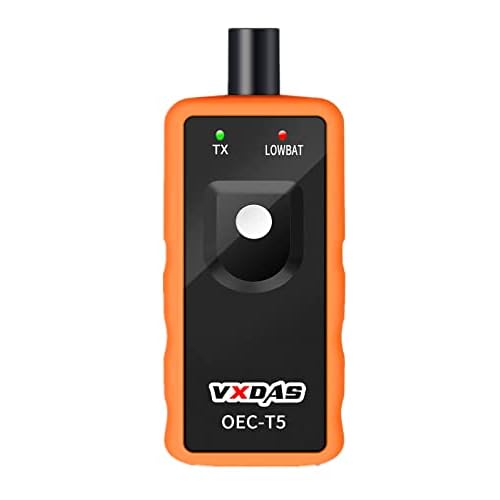
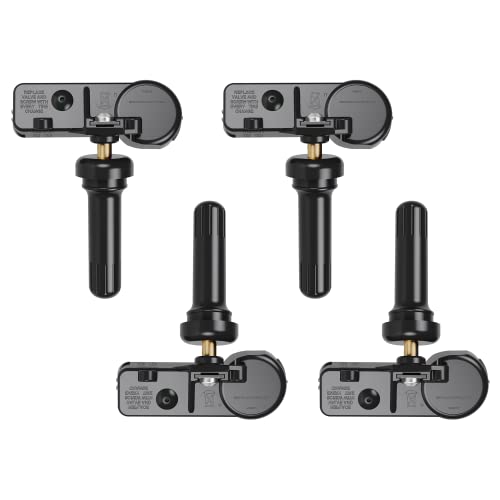
Each direct TPMS sensor has a sealed battery that lasts about 7 to 10 years. When the battery dies, the sensor stops reporting and the system flags a fault. A sensor can also fail after a tire change if the stem is damaged or the sensor body is cracked. A flashing light, or a sensor fault message in the information display, points here.
A scan tool that reads TPMS sensor IDs will show which wheel has gone silent. The Ford Explorer sensor fault reset guide walks through the same diagnosis for Explorer owners, and the guide to activate a new TPMS sensor without a tool covers what happens after a dead sensor is replaced.
The Spare Tire Is Low
Some Ford trucks and SUVs monitor the full-size spare, so check your owner’s manual to see if yours does. If the spare carries a sensor and its pressure has fallen, the light stays on even when all four road tires are perfect. Check the spare with a gauge and fill it to the pressure on its own placard or sidewall guidance.
Compact temporary spares usually have no sensor, so this branch applies mainly to full-size spares. It is easy to miss, and it is the cause that surprises the most owners.
The Wrong Target Number
Two numbers cause this mistake. The first is the tire sidewall maximum, which is higher than the placard pressure. The second is a placard that lists different pressures front and rear. If your Ford lists different front and rear pressures, each axle needs its own number, and a rotation without a relearn can leave the system watching the wrong wheel.
Look up the right number for your truck in the Ford tire pressure chart by model, then recheck every tire against it. Fill to the placard, drive, and see if the light clears before you touch anything else.
How to Relearn Ford TPMS Sensors in 9 Steps


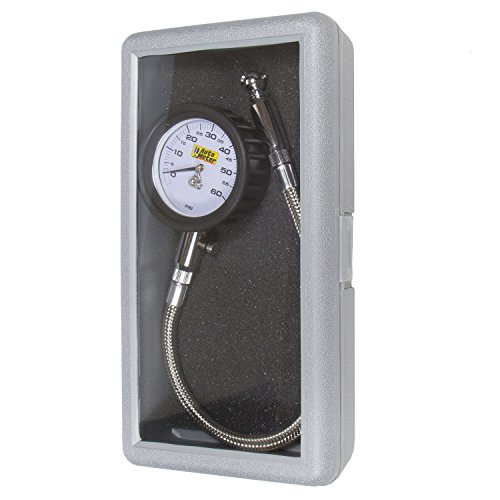
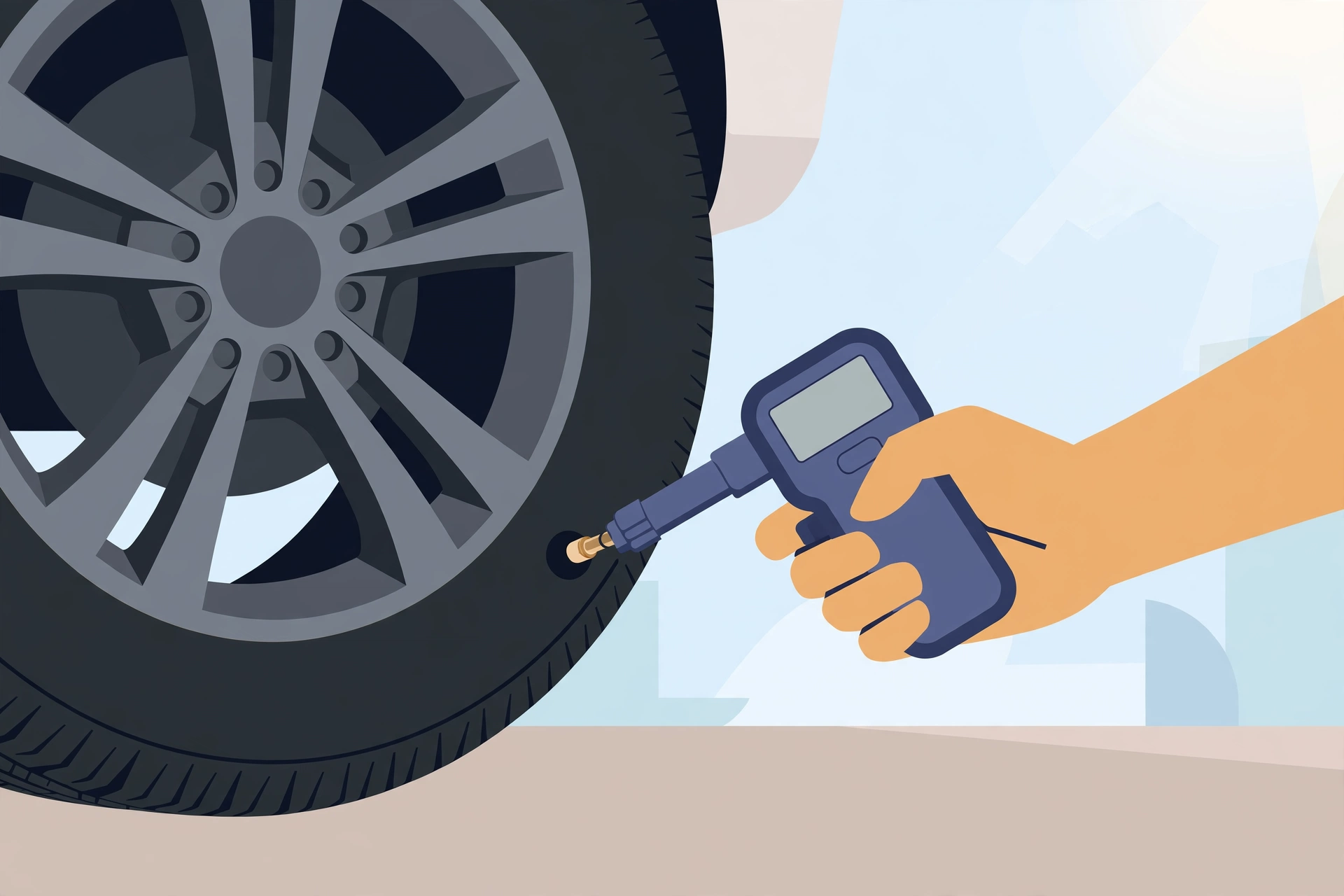
Use this procedure from the 2013 Ford F-150 Owner’s Guide when a drive alone does not clear the light. It applies to 2010 to 2020 F-150 models without tools. The 2008 and 2009 models need a relearn tool, and many newer Fords relearn on their own after a drive, so check your owner’s manual first.
- Drive above 20 mph (32 km/h) for at least two minutes, then park where you can reach all four tires and an air pump.
- Place the ignition in the off position and keep the key in the ignition.
- Cycle the ignition to the on position with the engine off.
- Turn the hazard flashers on then off three times within 10 seconds. The horn will sound once, the indicator will flash, and a message will show in the information display if your truck has one. If nothing happens, start again at step 2.
- Train the sensors clockwise, starting with the left front tire. Remove the valve cap and decrease the air pressure until the horn sounds once. A single chirp means the sensor code is learned for that position.
- Repeat for the right front tire.
- Repeat for the right rear tire.
- Repeat for the left rear tire. Training is complete after the horn sounds for the last tire, the indicator stops flashing, and a message shows in the display.
- Turn the ignition off. If two short horn beeps sound, the procedure failed and you must repeat it. Then inflate all four tires to the placard pressure.
Two details from the manual matter. Do not wait more than two minutes between training each sensor, or the system times out and you start over. Stay at least three feet from another Ford that is doing the same procedure, as the manual warns, or the sensors can interfere with each other. If a double horn sounds at any tire, that tire did not train, and you must repeat the procedure. The Ford tire pressure light reset procedures cover the same steps in more detail, and the TPMS reset tool guide explains when a tool is the right choice.
Match Your Symptom to Your Next Step in 7 Rows
Match your symptom to the table, then take the step in the right column.
| Symptom | Likely Cause | Your Next Step |
|---|---|---|
| Solid light, one tire reads low | Tire still underinflated | Fill it to placard pressure, then drive |
| Solid light, all four read correct | Relearn pending | Run the Ford relearn, then drive |
| Solid light, one tire keeps dropping | Slow leak | Check for a leak with soapy water |
| Solid light after a cold snap | Temperature drop | Fill to placard pressure in the cold |
| Solid light, spare is low | Spare sensor reporting | Fill the spare to its placard pressure |
| Flashing light for 60 to 90 seconds | System fault | Scan for the silent sensor |
| Light returns days after a reset | Dying sensor battery or slow leak | Scan sensors and check pressure daily |
5 Mistakes That Keep the Light On
- Filling to the sidewall maximum instead of the door placard number. The sidewall number is a limit, not a target. Use the placard.
- Checking pressure on warm tires and trusting the reading. A warm tire reads higher than its true cold pressure. Check cold for a true number.
- Skipping the spare and the fourth tire. One unchecked tire is enough to keep the light on for weeks.
- Running a relearn while a tire is still low. Train the sensors only after every tire is at placard pressure, or the light will return.
- Expecting the light to clear the second you finish filling. The sensors need a drive above 20 mph for at least two minutes to report.
4 Red Flags That Mean See a Ford Technician
- The light flashes at every start. The system has a fault and may not warn you about low pressure at all.
- A sensor fault message stays in the information display after a relearn. One sensor is not reporting, and only a scan will name it.
- The relearn fails twice in a row. A double horn, or two short beeps at the end, means the procedure cannot complete. A sensor or the module needs attention.
- You see a bulge, a cut, or a nail in the sidewall, or the tire loses pressure in hours. That is a safety problem, not a sensor problem. Do not drive on it. Fit the spare or call for roadside help.
For F-150 owners, the 2015 Ford F-150 sensor fault checks show what a scan looks for on that generation. A technician with a TPMS scan tool can read each sensor ID in minutes and tell you which wheel has gone silent.
5 Questions Ford Owners Ask About the TPMS Light
How Long Before the Light Turns Off?
Drive above 20 mph for at least two minutes after filling to placard pressure. If the light is still on after that drive, run the Ford relearn in the section above.
Why Does Cold Weather Trigger the Light?
Air contracts as it cools, about 1 PSI for every 10 degrees Fahrenheit. A tire near the 25 percent threshold can trip the light overnight. Fill the tires in the cold morning to placard pressure.
Can I Drive With the Light On?
Drive slowly to a safe place and check pressure with a gauge. A solid light with correct pressure is usually safe for a short trip. A flashing light or a visibly low tire means you should not keep driving.
Do I Need a Reset Tool?
2010 to 2020 F-150 models reset without tools using the hazard flasher procedure. 2008 and 2009 models need a relearn tool. Many newer Fords relearn on their own after a drive.
Does the Spare Tire Have a Sensor?
Some Ford trucks and SUVs monitor a full-size spare. Compact temporary spares usually have no sensor. Check the spare with a gauge if the light stays on with four good tires.
What to Do Before Your Next Drive
Your tire pressure light stays on after filling tires for a reason you can find with a gauge and a short drive. Check all four tires and the spare, fill each one to the door placard number, and drive above 20 mph for at least two minutes. If the light is still on, run the Ford relearn. If it flashes, or the relearn fails twice, book a diagnostic scan. A gauge costs little, and it answers the question faster than any guess. Check your pressure this week, and the light will stop being a mystery. Start with the gauge, not the parts catalog, and you will fix this for the cost of a little air.