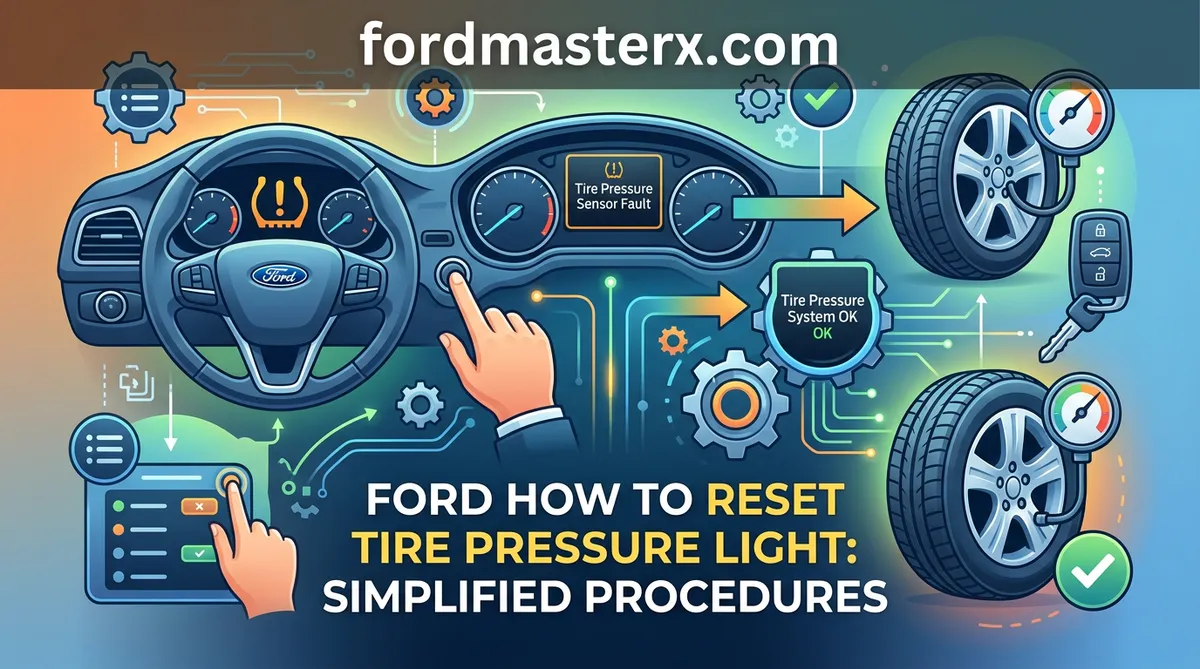
Ford how to reset tire pressure light: Simplified Procedures

Is that glowing TPMS light ruining your drive, even after you have pumped up your tires? Dealing with a stubborn warning indicator can be frustrating, especially when you know the inflation levels are correct. Many Ford owners struggle to clear the system alert because the process requires specific sequences or tools that are not always intuitive to the average driver. This guide covers everything from standard pressure checks to the professional “relearn” procedure required to restore your system and provide a fresh start for your vehicle’s tire monitoring diagnostics.
Ford How to Reset Tire Pressure Light: Understanding Why Your Ford Alerts
Recommended Best Deal Products


Before you begin the reset process, it is vital to understand the language of your vehicle’s dashboard. The Tire Pressure Monitoring System (TPMS) is designed to keep you safe, but it is not infallible. Distinguishing between a routine pressure correction and a system-wide electronic failure will save you hours of troubleshooting.
📤 Share Image
Solid vs. Flashing Warning Light Symptoms
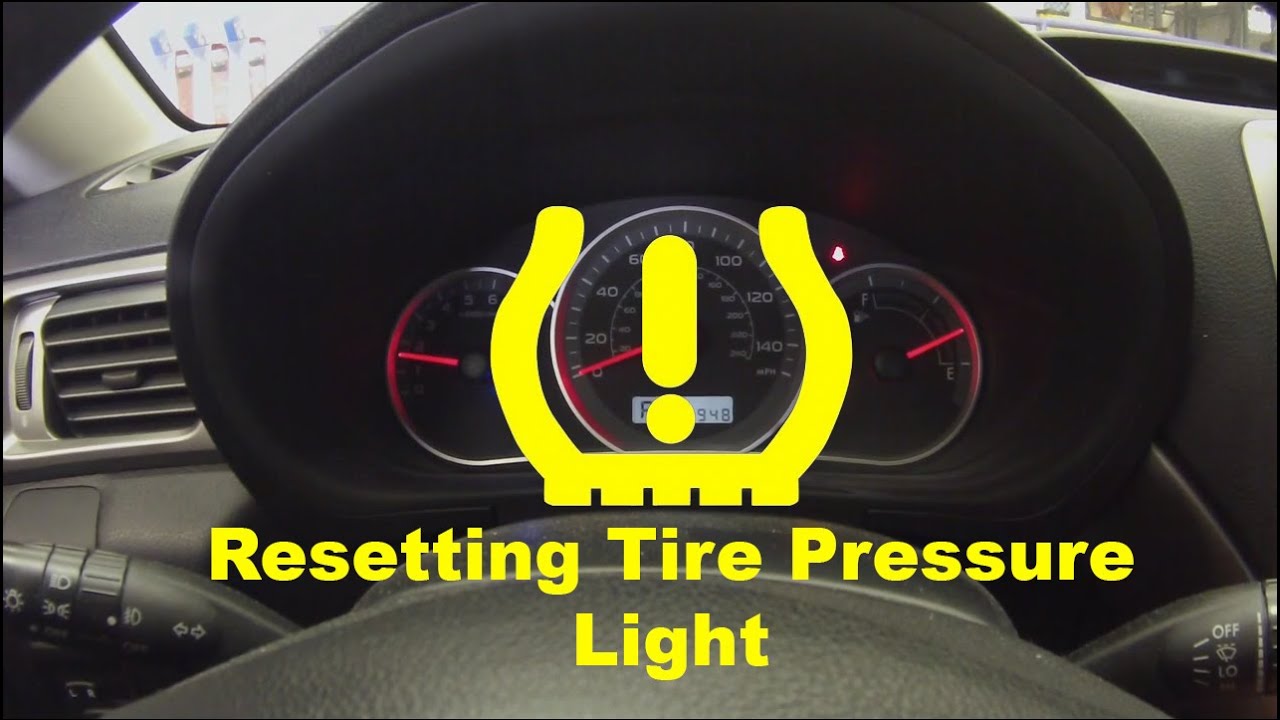
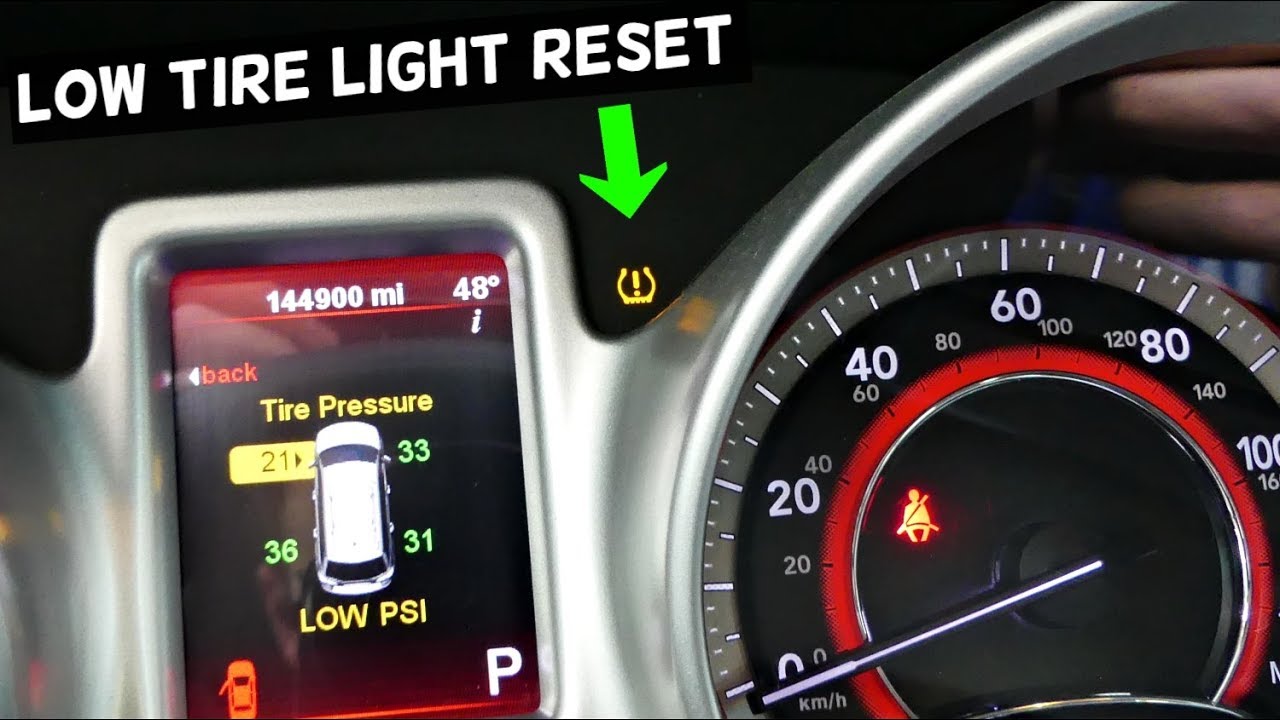
The logic programmed into the Instrument Cluster Warning Light is precise. If the light remains solid, the system has detected that one or more tires are below the recommended threshold. However, if you see the light flash for approximately 60 seconds upon startup and then remain illuminated, you are looking at a system fault. This flashing sequence indicates that the Body Control Module (BCM) has lost communication with one or more TPMS sensors. In this state, a simple air-up will not resolve the issue, as the sensors are failing to transmit data to the onboard computer.
Why Sensors Fail After 7-10 Years
Each TPMS sensor inside your wheels is a self-contained radio transmitter powered by a lithium-ion battery. Industry data confirms that these batteries have a finite lifespan, typically ranging from 7 to 10 years. Once the internal voltage drops below a critical threshold, the sensor can no longer provide a consistent signal to the TPMS receiver module. If your vehicle is in this age bracket, you may find that you cannot “reboot” the system, as the hardware itself has reached the end of its functional life. In these instances, the sensors must be replaced to restore the monitor to full operation.
Industry Data
Typical Battery Limit
Flashing Fault Code
Ford How To Reset Tire Pressure Light: The Universal Relearn Procedure
When you rotate your tires or replace a damaged unit, the vehicle’s Body Control Module needs to be told exactly where each valve stem sensor is located. This process, known as a “relearn,” assigns the unique identification code of every sensor to a specific position on the vehicle.
📋
Step-by-Step Guide
Ensure your vehicle is parked on level ground with the engine off. Inflate all tires to the cold-pressure specification found on your door placard. Ensure your TPMS reset tool is fully charged.
Turn the ignition to the ‘On’ position without starting the engine. Press the brake pedal three times, turn the ignition to ‘Off,’ then back to ‘On’ and press the brake pedal again. If successful, the horn will chirp to indicate the BCM is in Learn Mode.
Starting with the driver-side front tire, hold your TPMS reset tool near the valve stem and activate the trigger. Wait for the horn to chirp, acknowledging the sensor. Proceed clockwise to the passenger front, passenger rear, and finally the driver rear.
The Role of the TPMS Reset Tool
While some older Ford models allowed for a “pressure release” reset, modern vehicles require an electronic trigger to initialize the sensors. A dedicated TPMS reset tool acts as a bridge, sending an activation frequency to the sensor so it transmits its unique ID to the BCM. Without this tool, the system will not register the sensor, and the warning light will refuse to clear regardless of your tire pressure status.
Finding Correct PSI and Avoiding Common Reset Pitfalls
One of the most frequent mistakes owners make is misinterpreting pressure values. Relying on the wrong data source often prevents a successful default calibration, as the system expects specific parameters to confirm the tires are at the manufacturer’s factory-recommended levels.

Prime for Young Adults — 6 Months Free
Students and 18–24s get six months of Prime free, then half price.
Start 6 Months Free As an Amazon Associate I earn from qualifying purchases.- Check Your Door Jamb: Always use the tire placard inside the driver-side door jamb. Never inflate your tires to the “Max PSI” printed on the tire sidewall, as this can lead to uneven tire wear and poor handling.
- Precision Inflation: Use a high-quality tire pressure gauge. Even a 2-3 PSI variance across the set can cause the system to delay the reset process or trigger a false alert during temperature fluctuations.
- Spare Tire Awareness: Most Ford TPMS systems do not monitor the spare tire unless a sensor is present. If your spare is inflated to a different pressure and happens to be stored near the rear axle, it may cause signal interference.
Advanced Troubleshooting for Ford TPMS Connectivity Issues
If you have performed the reset and the light persists, the issue has moved beyond basic maintenance and into the realm of diagnostics. Connectivity problems are often subtle but are easily diagnosed with the right approach.
Testing Sensor Radio Frequency Signals
Sensors typically operate on either a 315 MHz or 433 MHz frequency depending on the region and the manufacturing year of the vehicle. If you installed aftermarket sensors, ensuring they match your vehicle’s specific frequency is essential. A diagnostic scan tool can determine if a sensor is broadcasting at all. If the tool detects no signal at the valve stem, the sensor is likely dead and requires replacement.
Identifying BCM Communication Errors
If your sensors are functional but the vehicle still reports a fault, the issue may lie with the Body Control Module. Occasionally, electronic interference from aftermarket accessories like high-intensity LED headlights or dash cams can disrupt the low-frequency signals transmitted by the sensors. In persistent cases, a dealership may need to perform a system scan to see if there is a pending DTC (Diagnostic Trouble Code) that requires a software update to reach a clean system state.
Do not attempt to bypass the TPMS warning light. These systems are critical safety components. If the light remains on after multiple attempts to initialize, consult a qualified technician to verify the integrity of your tire monitoring network.
To recap, confirming your tire pressure via the door placard is the mandatory first step in any maintenance routine. The “relearn” procedure is not optional when rotating your wheels, as the system must be recalibrated to account for the new positions of each sensor. Remember, a flashing light is your signal that you are dealing with a hardware failure rather than a simple tire pressure issue. If the standard sequence outlined here does not clear the dash, check your specific model year’s owner manual for any unique ignition sequences that may apply to your vehicle’s generation.
Ford How to Reset Tire Pressure Light: Frequently Asked Questions
Why does my tire light stay on after adding air?
The system often requires a ‘drive cycle’ to update. After inflating to the correct PSI, drive the vehicle for at least 10-15 minutes at speeds above 20 mph. This allows the sensors to detect the new pressure and transmit the updated data to the onboard computer, triggering the light to turn off automatically.
Do I need a special tool to reset my Ford TPMS?
For most modern Ford vehicles, no tool is required. The system is designed to auto-learn or is accessible through the dashboard settings menu. However, if a sensor was recently replaced, a mechanic may need a TPMS ‘activation tool’ to wake the sensor and sync it to the vehicle’s unique identification code.
Can I drive with the TPMS light on?
You can drive for short distances, but you should inspect your tires immediately. If the light is solid, it usually means low pressure, which decreases fuel efficiency and affects handling. If the light is flashing, there is a system malfunction; you should have it inspected by a technician to ensure the sensors are functioning properly.
How do I find the correct PSI for my tires?
Do not look at the sidewall of the tire, as that indicates the maximum pressure the tire can hold. Instead, open the driver’s side door and locate the black and yellow sticker on the door jamb. This placard provides the precise, manufacturer-recommended PSI for your specific vehicle and load capacity.
Does a tire rotation require a TPMS reset?
On many newer Ford models, the system automatically detects the new position of each wheel and sensor after a rotation, provided you drive the vehicle for a short period. If your specific model requires a manual reset, you can initiate this through the ‘Settings’ menu on your dashboard display to confirm the new sensor locations.

Audible Premium Plus — Annual Membership
12 audiobook credits up front, plus the full Audible catalogue.
See Annual Plans As an Amazon Associate I earn from qualifying purchases.