How to Use a Water in Fuel Drain Filter: Safety & Maintenance

Draining accumulated water from your fuel filter is essential to prevent engine corrosion and fuel system failure. Regularly checking the separator bowl and ensuring the system is properly primed after draining will maintain peak performance and avoid costly repairs.
🎯 Key Takeaways
- Use a clear container to spot the distinct water-fuel separation line.
- Never over-tighten plastic drain valves to prevent cracking or leaks.
- Prime the fuel system after draining to eliminate trapped air pockets.
- Replace the filter immediately if the Water in Fuel light persists.
- Check the sensor wiring if the drain doesn’t solve warning lights.
Draining the accumulated water from your fuel filter separator involves locating the drain valve at the bottom of the filter housing, placing a catchment container underneath, and slowly opening the valve until clear fuel begins to flow. This simple task is your primary defense against internal rust and injector corrosion. By removing water before it enters the high-pressure side of your fuel system, you maintain the tight tolerances required for modern engines to run efficiently.
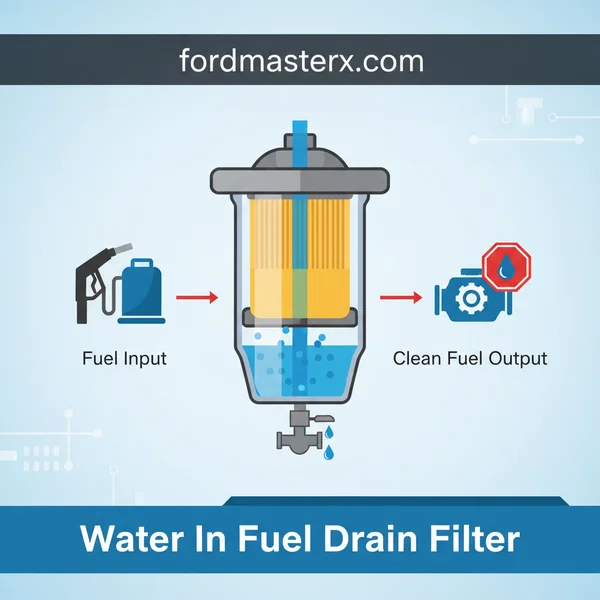
Regular maintenance is critical because water is naturally heavier than fuel and will always sink to the bottom of the filter housing. If the reservoir fills up, the excess water will bypass the filter and head straight for your engine. This leads to poor combustion, starting issues, and eventually, catastrophic fuel system failure. Mastering the drain process ensures your vehicle stays on the road and out of the shop for expensive fuel system overhauls.
Prime Day Pick
Limited-time Prime Day price. Check current discount on Amazon.
Identifying Common Symptoms of Water Contamination
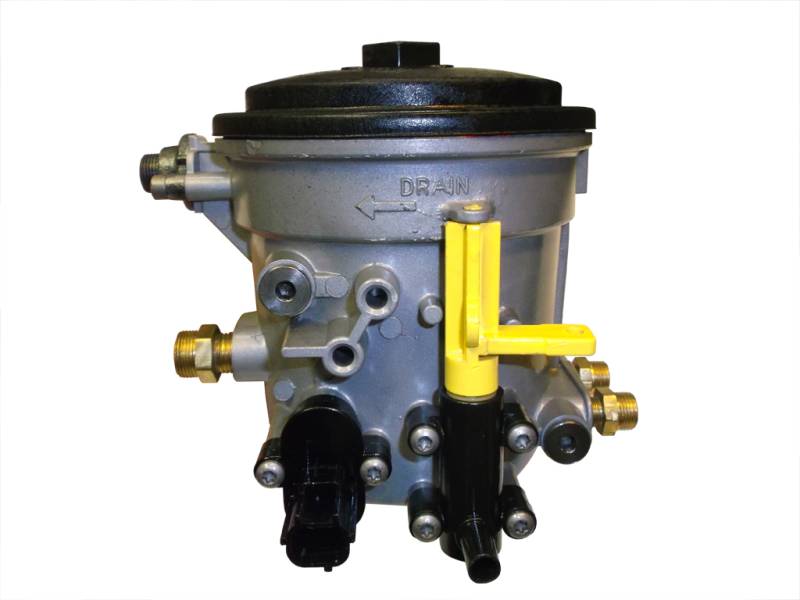
Before you get under the vehicle, you need to recognize when your system is struggling with water accumulation. Your engine will often provide several physical and electronic warnings before a total breakdown occurs. Paying attention to these signs allows you to drain the system before the water reaches the injectors.
The Dashboard Warning and Performance Drops
Most modern diesel vehicles are equipped with a “Water in Fuel” (WIF) light on the dashboard. This light triggers when the sensor at the bottom of the filter detects a specific level of moisture. However, you should not wait for this light if you notice the following performance issues:
Prime Day Pick
Limited-time Prime Day price. Check current discount on Amazon.
- Rough Idling: If the engine stumbles or vibrates excessively while stopped, water may be disrupting the fuel spray pattern.
- Hard Starting: Excessive cranking before the engine fires often indicates that water has displaced fuel in the lines.
- Loss of Power: You may feel a “bogging” sensation when accelerating, as water does not combust like diesel or gasoline.
- White Smoke: Persistent white vapor from the exhaust after the engine is warm is a classic sign of water being burned in the cylinders.
Visual Inspection of the Separator Bowl
Many aftermarket and heavy-duty fuel filters feature a clear plastic or glass bowl at the bottom. This is the “sedimenter.” Because water and fuel do not mix, you will see a distinct line. The fuel will sit on top (usually yellow or amber), and the water will look like a clear or cloudy bubble at the very bottom. If you see more than a half-inch of clear liquid in that bowl, it is time to drain the system immediately. Even if the liquid looks clear, any debris or “sludge” at the bottom of this bowl indicates that a drain and filter change are necessary.
How to Drain Your Fuel Filter Like a Pro: A Practical Walkthrough
Water is the silent enemy of diesel engines. Because diesel fuel is hygroscopic and prone to condensation, water frequently accumulates in the fuel system, eventually settling at the bottom of the fuel filter housing. If left unchecked, this moisture can cause catastrophic damage to high-pressure fuel injectors and lead to expensive pump failures. This guide covers the essential process of “bleeding” or draining the water-in-fuel (WIF) separator. Following these steps ensures your engine remains protected from corrosion and internal microbial growth, keeping your vehicle running smoothly regardless of fuel quality at the pump.
Prime Day Pick
Limited-time Prime Day price. Check current discount on Amazon.
Step 1: Preparation and Safety Setup
What you need: Nitrile gloves, safety glasses, a clean rag, and a stable, level surface for the vehicle.
Instructions: Before you touch the fuel system, ensure the engine has been turned off for at least 15 to 20 minutes. This allows the fuel system pressure to bleed down naturally and ensures the engine components are cool enough to touch safely. Park the vehicle on a level surface and engage the parking brake. Put on your safety glasses and nitrile gloves immediately; diesel fuel is a known skin irritant and can cause long-term health issues with repeated exposure. Locate your vehicle’s owner manual to identify the exact location of the fuel filter, as some heavy-duty trucks feature two filters—one on the engine and one along the chassis frame rail.
Prime Day Pick
Limited-time Prime Day price. Check current discount on Amazon.
Pro Tip: Never perform this procedure while the engine is running, as the vacuum or pressure from the fuel pump can cause air to be sucked into the lines or spray fuel uncontrollably.
Step 2: Identifying the Drain Valve and Sensor
What you need: A flashlight and your vehicle’s owner’s manual.
Prime Day Pick
Limited-time Prime Day price. Check current discount on Amazon.
Instructions: Use your flashlight to inspect the fuel filter housing. On most modern diesel engines, you will see a plastic or metal twist-valve, often called a “petcock,” located at the very bottom of the filter canister. This is the lowest point of the reservoir where water, which is denser than diesel, naturally settles. Look for a wire harness leading to the bottom of the filter; this is the Water-In-Fuel (WIF) sensor. Ensure the wires are secure and the connector is free of debris. Identifying the valve correctly is crucial, as some filters have separate vent screws on the top that should not be touched until the draining process is actually beginning.
Pro Tip: If the valve feels stuck or brittle, do not force it with pliers. Plastic petcocks are notorious for snapping, which would require a total filter housing replacement.
Step 3: Positioning the Collection Container
What you need: A clear glass or plastic container (at least 1 pint capacity) and a length of flexible tubing (if applicable).
Instructions: Many fuel filters feature a small nipple or barb at the bottom of the drain valve. If yours has this, slide a piece of clear vinyl tubing over the barb and lead the other end into your collection container. If there is no barb, place the container directly under the drain valve. It is vital that the container is transparent. This allows you to visually inspect the fluid for “clouding,” sediment, or the distinct line where water separates from the fuel. Ensure the container is stable and won’t tip over once the fluid begins to flow, as diesel spills are difficult to clean and environmentally hazardous.
Pro Tip: Use a tall, narrow jar rather than a wide bowl; the narrow shape makes it much easier to see the separation layer between the water and the diesel fuel.
Step 4: Opening the Drain and Venting
What you need: A wrench (if the valve is not hand-operated) and a clean rag.
Instructions: Slowly turn the drain valve counter-clockwise. In most cases, you only need to turn it 1.5 to 2 full rotations to initiate flow. If the fuel does not start trickling out, you may need to “vent” the system. Locate the air vent screw on the top of the fuel filter housing and loosen it slightly. This breaks the vacuum seal and allows atmospheric pressure to push the fluid out of the bottom drain. Watch the flow closely; initially, you may see a “gloopy” or discolored liquid, which is the trapped water and contaminants. Keep the valve open until the fluid transition is visible and steady.
Pro Tip: Keep a rag wrapped around the base of the valve while turning it to catch any “weeping” fuel that might run down the side of the filter housing.
Step 5: Monitoring Fluid Quality and Separation
What you need: A keen eye and a flashlight for backlighting.
Instructions: Observe the fluid as it enters the container. Water is heavier than diesel and will appear as clear or tea-colored bubbles at the bottom of the jar, while the diesel fuel will stay on top, usually appearing as a translucent yellow or green liquid. You want to continue draining until you see only pure, clean fuel exiting the tube. This usually involves draining about 4 to 8 ounces of fluid. If you see dark “slime” or black specks, this could indicate an algae or fungal growth in your fuel tank, which may require a chemical biocide treatment or a more intensive tank cleaning by a professional.
Pro Tip: Shine a flashlight through the side of the glass container; the light will refract differently through the water and the fuel, making the separation line much more obvious.
Step 6: Closing and Sealing the System
What you need: A clean rag and a small amount of fresh diesel fuel.
Instructions: Once the flow consists of only clean fuel, tighten the drain valve by turning it clockwise. If you loosened a vent screw on the top of the housing, tighten that as well. It is important to tighten these components “hand-tight” plus a quarter turn. Over-tightening can crush the O-rings or crack the plastic housing, leading to “air intrusion” where the engine sucks in air instead of fuel, causing it to stall or fail to start. Use a clean rag to thoroughly wipe down the filter housing and the surrounding area. Any leftover diesel residue can attract dirt or give off a strong odor that may permeate the vehicle cabin.
Pro Tip: Inspect the O-ring on the drain valve if you removed it entirely; if it looks flattened or cracked, replace it immediately to prevent future leaks.
Step 7: Priming the Fuel System
What you need: The vehicle ignition key or a manual primer bulb (if equipped).
Instructions: Because you drained fluid and introduced air into the filter, you must prime the system before attempting to start the engine. For most modern trucks, turn the ignition to the “ON” position (do not crank the engine) and wait 30 seconds. You may hear the electric lift pump buzzing. Repeat this “Key On, Key Off” cycle 3 to 5 times. If your vehicle has a manual primer (common on older Duramax or Cummins engines), pump the rubber bulb or plunger until it becomes very firm and difficult to press. This process pushes the air back toward the tank or out through the return lines, ensuring the high-pressure pump receives a solid stream of fuel.
Pro Tip: If the engine starts and then dies after a few seconds, it means there is still an air pocket in the filter; repeat the priming cycle more aggressively.
Step 8: Final Leak Check and Waste Disposal
What you need: A sealed waste container and a trip to an auto parts store.
Instructions: Start the engine and let it idle for two to three minutes. While it is idling, use your flashlight to inspect the drain valve and the vent screw for any signs of “sweating” or active leaking. If everything looks dry, the job is complete. Finally, handle the waste responsibly. Never pour the drained mixture down a storm drain or into the trash. Pour the contents of your collection jar into a sealed oil container and take it to a local auto parts store or hazardous waste recycling center. Most retailers that sell motor oil are legally required to accept small amounts of fuel/water mixtures for proper disposal.
Pro Tip: Mark the date and mileage of this service in your vehicle logbook; draining the water separator should typically be done every 10,000 miles or at every oil change.
✅ Final Checklist
- Verify that the drain valve is fully closed and not dripping while the engine is running.
- Ensure the top vent screw (if used) is tightened to prevent air from entering the fuel lines.
- Check that the “Water in Fuel” dashboard light has turned off after the priming cycle.
- Confirm that the collected fluid has been transferred to a sealed, labeled waste container for recycling.
- Wipe down any spilled fuel from chassis components to prevent rubber bushings from degrading.
Important Notes:
- Safety Warning: Diesel fuel is flammable; keep away from open flames, sparks, or smoking materials while performing this maintenance.
- When to Seek Help: If the “Water in Fuel” light returns immediately after draining, your fuel tank may be heavily contaminated, requiring a professional tank drop and steam clean.
- Estimated Time: 15–30 minutes.
- Cost Range: $0–$15 (Cost of collection container, tubing, and disposal fees).
Component Analysis: The Water Separator and Sensor
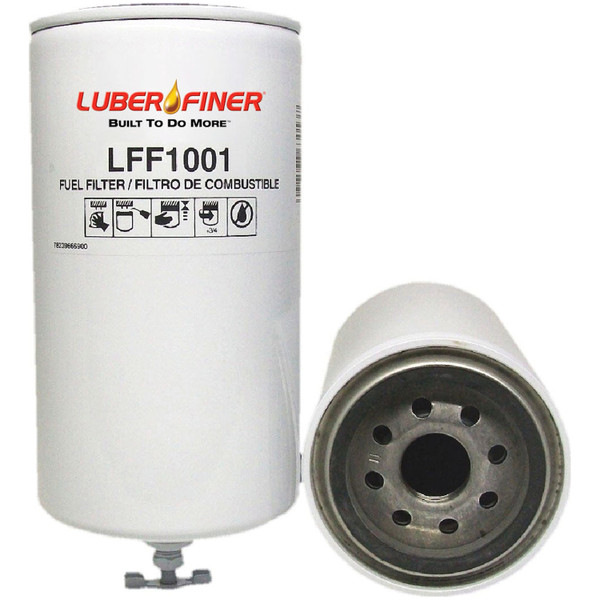
To safely drain the system, you must understand the components you are touching. The water separator is not just a filter; it is a specialized housing designed to slow down fuel flow so that heavy water droplets can fall out of suspension. Locating and identifying the drain valve and the electronic sensor is the first step in the physical “how-to” process.
Locating the Drain Valve and WIF Sensor
Depending on your vehicle, the separator is typically located in one of two places: along the frame rail near the fuel tank or mounted directly in the engine bay. Look for a cylindrical canister. At the very bottom of this canister, you will find two distinct parts. First is the Water in Fuel (WIF) sensor, which has electrical wires plugged into it. Second is the drain valve, often called a petcock. This valve is usually a plastic or metal knob or a small lever designed to be turned by hand or with a basic wrench.
Understanding Plastic Valve Mechanics
The mechanics of opening these valves require a gentle touch. Most modern separators use composite plastic valves to prevent corrosion. These are fragile and can snap if you apply too much torque. Understanding the specific movement of your valve is essential before you apply pressure:
- Twist-Style Valves: These usually turn counter-clockwise. You may only need to turn them 1.5 to 2 full rotations to begin the flow.
- Lever-Style Valves: These flip 90 degrees to open. Ensure you have a firm grip so the lever does not snap off the housing.
- Internal Thread Valves: Some designs require you to unscrew a plug entirely. In these cases, be prepared for a sudden rush of fluid.
- Pressure Warning: Never attempt to open the drain while the engine is running. The fuel system is under high pressure, and opening the valve can spray fuel at high velocity or introduce air pockets that stall the engine.
The Role of the Catchment Container
You must never drain fuel or water directly onto the ground. Use a clear glass or plastic container to catch the fluid. A clear container allows you to inspect what came out of your system. If the fluid is pure water, you have caught the problem in time. If the fluid contains “algae” (black slime) or metal shavings, you have deeper issues that a simple drain won’t fix. Typically, you will need to drain about 4 to 8 ounces of fluid before the stream turns into pure, clean fuel.
Critical Risks of Improper Draining and Over-tightening
While the process of draining water from your fuel filter is essential, how you handle the hardware is just as important as the act itself. Many operators treat the drain valve like a lug nut, but these components require a much lighter touch. Because most modern fuel-water separators are constructed from plastic or light composites, they are surprisingly susceptible to physical damage during routine maintenance.
The Trap of Over-tightening
The most common mistake people make is applying too much torque when closing the drain valve. These valves rely on precise O-rings or rubber gaskets to create a vacuum-tight seal. When you over-tighten, you risk pinching or tearing the seal, which creates a path for air to enter the fuel system. Air ingress is a silent performance killer that can cause hard starts, rough idling, or complete engine stalling. In extreme cases, over-tightening can crack the filter housing itself, leading to a pressurized fuel leak that poses a significant fire risk.
- Practical Tip: Always aim for “finger-tight plus a quarter turn.” If you feel resistance, the seal is likely engaged.
- Visual Check: After closing the valve, wipe the area completely dry and run the engine for a minute. If any dampness appears, the seal is compromised.
- Component Care: Never use pliers or a wrench on a plastic drain knob unless specifically instructed by the manufacturer.
Contamination and Environmental Hazards
Improper draining isn’t just about the hardware; it’s about what happens to the fluid. Draining fuel-contaminated water directly onto the ground is a major environmental hazard and, in many jurisdictions, illegal. Furthermore, failing to close the drain securely can allow road salt and grime to work their way back into the valve assembly, causing corrosion that makes the next maintenance interval nearly impossible to complete without breaking the unit.
Maintenance Intervals vs. Environmental Factors
Following the manufacturer’s suggested maintenance schedule is a great starting point, but it shouldn’t be your only guide. Real-world conditions often override the “standard” intervals found in your owner’s manual. Your fuel system is a living environment, and external factors play a massive role in how quickly water accumulates in your filter.
Humidity and Temperature Swings
Condensation is the primary enemy of a dry fuel system. If you operate in a climate with high humidity or significant day-to-night temperature fluctuations, you will find water in your fuel much more frequently. As the air inside your fuel tank cools down at night, moisture condenses on the tank walls and sinks to the bottom. This is why many professional drivers check their drain filters daily during the transition from autumn to winter.
- The “Half-Tank” Rule: Keeping your fuel tank nearly full reduces the surface area for condensation to form, significantly extending the life of your filter.
- Marine Environments: If you are near salt water, the air is naturally heavier with moisture, requiring weekly or even bi-weekly checks.
- Long-Term Storage: Vehicles that sit for long periods are highly prone to “fuel sweating,” which can fill a water trap without the engine even running.
Evaluating Fuel Quality and Source
Not all fuel is created equal. If you frequently fill up at high-volume truck stops, you are likely getting “fresh” fuel. However, sourcing fuel from remote stations with old underground tanks or using bulk farm tanks significantly increases your risk of a “slug” of water entering your system. In these scenarios, the water-in-fuel (WIF) sensor becomes your most valuable tool. If your warning light triggers shortly after a fill-up, it is an immediate sign that your current maintenance interval needs to be moved up to “right now.”
Protecting Your Fuel System for the Long Haul
Managing the water in your fuel system is one of the simplest yet most effective ways to prevent catastrophic engine failure. By understanding the risks of over-tightening and staying aware of how your environment affects fuel quality, you can stay ahead of potential issues. Remember, your water in fuel drain filter is the last line of defense for your high-pressure injectors; treating it with care is an investment in your vehicle’s longevity.
Next Steps: Check your vehicle’s manual today to locate your specific drain valve and make it a habit to inspect the area for leaks every time you check your oil. Don’t wait for a dashboard warning light to tell you there’s a problem—stay proactive and keep your fuel system bone dry!
❓ Frequently Asked Questions
What does the mixture look like when draining a fuel-water separator?
Water is heavier than fuel and will settle at the bottom, often appearing cloudy or milky compared to the clear fuel. In a catchment container, you will see a distinct line separating the two liquids once they settle.
How often should I check the water in fuel drain filter?
Most manufacturers recommend checking or draining the separator every oil change or every 10,000 miles. However, if you use low-quality fuel or drive in high-humidity conditions, you should check it monthly.
What happens if I over-tighten the petcock or drain valve?
These valves are often made of plastic and can easily crack or strip if forced. An over-tightened valve may cause a slow fuel leak or allow air to enter the system, leading to engine stalling issues.
Why does my ‘Water in Fuel’ light stay on after I’ve drained it?
This could indicate a faulty water-in-fuel (WIF) sensor or debris stuck on the sensor’s probes. If the light remains after a thorough drain, the sensor may need cleaning or replacement.
Is it necessary to replace the whole filter every time I drain it?
Not necessarily; the drain is designed for routine maintenance between filter changes. However, if you find excessive sediment or the filter is near its service limit, replacement is the safest option.
Can air in the fuel lines cause engine damage after draining?
Air pockets can cause the engine to sputter, stall, or fail to start, which puts unnecessary stress on the starter and battery. Always follow the manufacturer’s priming procedure to ensure the lines are full of fuel before starting.