5 Signs of a Bad Timing Chain Tensioner: Symptoms & Sounds

The most critical sign of a bad timing chain tensioner is a loud rattling or clacking sound coming from the engine, particularly during a cold start. This noise indicates the tensioner is failing to keep the chain taut, which can lead to skipped timing and catastrophic internal engine damage.
Prime Day Pick
Limited-time Prime Day price. Check current discount on Amazon.
🎯 Key Takeaways
- Takeaway 1:Listen for a metallic rattling sound during cold starts or idling.
- Takeaway 2:Monitor for Check Engine Light codes like P0011 or P0016.
- Takeaway 3:Look for metal shavings in your oil during routine changes.
- Takeaway 4:Address engine misfires and rough idling immediately to prevent failure.
- Takeaway 5:A loose tensioner can cause the chain to skip teeth on gears.
If you hear a distinct rattling sound when you turn your key in the morning or notice your engine stumbling at red lights, your timing chain tensioner is likely failing. This small but critical component is responsible for maintaining the exact amount of pressure on the timing chain to keep your camshafts and crankshaft perfectly synchronized. When the tensioner loses its ability to hold the chain tight, the chain begins to “slap” against the internal guides and engine cover, leading to a sequence of events that can eventually destroy your engine. Identifying these symptoms early is the only way to avoid a repair bill that could easily exceed the value of your vehicle.
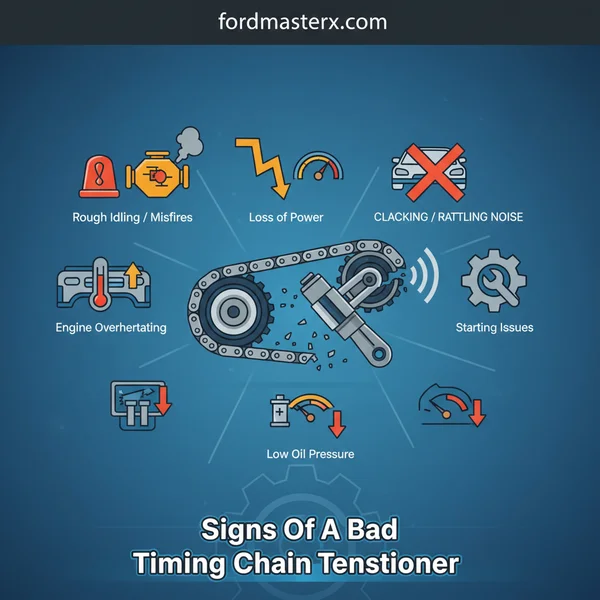
The stakes are high because modern engines are often “interference” designs. This means the valves and pistons occupy the same space at different times; if the timing chain skips even a single tooth because of a loose tensioner, the pistons can strike the open valves. This result is catastrophic internal damage, including bent valves, cracked pistons, and ruined cylinder heads. Understanding the specific auditory and electronic warning signs allows you to intervene while the fix is still limited to a tensioner and chain replacement rather than a full engine swap.
Prime Day Pick
Limited-time Prime Day price. Check current discount on Amazon.
Auditory Symptoms: Identifying the Timing Chain ‘Death Rattle’
The most common and recognizable sign of a failing tensioner is a sound often referred to by mechanics as the “death rattle.” Because most modern tensioners rely on engine oil pressure to maintain tension, the symptoms are usually most aggressive when oil pressure is at its lowest or during specific RPM ranges where the chain is under varying loads.
The Cold Start Clatter
You will most likely hear the first signs of trouble immediately after the vehicle has been sitting for several hours. When you start a cold engine, the oil has drained back into the pan, and a worn hydraulic tensioner may have “bled down.” For the first three to five seconds of operation, the timing chain will be dangerously loose until oil pressure builds enough to expand the tensioner piston. During these few seconds, you will hear a sharp, metallic clattering or “marbles in a tin can” sound coming from the front of the engine. If this sound disappears once the engine warms up, it is a clear indicator that the tensioner’s internal check valve or seal is failing to hold pressure.
Prime Day Pick
Limited-time Prime Day price. Check current discount on Amazon.
Rattling at Idle and Acceleration
As the tensioner continues to degrade, the noise will persist even after the engine reaches operating temperature. You may notice a persistent metallic “shuffling” or “slapping” sound while the engine is idling at a stoplight. This happens because the chain has developed enough slack that the tensioner can no longer take up the “slop,” even with full oil pressure. Key indicators of this stage include:
- The 2,000 RPM Rattle: A specific vibration or buzzing sound that occurs only as you accelerate through a certain RPM range.
- Variable Noise: The sound may change in pitch or intensity as the variable valve timing (VVT) system adjusts, putting different loads on the timing chain.
- Front-Engine Location: Unlike “rod knock” which sounds deep and heavy, the tensioner rattle is typically “tinny” and located behind the front timing cover.
Electronic Indicators and Common Diagnostic Trouble Codes (DTCs)
Your car’s Engine Control Unit (ECU) is constantly monitoring the position of the camshafts and the crankshaft using high-precision sensors. When a tensioner fails, the chain stretches or slacks, causing the timing of these two shafts to drift apart. Even a few degrees of deviation will trigger the Check Engine Light (CEL) and store specific diagnostic codes.
Prime Day Pick
Limited-time Prime Day price. Check current discount on Amazon.
Correlation Error Codes (P0011, P0016, P0017)
When you plug an OBD-II scanner into a car with a bad tensioner, you will often find “Correlation” codes. These codes literally mean that the “timing” between the top of the engine (valves) and the bottom (pistons) does not match the factory-programmed map. The most frequent codes include:
- P0016 / P0017: Crankshaft Position – Camshaft Position Correlation. This is the “smoking gun” for a loose chain or failing tensioner. It means the sensors see the shafts are out of sync.
- P0011 / P0014: These relate to the Camshaft Position timing being over-advanced or over-retarded. While often related to VVT solenoids, a failing tensioner can cause the chain to “whip,” throwing these readings off.
Misfire Codes and Performance Lag
A loose timing chain doesn’t just make noise; it physically alters when your spark plugs fire and when your valves open. This leads to poor combustion cycles. You may see P0300 (Random/Multiple Cylinder Misfire) codes or specific cylinder misfires like P0301 or P0304. Because the chain is bouncing due to lack of tension, the ignition timing is never consistent. You will feel this as a rough idle, a “stumble” when you press the gas pedal, or a noticeable loss of power at highway speeds. If your car feels “sluggish” and is throwing misfire codes alongside a rattling sound, the tensioner is no longer doing its job, and the chain is likely vibrating excessively against the guides.
Prime Day Pick
Limited-time Prime Day price. Check current discount on Amazon.
Physical Performance Red Flags: Misfires and Power Loss
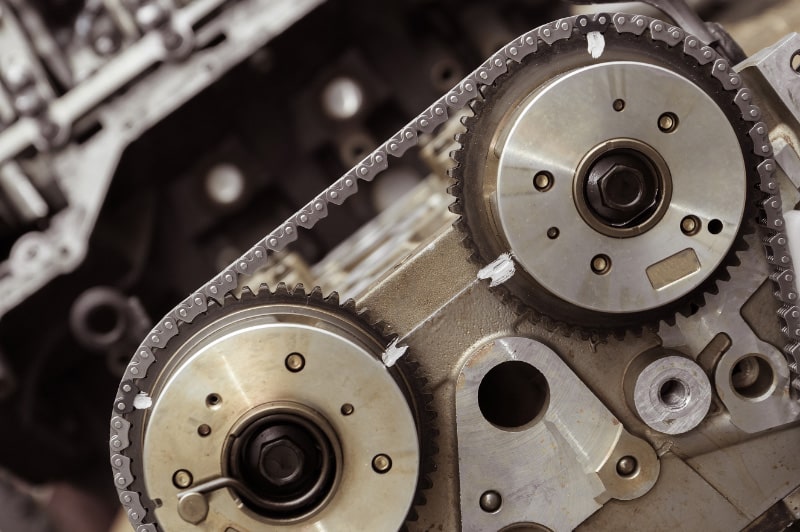
When a timing chain tensioner begins to fail, the issue isn’t just limited to unpleasant noises. Because the tensioner is responsible for keeping the chain tight against the gears, any slack directly affects your engine’s internal “breathing” cycle. If the chain skips even a single tooth on a sprocket, your engine’s performance will take a massive hit.
Engine Misfires and Rough Idling
A loose timing chain can cause the valves to open and close at the wrong intervals. This leads to an incomplete combustion process, which you will feel as a distinct shudder or vibration when the car is idling at a stoplight. If the timing is off enough, the onboard computer will detect a misfire, usually resulting in a flashing or steady Check Engine Light.
- Symptom: The car shakes or “stumbles” while idling.
- Symptom: Frequent stalling when coming to a stop.
- Tip: If you notice a rough idle combined with a rattling sound, avoid high-speed driving until the tensioner is inspected.
Sluggish Acceleration and Power Loss
Have you noticed that your vehicle feels heavy or unresponsive when you step on the gas? When the timing chain is loose due to a weak tensioner, the synchronization between the pistons and valves is compromised. This means the engine has to work much harder to produce the same amount of power, often resulting in a noticeable “lag” during acceleration and a significant drop in your miles-per-gallon (MPG).
Critical Internal Indicators: Metal Shavings and Valve Timing Issues
Some of the most dangerous signs of a bad timing chain tensioner aren’t visible from the outside of the engine. By the time these symptoms appear, internal damage is likely already occurring. This is why regular oil changes are more than just a maintenance chore—they are a diagnostic tool for your engine’s health.
Metal Flakes in the Engine Oil
When a tensioner fails to keep the chain taut, the chain begins to whip around inside the timing cover. This excess movement causes the heavy metal chain to strike against the engine block or the timing cover itself. Over time, this friction shears off tiny bits of metal that get washed into the oil pan.
- What to look for: During your next oil change, check the drained oil for small, shimmering “glitter” or metal flakes.
- The danger: These metal shavings can clog your oil pickup tube, leading to total engine oil starvation and catastrophic failure.
- Plastic fragments: You may also see small bits of black or brown plastic; these are usually pieces of the timing chain guides that have been shattered by the loose chain.
Check Engine Light and Fault Codes
Modern vehicles are equipped with sensors that monitor the exact position of the camshaft and crankshaft. If the tensioner allows the chain to stretch or slip, these sensors will immediately detect that the components are “out of sync.” This will trigger the Check Engine Light long before the engine actually fails.
Common diagnostic trouble codes (DTCs) associated with a failing tensioner include P0011, P0016, or P0300. If a mechanic scans your car and finds “Camshaft Position Correlation” errors, it is a definitive sign that your timing system—and likely the tensioner—requires immediate professional attention.
Conclusion: Protect Your Engine Before It’s Too Late
A bad timing chain tensioner is a ticking time bomb for your engine. While the initial symptoms like rattling or a rough idle might seem like minor annoyances, they are urgent warnings of a looming mechanical disaster. If the tensioner fails completely, the timing chain can snap or jump, causing the pistons to smash into the valves, which often results in a repair bill that exceeds the value of the car.
Next Steps: If you recognize any of the sounds or performance issues mentioned above, schedule a diagnostic appointment immediately. Check your oil for debris and listen closely during cold starts. Don’t wait for the engine to stop running—proactive maintenance is the only way to save your vehicle from a total engine replacement. Stay alert, listen to your car, and keep that timing system tight!
❓ Frequently Asked Questions
Why is the rattle more noticeable during a cold start?
Many tensioners rely on oil pressure to function; when the engine is cold, it takes a moment for oil to reach the tensioner, making a worn unit’s failure more apparent.
What diagnostic codes are most common with a failing tensioner?
The most common codes are P0011 (camshaft timing over-advanced) and P0016 (crank/cam correlation), indicating the internal timing is no longer synchronized.
Can a bad tensioner cause my engine to stall?
Yes, if the tensioner allows the timing chain to become loose enough to skip a tooth, the engine’s timing will be so far off that the vehicle may stall or fail to start.
Is it possible for a tensioner to fail without any noise?
While uncommon, a tensioner can have an internal hydraulic failure that doesn’t rattle immediately but still causes timing-related check engine lights or performance issues.
What is the ‘death rattle’ in an engine?
The ‘death rattle’ is the specific clattering sound of a loose timing chain slapping against the timing cover or guides due to a lack of tension.
How does a bad tensioner lead to catastrophic engine damage?
In interference engines, a failed tensioner lets the chain skip, causing the pistons to strike the valves, which results in bent valves and a total engine rebuild.