How Tall is a Ford Expedition? Garage Clearance & Specs

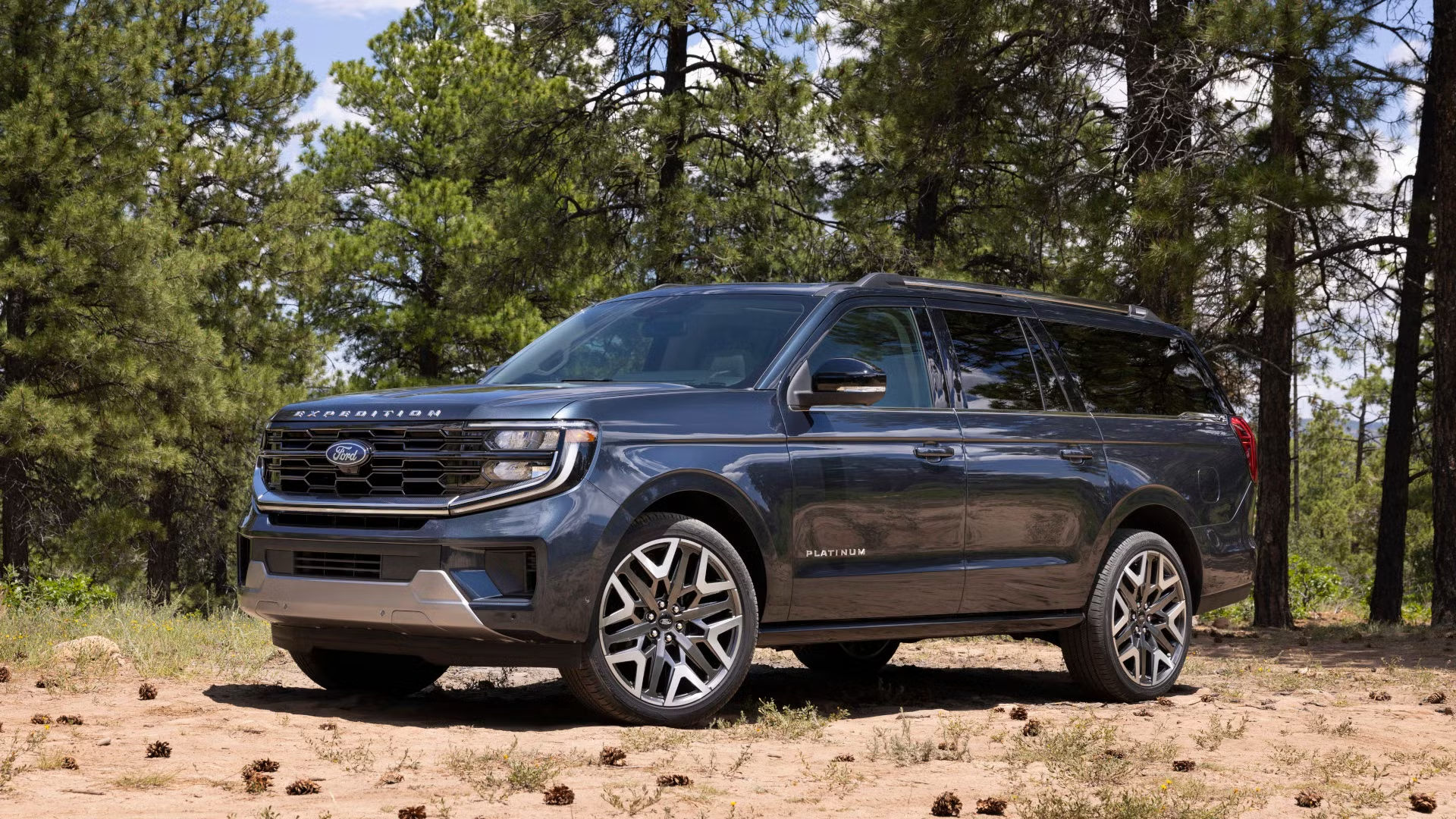
The modern Ford Expedition typically stands between 76.2 and 76.6 inches tall, depending on the specific trim and drivetrain configuration. While the Expedition MAX is significantly longer, its height remains virtually identical to the standard model, though off-road trims like the Timberline sit slightly higher.
🎯 Key Takeaways
Recommended Best Deal Products


- Standard 2024 Ford Expeditions average around 76.4 inches in total height.
- The Expedition MAX adds length but does not significantly increase vehicle height.
- 4×4 drivetrain configurations typically sit about 0.2 inches higher than 4×2 models.
- Most residential 7-foot garage doors provide sufficient clearance for a stock Expedition.
- Aftermarket roof racks and heavy-duty tires will alter your vertical clearance requirements.
A standard Ford Expedition stands between 76.4 and 76.6 inches tall, depending on your specific configuration. If you are driving the extended-length Expedition MAX, the height remains consistently around 76.4 inches. While these numbers seem straightforward, the difference between a 4×2 and a 4×4 drivetrain can slightly alter your vertical clearance, making it essential to know your exact model’s specs before pulling into a low-clearance parking garage or an automated car wash.

Prime for Young Adults — 6 Months Free
Students and 18–24s get six months of Prime free, then half price.
Start 6 Months Free As an Amazon Associate I earn from qualifying purchases.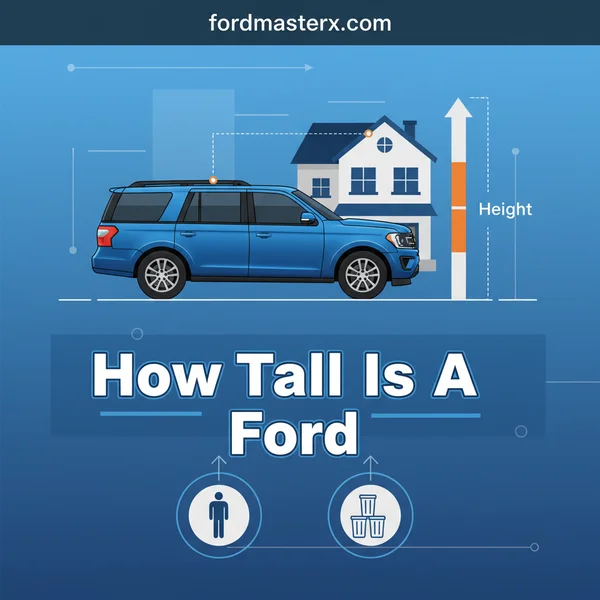
Knowing these measurements is vital because most standard residential garage doors are 7 feet (84 inches) tall. While a stock Expedition fits with about 7 inches to spare, custom roof racks, lifted suspensions, or older 6.5-foot garage doors can create a dangerously tight squeeze. This guide breaks down every height variation to ensure you never have to worry about a “low clearance” sign again.
Current Generation Dimensions: Standard vs. Expedition MAX Height
The current Ford Expedition (2018–present) is designed to fit under most standard height restrictions. However, the exact measurement fluctuates based on whether you have the standard wheelbase or the extended MAX version. Interestingly, the shorter standard model is often slightly taller than the MAX due to suspension tuning and weight distribution across the frame. Most modern parking structures have a clearance of 6’8″ (80 inches) or 7’0″ (84 inches), meaning a stock Expedition will clear both easily.
4×2 vs. 4×4 Clearance Differences
Choosing a 4-wheel drive (4×4) system does more than just help with snow; it slightly alters the vehicle’s peak height compared to the 2-wheel drive (4×2) version. This is due to the added weight of the transfer case and specific suspension geometry required for the 4×4 drivetrain. Here is the breakdown for the current model year:
- Standard Expedition 4×2: 76.6 inches
- Standard Expedition 4×4: 76.4 inches
- Expedition MAX 4×2: 76.4 inches
- Expedition MAX 4×4: 76.2 inches
- Expedition Timberline: 76.5 inches (The Timberline features a higher ground clearance but maintains a similar roof height due to its specialized off-road suspension).
Factors That Increase Your Real-World Height
When calculating your garage clearance, the factory number is just the starting point. You must account for any “add-ons” that sit above the roofline. For example, if you have installed the optional Heavy-Duty Trailer Tow Package, your vehicle may sit slightly higher at the rear when unladen. Furthermore, the factory measurements include the roof rails but not the crossbars or any cargo boxes attached to them.
- Factory Roof Crossbars: Add approximately 2 to 3 inches.
- Aftermarket Cargo Box: Add 12 to 18 inches.
- Lift Kits: Most common kits add 2 to 3 inches of height.
- All-Terrain Tires: Upgrading from stock tires to larger 35-inch tires can add 1 to 1.5 inches to your total height.
Historical Height Data: Ford Expedition Generations (1997–Present)
If you are shopping for a used Ford Expedition, you might find that older models were actually taller than the current generation. Design shifts over the last 25 years have prioritized aerodynamics and ease of entry, which has gradually brought the roofline down by an inch or two in certain trims. For buyers of older models, knowing these specs is crucial as older SUVs were often “boxier” and less optimized for modern low-clearance structures.
Breakdown by Generation
Used car buyers should be particularly careful with second and third-generation models, as they often featured the tallest factory heights in the nameplate’s history. If your home has a non-standard or older garage door, these generations might pose a challenge.
- First Generation (1997–2002): These early models measured roughly 74.3 to 77.3 inches. The height varied significantly based on whether the unit was equipped with the optional air suspension system, which could raise or lower the vehicle.
- Second Generation (2003–2006): This era saw a significant increase in bulk, with most models standing at 77.6 inches. This generation introduced the independent rear suspension, which standardized the ride height but made it taller than the original 1997 models.
- Third Generation (2007–2017): This was the “tallest” era for the Expedition. Standard models reached 77.2 inches, while the EL (Extended Length) versions could hit 78.3 inches depending on the tire package. If you own an EL from this era, you only have about 5.7 inches of clearance in an 84-inch garage.
- Fourth Generation (2018–Present): The current aluminum-bodied design brought the height back down to the 76.2 to 76.6-inch range to improve garage accessibility and fuel efficiency through better aerodynamics.
The Impact of Air Suspension on Older Models
Many second and third-generation Ford Expeditions were equipped with Load-Leveling Air Suspension. This system is designed to keep the vehicle level when carrying heavy cargo or towing a trailer. However, as these systems age, they can malfunction. A failing air suspension can cause the vehicle to sit “high” or “low” unexpectedly. If you are buying a used Expedition with this feature, measure the height yourself to ensure the system is calibrating correctly, as a stuck air bag could easily add an unexpected inch to your height, risking damage to your garage door header.
Factors Influencing Height: Trims, Tires, and Suspension
While the official spec sheet provides a solid baseline, the actual height of your Ford Expedition isn’t a static number. Several variables can nudge that roofline up or down by an inch or more. It is essential to understand these factors before you attempt to squeeze into a tight space or a low-clearance car wash.

Trim Levels and Roof Hardware
The specific trim you choose—whether it’s the base XL STX or the high-end Platinum—dictates more than just interior luxury. For instance, models equipped with heavy-duty roof rack side rails naturally sit taller than those without. The Expedition Stealth Performance Edition may also feature a slightly different stance due to its sport-tuned suspension components. If you have added a panoramic Vista Roof, the physical exterior height remains similar, but the structural weight distribution can subtly affect how the suspension settles over time.

Audible — Listen Free for 30 Days
One free credit a month and thousands of titles included.
Listen Free for 30 Days As an Amazon Associate I earn from qualifying purchases.- 4WD vs. RWD: Four-wheel-drive models often sit slightly higher off the ground to accommodate front-drive components and increased ground clearance for off-road capability.
- Roof Rails: Standard roof rails typically add 2 to 3 inches to the total vehicle height compared to a “naked” roof without any mounting hardware.
- Suspension Loads: An Expedition loaded with a full crew of eight and heavy luggage will sit lower than an empty one. However, you should always measure for the “unloaded” height to ensure you can get the vehicle into the garage when you are the only one inside.
Tires, Wheels, and Aftermarket Lifts
Your choice of rubber makes a massive difference in how high your SUV stands. An Expedition riding on 18-inch wheels with high-profile tires might have a different total diameter than one on 22-inch polished aluminum wheels. Furthermore, many owners opt for aftermarket leveling kits or suspension lifts to give the SUV a more aggressive look. Even a modest 2-inch leveling kit can turn a “will fit” situation into a “scraped roof” disaster in older parking garages. Always remember that as your tires wear down, you might gain a fraction of an inch of clearance, but new, knobby all-terrain tires will bring you closer to the ceiling.
Parking Logic: Managing Garage and Structure Clearance Safety
Navigating a vehicle as massive as the Ford Expedition requires a bit of “parking logic.” Most modern parking structures are designed with a minimum clearance, but older urban garages and underground lots can be notoriously low. Knowing your vehicle’s limits isn’t just about the metal roof—it’s about every accessory attached to it.
The 7-Foot Standard and Driveway Inclines
A standard residential garage door is usually 7 feet (84 inches) tall. Since a stock Ford Expedition typically ranges between 76.4 and 76.7 inches, you usually have about 7 inches of “buffer” room. However, this buffer disappears quickly if you have a steep driveway incline. As your front wheels head up the slope while the rear is still on flat ground, the highest point of the roof can “peak” higher than the door opening itself. Always approach your home garage slowly the first time to ensure the angle of entry doesn’t cause a clearance issue at the center of the roofline.
- Antenna Awareness: Modern Expeditions use “shark fin” antennas, which are durable but still add height. Older models with flexible whip antennas will often hit the clearance bar first—take that as a vital warning sign!
- Public Garage Signs: Always look for the yellow clearance bar at the entrance. If the sign says 6’8″ (80 inches), you are cutting it dangerously close. Aim for structures with at least 7’0″ clearance for total peace of mind.
- Lighting Fixtures: Inside a garage, look out for low-hanging pipes, fire sprinklers, or exit signs that may hang lower than the actual concrete ceiling.
Cargo Boxes and Seasonal Accessories
The most common cause of “garage rash” isn’t the SUV itself, but what’s on top of it. A Thule or Yakima cargo box can easily add 15 to 20 inches to your total height. If you frequently use these accessories, your Expedition will likely exceed 8 feet, making almost all indoor parking structures off-limits. It is a smart move to keep a small sticky note on your dashboard with your “Max Height” (with and without the cargo box) as a quick reference for those stressful city driving moments when you need to find a spot quickly.
Wrapping Up: Know Your Limits
The Ford Expedition is a powerhouse of utility and size, but its height is a factor you can’t afford to ignore. Generally sitting between 76.4 and 76.6 inches, it fits comfortably in most modern garages and standard 7-foot residential openings. However, once you factor in 4WD systems, specialized trims, and roof-mounted cargo, that clearance narrows quickly. By understanding your specific trim specs and accounting for your driveway’s incline, you can avoid costly repairs and drive with total confidence.
Next Steps: Grab a tape measure and check your actual garage door height today. Then, verify if your Expedition has any aftermarket additions or specific roof rails that might have boosted its profile. Being proactive is the best way to keep your roof scratch-free!
❓ Frequently Asked Questions
How tall is a Ford Expedition with a roof rack?
Factory roof rails are included in the 76.4-inch spec, but adding aftermarket crossbars or cargo boxes can add 3 to 12 inches of total height.
Does the 4WD system make the Expedition sit higher?
Yes, 4×4 models generally sit roughly 0.2 inches higher than 2WD models due to differences in the front suspension and transfer case clearance.
What was the height of the first-generation Ford Expedition?
The 1997-2002 models had a height ranging from 74.3 to 76.6 inches depending on the suspension package and tire size.
Will a Ford Expedition fit in a public parking garage?
Most public garages have a clearance of 6’8″ or 7’0″; the Expedition usually clears these, but always check for low-hanging pipes or signs.
Audible Premium Plus — Annual Membership
12 audiobook credits up front, plus the full Audible catalogue.
See Annual Plans As an Amazon Associate I earn from qualifying purchases.How does the Timberline trim height compare to the Limited trim?
The Timberline sits about an inch higher than the Limited because it features unique off-road shocks and larger all-terrain tires.
Does vehicle load affect the total height?
Yes, carrying a full load of passengers or heavy cargo can compress the rear suspension, lowering the vehicle height by 1-2 inches.