How Long Do Glow Plugs Last? Lifespan and Failure Signs

Most diesel glow plugs are designed to last between 80,000 and 100,000 miles depending on driving conditions and cold-start frequency. Monitoring for hard starts, rough idling, and black smoke is essential to prevent complete ignition failure during winter months.
🎯 Key Takeaways
Recommended Best Deal Products


- Takeaway 1:Replace glow plugs every 100,000 miles for optimal performance.
- Takeaway 2:Frequent cold starts significantly reduce the overall heating element lifespan.
- Takeaway 3:Hard starting in cold weather is the primary sign of failure.
- Takeaway 4:Modern ceramic glow plugs generally outlast traditional metal-sheathed versions.
- Takeaway 5:Inspect the glow plug relay if multiple plugs fail simultaneously.
Most diesel glow plugs are designed to last between 80,000 and 100,000 miles. In terms of time, this usually equates to about seven to nine years of average driving. Unlike spark plugs in a gasoline engine that fire thousands of times per minute, glow plugs are only stressed during the initial start-up phase and the first few minutes of engine warm-up. If you live in a mild climate and primarily drive long distances on the highway, your plugs might even push past the 110,000-mile mark before showing signs of weakness.

Audible — Listen Free for 30 Days
One free credit a month and thousands of titles included.
Listen Free for 30 Days As an Amazon Associate I earn from qualifying purchases.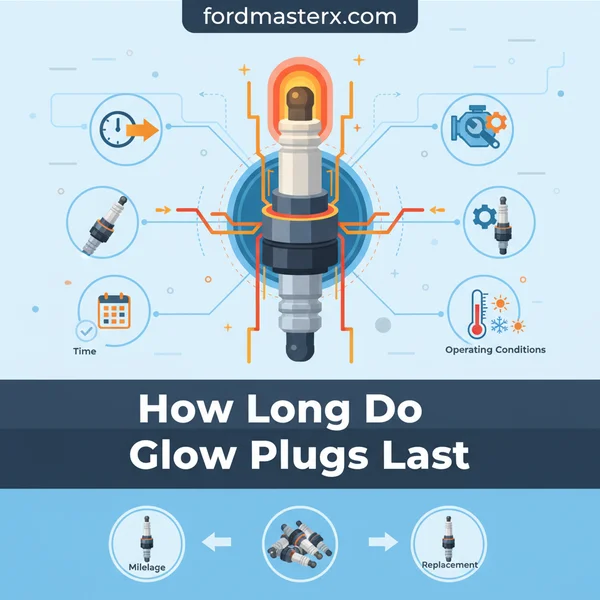
Understanding this lifespan is critical because glow plugs rarely fail all at once. Usually, one or two will burn out, leaving the remaining plugs to shoulder the load. This puts extra strain on your battery and starter motor as they struggle to turn over a cold engine without sufficient heat. By tracking your mileage and knowing the expected window for replacement, you can swap them out proactively and avoid being stranded on a freezing morning when your engine refuses to ignite.
Typical Lifespan and Mileage Expectations for Glow Plugs
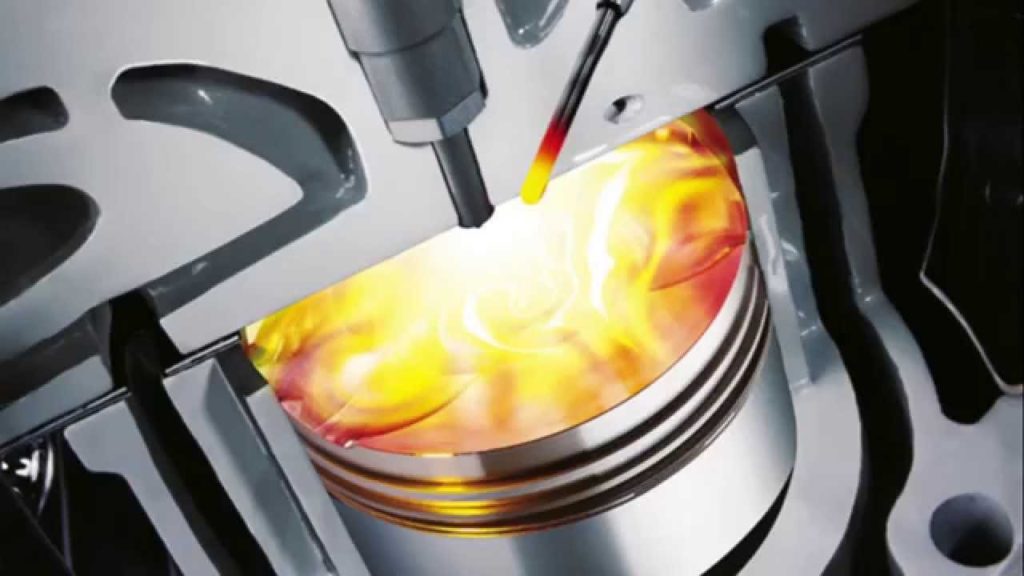
While the 100,000-mile benchmark is the industry standard, glow plugs don’t have a hard expiration date. Their longevity is determined by “duty cycles”—the number of times they are heated to their maximum temperature. Each time you turn your key and wait for the dashboard light to turn off, the heating element inside the plug reaches temperatures exceeding 1,000 degrees Celsius. Over time, this extreme thermal cycling causes the internal filament to become brittle and eventually break.
Why Mileage Varies by Driver Habits
Your driving environment plays a massive role in whether your plugs last 70,000 miles or 120,000 miles. Because glow plugs are “pre-heaters,” their workload is dictated by the ambient temperature and the frequency of cold starts. Consider these common variables:
- Climate Severity: In sub-zero environments, glow plugs must stay energized longer to reach the necessary combustion temperature. If you live in the Northern US or Canada, expect to replace them closer to the 80,000-mile mark.
- Start Frequency: A delivery driver who starts their engine 30 times a day will wear out glow plugs significantly faster than a commuter who starts their truck once in the morning and once in the evening, regardless of total mileage.
- Post-Glow Functionality: Modern diesel engines use a “post-glow” phase where the plugs remain hot for several minutes after the engine is running to reduce emissions. If your commute consists of many short trips, your plugs spend a higher percentage of their life in an active state.
The Impact of Engine Health on Longevity
It isn’t just electrical wear that kills glow plugs; the environment inside the cylinder matters too. If your engine has leaky fuel injectors or is burning excessive oil, carbon deposits can build up on the tip of the glow plug. This carbon acts as an insulator, forcing the plug to work harder and stay on longer to reach the required temperature. In extreme cases, heavy carbon crusting can lead to localized overheating, causing the tip of the plug to swell or even break off, which can lead to catastrophic engine damage.
Critical Warning Signs Your Glow Plugs Are Failing
Recommended Best Deal Products


When a glow plug begins to fail, your vehicle will usually give you several warnings before it fails to start entirely. Since diesel engines rely on compression ignition, they need the intense heat provided by the glow plugs to “pop” the fuel-air mixture when the block is cold. If that heat source is missing or insufficient, the combustion process becomes messy and inefficient.
Hard Starting and Battery Strain
The most immediate symptom of a failing glow plug is a “long crank” time. You might notice that instead of the engine firing up instantly, the starter motor has to turn the engine over for five, ten, or even fifteen seconds. This happens because the cylinders aren’t reaching the “flash point” temperature quickly enough. This doesn’t just annoy you; it pulls massive amounts of current from your battery. If you find yourself needing a jump-start on cold mornings even though your battery is relatively new, your glow plugs are the likely culprit.
Visual and Performance Indicators
Once the engine finally does catch and start, the symptoms of bad glow plugs often continue for the first few minutes of operation. Watch for these specific signs:
- Smoke Upon Startup: If you see a cloud of white or gray smoke immediately after the engine fires, it is usually unburnt fuel. This happens because the cold cylinders didn’t fully combust the initial shots of diesel. Once the engine warms up, the smoke typically disappears.
- Rough Idling or Misfiring: If only one or two glow plugs are bad, those specific cylinders will struggle to fire correctly until the engine reaches operating temperature. This results in a “limping” sound, vibrations, or a rough idle that smoothes out after a few minutes of driving.
- Dashboard Warning Lights: Most modern vehicles will trigger a Check Engine Light (CEL) or a dedicated glow plug warning light (often a coil symbol). Using an OBD-II scanner, you will frequently see codes like P0380 through P0384, which specifically point to issues in the heater circuit.
If you notice any combination of these signs, it is time to test your plugs. Ignoring these symptoms leads to increased carbon buildup in your DPF (Diesel Particulate Filter) and puts unnecessary wear on your entire ignition system.
Factors That Accelerate Glow Plug Wear and Tear
While most glow plugs are designed for the long haul, certain conditions can drastically shorten their lifespan. It isn’t always about how many miles you drive; often, it’s about how the engine is treated and the environment it lives in. Understanding these stressors can help you predict when a replacement might be necessary.

Prime for Young Adults — 6 Months Free
Students and 18–24s get six months of Prime free, then half price.
Start 6 Months Free As an Amazon Associate I earn from qualifying purchases.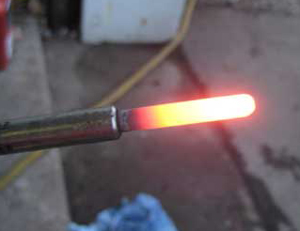
Frequent Short Trips and Cold Cycles
Glow plugs work hardest during the initial start-up phase. If your daily routine consists of multiple short trips where the engine never fully reaches operating temperature, your glow plugs are cycling much more frequently than they would on long highway hauls. Each heating cycle causes minute amounts of thermal stress to the internal heating element.
- Extreme Cold: In freezing climates, the plugs must stay on longer (often referred to as “post-glow”) to stabilize combustion, leading to faster degradation of the tip.
- Poor Battery Health: Low voltage or a struggling electrical system can cause the glow plug control module to behave erratically, potentially leading to overheating or “short cycling” the plugs.
Engine Health and Fuel Quality
The internal environment of your cylinders plays a massive role in component longevity. If your engine is “running dirty,” your glow plugs will pay the price. Carbon buildup is the primary enemy here; it can insulate the plug or cause it to overheat by trapping too much heat near the element.
- Leaky Fuel Injectors: If an injector drips fuel directly onto the glow plug tip, it can cause thermal shock. This often results in the tip cracking or even breaking off inside the combustion chamber.
- Low-Quality Diesel: Contaminated fuel or fuel with high sulfur content increases carbon deposits. These deposits can “bridge” the gap between the plug and the cylinder head, causing a premature short circuit.
Preventative Maintenance vs. Reactive Replacement Strategies
Recommended Best Deal Products


When it comes to diesel maintenance, you generally have two choices: replace parts before they fail or wait until the vehicle forces your hand. With glow plugs, the “best” strategy often depends on your climate and how much you rely on your vehicle for daily work or commuting.
The Case for Proactive Replacement
Many experienced diesel mechanics recommend replacing glow plugs as a complete set every 60,000 to 80,000 miles, even if they still appear to be working. This is especially true if you live in a region with harsh winters. A proactive approach ensures you aren’t stranded on a morning when the temperature drops below zero and the engine refuses to fire.
- Replace as a Set: If one plug fails, the others have likely endured the same amount of wear. Replacing them all at once ensures balanced cylinder temperatures and saves you from repeated trips to the shop.
- Winter Preparation: Scheduling a quick diagnostic check in the autumn can prevent “no-start” emergencies during the first cold snap of the year.
Managing Reactive Replacement
If you prefer a reactive approach—waiting for a warning light or a noticeably rough start—you need to be extremely vigilant about symptoms. While this saves money in the short term, it can lead to increased stress on your battery and starter motor as they struggle to turn over a cold engine without sufficient heat.
- Choose Premium Brands: When a failure occurs, resist the urge to buy the cheapest “no-name” plugs. High-quality ceramic or metal-tipped plugs from reputable manufacturers offer significantly better longevity and much faster heat-up times.
- Keep a Maintenance Log: Note the mileage of each replacement. If you find yourself replacing plugs every 20,000 miles, it’s a clear sign of an underlying electrical issue or fuel system problem that needs immediate attention.
Conclusion: Keeping Your Diesel Engine Reliable
Glow plugs are the unsung heroes of the diesel world, quietly ensuring your engine roars to life even in the dead of winter. While they typically last around 100,000 miles, factors like short driving cycles, carbon buildup, and fuel quality can move that timeline significantly. By keeping an eye out for rough idling, unusual smoke, or dashboard warning lights, you can catch failures before they leave you stranded in the cold.
Your next step should be to check your vehicle’s service history. If you are approaching the 100,000-mile mark and haven’t updated your plugs, consider a diagnostic check-up. Stay proactive with your maintenance, and your diesel engine will remain a reliable workhorse for years to come!
❓ Frequently Asked Questions
Why do glow plugs fail prematurely?
Failure is often caused by excessive voltage from a faulty relay or carbon buildup that traps heat around the tip. Frequent short trips in freezing temperatures also stress the heating elements significantly.
Can I drive with a faulty glow plug?
You can drive, but you will experience difficult starts, reduced fuel economy, and potential damage to the diesel particulate filter (DPF). In extreme cold, the engine may fail to start entirely.
Is it better to wait for failure or replace them early?
Preventative replacement around 100,000 miles is recommended to avoid being stranded in winter. Early replacement also prevents the plugs from seizing in the cylinder head, which makes removal difficult and expensive.
Audible Premium Plus — Annual Membership
12 audiobook credits up front, plus the full Audible catalogue.
See Annual Plans As an Amazon Associate I earn from qualifying purchases.Do different types of glow plugs last longer?
Ceramic glow plugs can reach higher temperatures more quickly and typically offer a longer service life than metal versions. However, they are more brittle and require careful handling during installation.
How does cold weather impact glow plug longevity?
Extremely cold climates require the plugs to stay energized for longer periods to reach ignition temperatures. This extended ‘on’ time wears out the heating filament faster than in temperate zones.
Does the glow plug control module affect their lifespan?
Yes, the control module regulates the current; if it malfunctions and provides too much power or stays on too long, it can burn out the plugs instantly.