Ford 3.5 V6 Engine Problems: Reliability & Common Failures

The most critical issue for Ford 3.5L V6 engines is the internal water pump failure on transverse models, which can cause catastrophic engine damage via oil contamination. Owners should also be vigilant regarding cam phaser rattle and timing chain stretch, particularly in EcoBoost variants found in the F-150 and Explorer.
🎯 Key Takeaways


- Takeaway 1:Watch for cold start rattles indicating cam phaser or timing chain issues.
- Takeaway 2:Monitor coolant levels; internal water pump leaks can destroy the engine.
- Takeaway 3:Use high-quality full synthetic oil to prevent turbo and phaser wear.
- Takeaway 4:Clean intake valves regularly to combat carbon buildup on EcoBoost models.
- Takeaway 5:Verify cooling system health on high-mileage Explorer and Edge models.
If you own a Ford vehicle with a 3.5L V6, the primary concerns you need to monitor are the internal water pump failure and timing chain stretch. These are not minor repairs; a failing water pump on the naturally aspirated Duratec versions can result in total engine destruction without warning, while EcoBoost variants are notorious for “cold start rattle” caused by worn cam phasers and stretched chains. Knowing which version of the 3.5L you have and the specific symptoms of these failures is the difference between a routine service and a $4,000 engine replacement bill.
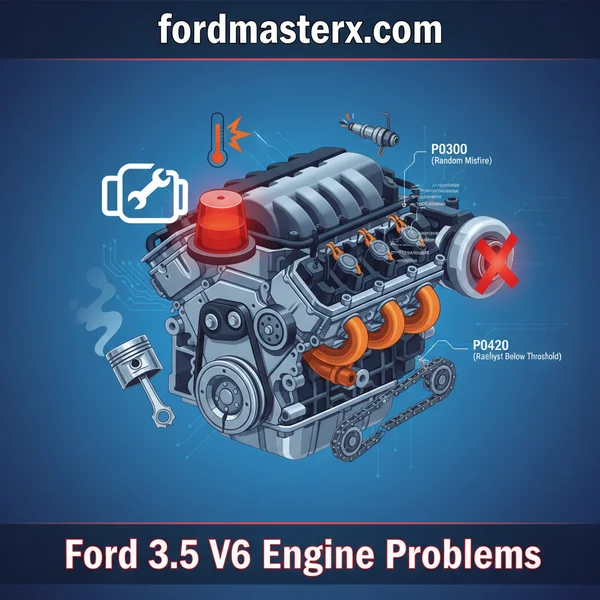
Understanding these vulnerabilities is critical because Ford used the 3.5L platform across its most popular models, including the F-150, Explorer, and Edge. While these engines are capable of high mileage, they possess specific design “bottlenecks” that can lead to catastrophic oil contamination or timing synchronization errors. This guide breaks down exactly what fails, why it happens, and which model years are most susceptible to these high-stakes mechanical issues.
Major Vulnerabilities: Internal Water Pump and Coolant Risks


The most significant design flaw in the naturally aspirated 3.5L Duratec (Cyclone) engine is the placement of the water pump. Unlike most engines where the pump is external and driven by an accessory belt, Ford designed this pump to be internally driven by the timing chain. This configuration is primarily found in transverse-mounted applications where the engine sits sideways. If the pump seal fails, it does not leak onto the ground; it leaks directly into the engine’s oil pan.
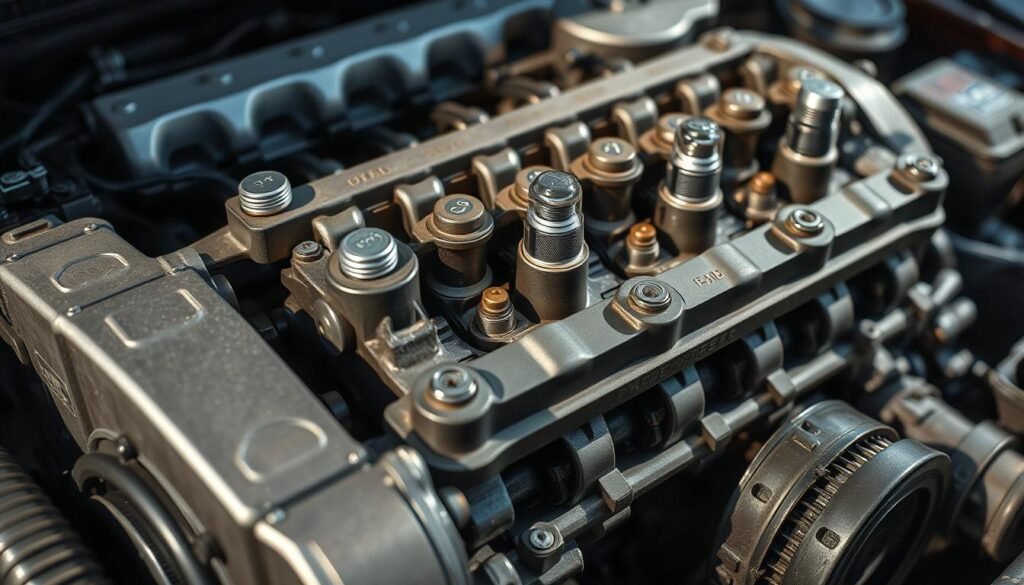
The “Milkshake” Effect and Engine Seizure
When the internal water pump weep hole becomes clogged or the main seal fails, coolant mixes with the engine oil. This creates a thick, milky sludge that destroys the oil’s lubricating properties almost instantly. Because the pump is hidden behind the front timing cover, you may not realize there is a leak until the engine begins to overheat or the oil pressure light illuminates. By that point, the main bearings are often already damaged beyond repair, often requiring a full engine replacement rather than a simple pump swap.
- Primary Symptoms: Discolored oil (milky appearance on the dipstick), disappearing coolant levels with no visible exterior puddles, and a low oil pressure warning.
- Affected Models: Primarily front-wheel-drive based platforms like the 2007–2018 Ford Edge, 2011–2019 Ford Explorer, and 2009–2019 Ford Flex.
- Risk Factor: High. A water pump failure on these models is frequently a “terminal” event for the engine if not caught within seconds of the seal breaching.
- Repair Complexity: Replacing this pump requires removing the entire timing chain assembly and front cover, often taking 10 to 14 hours of professional labor.
EcoBoost Specific Issues: Cam Phasers, Timing Chains, and Turbos



The 3.5L EcoBoost engine, while sharing the block architecture of the Duratec, introduces a different set of high-cost failures related to its forced induction and direct injection systems. The most prevalent issue is timing chain stretch and cam phaser wear. Because the EcoBoost operates under much higher cylinder pressures and heat than the naturally aspirated version, it puts immense stress on the long timing chain, which can stretch over time and throw the engine’s timing out of sync.
The Infamous Cold Start Rattle
If you hear a loud, metallic rattling sound for two to five seconds immediately after starting your engine in the morning, your cam phasers are likely failing. The Variable Cam Timing (VCT) phasers rely on oil pressure to lock into place; when the internal locking pins wear out or the oil ports become restricted, they slap back and forth until oil pressure builds up. Ignoring this sound leads to the timing chain skipping teeth, which can cause the valves to strike the pistons.
- The 1st Gen EcoBoost (2011–2016): Most prone to timing chain stretch due to a single-row chain design and extended oil change intervals which lead to accelerated wear.
- The 2nd Gen EcoBoost (2017–2020): Received a dual-row chain to fix stretching, but cam phaser failures remained a massive issue, leading to multiple Technical Service Bulletins (TSBs) and extended warranties from Ford.
- Turbocharger Oil Feed Lines: Extreme heat cycles can cause the small filters in the turbo oil lines to clog with carbon, starving the turbos of lubrication and causing bearing failure.
- Symptoms: Rattling on startup, Check Engine Light (Codes P0011, P0016), and a noticeable loss of power or “limp mode” under boost.
Carbon Buildup on Intake Valves
Because the 3.5L EcoBoost (particularly the 1st Gen) uses direct injection, fuel is sprayed directly into the combustion chamber rather than over the intake valves. Without the cleaning effect of gasoline washing over the valves, oil vapors from the PCV system bake onto the hot intake valves. Over time, this carbon buildup restricts airflow, leading to rough idles and misfires that spark plugs alone won’t fix. This typically becomes a noticeable problem once the vehicle crosses the 80,000 to 100,000-mile mark.
Performance Symptoms: Identifying Misfires and Carbon Buildup
Even if your Ford 3.5 V6 is running relatively well, subtle performance shifts can signal that internal issues are brewing. Because these engines—particularly the EcoBoost variants—rely on precision timing and high-pressure fuel delivery, even small amounts of interference can lead to noticeable drivability problems. Identifying these symptoms early can save you from a “limp mode” event on the highway.

Carbon Buildup in EcoBoost Models
One of the trade-offs of the direct injection technology used in the 3.5 EcoBoost is carbon buildup on the intake valves. Unlike traditional port injection, fuel does not wash over the valves to keep them clean. Over time, a thick “soot” accumulates, restricting airflow and causing the engine to struggle for breath. You might notice your Ford feels sluggish during acceleration or exhibits a shaky, inconsistent idle when stopped at a red light.
- Reduced Fuel Economy: A sudden drop in MPG is often the first sign of restricted airflow.
- Hesitation: A “stumble” when you step on the gas, especially when the engine is cold.
- Rough Idling: Feeling vibrations through the steering wheel while the car is stationary.
Identifying Ignition Misfires and Coil Failure
The 3.5 V6 is known to be particularly hard on its ignition system. Misfires are common, often caused by worn spark plugs or failing ignition coils. Because the EcoBoost engines operate under high boost pressures, the spark must be incredibly strong to jump the gap. When a coil begins to fail, you will likely see a flashing Check Engine Light and feel a distinct rhythmic jerking under load.
- Check Engine Light (CEL): Often accompanied by codes P0300 through P0306.
- Jerking under Load: The car may shudder when climbing a hill or trying to pass another vehicle.
- Poor Cold Starts: Difficulty getting the engine to fire up on chilly mornings.
Long-Term Reliability: Maintenance Strategies for High-Mileage Engines
Is the Ford 3.5 V6 a “bad” engine? Not necessarily. While the common failures are well-documented, many owners have successfully pushed these powerplants past the 200,000-mile mark. The secret to longevity with this specific V6 architecture lies in proactive, rather than reactive, maintenance. If you follow the standard factory intervals, you may find yourself facing the “ticking time bomb” issues mentioned earlier.
The Critical Importance of Oil Quality
The timing chain and turbochargers on the 3.5 V6 are extremely sensitive to oil quality. Carbon deposits and sludge can clog the small oil passages that feed the turbo bearings and the timing chain tensioners. Most experts recommend ignoring the “Oil Life Monitor” in the dashboard and sticking to a more frequent schedule. Using a high-quality full synthetic oil is non-negotiable for protecting the internal components from heat-related wear.
- 5,000-Mile Intervals: Don’t wait for 7,500 or 10,000 miles; fresh oil is the cheapest insurance policy.
- Full Synthetic Only: Synthetic oil handles the extreme heat of the turbochargers much better than conventional blends.
- OEM Filters: Stick with Motorcraft filters to ensure the bypass valves operate at the correct pressure.
Monitoring the Cooling System
Because the water pump on many 3.5 V6 models is located behind the timing cover, a cooling system failure can be catastrophic. If the pump’s internal seal fails, it leaks coolant directly into the oil pan. Regular cooling system inspections are vital. Keep an eye on your coolant reservoir levels; if you are “losing” coolant but don’t see a puddle on the ground, it may be leaking internally.
- Coolant Flushes: Replace coolant every 50,000 to 60,000 miles to prevent pH imbalance and corrosion.
- Visual Inspections: Regularly check for a “milky” appearance on the oil dipstick, which indicates coolant contamination.
- Listen for Noises: A whining or grinding sound from the front of the engine can signal a failing water pump bearing.
Conclusion
The Ford 3.5 V6 is a powerhouse of an engine that offers a fantastic balance of towing capability and efficiency, but it isn’t without its quirks. From the dreaded internal water pump to timing chain stretch and carbon buildup, staying ahead of these issues is the only way to ensure long-term reliability. By tightening your maintenance schedule and paying close attention to early warning signs like misfires or loss of power, you can enjoy the performance of this engine without the headache of a major breakdown.
Next Steps: If your vehicle is approaching the 100,000-mile mark, consider a professional inspection of your timing components and a carbon cleaning service. Keeping your Ford on the road starts with knowing what’s happening under the hood—so stay vigilant and keep those oil changes frequent!
❓ Frequently Asked Questions
Why is the internal water pump failure so expensive to fix?
Because the pump is driven by the timing chain inside the engine, labor requires extensive disassembly. If it fails, it can mix coolant with oil, destroying the engine bearings almost instantly.
What causes the ‘shudder’ in 3.5L EcoBoost engines?
This is often caused by condensation buildup in the intercooler or fouled spark plugs. Upgrading to a newer intercooler design and gapping plugs correctly usually resolves the hesitation issues.
Can carbon buildup be prevented in the 3.5 V6?
While direct injection makes buildup inevitable, using high-quality fuel and performing intake valve cleanings every 60k miles helps. Later ‘second-gen’ models use dual injection to mitigate this.
How do I know if my timing chain is stretched?
Common signs include a check engine light for timing correlation (P0016), poor fuel economy, and a noticeable rattle during acceleration. Professional diagnostic tools can verify the degrees of cam misalignment.
Are there specific years of the F-150 3.5 EcoBoost to avoid?
Early 2011-2015 models are more prone to timing chain stretch and intercooler condensation issues. The 2017 and newer second-generation engines addressed many of these design flaws.
What is the average lifespan of a Ford 3.5 V6?
With meticulous maintenance, these engines frequently reach 200,000 to 250,000 miles. However, neglecting oil changes can lead to turbo or timing failure well before the 100,000-mile mark.